Best Attorney For Insurance Company In Travis
Description
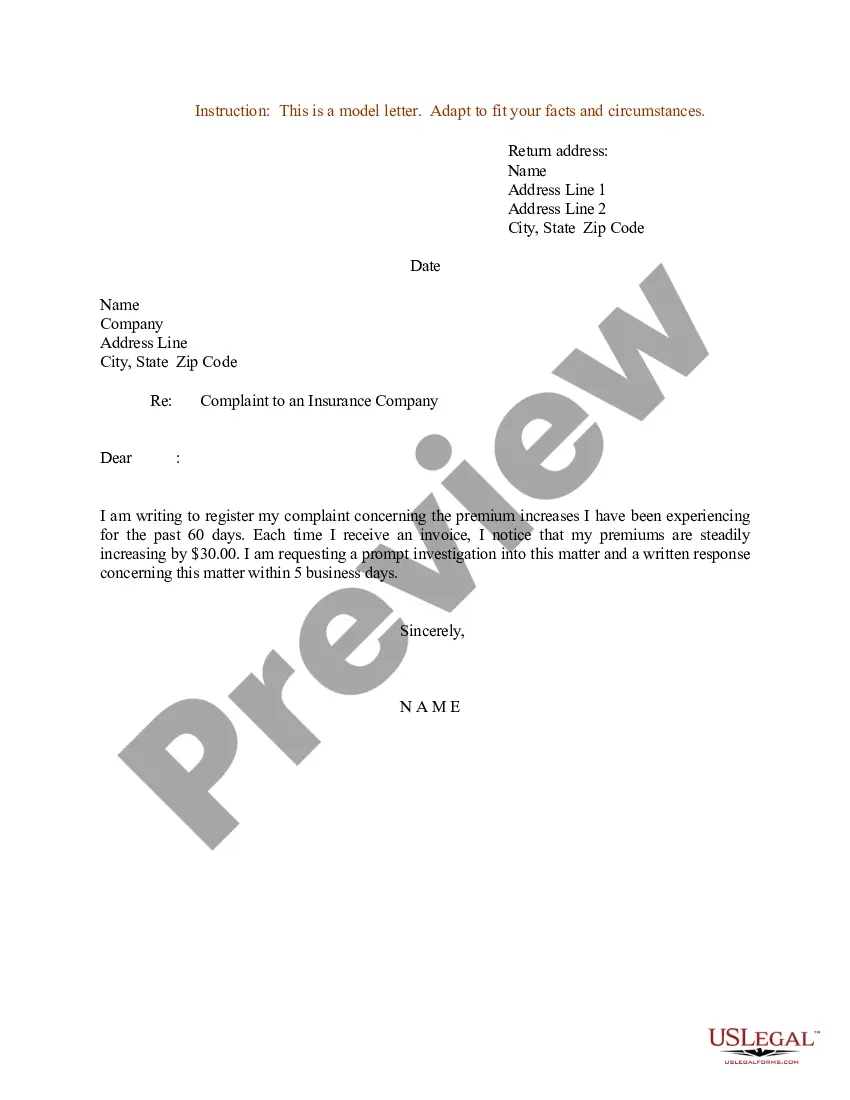

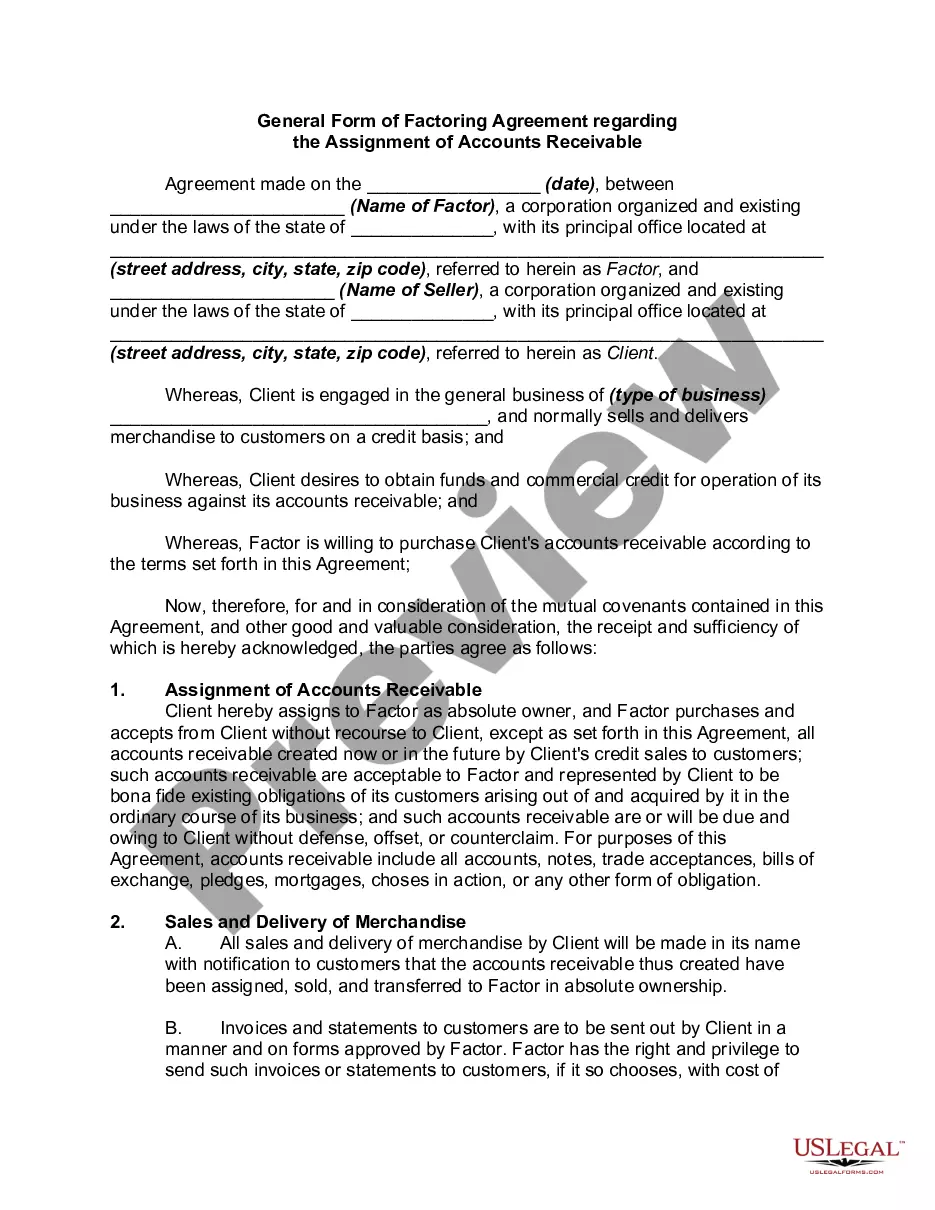
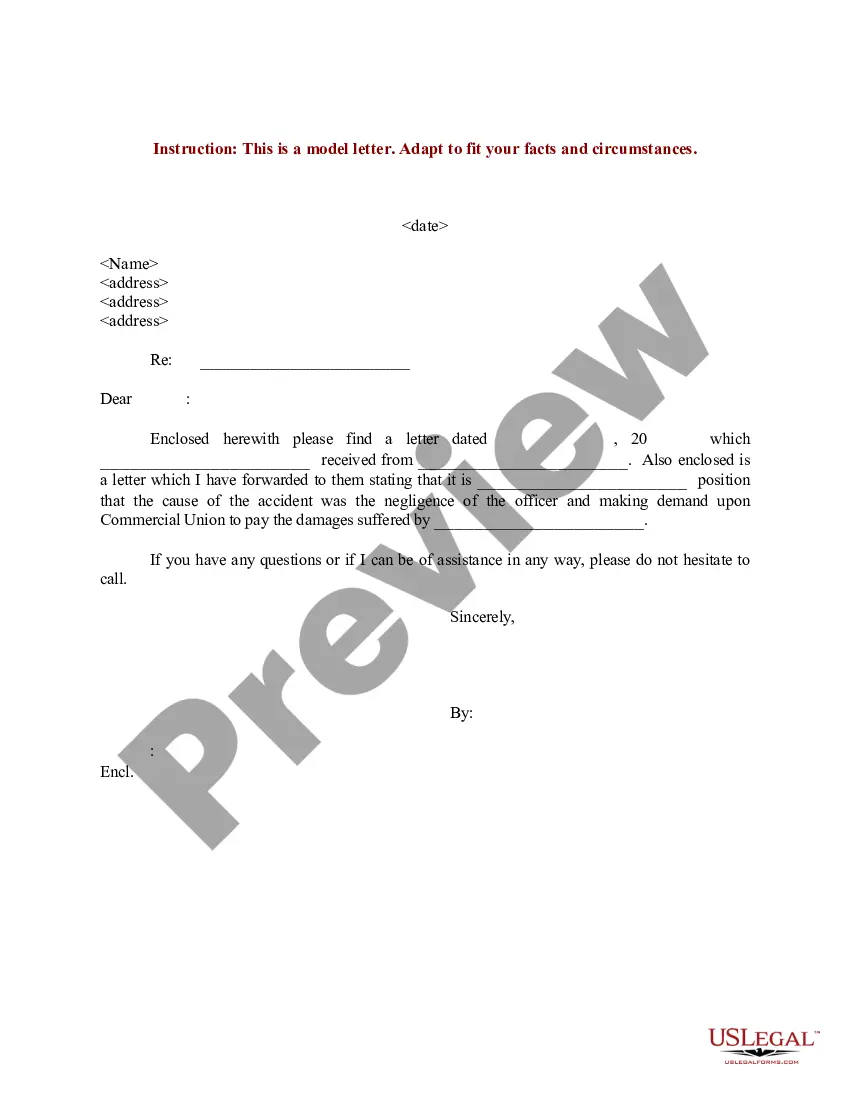
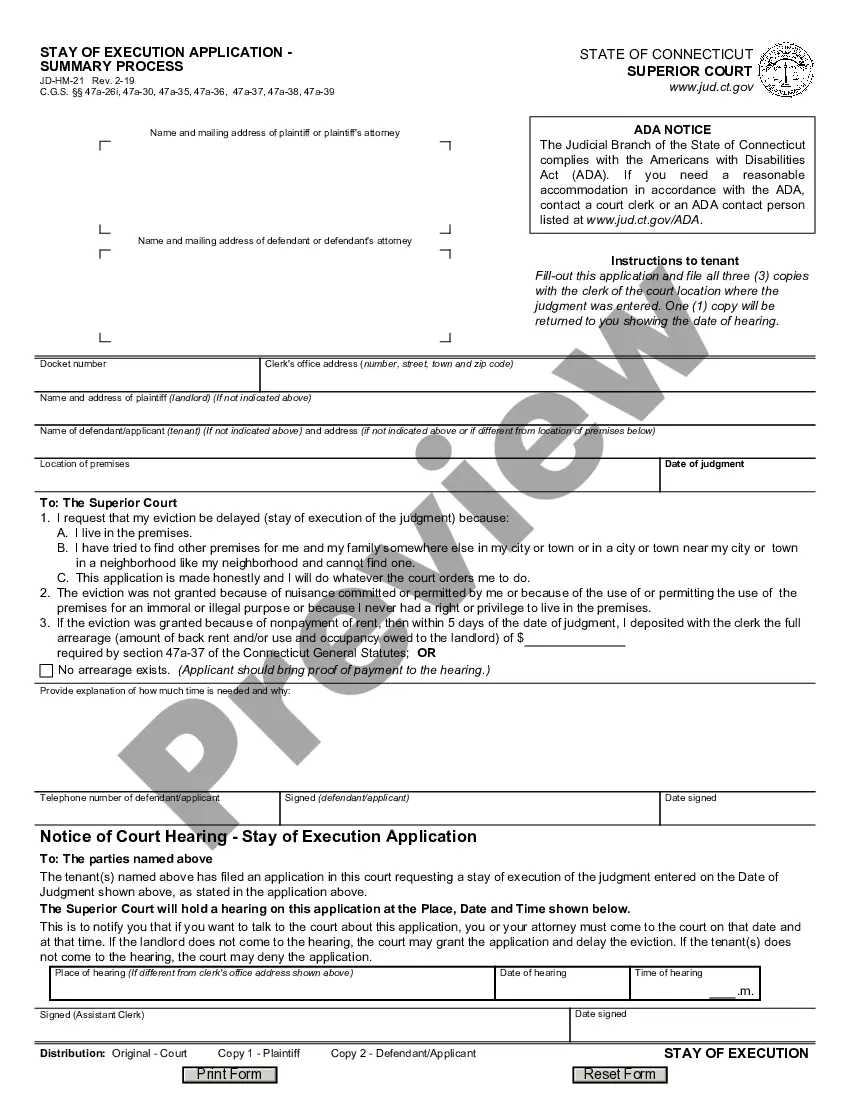
Get your form ready online
Our built-in tools help you complete, sign, share, and store your documents in one place.
Make edits, fill in missing information, and update formatting in US Legal Forms—just like you would in MS Word.
Download a copy, print it, send it by email, or mail it via USPS—whatever works best for your next step.
Sign and collect signatures with our SignNow integration. Send to multiple recipients, set reminders, and more. Go Premium to unlock E-Sign.
If this form requires notarization, complete it online through a secure video call—no need to meet a notary in person or wait for an appointment.
We protect your documents and personal data by following strict security and privacy standards.

Make edits, fill in missing information, and update formatting in US Legal Forms—just like you would in MS Word.

Download a copy, print it, send it by email, or mail it via USPS—whatever works best for your next step.

Sign and collect signatures with our SignNow integration. Send to multiple recipients, set reminders, and more. Go Premium to unlock E-Sign.

If this form requires notarization, complete it online through a secure video call—no need to meet a notary in person or wait for an appointment.

We protect your documents and personal data by following strict security and privacy standards.
Looking for another form?


Form popularity
FAQ
You may be able to sue your insurance company for bad faith if they intentionally neglect to perform the duties necessary ing to your policy. If the insurance company knows that the claim is valid but they deny it anyway, you may be able to sue for bad faith.
In insurance, negligence is the failure to take reasonable action to prevent damage or harm to either a person or property. Get a quote.
If you've found yourself in this situation and are considering legal action, you might be wondering if you can sue an insurance company without hiring a lawyer. It is definitely possible, but it's essential to understand the potential challenges and complexities involved.
If you REALLY want to threaten to sue, you've got to do it the right way. And you're not really threatening. Instead, you're inviting the insurance company to begin negotiating with you. The ONLY way they might reasonably be willing to do that is if you can show them that you're right and they're wrong.
How Much Can You Sue An Insurance Company For? You can generally sue the insurance company for the amount of your damages up to the coverage limits. The coverage limits vary based on the type of insurance involved.
Insurance companies sometimes sue their insured when there are disputes about coverage. An insurance policy is a contract, so courts can be asked to resolve contractual disputes when coverage issues exist.
Attorneys can negotiate with insurers on behalf of claimants, countering lowball offers, advocating for fair settlements, and protecting claimants from coercive tactics.
When answering questions in a deposition, it's essential to stick to what you know and avoid speculating or guessing. If you're not sure of the answer to a question, it's okay to say so. However, you should avoid making assumptions or offering opinions that are not based on fact.
Include the date of the legal statement; the topic of the statement; the date(s) of the topic to be discussed; the basic facts involved in the reasoning for the statement; the identities of all pertinent parties; their connections to the case; and if possible, the signatures of the parties.
(2) Attorneys usually begin their statement with a formal introduction: "Your honor, ladies and gentlemen of the jury, opposing counsel, my name is full name, representing the state or the defendant in this action." The attorneys then turn to the jury and begin their statements.