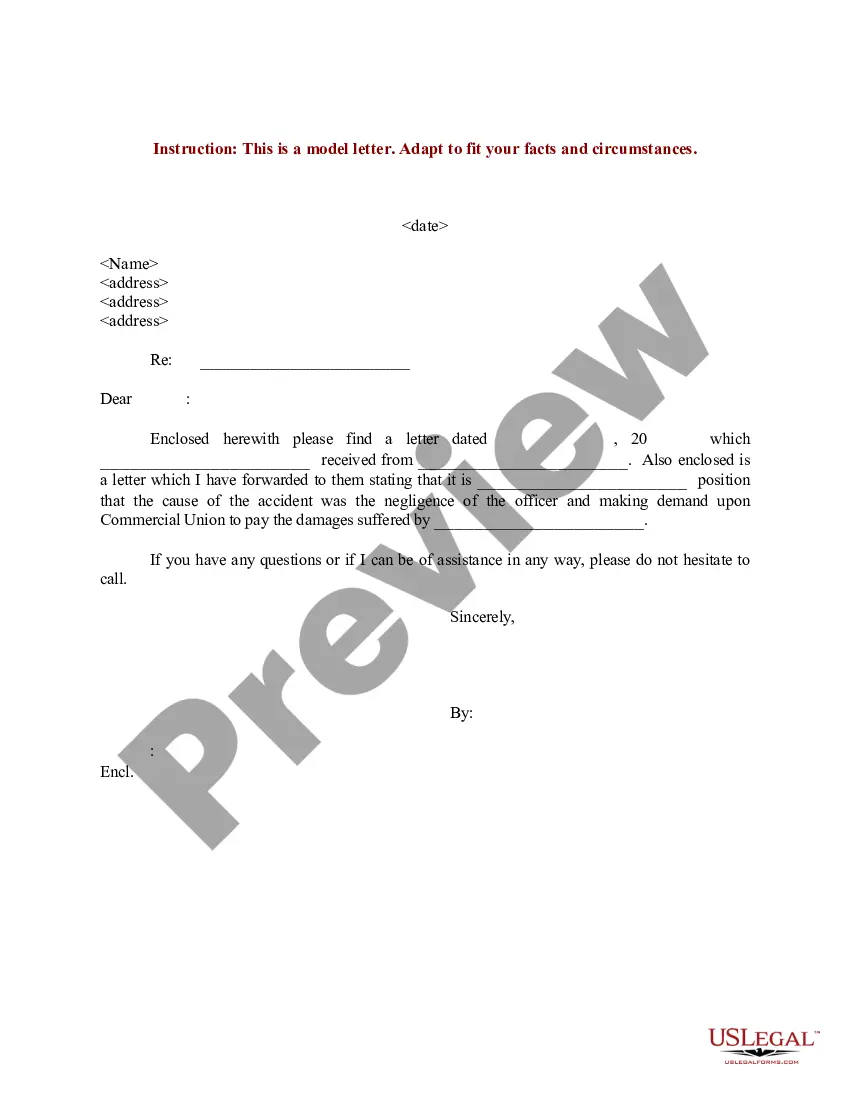
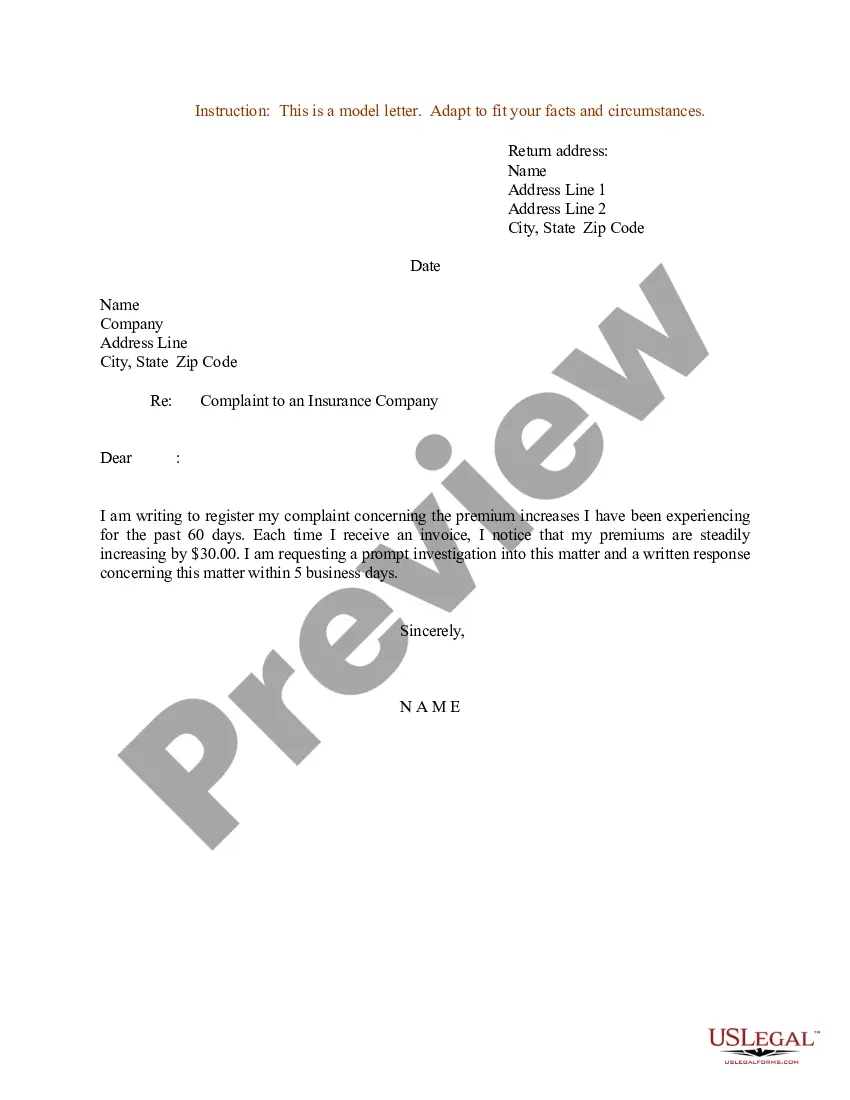
Letter Insurance Form For College In Ohio
Description
Get your form ready online
Our built-in tools help you complete, sign, share, and store your documents in one place.
Make edits, fill in missing information, and update formatting in US Legal Forms—just like you would in MS Word.
Download a copy, print it, send it by email, or mail it via USPS—whatever works best for your next step.
Sign and collect signatures with our SignNow integration. Send to multiple recipients, set reminders, and more. Go Premium to unlock E-Sign.
If this form requires notarization, complete it online through a secure video call—no need to meet a notary in person or wait for an appointment.
We protect your documents and personal data by following strict security and privacy standards.

Make edits, fill in missing information, and update formatting in US Legal Forms—just like you would in MS Word.

Download a copy, print it, send it by email, or mail it via USPS—whatever works best for your next step.

Sign and collect signatures with our SignNow integration. Send to multiple recipients, set reminders, and more. Go Premium to unlock E-Sign.

If this form requires notarization, complete it online through a secure video call—no need to meet a notary in person or wait for an appointment.

We protect your documents and personal data by following strict security and privacy standards.
Looking for another form?
Form popularity
FAQ
A homeowners insurance declarations page is a document provided by your insurance company that summarizes the coverage provided by your homeowners insurance policy. It contains all the most pertinent information regarding your home insurance.
The application provides the insurance company with necessary information regarding the insured's age, address, health history and other factors. This information is important so that the insurance company can properly determine if the applicant meets their underwriting rules and can determine the proper premium.
Your insurance company will send your declarations page to you via email, fax, or regular mail as soon as you buy your policy. Many insurers also allow you to access your insurance declarations page online.
You'll find it at the beginning of your policy documents, which you may receive by email, fax, or regular mail. It's also becoming more common for insurers to make your declarations page available online through a web portal.
To put it bluntly: a declaration page is not the same thing as a certificate of insurance. A declaration page is an internal document for a policyholder's reference, whereas a certificate of insurance is an external-facing document used to present evidence of insurance coverage to or for third parties.
It is mandatory for the insured person to sign the application so that it can be ascertained that the insured person agrees with the policy.
The application provides the insurance company with necessary information regarding the insured's age, address, health history and other factors. This information is important so that the insurance company can properly determine if the applicant meets their underwriting rules and can determine the proper premium.
A certificate of insurance form establishes proof of insurance and summarizes your coverage on one page. Here's how to read and use a certificate of insurance.