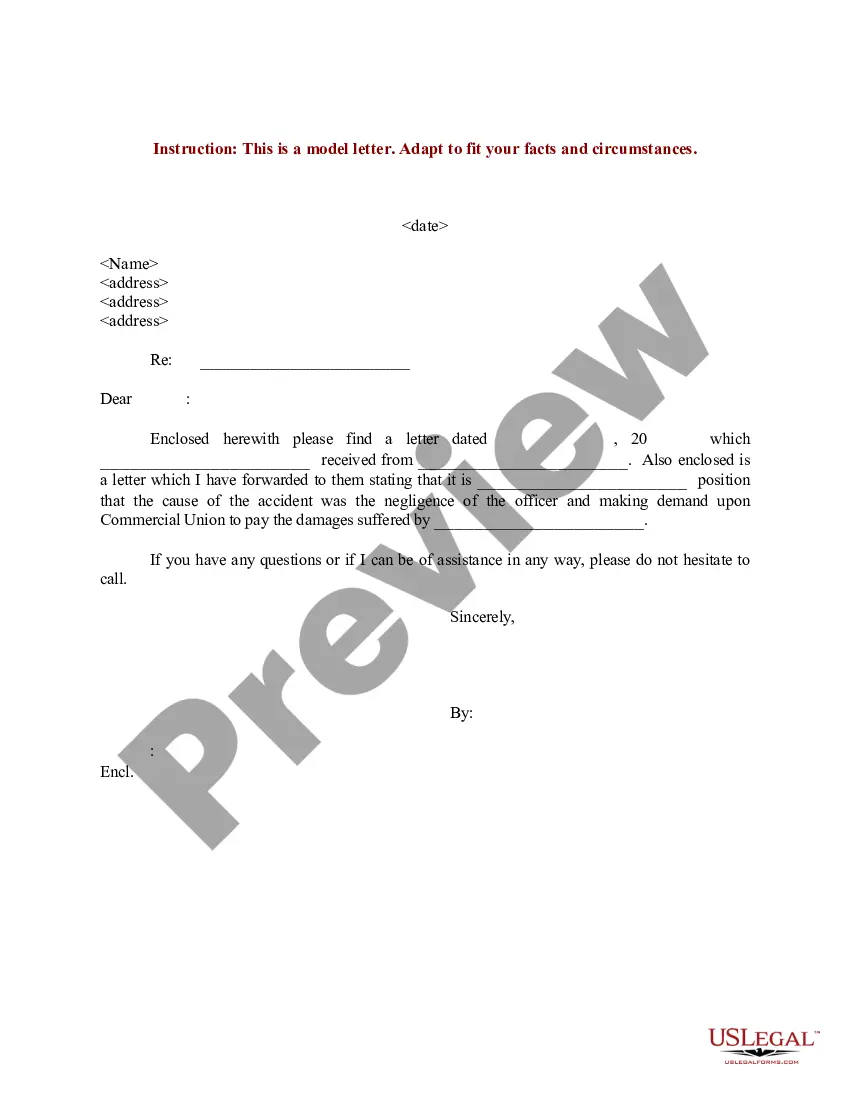
Letter Insurance Form For Motor In Nevada
Description
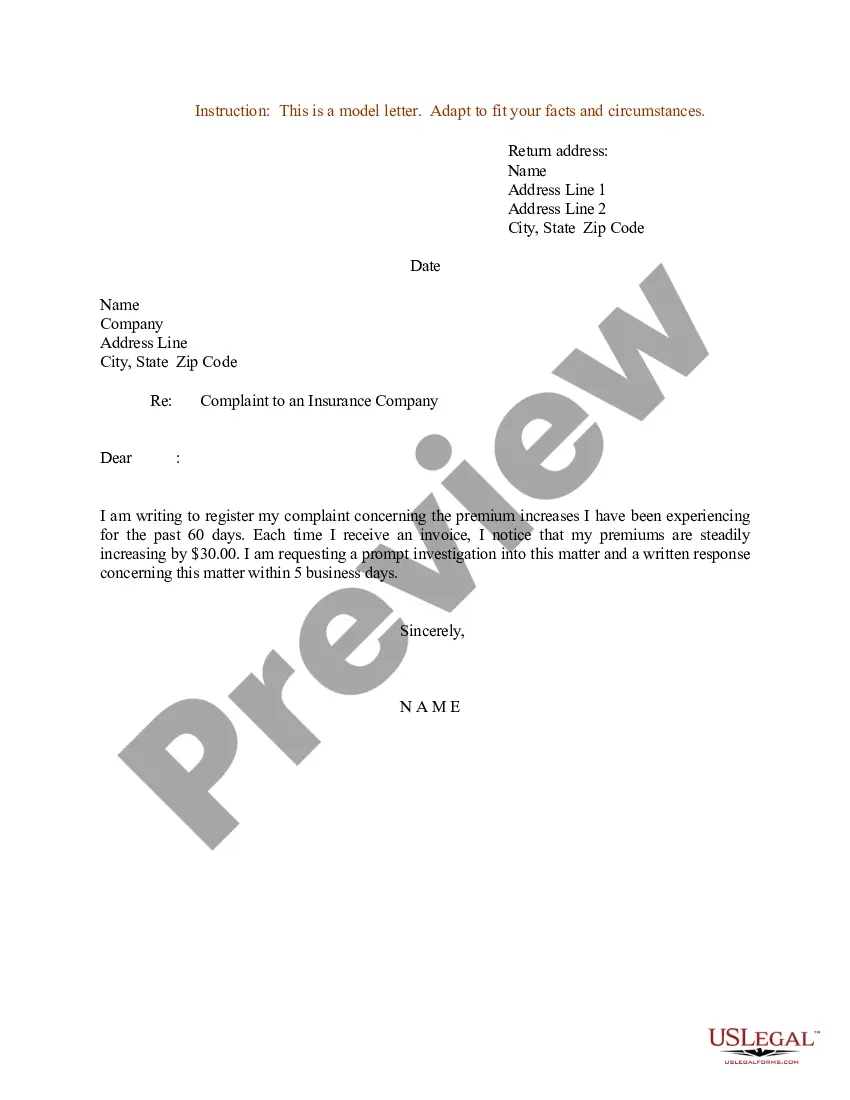
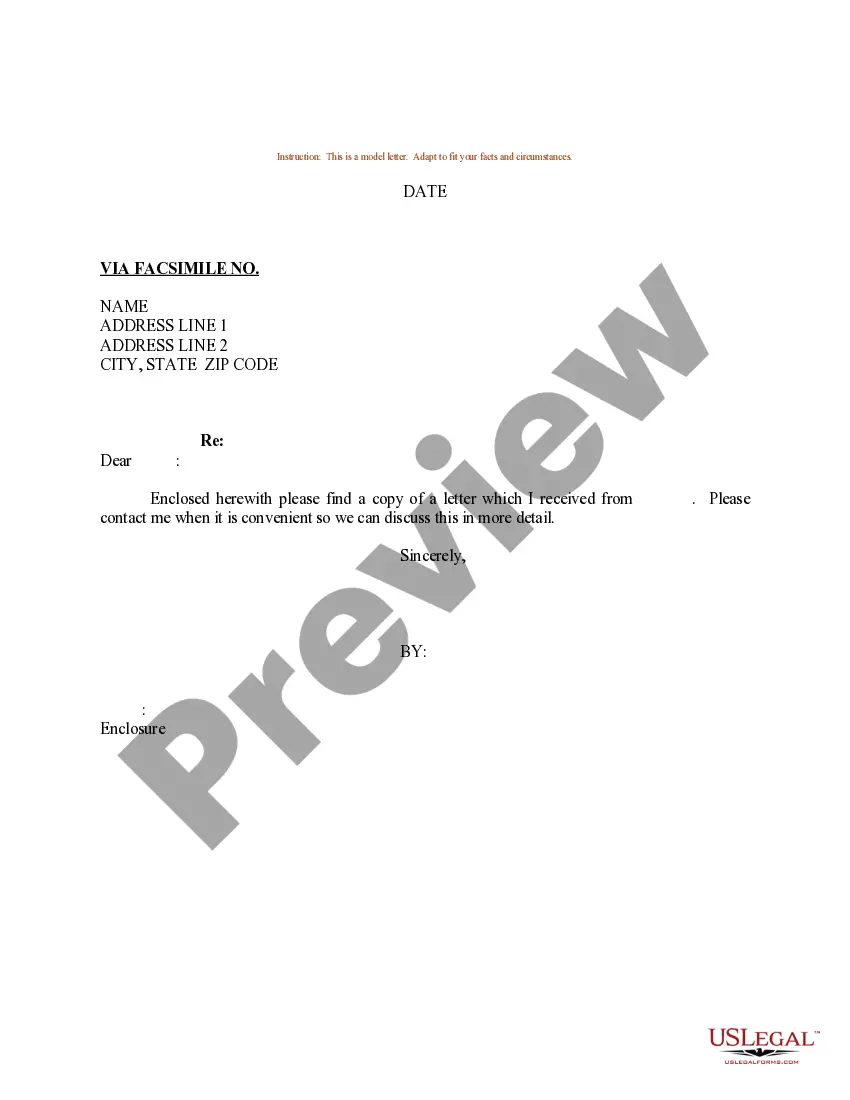
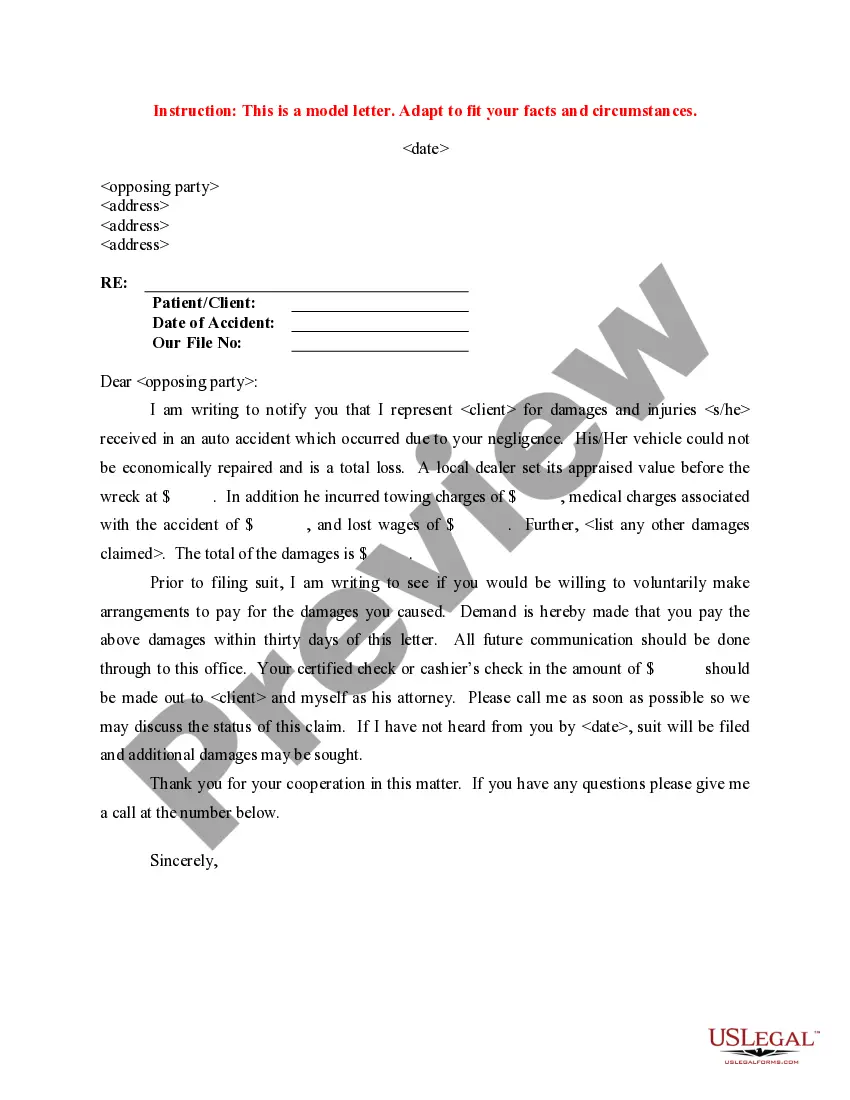
Get your form ready online
Our built-in tools help you complete, sign, share, and store your documents in one place.
Make edits, fill in missing information, and update formatting in US Legal Forms—just like you would in MS Word.
Download a copy, print it, send it by email, or mail it via USPS—whatever works best for your next step.
Sign and collect signatures with our SignNow integration. Send to multiple recipients, set reminders, and more. Go Premium to unlock E-Sign.
If this form requires notarization, complete it online through a secure video call—no need to meet a notary in person or wait for an appointment.
We protect your documents and personal data by following strict security and privacy standards.

Make edits, fill in missing information, and update formatting in US Legal Forms—just like you would in MS Word.

Download a copy, print it, send it by email, or mail it via USPS—whatever works best for your next step.

Sign and collect signatures with our SignNow integration. Send to multiple recipients, set reminders, and more. Go Premium to unlock E-Sign.

If this form requires notarization, complete it online through a secure video call—no need to meet a notary in person or wait for an appointment.

We protect your documents and personal data by following strict security and privacy standards.
Looking for another form?


Form popularity
FAQ
Seeking Official Documentation If you're asked to provide a letter as proof of insurance, contact your insurance company (or employer, if applicable) directly and request such a document. Under no circumstances should you submit a letter that comes from any other source.
An insurance liability letter is a document provided by your auto insurance company that confirms the status of your coverage at the time of a car accident. This letter typically includes: Confirmation of Active Insurance Coverage: Proof that your policy was active on the date of the accident.
Your insurance company will provide you with proof of insurance. It lists the insured vehicles and the name(s) of the insured(s). It also shows the policy number and the dates the policy starts and ends. Keep this card in your car.
Motor Insurance claim process Submit a claim intimation form and inform us about the claim with details about the policy. Submit all the necessary documentsincluding your Registration Certificate (RC) copy, driving license, and a valid identity proof along with the form.
Does Nevada allow Evidence of Insurance to be presented on a cell phone? Yes. Evidence of Insurance may be presented on a printed card or in an electronic format to be displayed on a mobile electronic device. Insurers are not required to provide electronic evidence.
Insurance verification is the process of contacting an insurance provider to confirm an individual's coverage and benefits. Insurance details are generally provided over the phone by an insurance agent, who will relay the policy's status and verify whether the insured individual is covered for the proposed services.
Receiving the letter serves as an indicator to the insured that the claim may be denied, or that the information provided in the original claim triggered questions that need further evaluation. For example, the claim may be incomplete or may contain contradictory information.
Evidence of Insurance may be presented on a printed card or in an electronic format to be displayed on a mobile electronic device. Insurers are not required to provide electronic evidence. However, they must always provide a printed card upon request.
Did you give the buyer the title for the vehicle? Then that's all that needs to be done. The “bill of sale” is primarily for the buyer's records and your own. The transfer of title indicates the sale of the vehicle and the change of ownership.
Nevada Auto Insurance: Required Coverage The state of Nevada requires at least the following car insurance coverage for the legal operation of a motor vehicle: Bodily injury liability coverage: $25,000 per person and $50,000 per accident. Property damage liability coverage: $50,000.