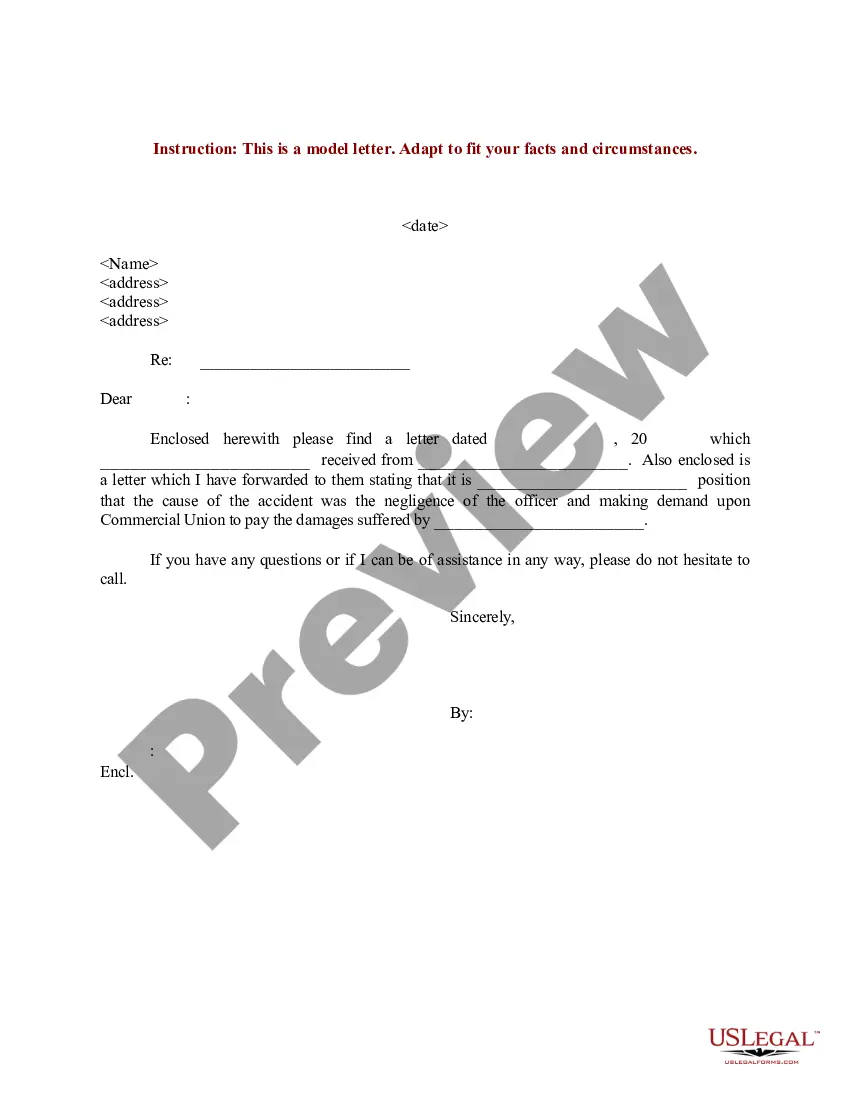
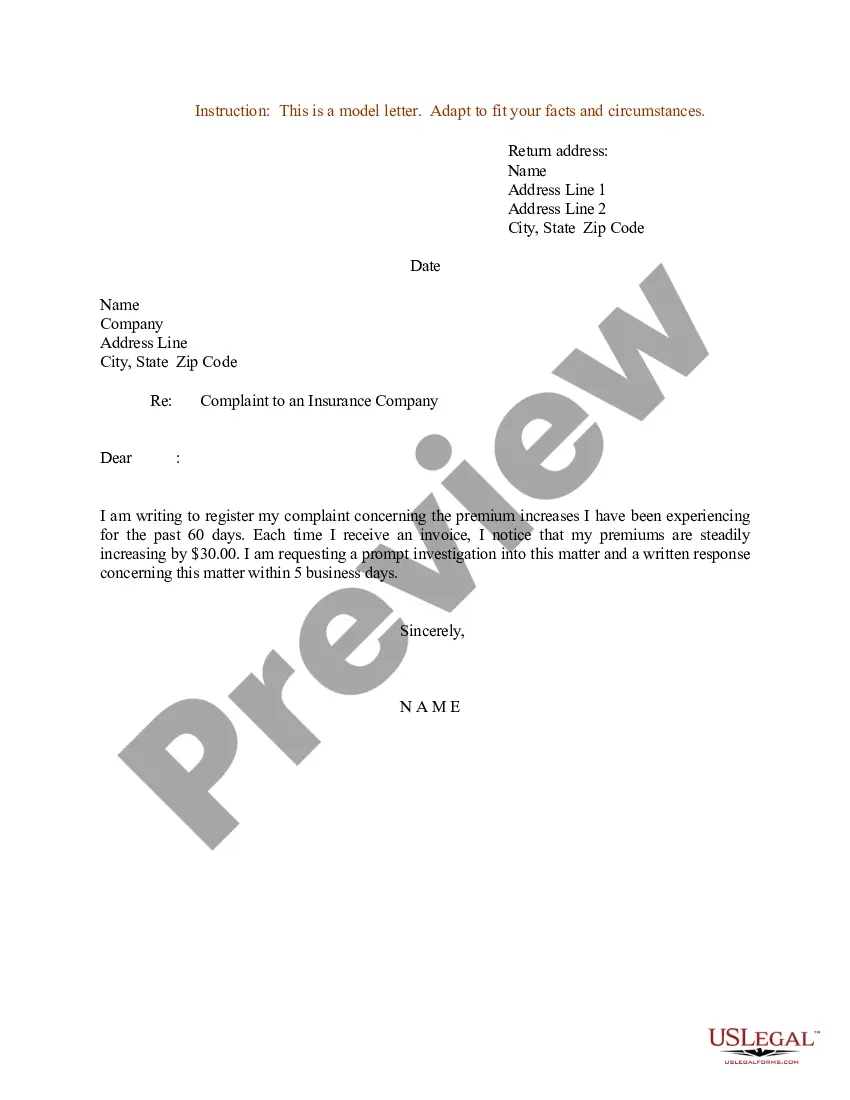
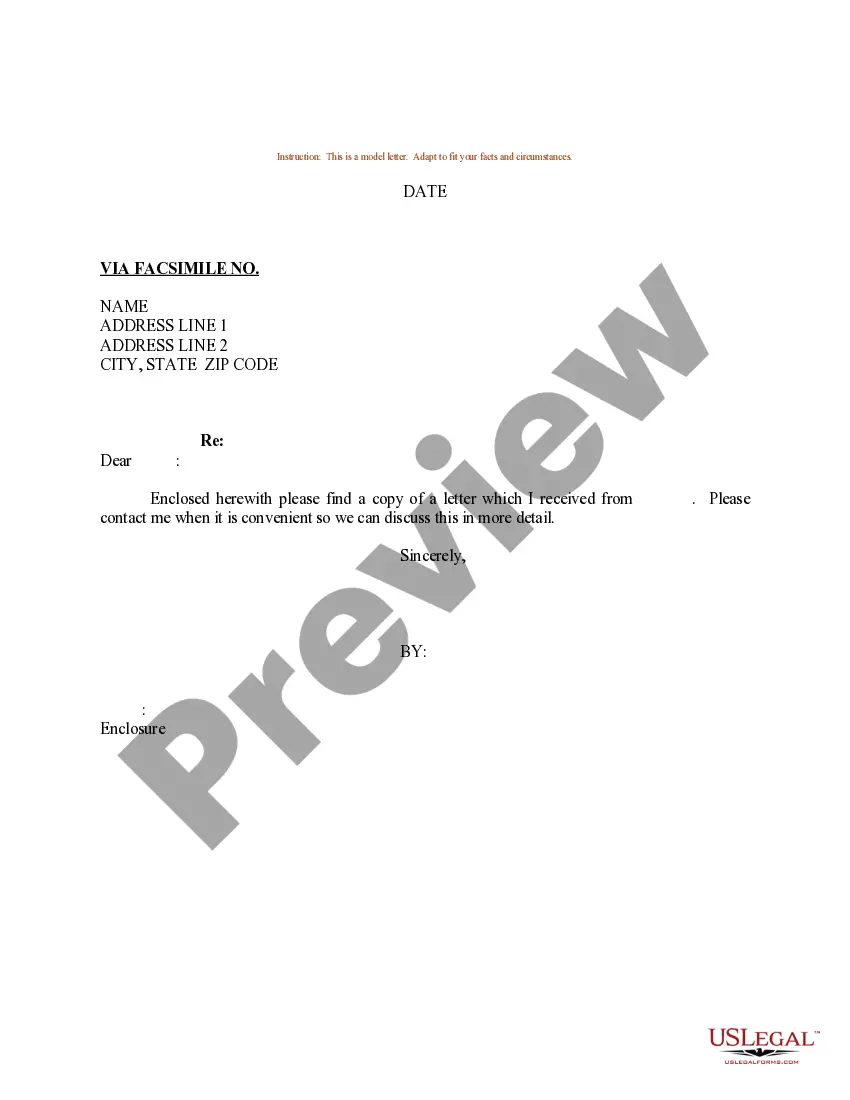
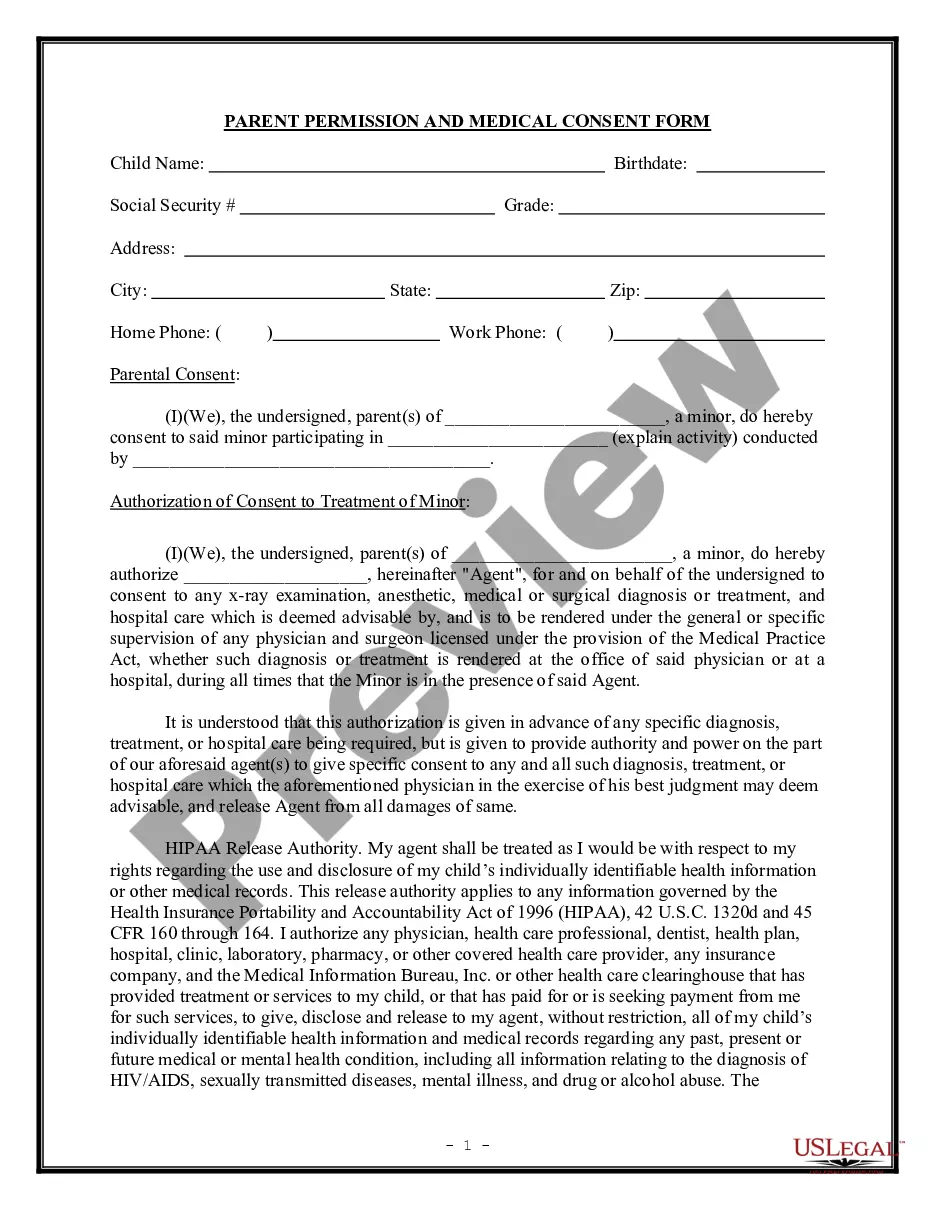
Letter Insurance Form For Business In Minnesota
Description
Get your form ready online
Our built-in tools help you complete, sign, share, and store your documents in one place.
Make edits, fill in missing information, and update formatting in US Legal Forms—just like you would in MS Word.
Download a copy, print it, send it by email, or mail it via USPS—whatever works best for your next step.
Sign and collect signatures with our SignNow integration. Send to multiple recipients, set reminders, and more. Go Premium to unlock E-Sign.
If this form requires notarization, complete it online through a secure video call—no need to meet a notary in person or wait for an appointment.
We protect your documents and personal data by following strict security and privacy standards.

Make edits, fill in missing information, and update formatting in US Legal Forms—just like you would in MS Word.

Download a copy, print it, send it by email, or mail it via USPS—whatever works best for your next step.

Sign and collect signatures with our SignNow integration. Send to multiple recipients, set reminders, and more. Go Premium to unlock E-Sign.

If this form requires notarization, complete it online through a secure video call—no need to meet a notary in person or wait for an appointment.

We protect your documents and personal data by following strict security and privacy standards.
Looking for another form?

Form popularity
FAQ
Key Takeaways. A certificate of insurance (COI) is issued by an insurance company or broker and verifies the existence of an insurance policy. Small business owners and contractors typically require a COI that grants protection against liability for workplace accidents or injuries to conduct business.
A certificate of insurance (COI) form provides proof of liability insurance coverage for your small business. To acquire a COI, you must first buy a business insurance policy. After the policy has been issued, most certificates of insurance are available online.
To request a COI insurance for vendor insurance verification, you'll need to send a formal COI request form, which acts as an official ask for a service provider to work with their insurer to produce the relevant COI document to return to you.
Without a COI, businesses may be reluctant to do business with you. That's because if something goes wrong and you don't have the proper insurance coverage in place, you could be held liable.
In most cases, you can get your documents by contacting your insurer directly and asking them to send your insurance certificate either via email or post. You may also want to consider sending your insurance provider an insurance questionnaire to fill out on your behalf.
What Are Certificates of Insurance? A certificate of insurance (COI) is a document from an insurer to show you have business insurance. They're also known as certificates of liability insurance or proof of insurance. With a COI, your clients can make sure you have the right insurance before they start working with you.
Key Takeaways. A certificate of insurance (COI) is issued by an insurance company or broker and verifies the existence of an insurance policy. Small business owners and contractors typically require a COI that grants protection against liability for workplace accidents or injuries to conduct business.
A certificate of liability insurance is a document that proves your company has liability coverage. Your insurer issues you this certificate with your insurance policy – and you can also download a copy online whenever you need it.
When you need to verify a contractor's insurance, reach out to them, their insurance agent, or their insurance company for a COI.