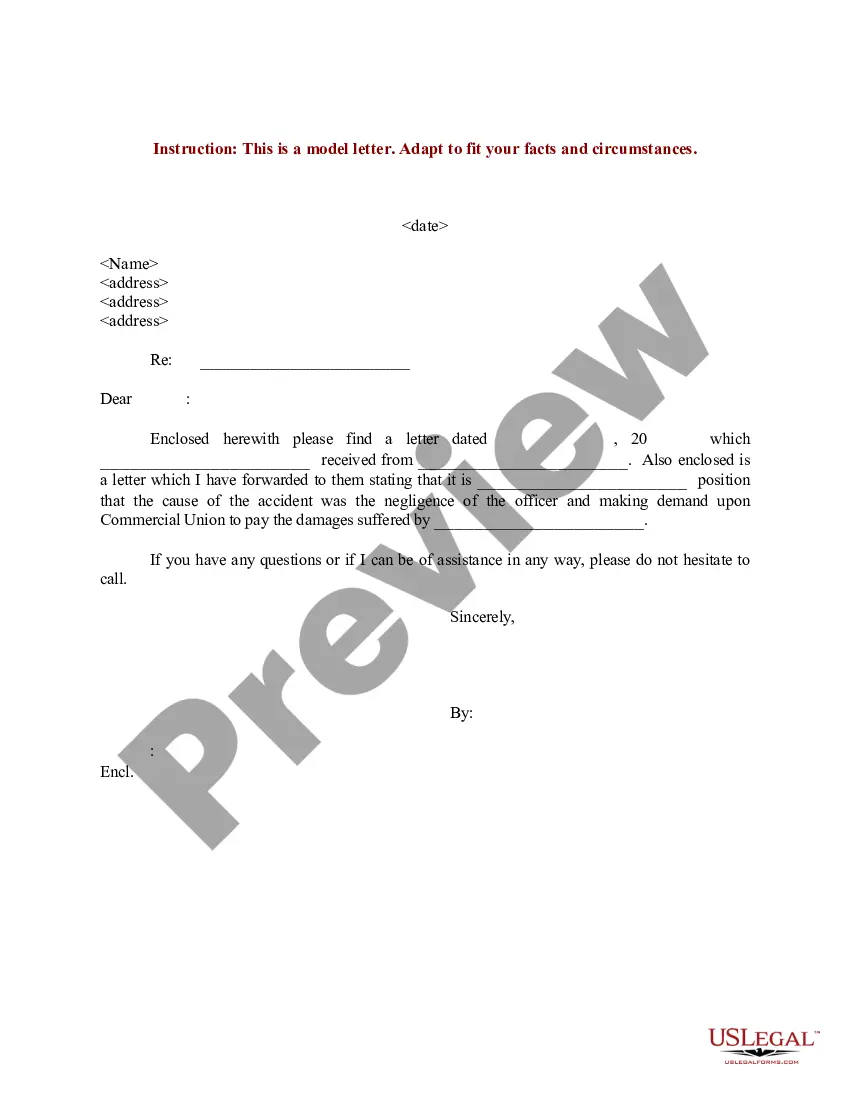
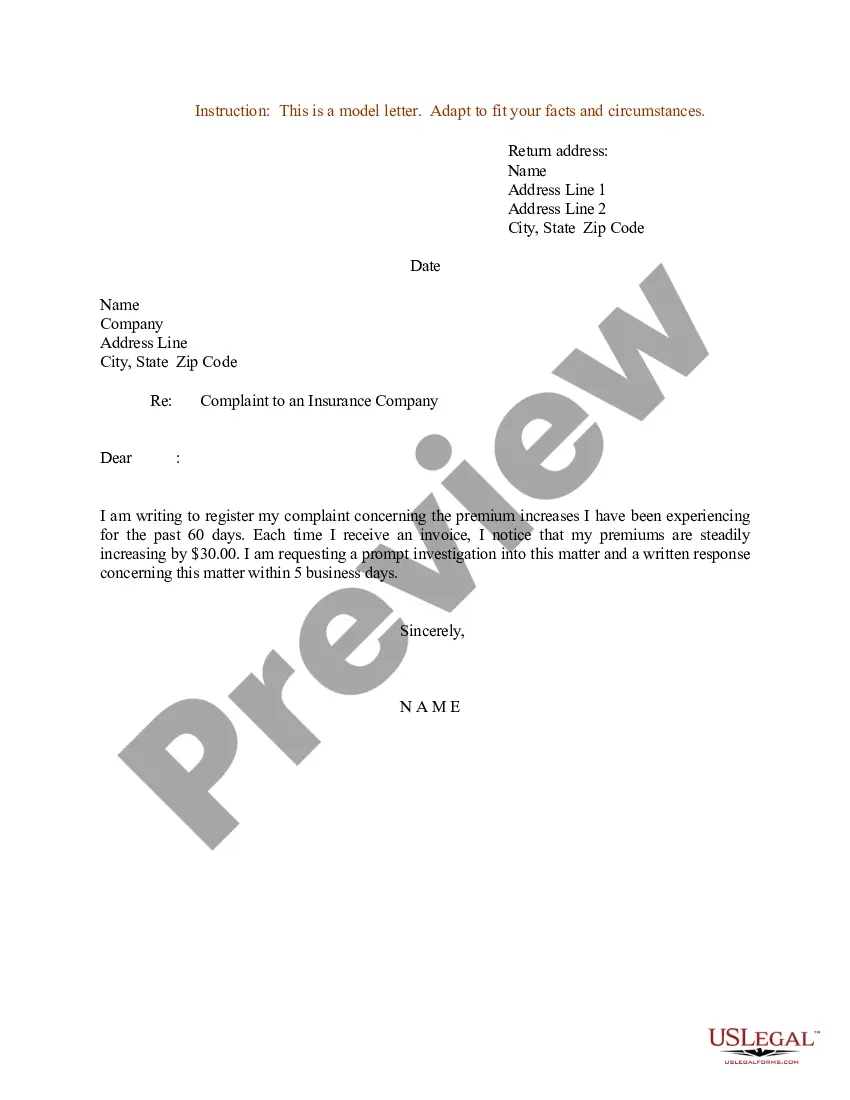
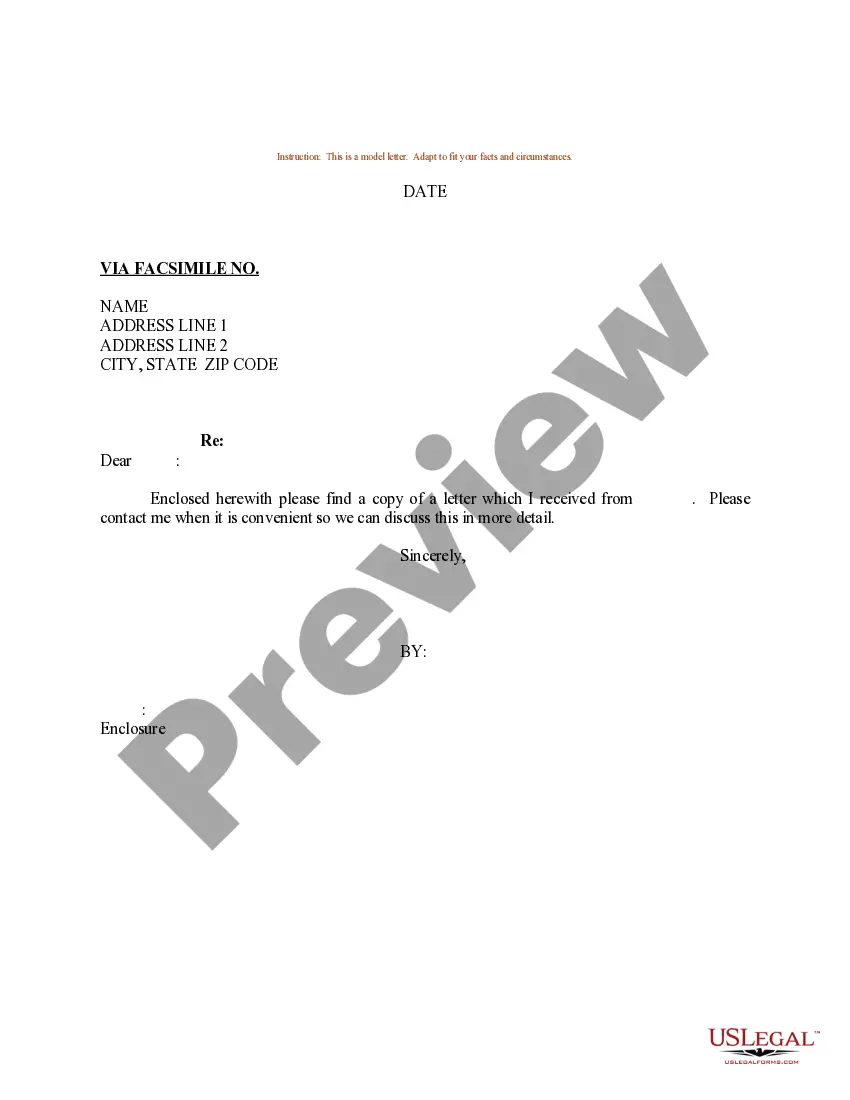
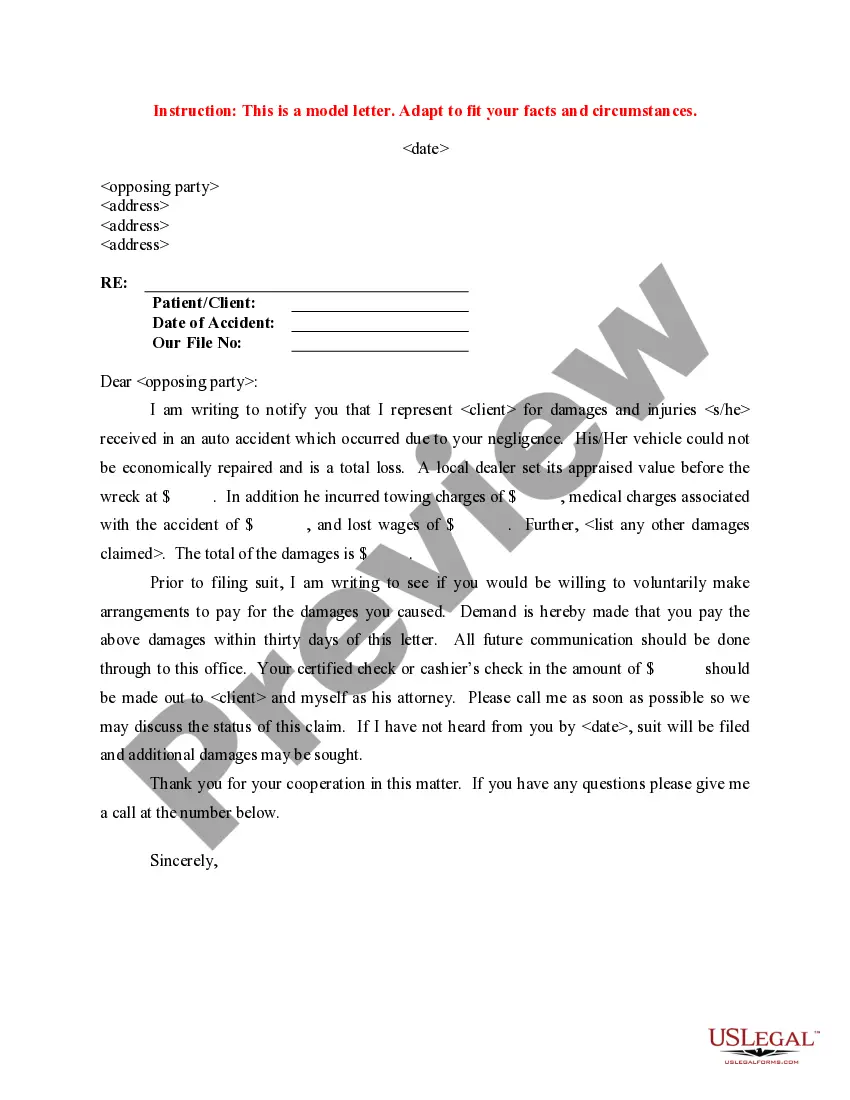
Letter Insurance Form For Submission In King
Description
Get your form ready online
Our built-in tools help you complete, sign, share, and store your documents in one place.
Make edits, fill in missing information, and update formatting in US Legal Forms—just like you would in MS Word.
Download a copy, print it, send it by email, or mail it via USPS—whatever works best for your next step.
Sign and collect signatures with our SignNow integration. Send to multiple recipients, set reminders, and more. Go Premium to unlock E-Sign.
If this form requires notarization, complete it online through a secure video call—no need to meet a notary in person or wait for an appointment.
We protect your documents and personal data by following strict security and privacy standards.

Make edits, fill in missing information, and update formatting in US Legal Forms—just like you would in MS Word.

Download a copy, print it, send it by email, or mail it via USPS—whatever works best for your next step.

Sign and collect signatures with our SignNow integration. Send to multiple recipients, set reminders, and more. Go Premium to unlock E-Sign.

If this form requires notarization, complete it online through a secure video call—no need to meet a notary in person or wait for an appointment.

We protect your documents and personal data by following strict security and privacy standards.
Looking for another form?






Form popularity
FAQ
Conclusion: Going to small claims court may be worth it for $500, but it will determine how you weigh your costs versus benefits. At a minimum, it is worth it to send a demand letter.
Any individual may file a small claims suit. Small claims filed by a “natural person” (a human individual) are limited to no more than $10,000. Small claims filed by anyone other than a “natural person” (may be a business, partnership, or corporation in many cases) are limited to no more than $5,000.
Any individual may file a small claims suit. Small claims filed by a “natural person” (a human individual) are limited to no more than $10,000. Small claims filed by anyone other than a “natural person” (may be a business, partnership, or corporation in many cases) are limited to no more than $5,000.
Motion papers must be filed with the E-file/Motion Support Office located in Room 227, Ex Parte Office located on the 10th Floor, Foreclosure Part Office located Room 295, OR in the Guardianship/Mental Hygiene Office located in Room 285 (see Note #2), at 360 Adams Street at least five (5) business days before the ...
Contact your insurance company Whether you file your car insurance claim over the phone, online, through a mobile app, or with an agent, your insurer will likely request the following details: Location, date, and time of accident. Name, address, phone number, and insurance policy number for all involved in the accident.
Typical sections of a claim form: Personal information like your name, address and date of birth. Insurance information such as a policy and group number. Reason for your visit including background information about your condition. Provider information including the doctor's name and address.
Generally, you will need to provide personal details and policy information, as well as details about the incident. Your insurer will give instructions on how to fill out the form correctly. In case of any doubts, you can contact their insurer's customer services team to seek assistance.
Step-by-Step Guide to Writing an Insurance Claim Letter Gather Information and Documentation: Start with Personal and Insurance Company Details: Introduce Your Claim: Describe the Incident: Detail Your Claim: Conclude with a Call to Action:
A health insurance claim form has two sections, i.e., Part A and Part B. While Part A is to be filled out by the policyholder, Part B is for the hospital. 2. In Part A of the form, you must fill out your name, residential address, policy number, email ID, phone number, medical history, details of hospitalisation, etc.