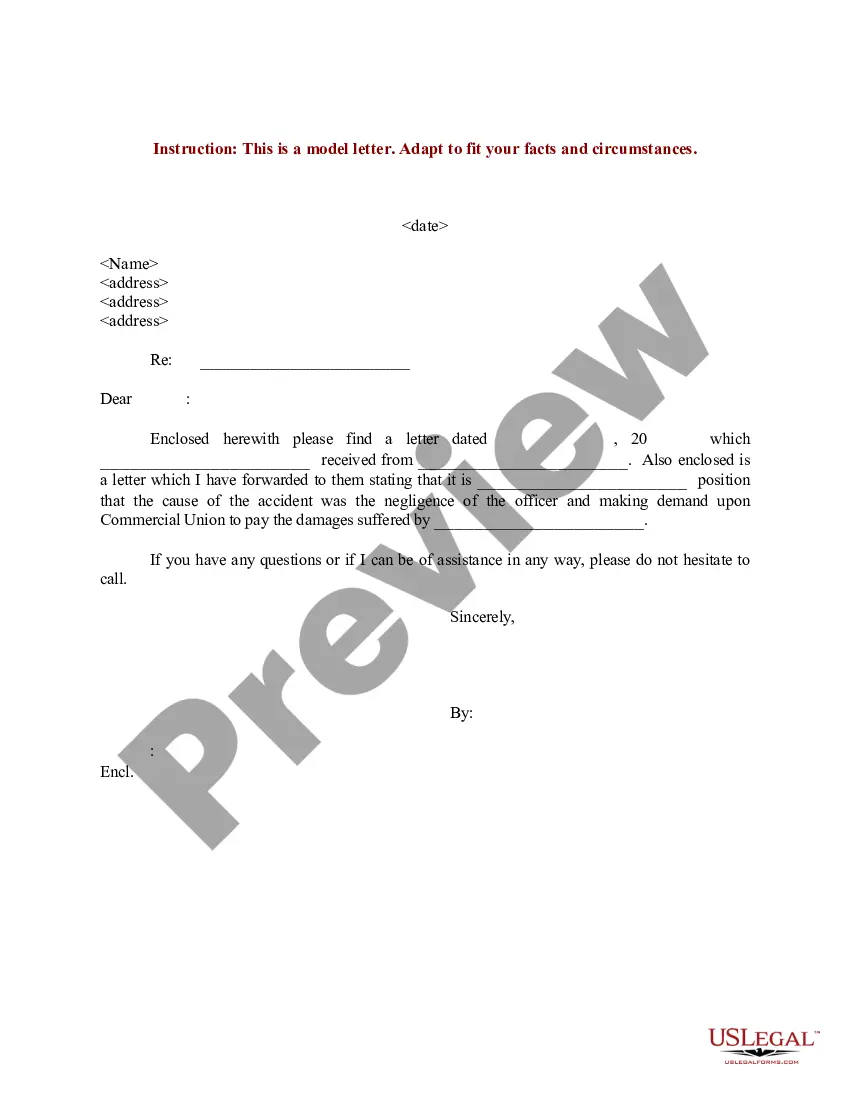
Letter Insurance Form For Submission In Cook
Description
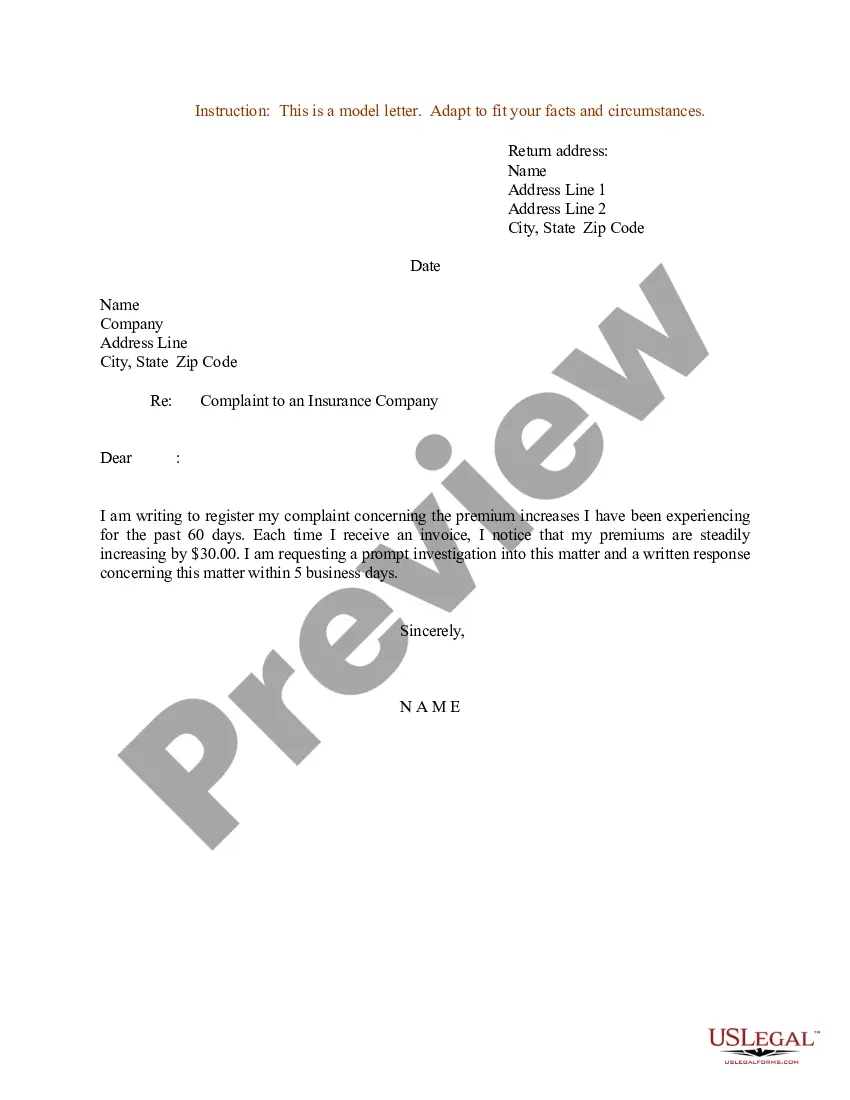
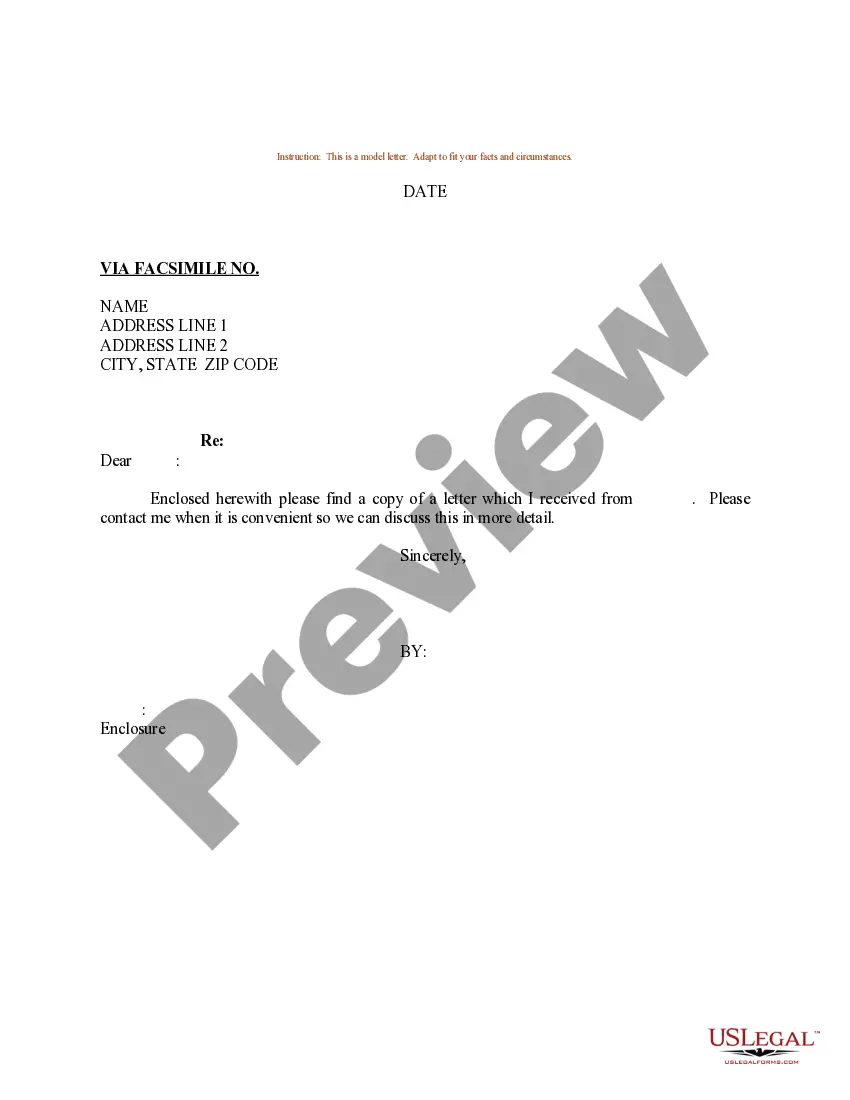
Get your form ready online
Our built-in tools help you complete, sign, share, and store your documents in one place.
Make edits, fill in missing information, and update formatting in US Legal Forms—just like you would in MS Word.
Download a copy, print it, send it by email, or mail it via USPS—whatever works best for your next step.
Sign and collect signatures with our SignNow integration. Send to multiple recipients, set reminders, and more. Go Premium to unlock E-Sign.
If this form requires notarization, complete it online through a secure video call—no need to meet a notary in person or wait for an appointment.
We protect your documents and personal data by following strict security and privacy standards.

Make edits, fill in missing information, and update formatting in US Legal Forms—just like you would in MS Word.

Download a copy, print it, send it by email, or mail it via USPS—whatever works best for your next step.

Sign and collect signatures with our SignNow integration. Send to multiple recipients, set reminders, and more. Go Premium to unlock E-Sign.

If this form requires notarization, complete it online through a secure video call—no need to meet a notary in person or wait for an appointment.

We protect your documents and personal data by following strict security and privacy standards.
Looking for another form?

Form popularity
FAQ
Assignment of Benefits (AOB) is an agreement that transfers the insurance claims rights or benefits of the policy to a third party. An AOB gives the third party authority to file a claim, make repair decisions, and collect insurance payments without the involvement of the homeowner.
What is a certificate of coverage (CoC)? A certificate of coverage (CoC) is a contract that lists an individual's health insurance coverage with their payor. The CoC details the health benefits the beneficiary and their dependents have under their plan.
The assignment of benefits (AOB) is undoubtedly one of the most significant legal documents that make up the healthcare system. It is an agreement conveying the medical professional's right to claim medical services and obtain benefits from the patient's insurance plan.
Step-by-Step Guide to Writing an Insurance Claim Letter Gather Information and Documentation: Start with Personal and Insurance Company Details: Introduce Your Claim: Describe the Incident: Detail Your Claim: Conclude with a Call to Action:
Ask your provider for the Provider Information or have them fill it out for you. Keep a copy of the form, claim details and receipts for your records. Send the claim as soon as possible, and as close to the date of service as possible. Complete a separate form for each claim.
Proof of insurance is documentation from your insurer proving you have an active insurance policy that meets state requirements. It's used when you're pulled over, in an accident, leasing a vehicle, or otherwise requested to show it.
Please call 646-381-8851 to verify eligibility and detail benefit information. If it is after business hours, you can still verify eligibility coverage through our Interactive Voice Response (IVR) system at 646-381-8851. Members can also access their benefit information at .dhclaims.
Step-by-Step Guide to Writing an Insurance Claim Letter Gather Information and Documentation: Start with Personal and Insurance Company Details: Introduce Your Claim: Describe the Incident: Detail Your Claim: Conclude with a Call to Action:
Most insurance companies will allow you to file a claim online or through a mobile app, by phone with one of their agents, or by filling out a claims form and sending it to them via email or fax.
Generally, you will need to provide personal details and policy information, as well as details about the incident. Your insurer will give instructions on how to fill out the form correctly. In case of any doubts, you can contact their insurer's customer services team to seek assistance.