360 Review Cost In Santa Clara
Description

Get your form ready online
Our built-in tools help you complete, sign, share, and store your documents in one place.
Make edits, fill in missing information, and update formatting in US Legal Forms—just like you would in MS Word.
Download a copy, print it, send it by email, or mail it via USPS—whatever works best for your next step.
Sign and collect signatures with our SignNow integration. Send to multiple recipients, set reminders, and more. Go Premium to unlock E-Sign.
If this form requires notarization, complete it online through a secure video call—no need to meet a notary in person or wait for an appointment.
We protect your documents and personal data by following strict security and privacy standards.

Make edits, fill in missing information, and update formatting in US Legal Forms—just like you would in MS Word.

Download a copy, print it, send it by email, or mail it via USPS—whatever works best for your next step.

Sign and collect signatures with our SignNow integration. Send to multiple recipients, set reminders, and more. Go Premium to unlock E-Sign.

If this form requires notarization, complete it online through a secure video call—no need to meet a notary in person or wait for an appointment.

We protect your documents and personal data by following strict security and privacy standards.
Looking for another form?


Form popularity
FAQ
Positive feedback is associated with better performance and higher productivity. Sadly, 360-degree feedback often focuses excessively on the negative, with employees typically ignoring their strengths. This usually comes from a place of good intention—employees want to address their weaknesses.
Keep the survey short and direct While it's always tempting to ask dozens upon dozens of questions about every topic you can think of, doing so is guaranteed to cause “survey fatigue.” To increase survey participation and engagement, make sure your 360-review takes no longer than ten minutes to complete.
A 360-degree assessment is a method that systematically collects feedback about an individual's performance from peers, direct reports, colleagues, and superiors within the organization. Overall, it provides a comprehensive, 360-degree view of a leader's strengths and opportunities for growth.
However, 360 reviews can be very quick – read on to learn more. Jack Zenger and Joseph Folkman, co-founders of the leadership development training firm Zenger Folkman believe that the 360 degree assessment should be no longer than 15 to 20 minutes.
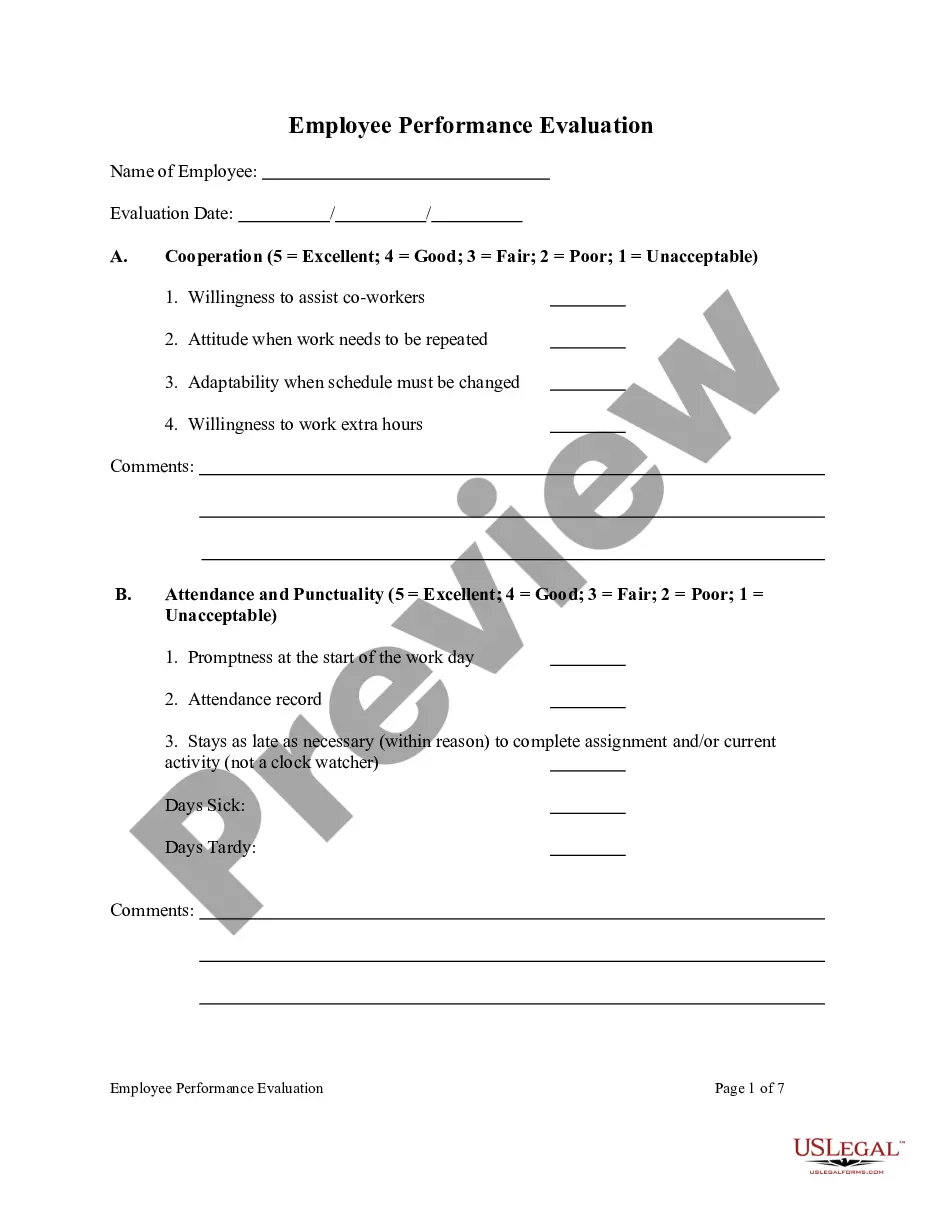
360 Feedback questionnaires measure subjective workplace behaviors and competencies. They provide information on how others perceive a coworker, direct report, or manager. The focus of a 360 evaluation should be on subjective areas such as teamwork, character, communication, and leadership effectiveness.
Feedback from 360 reviews builds trust. “Because the 360 ratings are typically anonymous, people are often more candid than they would be if they were providing the feedback face-to-face,” Thompson noted. “As a result, you can get a very clear sense of how others really perceive you.”
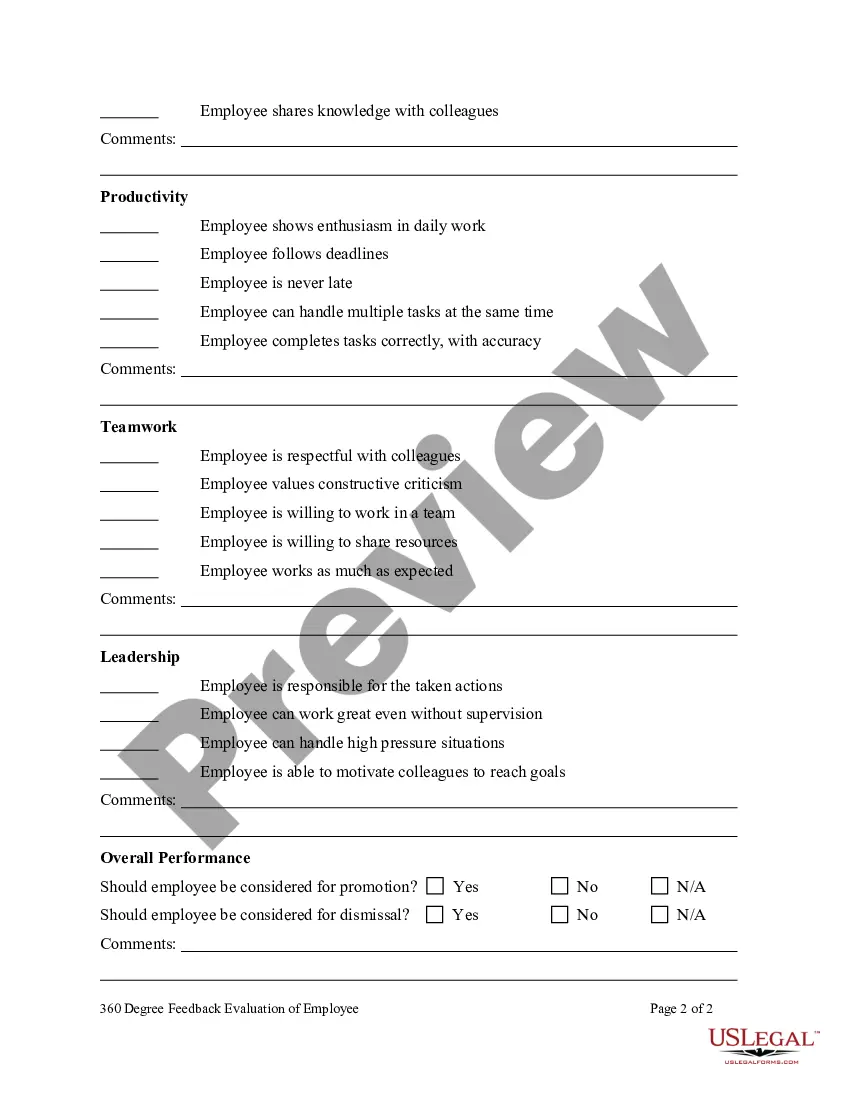
360 degree feedback (also known as multi-source or multi rater feedback assessment) is a way for individuals to understand their personal strengths and weaknesses, using the constructive feedback of others who work with them the most.
Some companies use peer-based review systems as an alternative to the 360-degree review. In this system, feedback is gathered from an employee's peers rather than from managers alone. This approach is believed to provide a more comprehensive and accurate view of an employee's performance.
360° reviews provide an opportunity for individuals to strengthen relationships with the people they work with. Seeing the positive feedback others share about them can create a sense of camaraderie while receiving insight about areas for improvement can help them become better team members.
How to Conduct a 90-Day Review Step 1: Know What You Want to Accomplish. Step 2: Schedule a Specific Time to Conduct the Review. Step 3: Write a One-Page Performance Review. Step 4: Go Over the Performance Review and Ask Questions. Step 5: Follow Up. Other Tips for a Successful Review. Questions About Onboarding.
