Non Disclosure For Employees In Santa Clara
Description

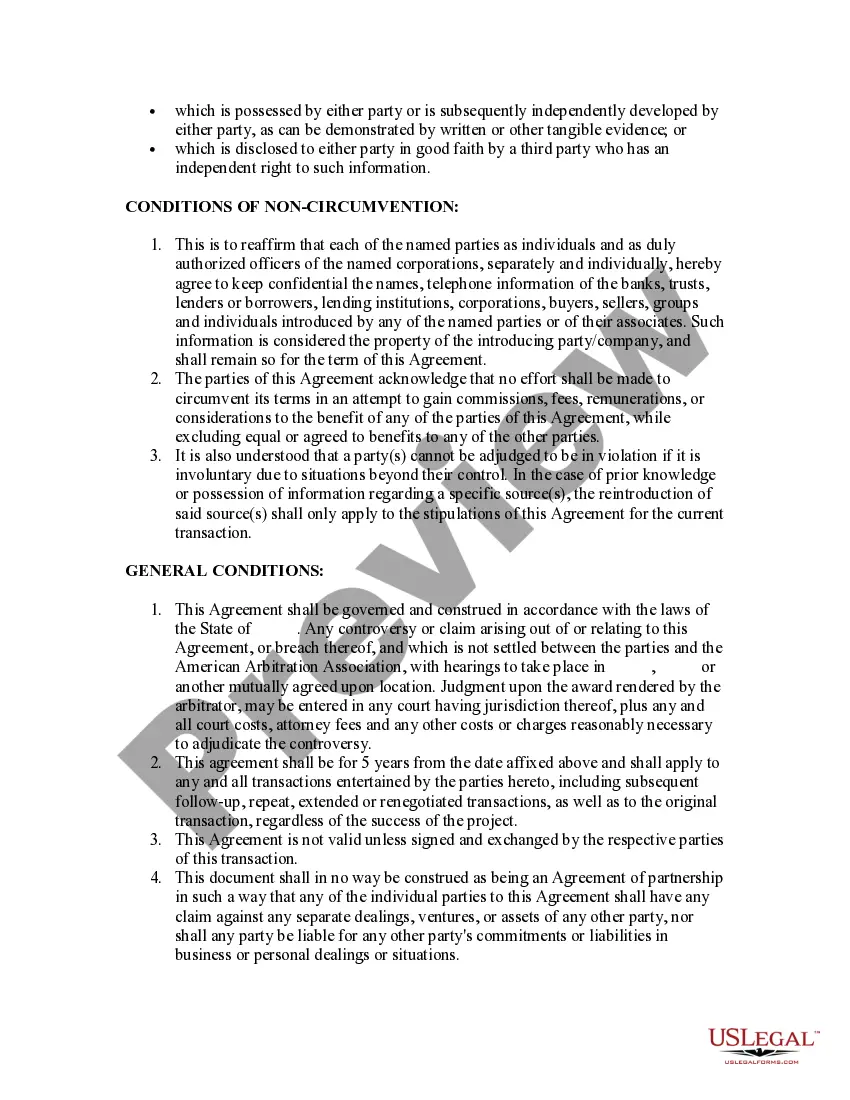
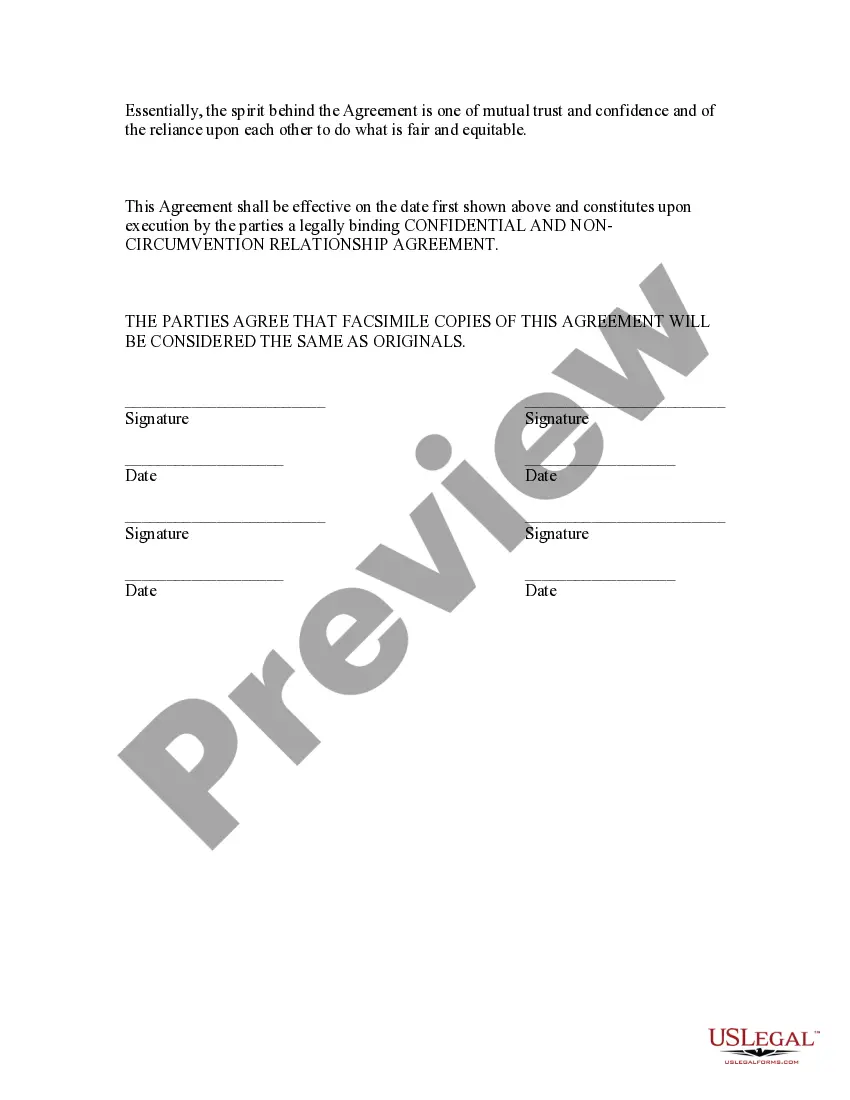
Get your form ready online
Our built-in tools help you complete, sign, share, and store your documents in one place.
Make edits, fill in missing information, and update formatting in US Legal Forms—just like you would in MS Word.
Download a copy, print it, send it by email, or mail it via USPS—whatever works best for your next step.
Sign and collect signatures with our SignNow integration. Send to multiple recipients, set reminders, and more. Go Premium to unlock E-Sign.
If this form requires notarization, complete it online through a secure video call—no need to meet a notary in person or wait for an appointment.
We protect your documents and personal data by following strict security and privacy standards.

Make edits, fill in missing information, and update formatting in US Legal Forms—just like you would in MS Word.

Download a copy, print it, send it by email, or mail it via USPS—whatever works best for your next step.

Sign and collect signatures with our SignNow integration. Send to multiple recipients, set reminders, and more. Go Premium to unlock E-Sign.

If this form requires notarization, complete it online through a secure video call—no need to meet a notary in person or wait for an appointment.

We protect your documents and personal data by following strict security and privacy standards.
Looking for another form?

Form popularity
FAQ
While California imposes strict limitations on NDAs, they are still enforceable in specific scenarios. You can use NDAs to protect: Trade secrets, such as recipes, algorithms, or manufacturing processes. Customer and supplier information.
Possible Remedies and Consequences for NDA Violations If a California NDA is breached, the parties that suffered harm may be able to ask a court to enforce the agreement.
The Speak Out Act (2022) The Speak Outs Act, signed into law by President Biden on December 7, 2022, prohibits the enforcement of NDAs in the case of sexual assault.
NDAs are enforceable when they are signed — if they are properly drafted and executed. NDAs are enforceable once signed, provided they have been drafted and executed properly. Unilateral NDAs need only the signature of the receiving party, whereas mutual non-disclosure agreements need the signatures of both parties.
While California imposes strict limitations on NDAs, they are still enforceable in specific scenarios. You can use NDAs to protect: Trade secrets, such as recipes, algorithms, or manufacturing processes. Customer and supplier information.
Although non-competes are banned by California law, you can still have robust protections for confidential information and trade secrets. These provisions are critical and should be tailored enough to avoid being considered “de facto” non-competes.
In California, a nondisclosure agreement may be enforceable, provided it meets basic criteria. The restrictive covenant must be properly drafted. This entails clear writing, detailed information about the confidential components of the contract, and a clearly stated extent of the confidentiality obligation.
Typically, a legal professional writing the NDA will complete these steps: Step 1 - Describe the scope. Which information is considered confidential? ... Step 2 - Detail party obligations. Step 3 - Note potential exclusions. Step 4 - Set the term. Step 5 - Spell out consequences.
7 Key elements to a non-disclosure agreement Identification of involved parties. Definition of the confidential information. Information ownership. Exclusions not considered confidential. Obligations and requirements of the involved parties. Effective agreement period. Consequences of a breach.
Employee name agrees and acknowledges that any disclosure of any Confidential Information prohibited herein or any breach of the provisions herein may result in irreparable injury and damage to Company namewhich will not be adequately compensable in monetary damages, that Company namewill have no adequate ...
