Non Disclosure Without Consent Rule In Miami-Dade
Description

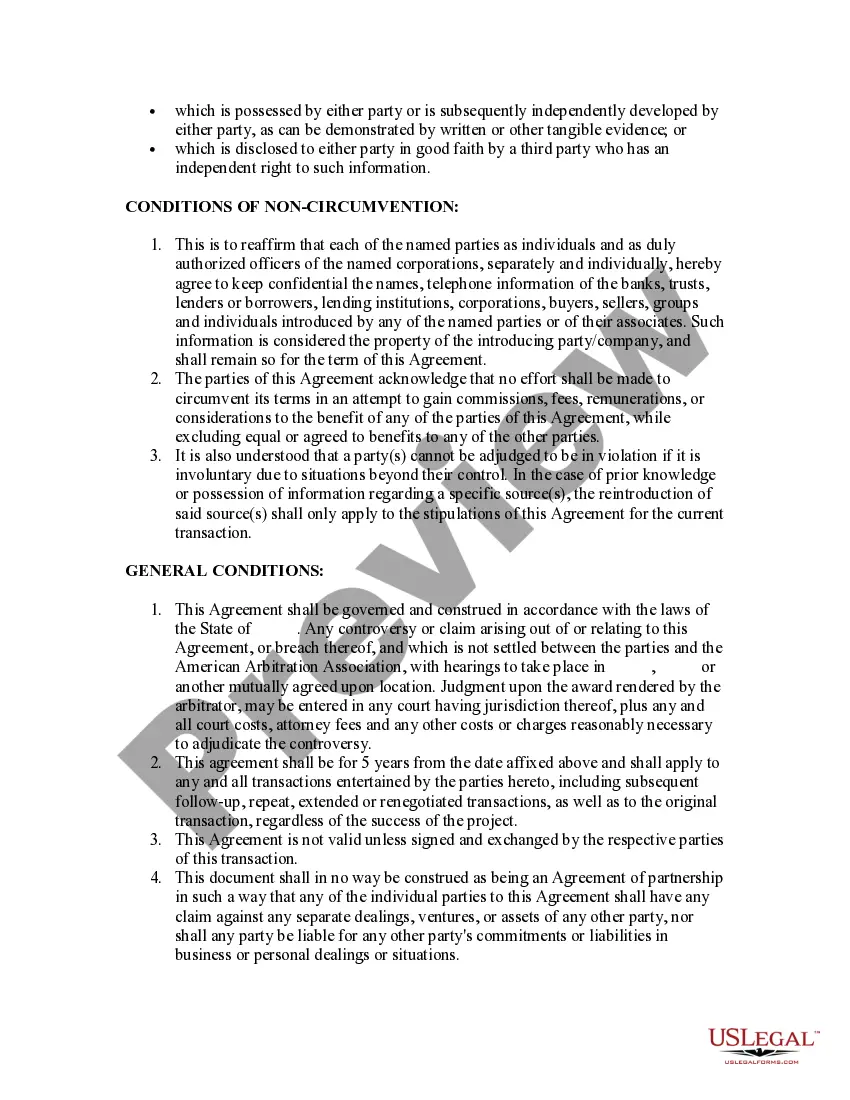
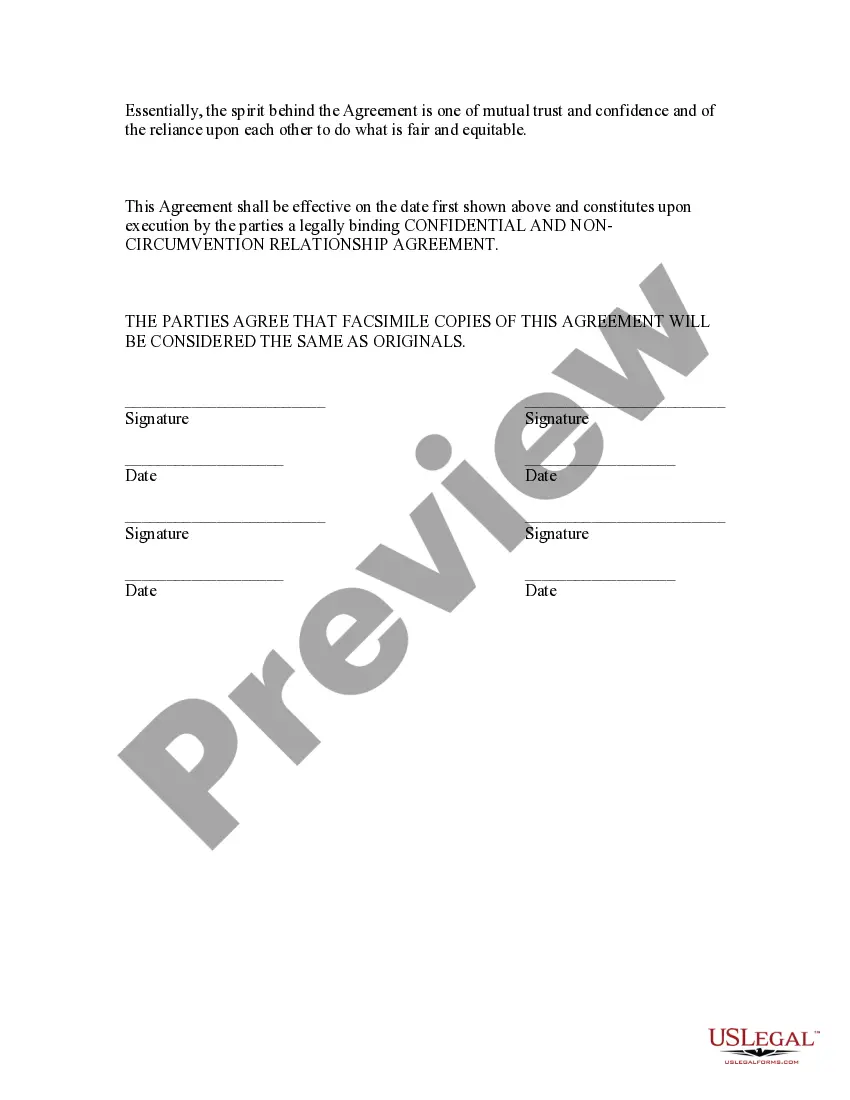
Get your form ready online
Our built-in tools help you complete, sign, share, and store your documents in one place.
Make edits, fill in missing information, and update formatting in US Legal Forms—just like you would in MS Word.
Download a copy, print it, send it by email, or mail it via USPS—whatever works best for your next step.
Sign and collect signatures with our SignNow integration. Send to multiple recipients, set reminders, and more. Go Premium to unlock E-Sign.
If this form requires notarization, complete it online through a secure video call—no need to meet a notary in person or wait for an appointment.
We protect your documents and personal data by following strict security and privacy standards.

Make edits, fill in missing information, and update formatting in US Legal Forms—just like you would in MS Word.

Download a copy, print it, send it by email, or mail it via USPS—whatever works best for your next step.

Sign and collect signatures with our SignNow integration. Send to multiple recipients, set reminders, and more. Go Premium to unlock E-Sign.

If this form requires notarization, complete it online through a secure video call—no need to meet a notary in person or wait for an appointment.

We protect your documents and personal data by following strict security and privacy standards.
Looking for another form?


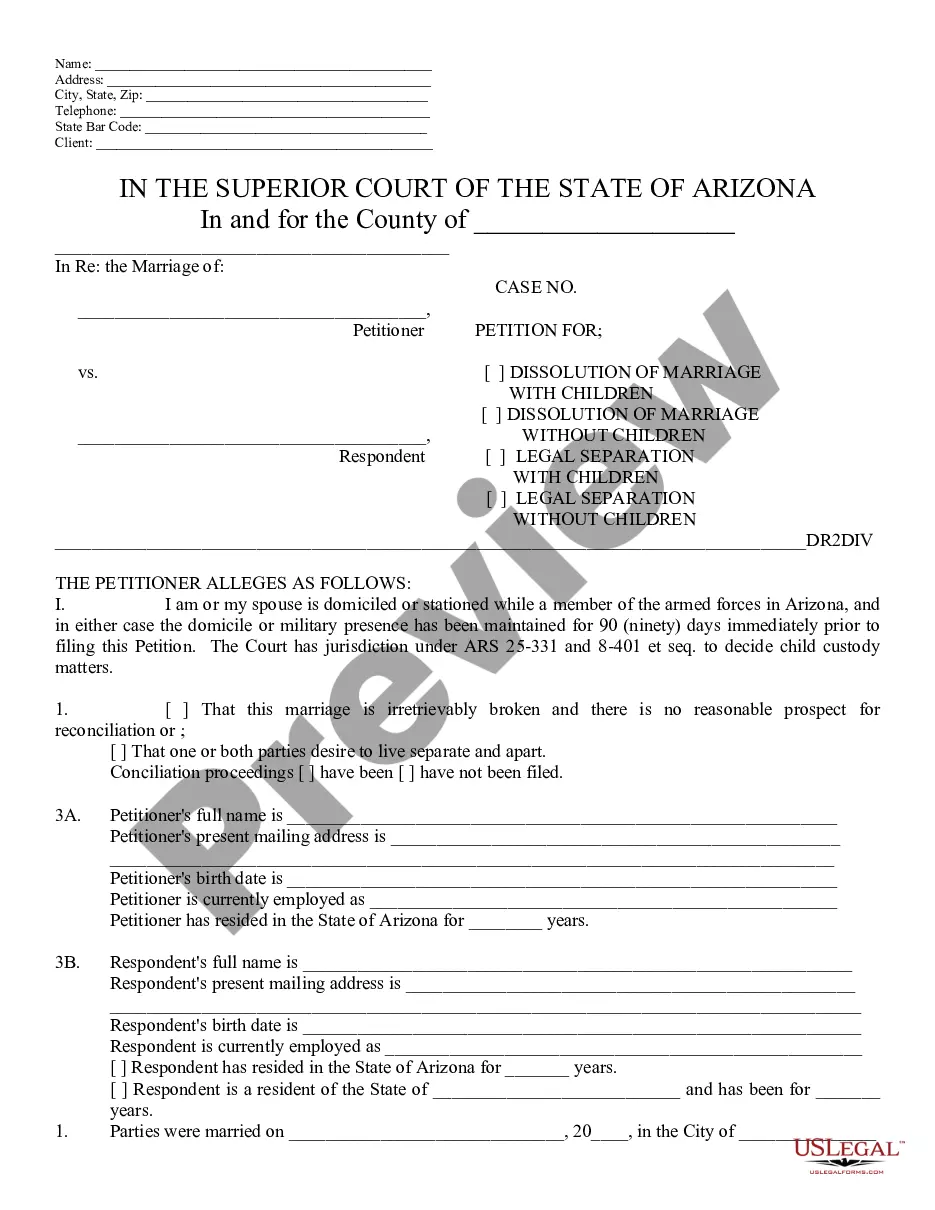



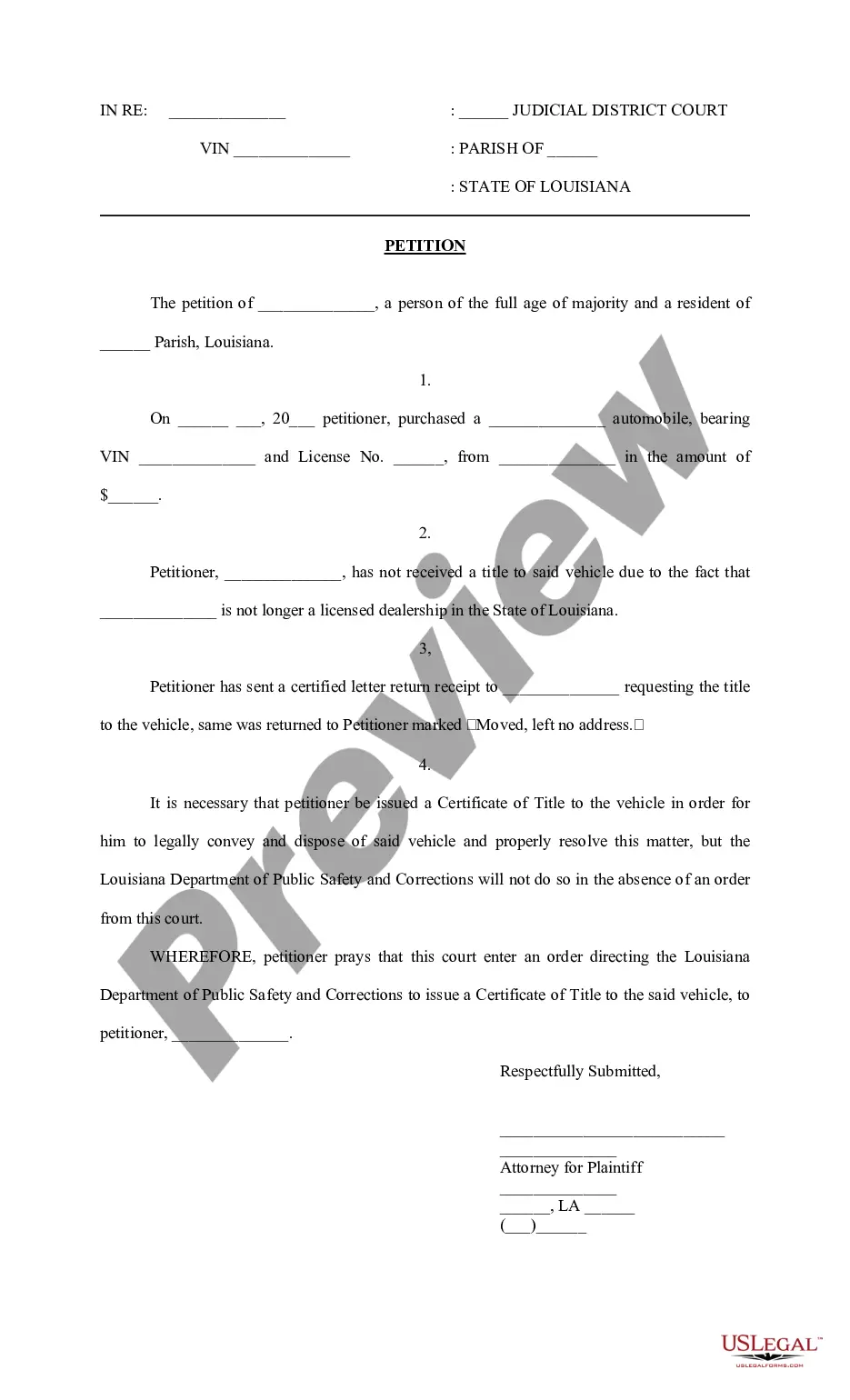



Form popularity
FAQ
Privilege with respect to trade secrets. A person has a privilege to refuse to disclose, and to prevent other persons from disclosing, a trade secret owned by that person if the allowance of the privilege will not conceal fraud or otherwise work injustice.
The law of non-disclosure and misrepresentation The law imposes heavy duties on those applying for insurance. Potential policyholders are required to volunteer information to the insurer about anything that would influence a prudent underwriter's assessment of the risk.
The principal statute governing NDAs in Florida is the Florida Uniform Trade Secrets Act (FUTSA), codified in Chapter 688 of the Florida Statutes. FUTSA provides legal remedies for misappropriating trade secrets, including unauthorized disclosure of confidential information protected by an NDA.
Time frame: Most NDAs don't last forever, and many confidentiality agreements explicitly state the number of years that sensitive information must be kept secret. Even those with an indefinite time frame will often indicate when information is no longer protected by the agreement.
NDAs are enforceable when they are signed — if they are properly drafted and executed. NDAs are enforceable once signed, provided they have been drafted and executed properly. Unilateral NDAs need only the signature of the receiving party, whereas mutual non-disclosure agreements need the signatures of both parties.
Be polite and calm. Stand when you speak to the judge and call them “Your Honor.” Speak clearly and loud enough for the judge and the other side to hear you. But don't shout or react to things you don't like. Now is not the time to express your feelings or vent your emotions.
NDAs usually last between one and five years, but this can vary based on the transaction or market conditions. For employers or business owners, it is beneficial to have NDAs in place for as long as possible. The duration of an NDA is critical for protecting confidential information effectively.
By Florida law, the Clerk of Courts in each county is the official custodian of court records. Click here to access the Clerk's Online Services, including official records, civil/family/probate cases, criminal cases and traffic cases, or you may call the Clerk's 24-hour voice response system at (305) 275-1155.
311 Direct Mobile App Email 311@miamidade with as much information as possible and 311 will respond with a service request number or provide an answer to your question. Visit one of the three 311 Service Centers in North, South, or West Miami-Dade County, and a 311 specialist will provide in-person assistance.
