Non Disclosure Without Consent Rule In California
Description

Get your form ready online
Our built-in tools help you complete, sign, share, and store your documents in one place.
Make edits, fill in missing information, and update formatting in US Legal Forms—just like you would in MS Word.
Download a copy, print it, send it by email, or mail it via USPS—whatever works best for your next step.
Sign and collect signatures with our SignNow integration. Send to multiple recipients, set reminders, and more. Go Premium to unlock E-Sign.
If this form requires notarization, complete it online through a secure video call—no need to meet a notary in person or wait for an appointment.
We protect your documents and personal data by following strict security and privacy standards.

Make edits, fill in missing information, and update formatting in US Legal Forms—just like you would in MS Word.

Download a copy, print it, send it by email, or mail it via USPS—whatever works best for your next step.

Sign and collect signatures with our SignNow integration. Send to multiple recipients, set reminders, and more. Go Premium to unlock E-Sign.

If this form requires notarization, complete it online through a secure video call—no need to meet a notary in person or wait for an appointment.

We protect your documents and personal data by following strict security and privacy standards.
Looking for another form?

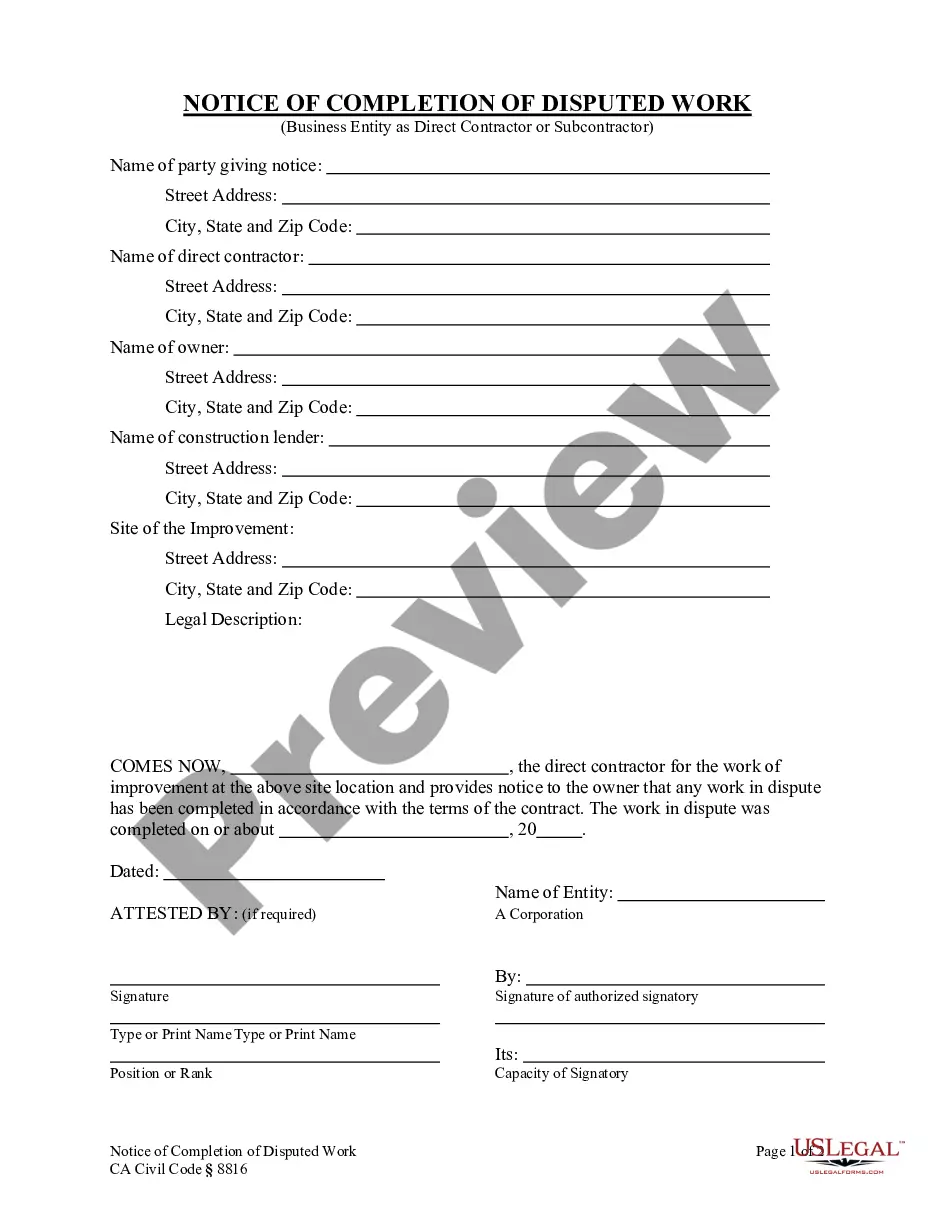




Form popularity
FAQ
In addition, California's STAND Act and Silenced No More Act make it unlawful for businesses to use nondisclosure agreements to prevent their employees from revealing factual information regarding sexual assaults, workplace harassment, workplace discrimination, or workplace retaliation.
Information compiled in reasonable anticipation of a civil action proceeding. Material reporting investigative efforts pertaining to the enforcement of criminal law including efforts to prevent, control, or reduce crime or to apprehend criminals.
Conditions of Disclosure to Third Parties. The general rule under the Privacy Act is that an agency cannot disclose a record contained in a system of records unless the individual to whom the record pertains gives prior written consent to the disclosure. There are twelve exceptions to this general rule.
“No agency shall disclose any record which is contained in a system of records by any means of communication to any person, or to another agency, except pursuant to a written request by, or with the prior written consent of, the individual to whom the record pertains subject to 12 exceptions.”
“No agency shall disclose any record which is contained in a system of records by any means of communication to any person, or to another agency, except pursuant to a written request by, or with the prior written consent of, the individual to whom the record pertains subject to 12 exceptions.” 5 U.S.C. § 552a(b).
The Privacy Act provides that the agency will provide access to records on individuals within our possession unless one of ten exemptions applies. The exact language of the exemptions can be found in the Privacy Act.
Is cookie consent required in the US? The CCPA applies to businesses that serve the California residents and as per the Act, consent is not required to use cookies. However, if the cookies sell the collected personal information to other businesses, then users have the right to opt-out of it if they wish.
Five other key features must be included in your NDA to ensure it's legally binding, including a description of confidential information, obligations of the parties involved, any exclusions, the term of the agreement and consequences of a breach.
Invasion of Privacy: Public Disclosure of Private Facts.
Invasion of privacy — Even if no statute has been passed that prohibits someone from disclosing sensitive information, there are some types of information that the law treats as being private. If someone discloses that information about you without your consent, you can sue that person for invasion of privacy.
