Non-disclosure Or Nondisclosure In California
Description

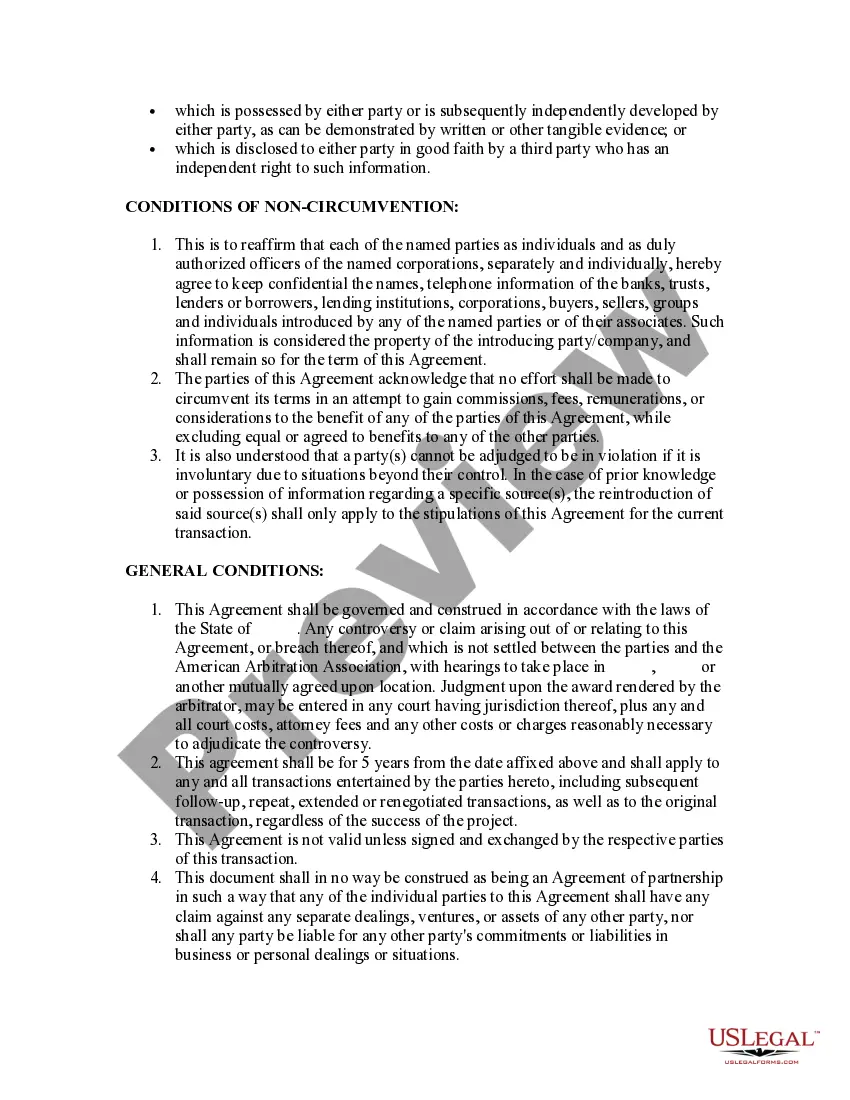
Get your form ready online
Our built-in tools help you complete, sign, share, and store your documents in one place.
Make edits, fill in missing information, and update formatting in US Legal Forms—just like you would in MS Word.
Download a copy, print it, send it by email, or mail it via USPS—whatever works best for your next step.
Sign and collect signatures with our SignNow integration. Send to multiple recipients, set reminders, and more. Go Premium to unlock E-Sign.
If this form requires notarization, complete it online through a secure video call—no need to meet a notary in person or wait for an appointment.
We protect your documents and personal data by following strict security and privacy standards.

Make edits, fill in missing information, and update formatting in US Legal Forms—just like you would in MS Word.

Download a copy, print it, send it by email, or mail it via USPS—whatever works best for your next step.

Sign and collect signatures with our SignNow integration. Send to multiple recipients, set reminders, and more. Go Premium to unlock E-Sign.

If this form requires notarization, complete it online through a secure video call—no need to meet a notary in person or wait for an appointment.

We protect your documents and personal data by following strict security and privacy standards.
Looking for another form?




Form popularity
FAQ
Typically, a legal professional writing the NDA will complete these steps: Step 1 - Describe the scope. Which information is considered confidential? ... Step 2 - Detail party obligations. Step 3 - Note potential exclusions. Step 4 - Set the term. Step 5 - Spell out consequences.
Starting January 1, 2025, businesses settling disputes with consumers cannot condition any refund or other consideration on a consumer agreeing not to make statements about the business, regardless of the sentiment or accuracy of those statements.
You do not need a lawyer to create and sign a non-disclosure agreement. However, if the information you are trying to protect is important enough to warrant an NDA, you may want to have the document reviewed by someone with legal expertise.
In addition, California's STAND Act and Silenced No More Act make it unlawful for businesses to use nondisclosure agreements to prevent their employees from revealing factual information regarding sexual assaults, workplace harassment, workplace discrimination, or workplace retaliation.
After December 7, 2022, employees who sign an agreement that includes a non-disparagement clause or a non-disclosure clause before sexual harassment or assault occurs and a dispute arises are not bound by these agreements. The Speak Out Act of 2022 renders such clauses judicially unenforceable.
As to whether the non-disparagement clause is lawful, that depends on whether certain exceptions are provided for. There should be exceptions that allow a party to provide truthful testimony in legal proceedings, communicate truthfully with any government agency, or enforce the agreement the parties signed.
Companies cannot hide misconduct with contract clauses Several high-profile cases, including some from the entertainment sector, have prompted California lawmakers to restrict the use and enforceability of non-disclosure agreements and non-disparagement clauses.
The law states that businesses may sue people, or other business entities, for making false, negative and malicious statements about the business that cause financial harm. Examples of business disparagement are when: A customer publishes false and malicious statements about a business on Yelp.
Additionally, California law imposes a duty on sellers to disclose any known facts that materially affect the value or desirability of the property, even if not explicitly asked in the TDS.
