Reis Beilagen In Salt Lake
Description



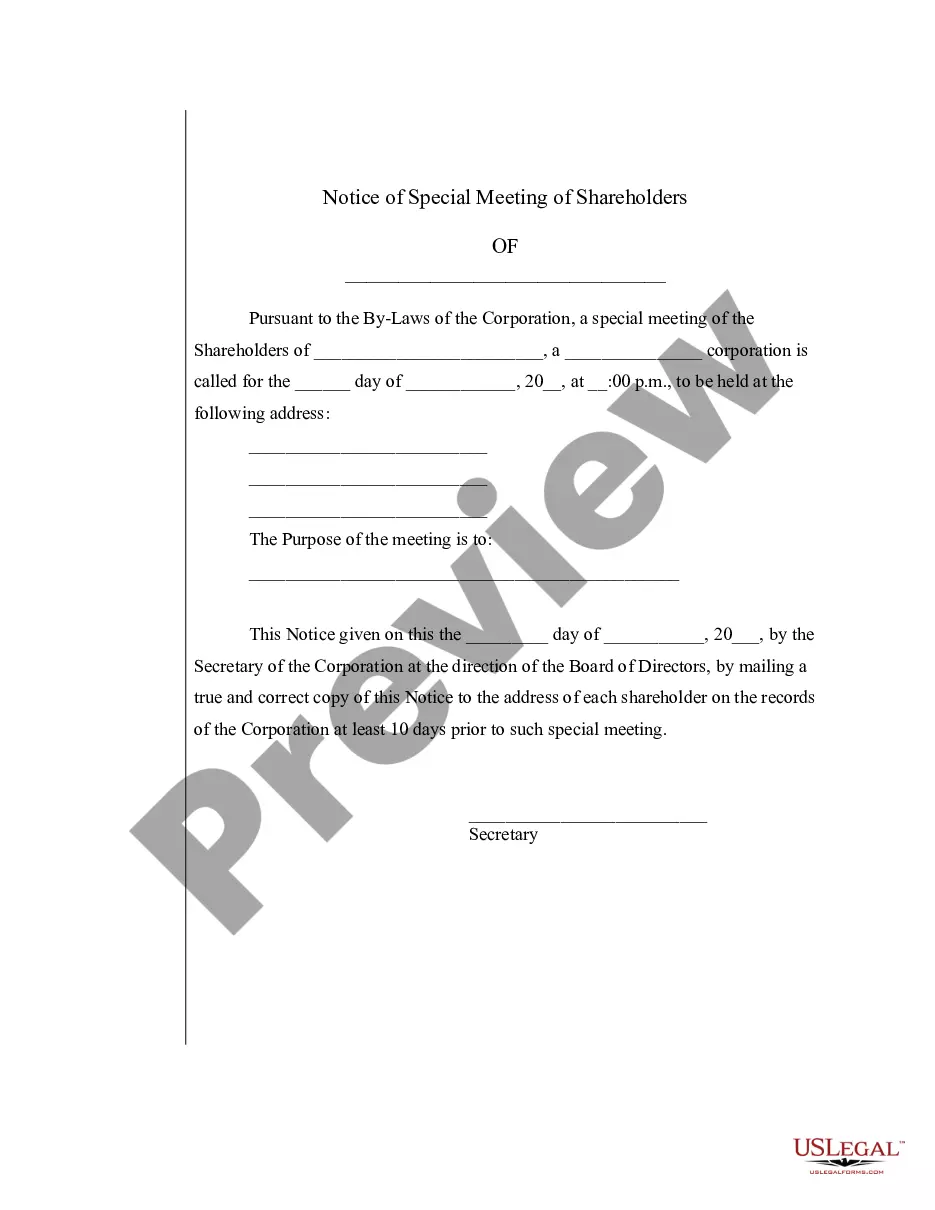
Get your form ready online
Our built-in tools help you complete, sign, share, and store your documents in one place.
Make edits, fill in missing information, and update formatting in US Legal Forms—just like you would in MS Word.
Download a copy, print it, send it by email, or mail it via USPS—whatever works best for your next step.
Sign and collect signatures with our SignNow integration. Send to multiple recipients, set reminders, and more. Go Premium to unlock E-Sign.
If this form requires notarization, complete it online through a secure video call—no need to meet a notary in person or wait for an appointment.
We protect your documents and personal data by following strict security and privacy standards.

Make edits, fill in missing information, and update formatting in US Legal Forms—just like you would in MS Word.

Download a copy, print it, send it by email, or mail it via USPS—whatever works best for your next step.

Sign and collect signatures with our SignNow integration. Send to multiple recipients, set reminders, and more. Go Premium to unlock E-Sign.

If this form requires notarization, complete it online through a secure video call—no need to meet a notary in person or wait for an appointment.

We protect your documents and personal data by following strict security and privacy standards.
Looking for another form?







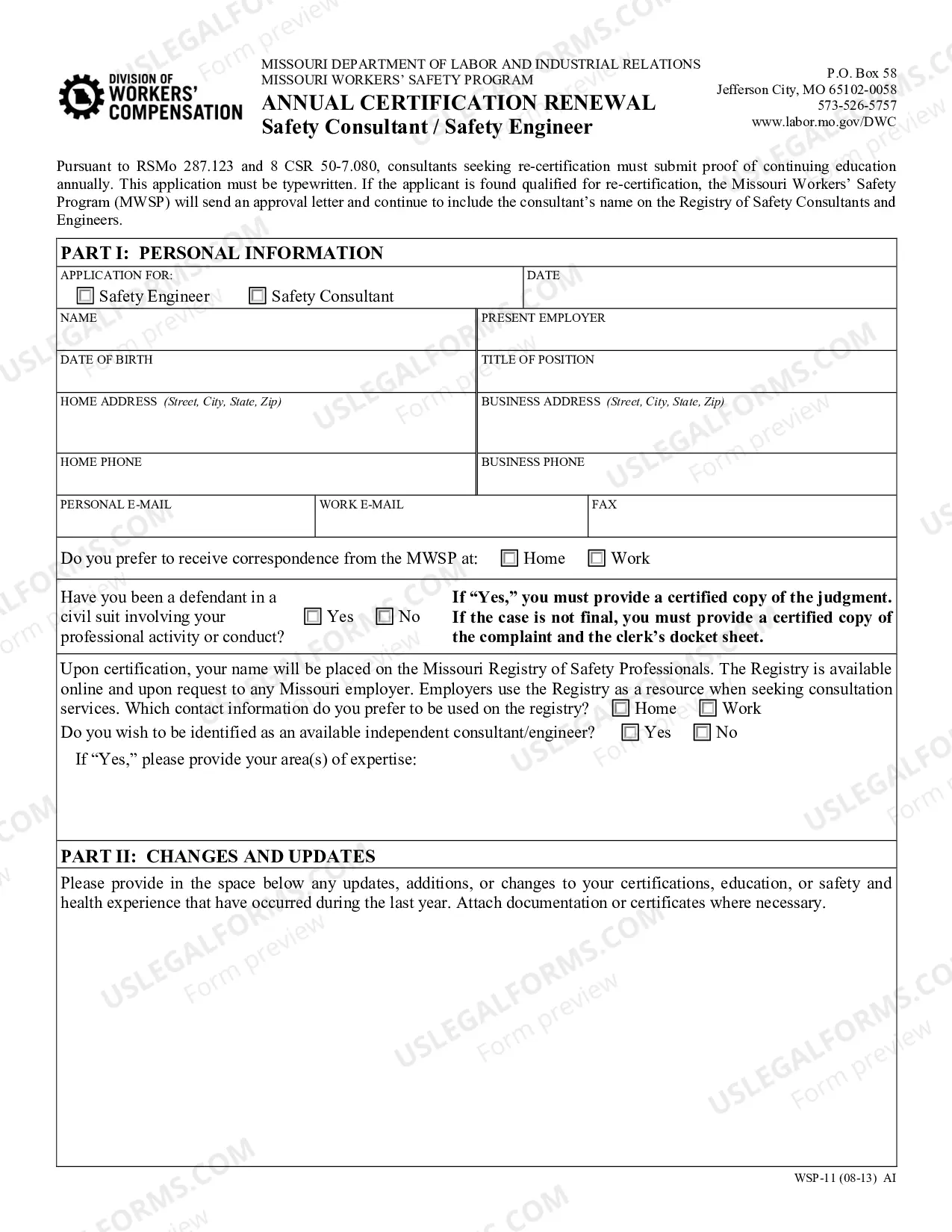

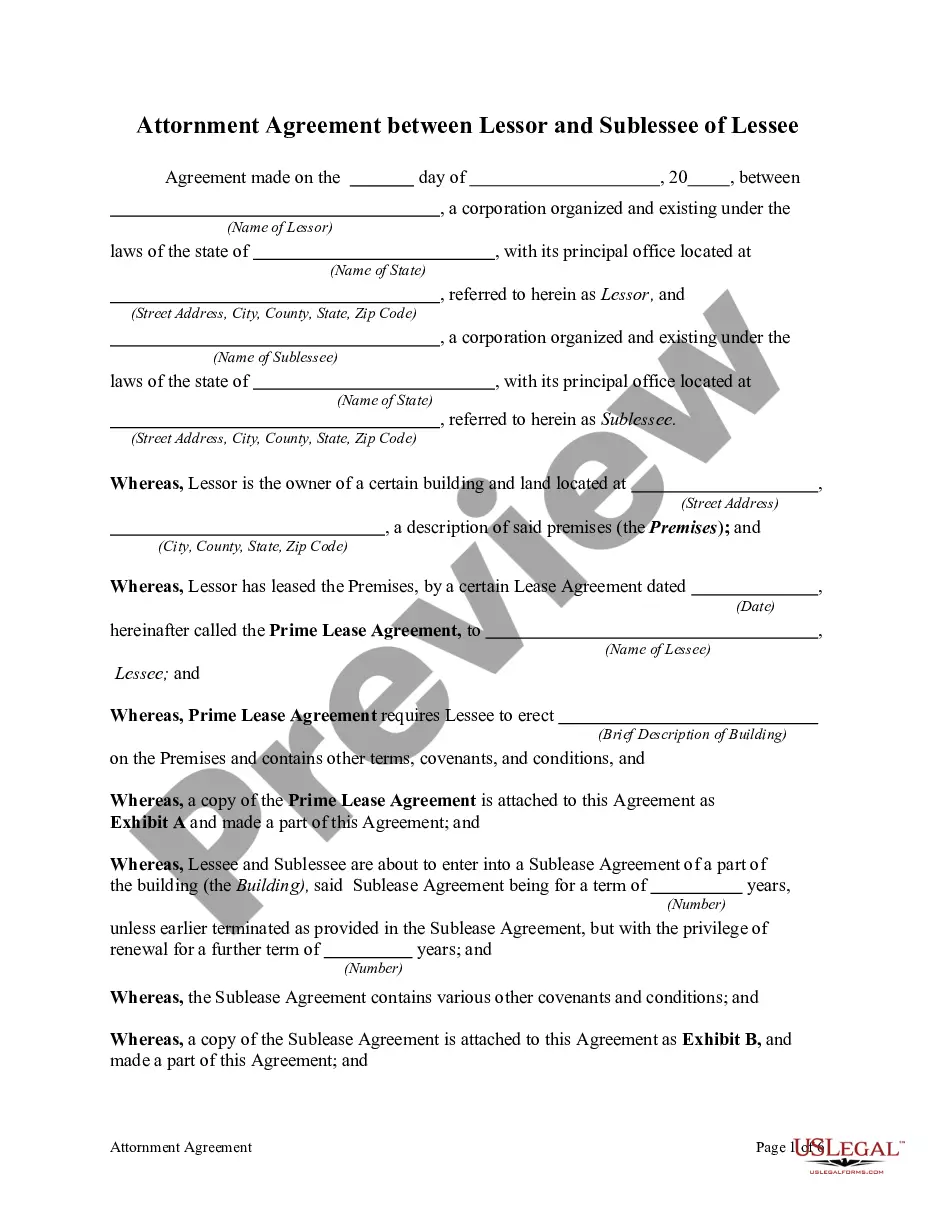
Form popularity
FAQ
At its average level of 4,200 above sea level, the lake is 75 miles long and 35 mile wide at its widest point. Are there fish in Great Salt Lake? No. Brine shrimp and brine flies live in Great Salt Lake, and feed off of algae.
Salt Lake City was founded on July 24, 1847, by a group of Mormon pioneers. The members of The Church of Jesus Christ of Latter-day Saints, led by their president Brigham Young, were the first non-Indians to settle permanently in the Salt Lake Valley.
Under its surface are the wrecks of an unknown number of aircraft, train car parts and sandbars. And beneath its bed it harbors oil, layers of salt-encrusted minerals and fetid masses of pickled sewage.
As rain water and snow melt run down the mountains, minerals and salts are eroded and eventually end up in the Great Salt Lake. Since the lake is a terminal lake, the only way water can leave is through evaporation, leaving the salt and minerals behind. Different parts of the lake are saltier than others.
You can, yes. Historically salt was mined from there and used for food. Natives and early settlers would have used the salt for food preservation. These days most of the salt mined on the Flats is mined for Magnesium , the salt by-product is used as road salt for winter driving.
Reality check: While the lake won't poison you, the salt can cause problems if you're not careful. Cuts and sensitive skin can sting at first. I've seen children crying at the marina hose as their hapless parents spray fresh water into their swimsuits. The sting usually stops after a minute or two in the lake, though.

