Wann Konjunktiv In Pima
Description



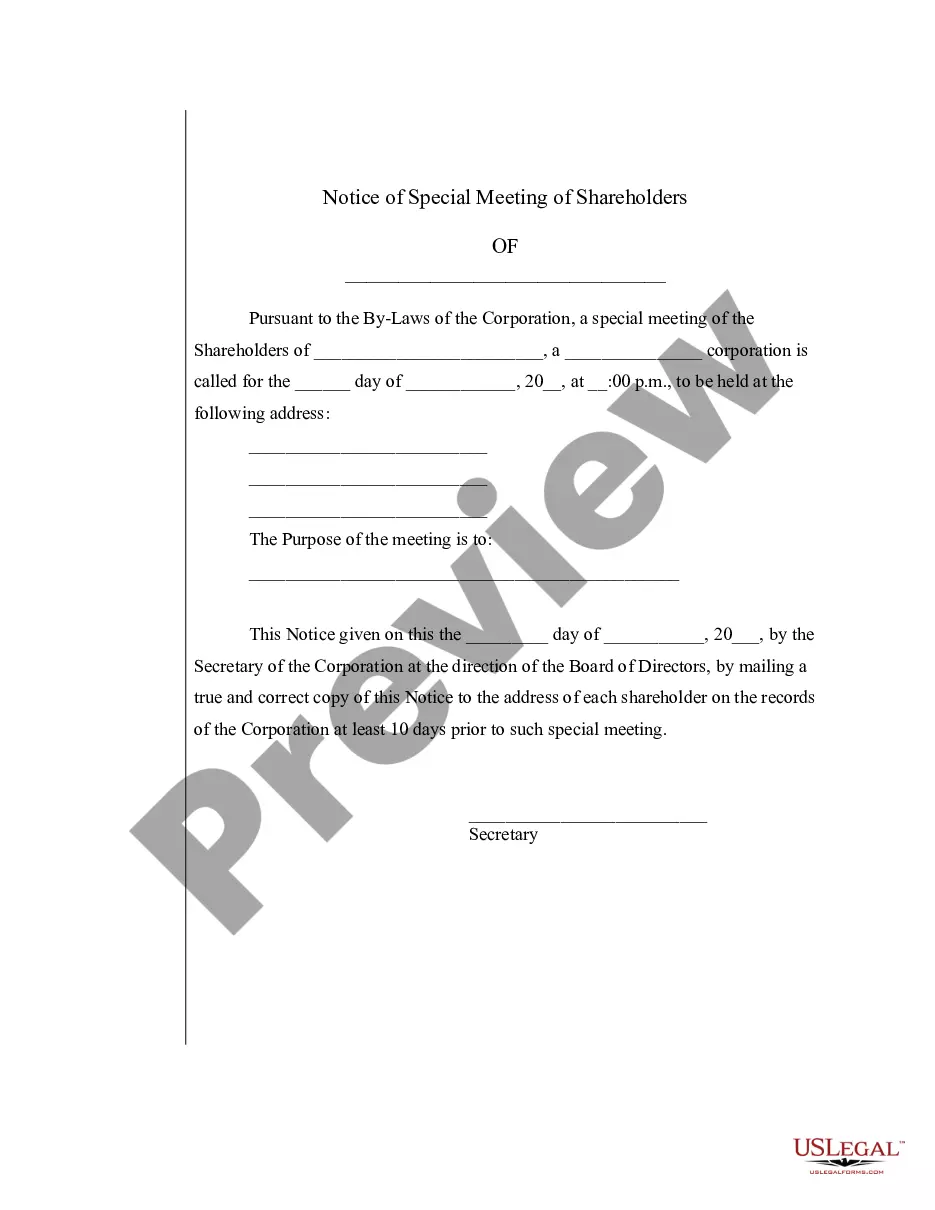
Get your form ready online
Our built-in tools help you complete, sign, share, and store your documents in one place.
Make edits, fill in missing information, and update formatting in US Legal Forms—just like you would in MS Word.
Download a copy, print it, send it by email, or mail it via USPS—whatever works best for your next step.
Sign and collect signatures with our SignNow integration. Send to multiple recipients, set reminders, and more. Go Premium to unlock E-Sign.
If this form requires notarization, complete it online through a secure video call—no need to meet a notary in person or wait for an appointment.
We protect your documents and personal data by following strict security and privacy standards.

Make edits, fill in missing information, and update formatting in US Legal Forms—just like you would in MS Word.

Download a copy, print it, send it by email, or mail it via USPS—whatever works best for your next step.

Sign and collect signatures with our SignNow integration. Send to multiple recipients, set reminders, and more. Go Premium to unlock E-Sign.

If this form requires notarization, complete it online through a secure video call—no need to meet a notary in person or wait for an appointment.

We protect your documents and personal data by following strict security and privacy standards.
Looking for another form?






Form popularity
FAQ
Der Konjunktiv I wird – vor allem in der Schriftsprache – in der indirekten Rede verwendet. Die sprachliche Äußerung einer Person kann von einem Berichtenden indirekt vermittelt werden (indirekte Rede, seltener: abhängige Rede, lateinisch oratio obliqua).
Der Konjunktiv ist eine Verbform (Modus ). Du verwendest den Konjunktiv I und II, wenn du irreale, also nicht wirkliche Situationen beschreibst. Diese drückst du in Konditionalsätzen (Bedingungssätzen) aus. Du kannst den Konjunktiv auch für die indirekte Rede benutzen.
Der Konjunktiv 1 wird hauptsächlich dann verwendet, wenn du Gesagtes wiedergeben willst, ohne ein direktes Zitat zu verwenden und um eine gewisse Distanz zwischen dir und der Information auszudrücken. Bei der indirekten Rede: Sie meinte, ihr gehe es nicht gut.
Mit dem Konjunktiv kennzeichnest du wiedergegebene Aussagen, die ursprünglich nicht von dir stammen oder mögliche Sachverhalte, die zweifelhaft oder nicht unbedingt wahr sein müssen. Der Konjunktiv wird somit verwendet, um eine Distanz zwischen dir und deiner Aussage zu kennzeichnen.
Der congiuntivo kann Folgendes ausdrücken: subjektive Meinungen: Im Hauptsatz steht dann häufig eins der folgenden Verben: pensare, credere, sembrare, parere, ritenere. Credo che Antonio lavori troppo. Ich glaube, Antonio arbeitet zu viel.
Der Konjunktiv wird genutzt, um über irreale, aber mögliche Dinge, Wünsche und Vorstellungen zu sprechen. Aber auch in der indirekten Rede kommt dieser Modus zum Einsatz (vgl. Kornmeier, 2018). Er ist also auch für wissenschaftliches Schreiben von Bedeutung, da Du hier oft Literatur zitieren musst.
Der Konjunktiv wird genutzt, um über irreale, aber mögliche Dinge, Wünsche und Vorstellungen zu sprechen. Aber auch in der indirekten Rede kommt dieser Modus zum Einsatz (vgl. Kornmeier, 2018). Er ist also auch für wissenschaftliches Schreiben von Bedeutung, da Du hier oft Literatur zitieren musst.
Auf Cuando (wenn) folgt ein Verb im Konjunktiv, um ein zukünftiges Ereignis auszudrücken, das noch eintreten wird .
Change My Name Arizona Superior Court in Pima County provides two options for applicants seeking a name change. An applicant can file their application and request a telephonic hearing or can appear in person on a Wednesday or a Thursday morning.
Summary – How Long to Change Your Name in Arizona File, Hearing, Court Order – Usually 2-3 months to wait for your Hearing date, counting from the date you start. You get your Decree Changing Name right after your Hearing, upon approval. Update Your Records – 2-3 days (most important ones) 2-6 months for them all.

