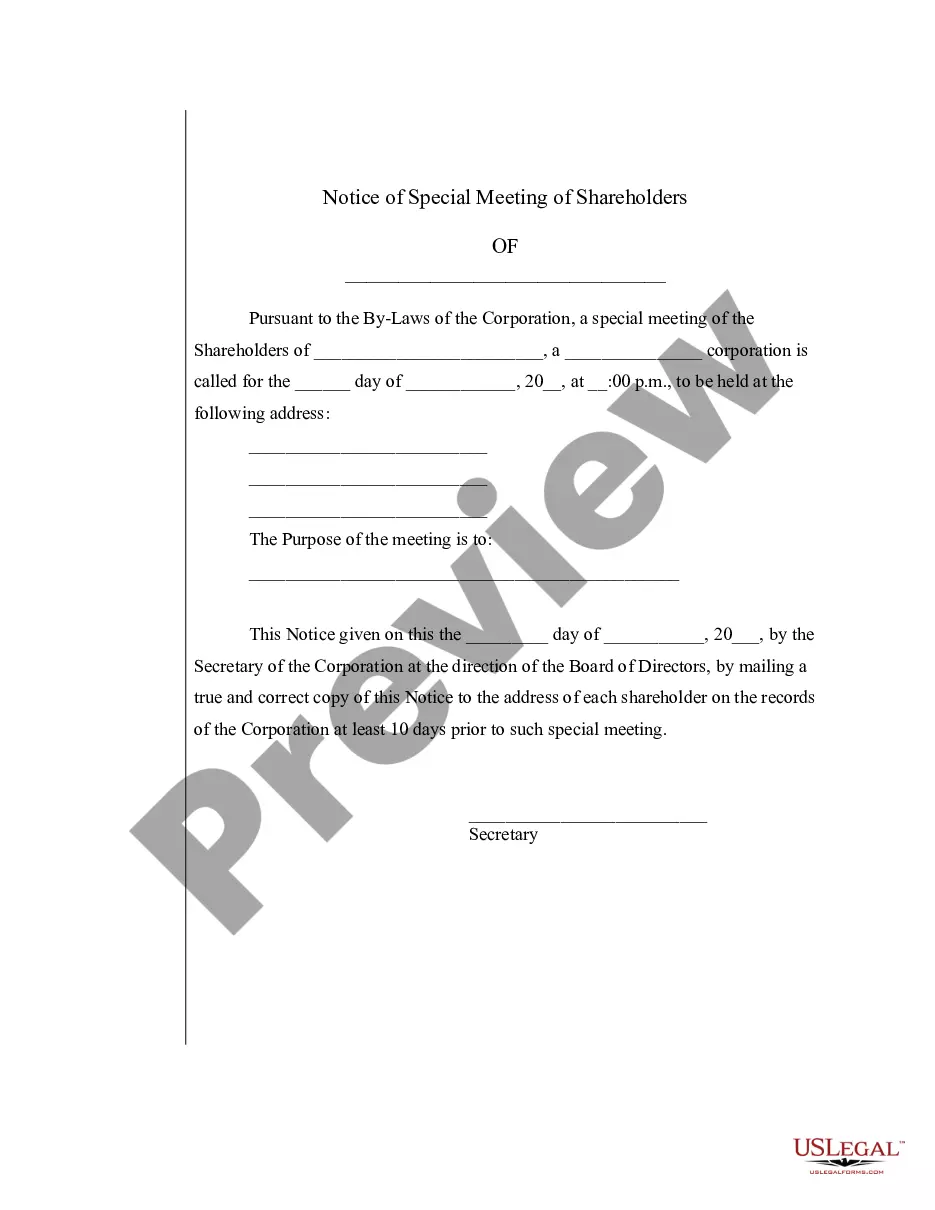
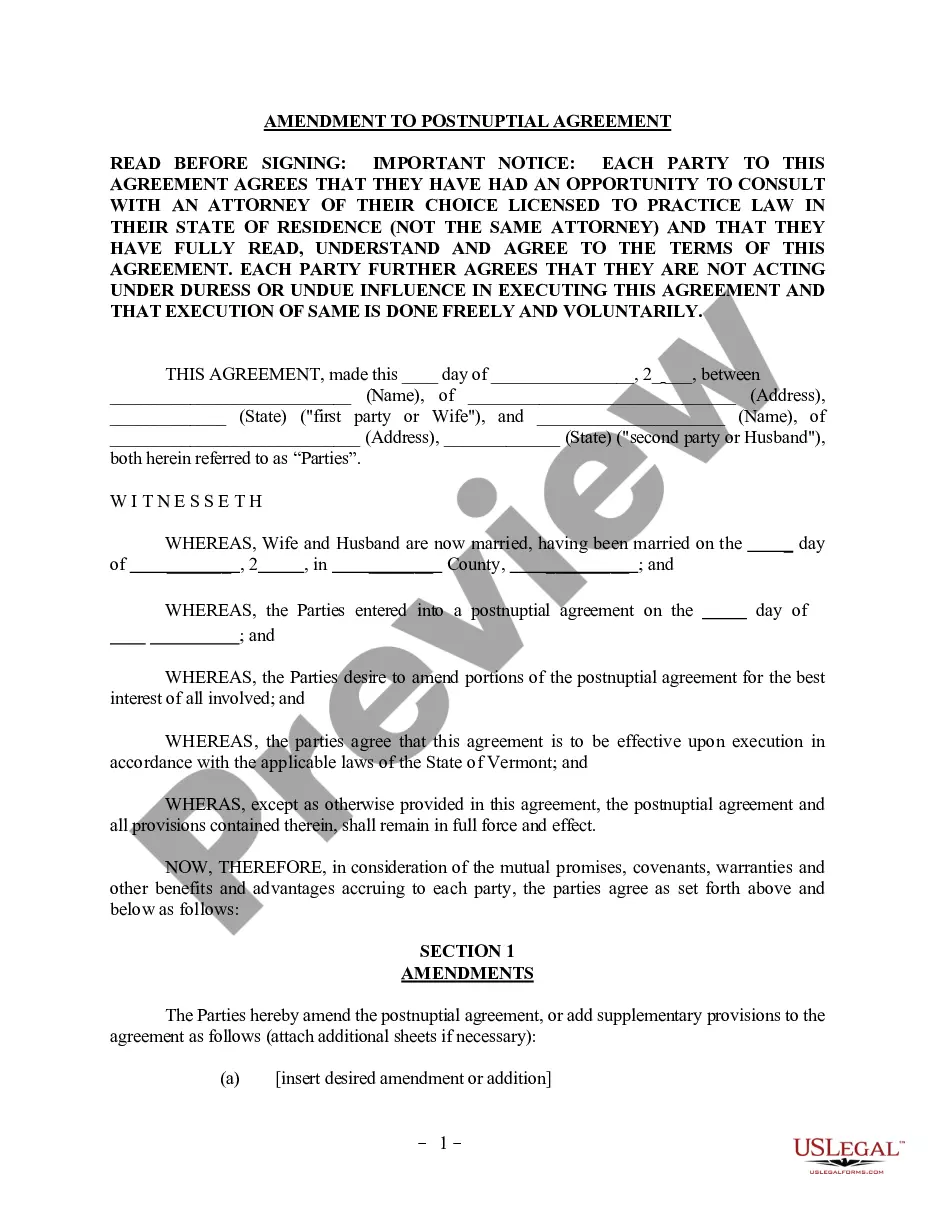
Special Meeting Sample For Hoa In Phoenix
Description



Get your form ready online
Our built-in tools help you complete, sign, share, and store your documents in one place.
Make edits, fill in missing information, and update formatting in US Legal Forms—just like you would in MS Word.
Download a copy, print it, send it by email, or mail it via USPS—whatever works best for your next step.
Sign and collect signatures with our SignNow integration. Send to multiple recipients, set reminders, and more. Go Premium to unlock E-Sign.
If this form requires notarization, complete it online through a secure video call—no need to meet a notary in person or wait for an appointment.
We protect your documents and personal data by following strict security and privacy standards.

Make edits, fill in missing information, and update formatting in US Legal Forms—just like you would in MS Word.

Download a copy, print it, send it by email, or mail it via USPS—whatever works best for your next step.

Sign and collect signatures with our SignNow integration. Send to multiple recipients, set reminders, and more. Go Premium to unlock E-Sign.

If this form requires notarization, complete it online through a secure video call—no need to meet a notary in person or wait for an appointment.

We protect your documents and personal data by following strict security and privacy standards.
Looking for another form?









Form popularity
FAQ
Email communications between board members are allowed, even if they discuss association business. The Court of Appeal addressed the issue in LNSU #1 v. Alta Del Mar Coastal Collection Cmty.
The only time email should be used to accomplish board business is when action is being taken without a meeting. ing to the Arizona Non-Profit Corporations Act and most associations' bylaws, a board of directions can take action without a meeting if the board unanimously agrees in writing to the action.
“All meetings of any public body shall be public meetings and all persons so desiring shall be permitted to attend and listen to the deliberations and proceedings.” A.R.S. § 38- 431.01(A).
Essentially, HOAs are not subject to open meeting law because they are private entities that do not fit the definition of “public body” in A.R.S. § 38-431. That being said, HOAs are still subject to some meeting requirements laid out in A.R.S. § 33-1804.
While the intention is admirable, most experts do not recommend having informal board meetings. If board members have difficulty making decisions on the spot, they can move the item for discussion at the next meeting. This will give them time to consider the topic and come up with the right questions.
The recent Arizona Supreme Court decision in Maarten Kalway v. Calabria Ranch HOA, LLC impacts how amendments can be made. It emphasizes that amendments must be reasonable and foreseeable to those subject to them.
The Arizona Nonprofit Corporation Act oversees HOAs in terms of business organization and practices. Arizona inium associations can be formed as for-profit or non-profit corporations or as unincorporated groups.
Open Meeting Law does not apply to homeowner associations. This quick information guide was created to help identify the laws that currently do apply to meetings of homeowner associations.
The Arizona law allows for the HOA to foreclose on the homeowner's property via the lien to collect the unpaid fees once either of the two events happen: 1) the homeowner has been delinquent in payment for a year or more; or 2) the total late HOA fees equals $1,200 or more (not including late fees, collection fees, or ...

