Reis Beilagen In Nevada
Description



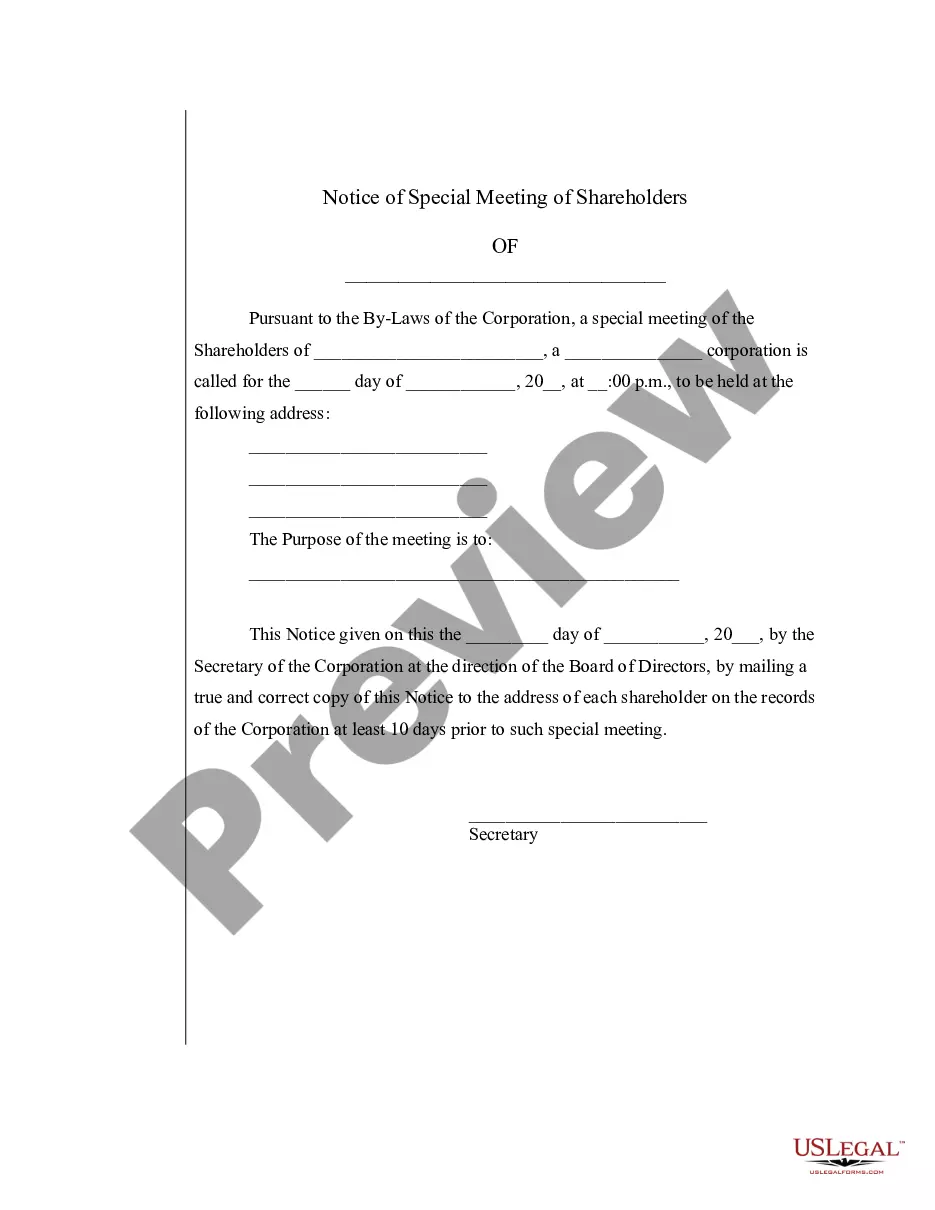
Get your form ready online
Our built-in tools help you complete, sign, share, and store your documents in one place.
Make edits, fill in missing information, and update formatting in US Legal Forms—just like you would in MS Word.
Download a copy, print it, send it by email, or mail it via USPS—whatever works best for your next step.
Sign and collect signatures with our SignNow integration. Send to multiple recipients, set reminders, and more. Go Premium to unlock E-Sign.
If this form requires notarization, complete it online through a secure video call—no need to meet a notary in person or wait for an appointment.
We protect your documents and personal data by following strict security and privacy standards.

Make edits, fill in missing information, and update formatting in US Legal Forms—just like you would in MS Word.

Download a copy, print it, send it by email, or mail it via USPS—whatever works best for your next step.

Sign and collect signatures with our SignNow integration. Send to multiple recipients, set reminders, and more. Go Premium to unlock E-Sign.

If this form requires notarization, complete it online through a secure video call—no need to meet a notary in person or wait for an appointment.

We protect your documents and personal data by following strict security and privacy standards.
Looking for another form?





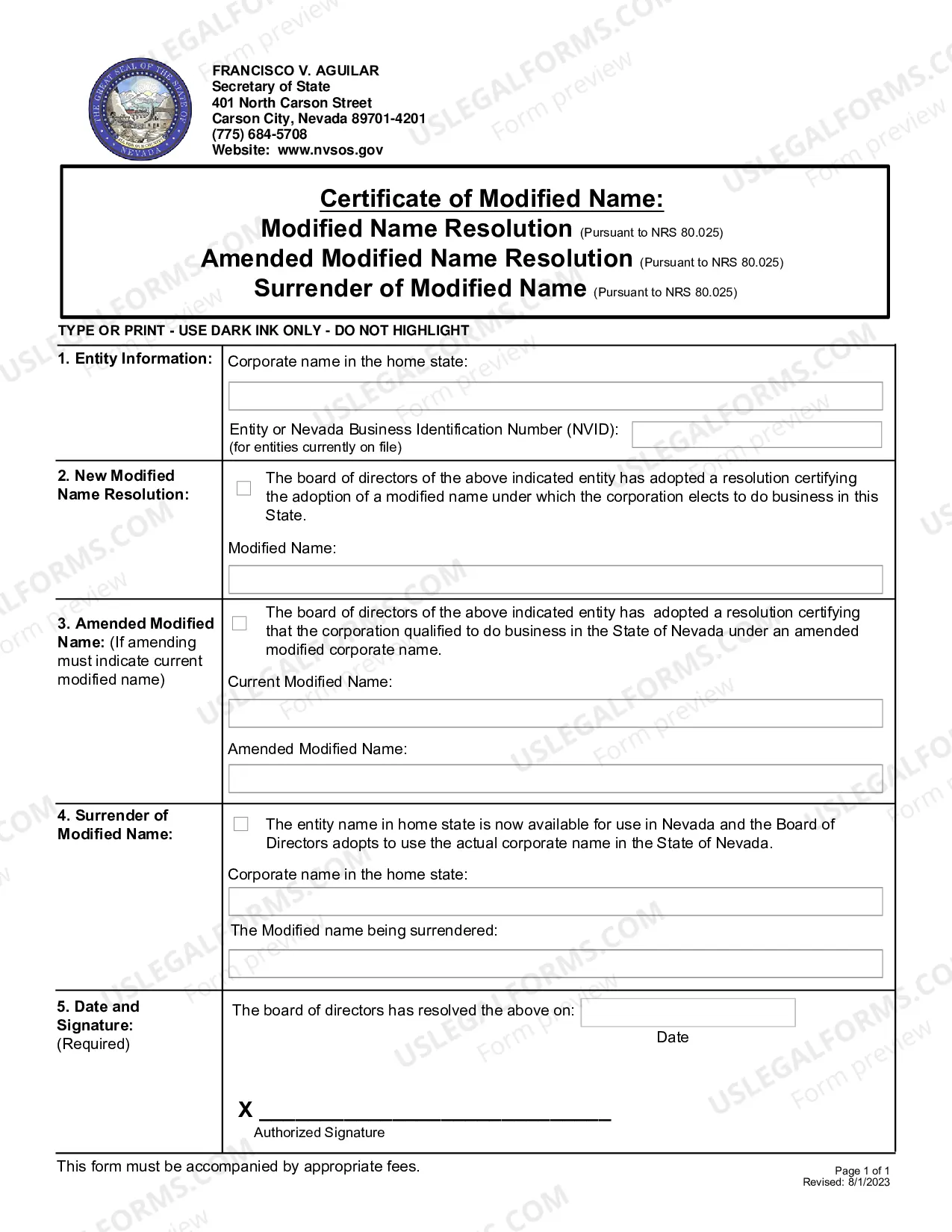
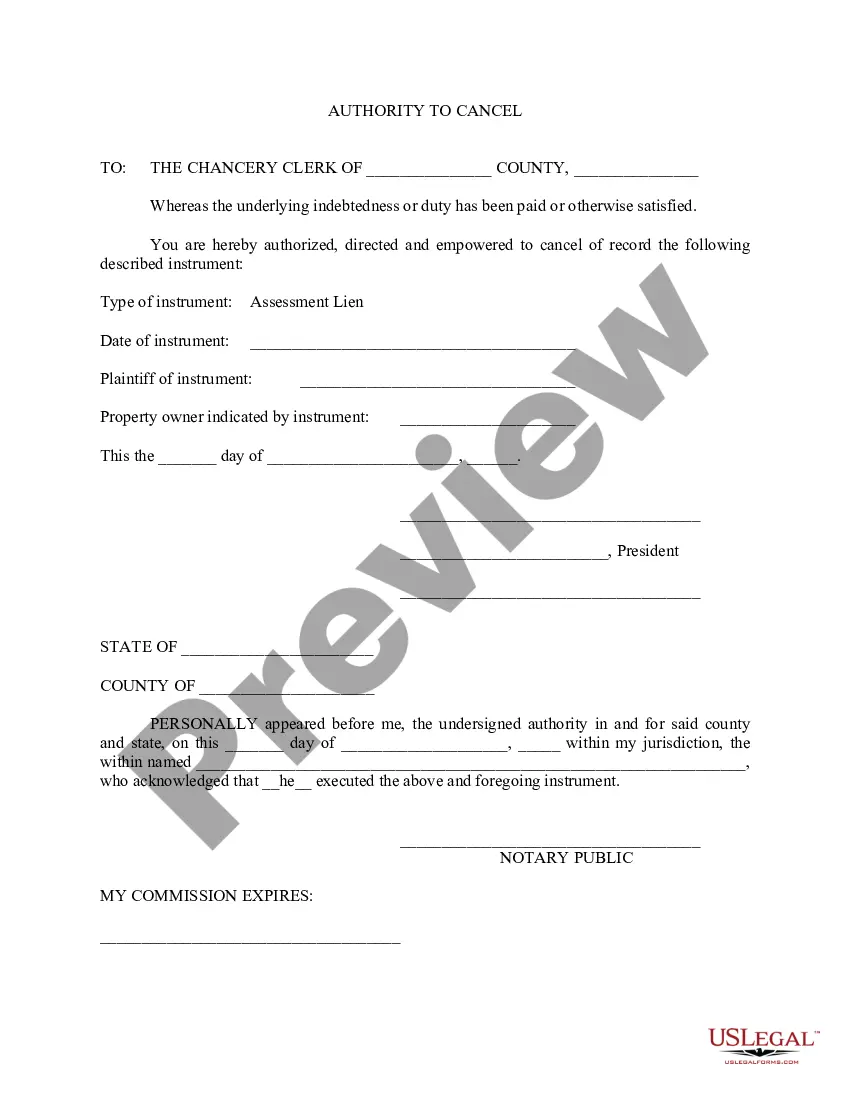

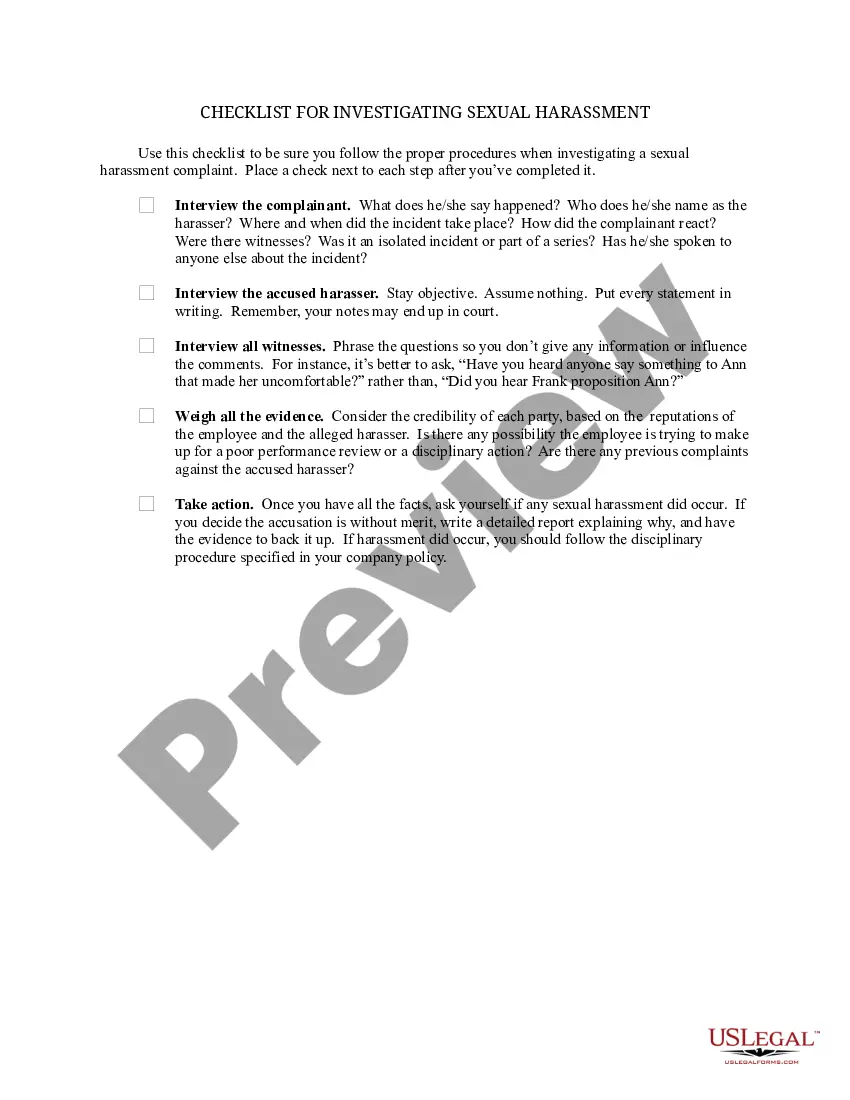

Form popularity
FAQ
After you have obtained an original surety bond, in the amount of $10,000 to the State of Nevada, you will file the original bond with the county clerk in the county you reside. Identification and/or proof of residency may be required at the time of filing. View a complete listing of Nevada County Clerks' offices.
Create a declaration of domicile in the local Nevada court of the county where you want to establish residency. This declaration will serve as evidence of your intent to make Nevada your permanent home.
Proof of Residency: When registering to vote, you need to provide proof that you live in Nevada. This can include documents like a driver's license, vehicle registration, proof of employment, or property ownership.
States vary in their definitions of these terms, but generally agree that domicile is a subjective analysis based on a person's permanent residence (i.e., the place where an individual has his or her true, fixed, and permanent home without any present intention of leaving, and to which the individual intends to return ...
Proof of Nevada Residency They have to be originals or certified copies issued within the past 60 days: Receipt of a lease on a residence. Bill from a public utility company with your address. Bank or credit card statement.
Additional indicia of domicile are filing a declaration of domicile with the county clerk, registering a vehicle or vehicles in Nevada, obtaining a driver's license, recording a homestead declaration for your residence in Nevada, using a Nevada address for primary correspondence, including credit cards, magazines, bank ...
To prove that you are physically present in Nevada, you can provide evidence that shows you have a permanent address, live and sleep in the state, and participate in daily activities within the state such as: A deed to a Nevada primary residence that you own. A lease or rental agreement for a residence in Nevada.
Key Takeaways. Your domicile is the state you regard as your home. If you spend a substantial amount of your time in two states, keep good records so you can prove which is your domicile. Most states will consider you a resident for tax purposes if you spend 183 days or more in that state.
You can do this by getting a driver's license, registering a vehicle, enrolling your children in local schools, or gaining employment within the state. These actions proclaim your intention to set down roots and make the new state your long-term home.
Establishing Nevada Residency Be outside of your former states more than 183 days in a calendar year (i.e., over half the year) Buy (preferably) or rent a local residence (and furnish it with furniture — empty residences do not work well)
