Letter For Money In Texas
Description
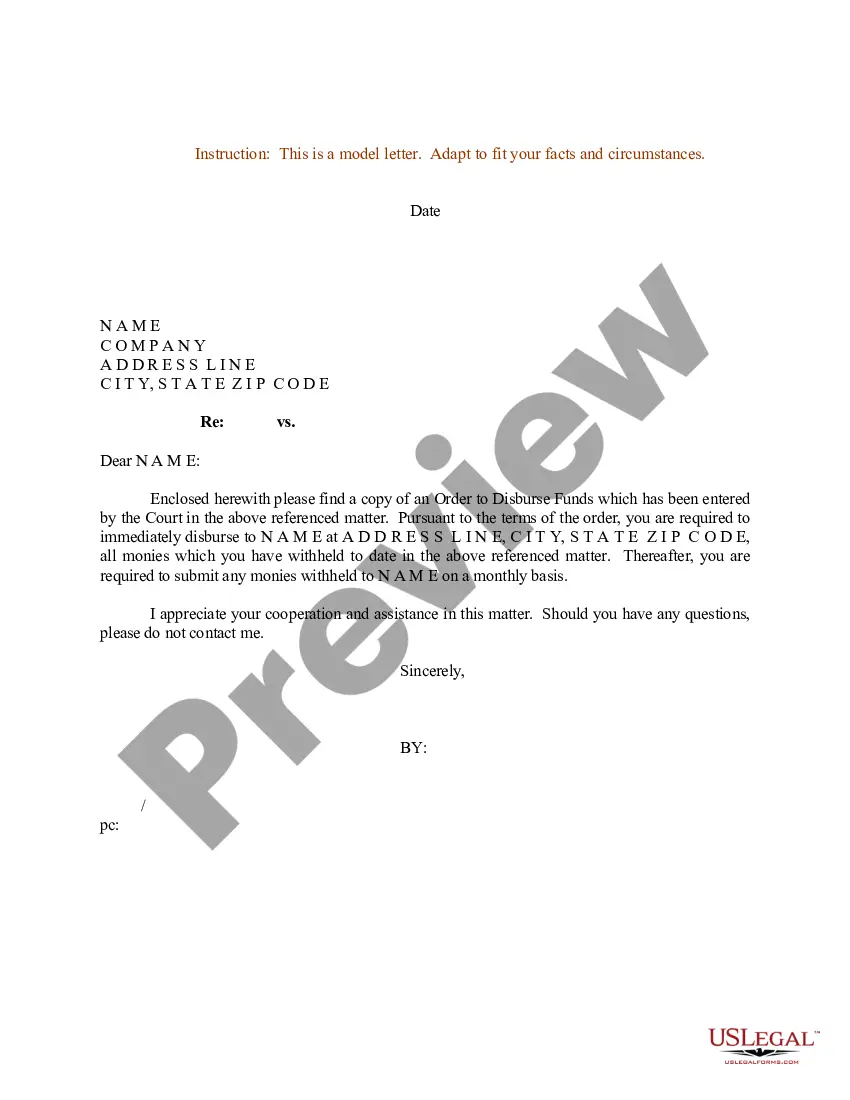
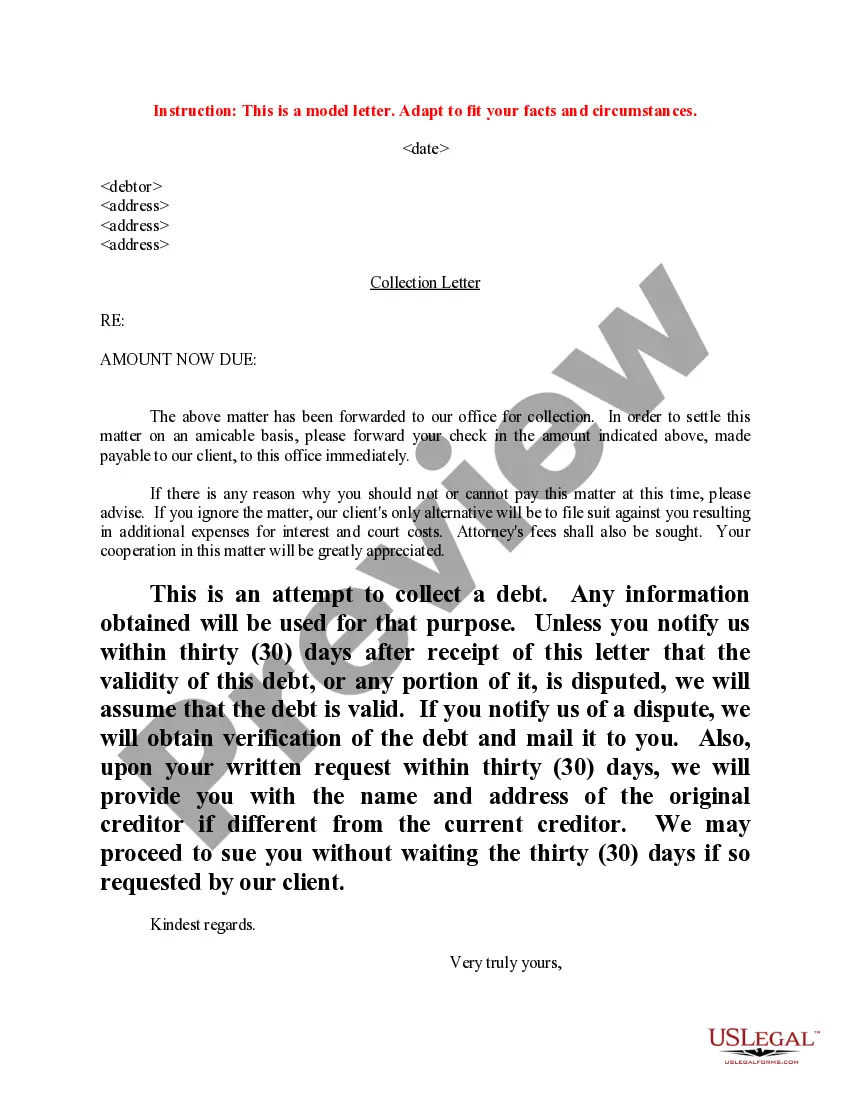
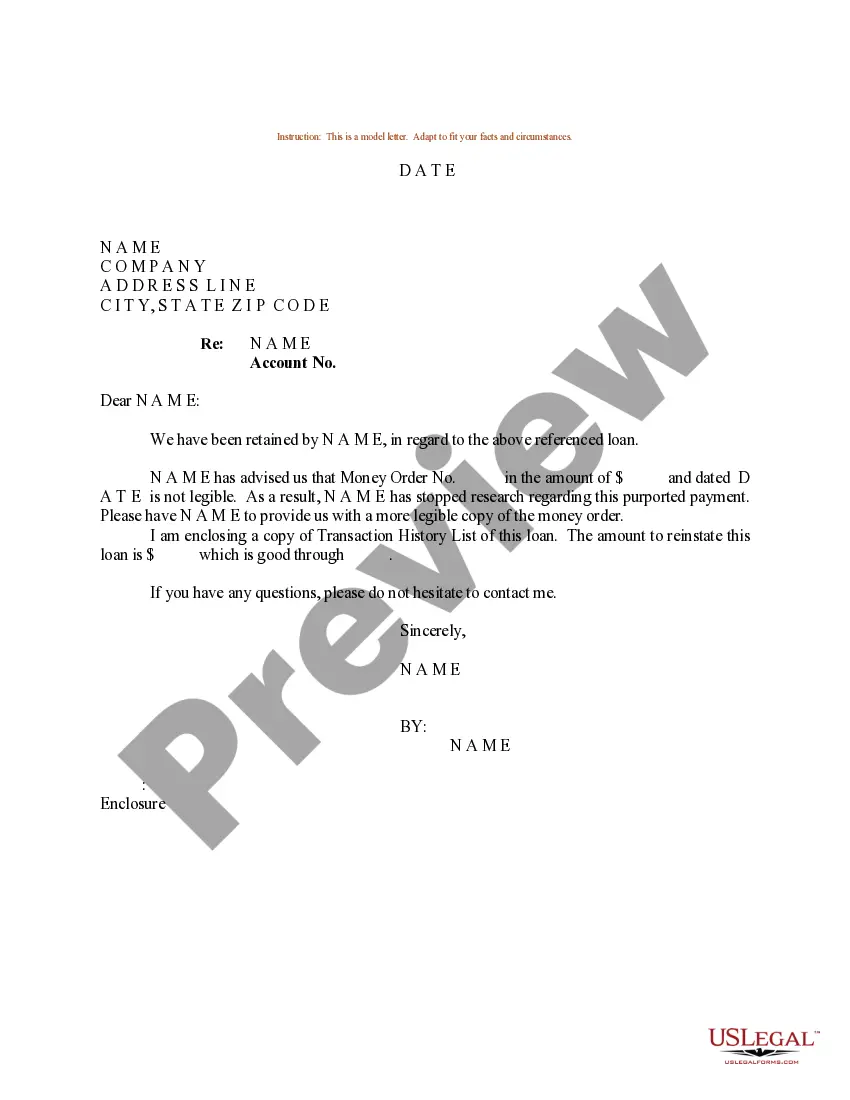
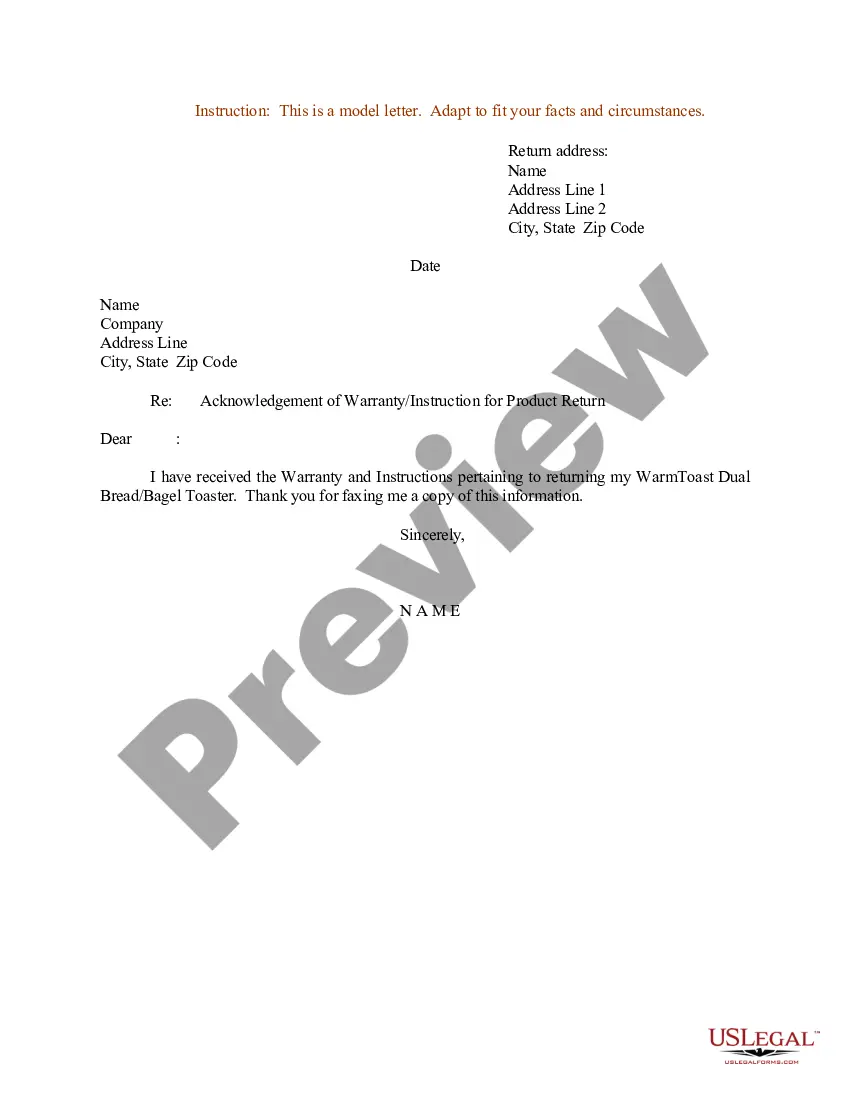
Get your form ready online
Our built-in tools help you complete, sign, share, and store your documents in one place.
Make edits, fill in missing information, and update formatting in US Legal Forms—just like you would in MS Word.
Download a copy, print it, send it by email, or mail it via USPS—whatever works best for your next step.
Sign and collect signatures with our SignNow integration. Send to multiple recipients, set reminders, and more. Go Premium to unlock E-Sign.
If this form requires notarization, complete it online through a secure video call—no need to meet a notary in person or wait for an appointment.
We protect your documents and personal data by following strict security and privacy standards.

Make edits, fill in missing information, and update formatting in US Legal Forms—just like you would in MS Word.

Download a copy, print it, send it by email, or mail it via USPS—whatever works best for your next step.

Sign and collect signatures with our SignNow integration. Send to multiple recipients, set reminders, and more. Go Premium to unlock E-Sign.

If this form requires notarization, complete it online through a secure video call—no need to meet a notary in person or wait for an appointment.

We protect your documents and personal data by following strict security and privacy standards.
Looking for another form?









Form popularity
FAQ
If you are trying to resolve a dispute, you may want to send a demand letter. You can write one yourself, but hiring an attorney will help you navigate legalities and show the recipient the seriousness of the matter.
How To Claim Unclaimed Deposits? Visit the bank where the account or deposit exists. Fill up the “claim form” with all relevant details about yourself and the account. Submit the form along with relevant documents such as KYC documents, deposit receipts and photographs.
The first demand letter should be sent no later than 30 days after the obligation becomes delinquent. The second demand letter should be sent no sooner than 30 days, but not more than 60 days, after the first demand letter.
Settlement Negotiations: The insurance company may deny your claim, accept liability or respond to the demand letter with a counter-offer. Settlement negotiations can take months.
Next Steps: Typically sent via certified mail, the recipient may respond with acceptance, denial, or a counteroffer. If no agreement is reached, the dispute may proceed to court. Detailed information is listed below.
While it's technically possible to write a demand letter yourself, there are significant advantages to seeking the guidance of a legal professional. Here's why. Professional expertise. An attorney specialized in personal injury law understands the nuances of relevant statutes, case law, and procedural requirements.
Even an attorney can make a mis-step where his or her demand letter amounts to extortion, but a non-lawyer is more likely to make such a mis-step, and is why you should never write a Demand Letter but, instead, have an attorney do it for you.

