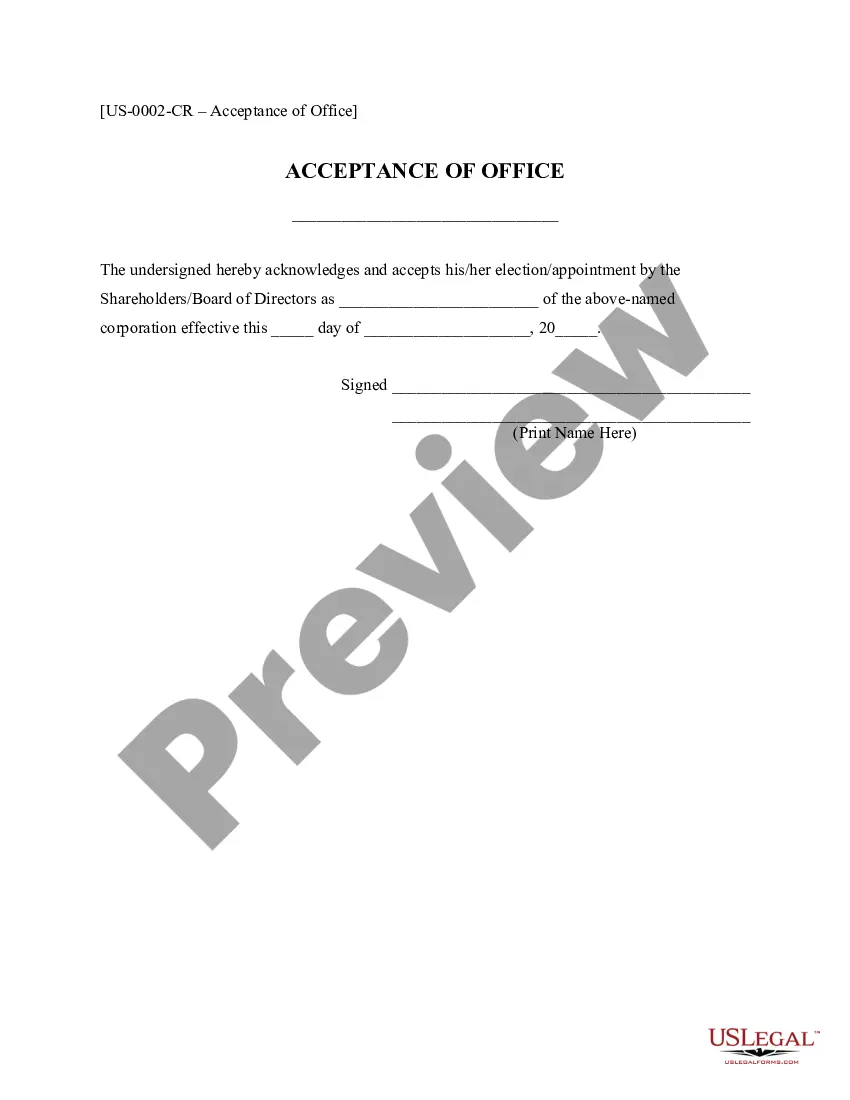
Letter For Money Lending In Tarrant
Description
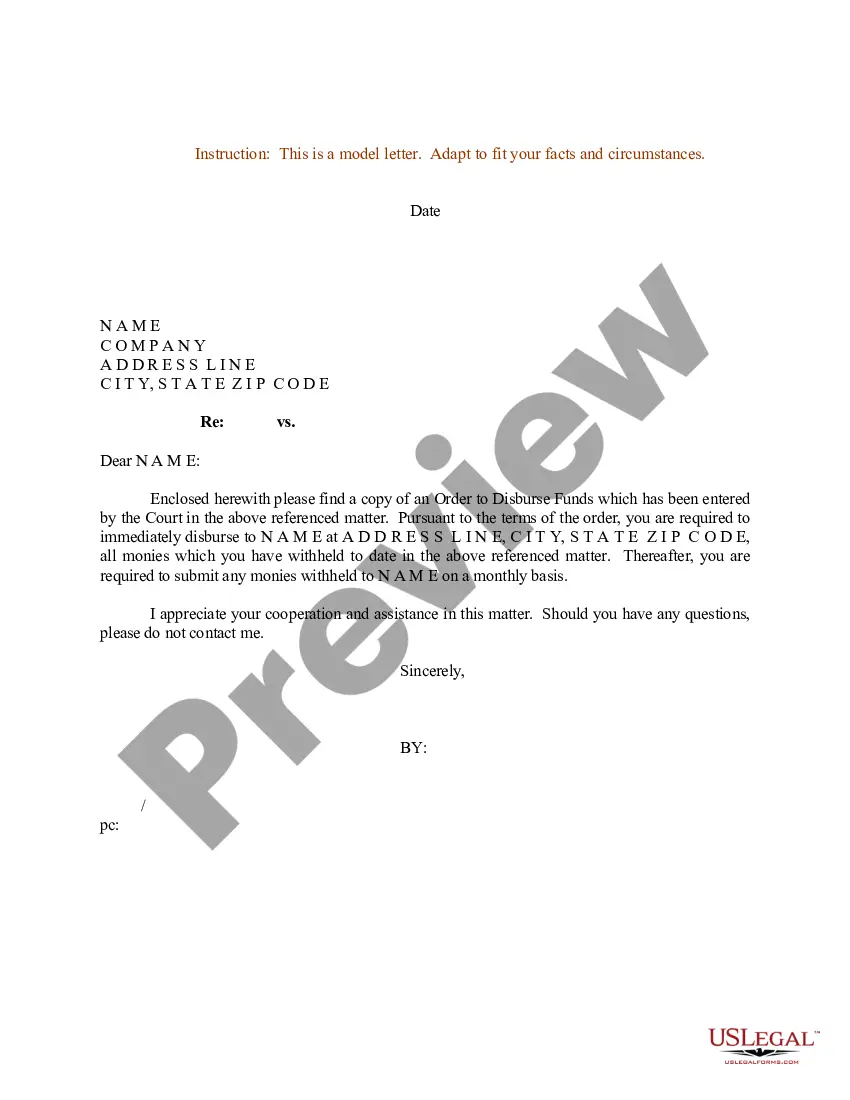
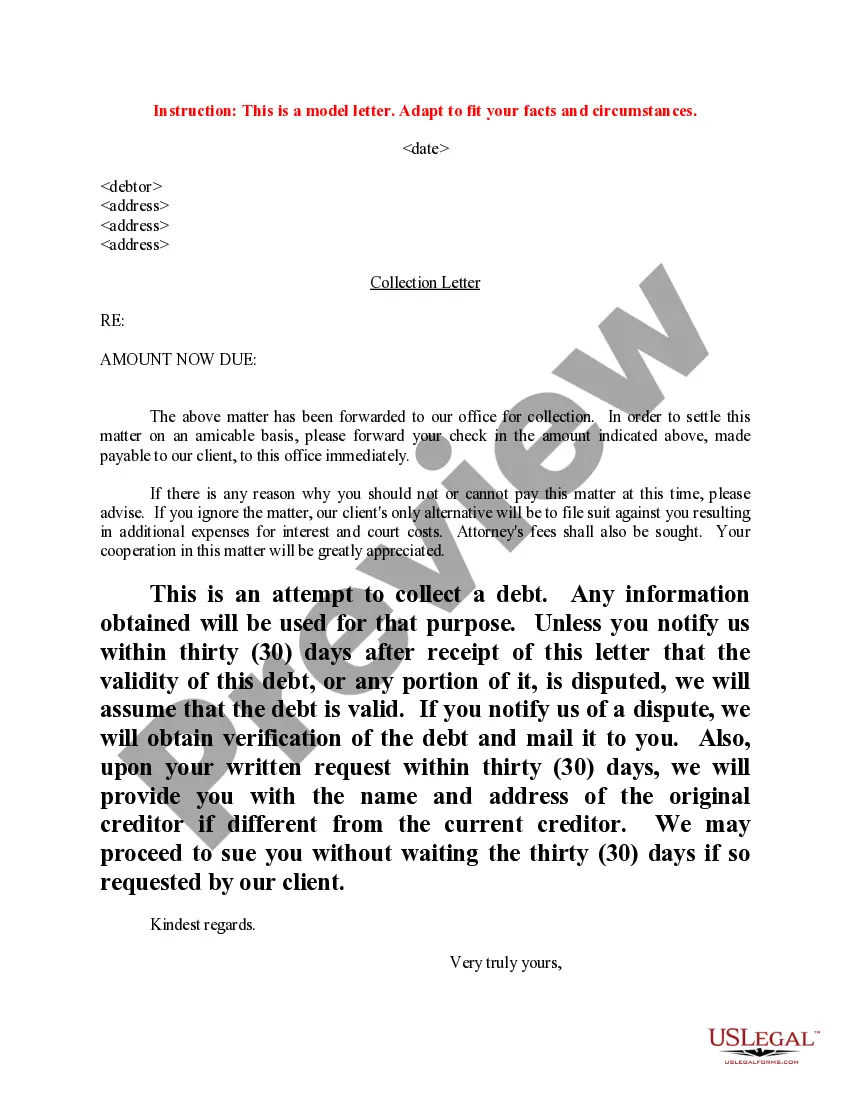
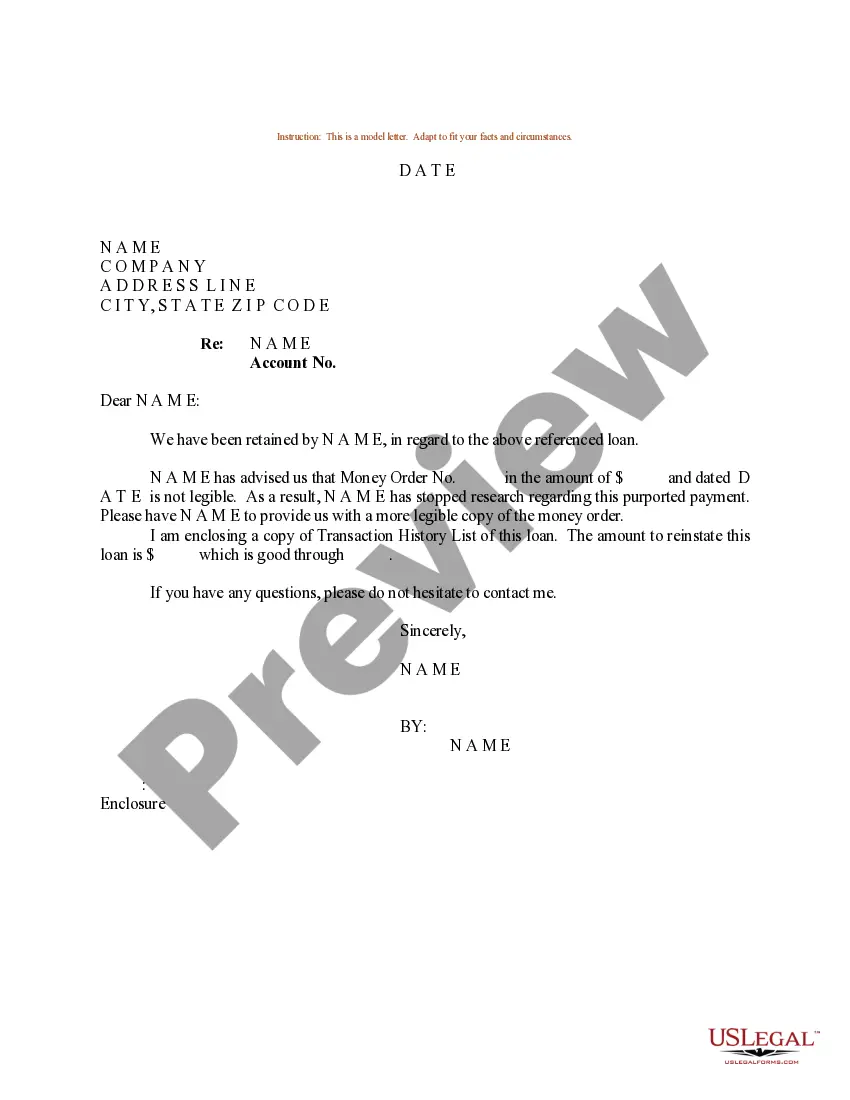
Get your form ready online
Our built-in tools help you complete, sign, share, and store your documents in one place.
Make edits, fill in missing information, and update formatting in US Legal Forms—just like you would in MS Word.
Download a copy, print it, send it by email, or mail it via USPS—whatever works best for your next step.
Sign and collect signatures with our SignNow integration. Send to multiple recipients, set reminders, and more. Go Premium to unlock E-Sign.
If this form requires notarization, complete it online through a secure video call—no need to meet a notary in person or wait for an appointment.
We protect your documents and personal data by following strict security and privacy standards.

Make edits, fill in missing information, and update formatting in US Legal Forms—just like you would in MS Word.

Download a copy, print it, send it by email, or mail it via USPS—whatever works best for your next step.

Sign and collect signatures with our SignNow integration. Send to multiple recipients, set reminders, and more. Go Premium to unlock E-Sign.

If this form requires notarization, complete it online through a secure video call—no need to meet a notary in person or wait for an appointment.

We protect your documents and personal data by following strict security and privacy standards.
Looking for another form?









Form popularity
FAQ
A demand letter is a letter, usually written by an attorney on a client's behalf, outlining the dispute between the two opposing parties and demanding that the recipient of the letter take or cease a certain action.
You may send your Texas demand letter via email or mail. For letters that you mail, consider sending your letter with tracking information so that you know when it has been delivered.
A demand letter is a letter submitted to an insurance company during a personal injury claim that identifies the dollar amount the injured person wants in a settlement. It outlines all relevant information about the case, including: The type of injury and its effects on the victim's daily life.
Next Steps: Typically sent via certified mail, the recipient may respond with acceptance, denial, or a counteroffer. If no agreement is reached, the dispute may proceed to court. Detailed information is listed below.
The primary purpose of a demand letter is to provide a clear and concise statement of the problem and the desired resolution, with the goal of avoiding legal action. Demand letters are commonly used in pre-legal actions, such as debt collection, contract breaches, and other disputes.
Treat the following as a set of general guidelines: Gather complete information before you start writing. Describe your injuries and medical treatment. List your medical expenses, lost wages, and non-economic damages. Make a settlement demand. Include a deadline for legal action if you want to, but don't bluff.