Letter With Money In San Diego
Description
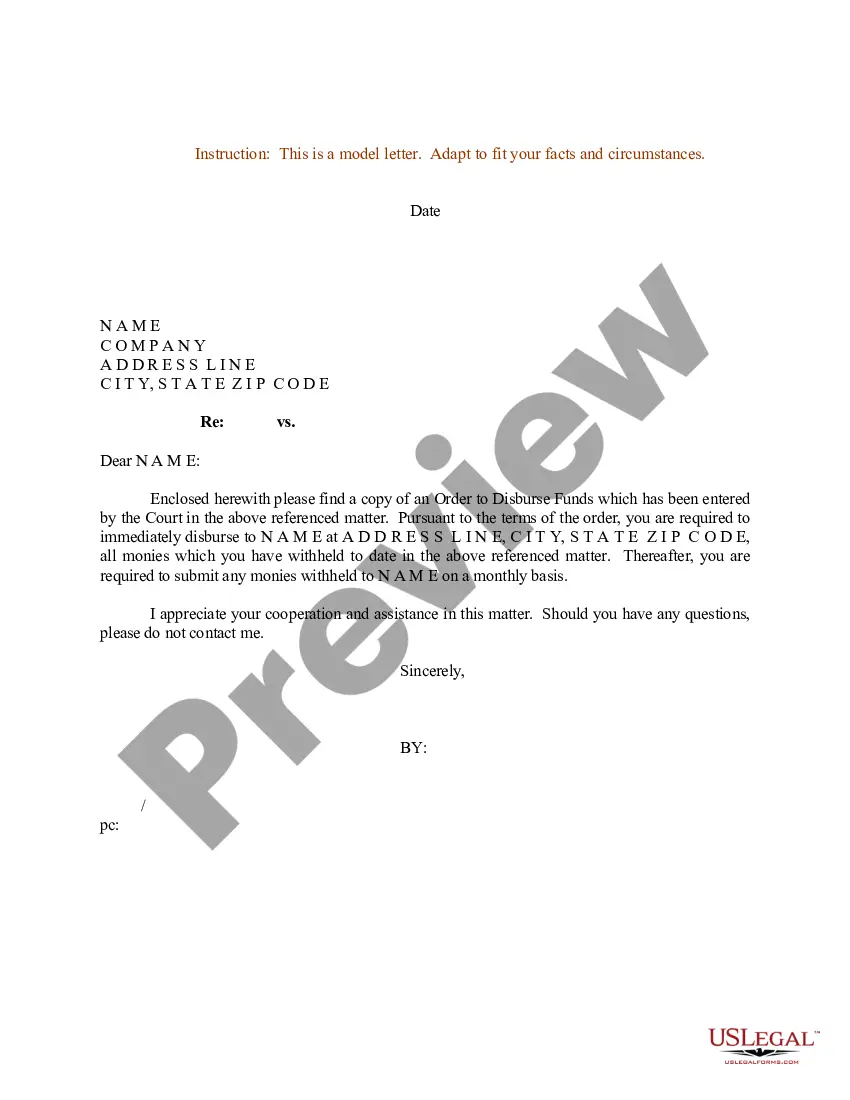
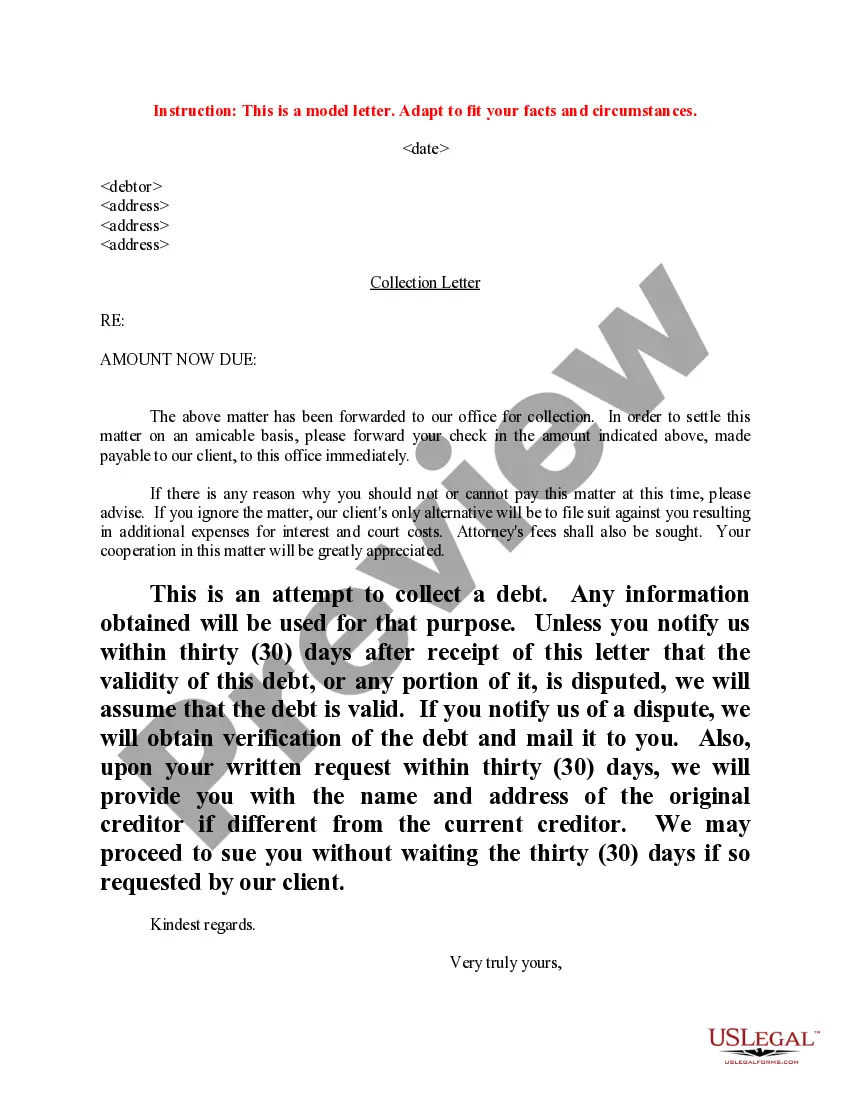
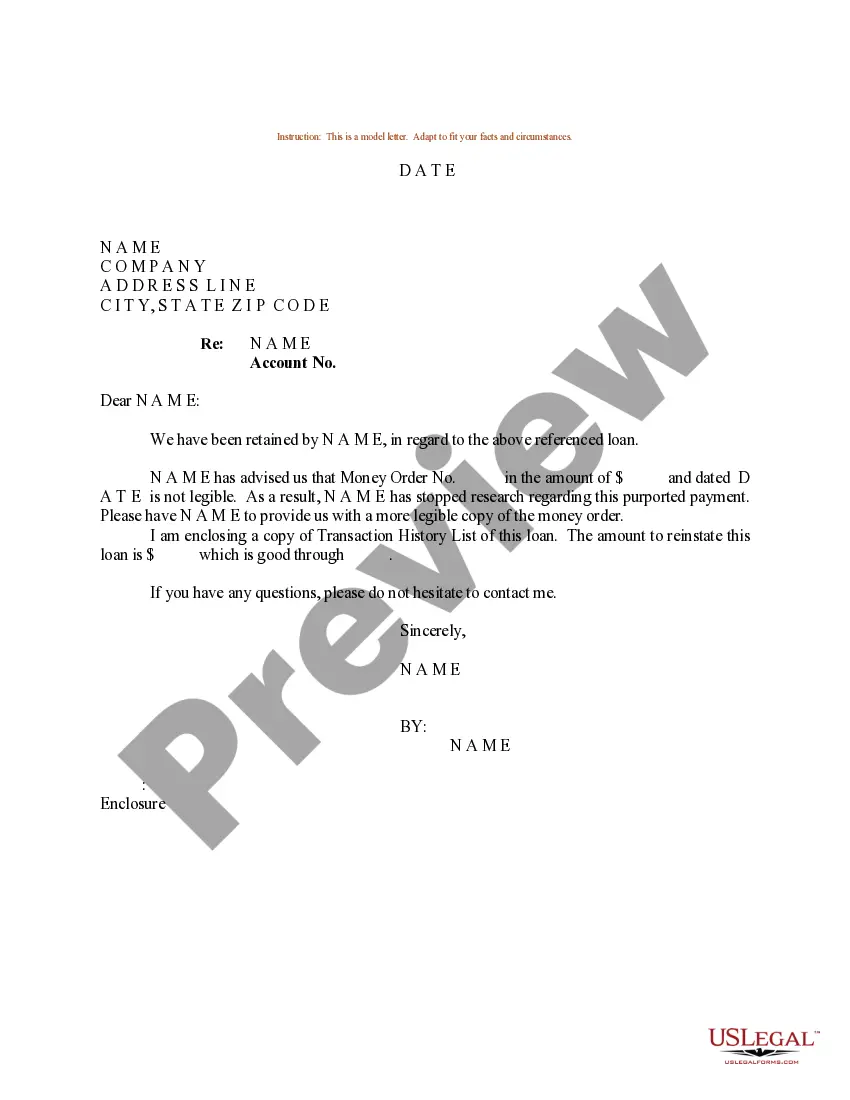
Get your form ready online
Our built-in tools help you complete, sign, share, and store your documents in one place.
Make edits, fill in missing information, and update formatting in US Legal Forms—just like you would in MS Word.
Download a copy, print it, send it by email, or mail it via USPS—whatever works best for your next step.
Sign and collect signatures with our SignNow integration. Send to multiple recipients, set reminders, and more. Go Premium to unlock E-Sign.
If this form requires notarization, complete it online through a secure video call—no need to meet a notary in person or wait for an appointment.
We protect your documents and personal data by following strict security and privacy standards.

Make edits, fill in missing information, and update formatting in US Legal Forms—just like you would in MS Word.

Download a copy, print it, send it by email, or mail it via USPS—whatever works best for your next step.

Sign and collect signatures with our SignNow integration. Send to multiple recipients, set reminders, and more. Go Premium to unlock E-Sign.

If this form requires notarization, complete it online through a secure video call—no need to meet a notary in person or wait for an appointment.

We protect your documents and personal data by following strict security and privacy standards.
Looking for another form?
Form popularity
FAQ
If you are trying to resolve a dispute, you may want to send a demand letter. You can write one yourself, but hiring an attorney will help you navigate legalities and show the recipient the seriousness of the matter.
While it's technically possible to write a demand letter yourself, there are significant advantages to seeking the guidance of a legal professional. Here's why. Professional expertise. An attorney specialized in personal injury law understands the nuances of relevant statutes, case law, and procedural requirements.
Potential Legal Risks Demand letters that include threats of litigation, accusations of infringement, recitations of the legal requirements for infringement, and/or a refusal for the marks to co-exist may increase the risk that the trademark holder will be subject to a declaratory judgment action.
Provide Detailed Information: Include relevant details such as dates, amounts owed, and any contractual agreements or promises made. Provide supporting documentation, such as invoices, contracts, or correspondence, to substantiate your claim. 3. Be Concise and Professional: Keep your letter concise and professional.
An individual, which includes a sole proprietorship, may file a claim up to a maximum of $12,500. Only the actual party to the claim may file. You must represent yourself at the small claims hearing. Attorneys or others are not permitted to represent a party in small claims court.
This study answers two fundamental questions about small claims courts: (1) Who usually wins? (2) Do victors collect their judgments? The rate of victory for plaintiffs who file claims and appear in court is eighty-five percent. Of winning plaintiffs, fifty-five percent never collect any part of their judgments.
Conclusion: Going to small claims court may be worth it for $500, but it will determine how you weigh your costs versus benefits. At a minimum, it is worth it to send a demand letter.
In most cases, pursuing a lawsuit against a financially insolvent party is the right idea unless the potential recovery is so low that you would end up spending more than you could gain.
Although a demand letter is not a required prerequisite to a lawsuit under California law, courts tend to have a more favorable view of parties that make good faith efforts to resolve disputes prior to formal legal action in court.
A demand letter can be used as evidence that you sent written notice before filing your lawsuit. This is especially important if your claim is based on a federal act or state statute that requires you to provide notice before filing a lawsuit.

