Letter For Money Received In San Bernardino
Description
Get your form ready online
Our built-in tools help you complete, sign, share, and store your documents in one place.
Make edits, fill in missing information, and update formatting in US Legal Forms—just like you would in MS Word.
Download a copy, print it, send it by email, or mail it via USPS—whatever works best for your next step.
Sign and collect signatures with our SignNow integration. Send to multiple recipients, set reminders, and more. Go Premium to unlock E-Sign.
If this form requires notarization, complete it online through a secure video call—no need to meet a notary in person or wait for an appointment.
We protect your documents and personal data by following strict security and privacy standards.

Make edits, fill in missing information, and update formatting in US Legal Forms—just like you would in MS Word.

Download a copy, print it, send it by email, or mail it via USPS—whatever works best for your next step.

Sign and collect signatures with our SignNow integration. Send to multiple recipients, set reminders, and more. Go Premium to unlock E-Sign.

If this form requires notarization, complete it online through a secure video call—no need to meet a notary in person or wait for an appointment.

We protect your documents and personal data by following strict security and privacy standards.
Looking for another form?








Form popularity
FAQ
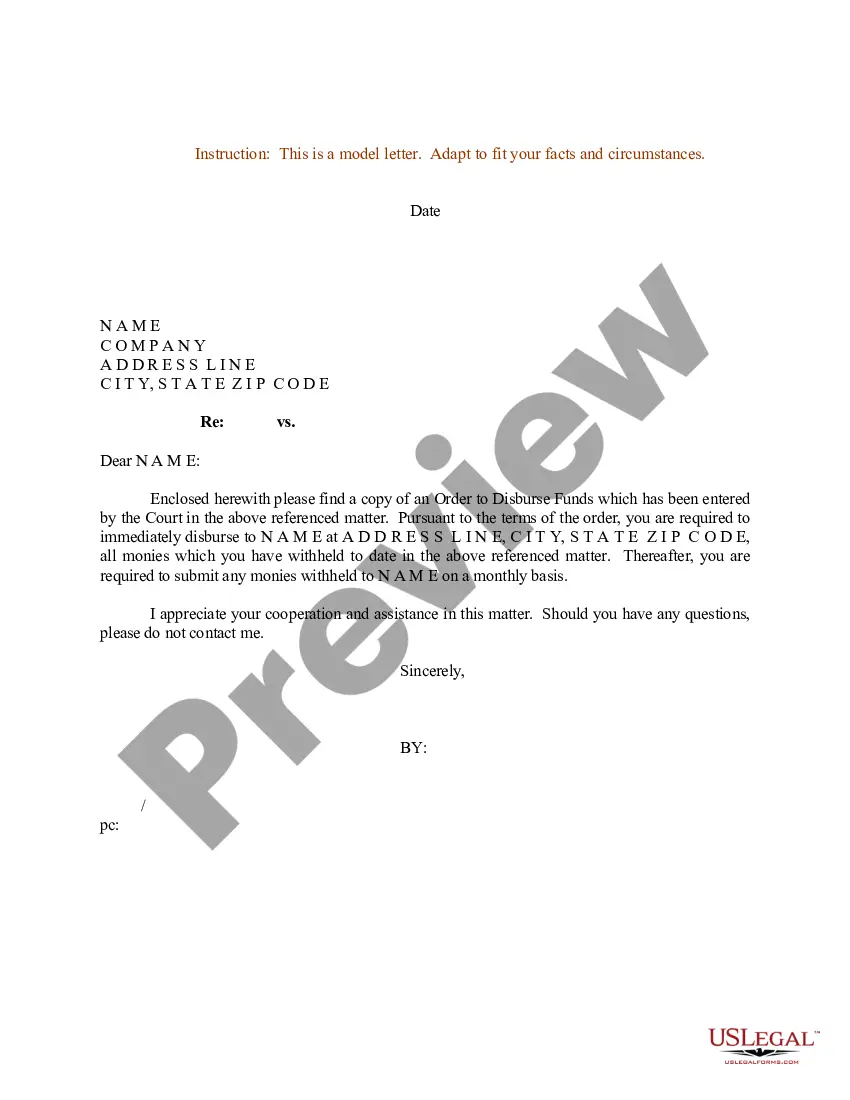
Dear Recipient's Name, I am writing to formally notify you of my intent to pursue legal action against you or your company, if applicable concerning the ongoing dispute involving briefly describe the issue, e.g., a breach of contract, unpaid debts, property damage, etc..
Provide Detailed Information: Include relevant details such as dates, amounts owed, and any contractual agreements or promises made. Provide supporting documentation, such as invoices, contracts, or correspondence, to substantiate your claim. 3. Be Concise and Professional: Keep your letter concise and professional.
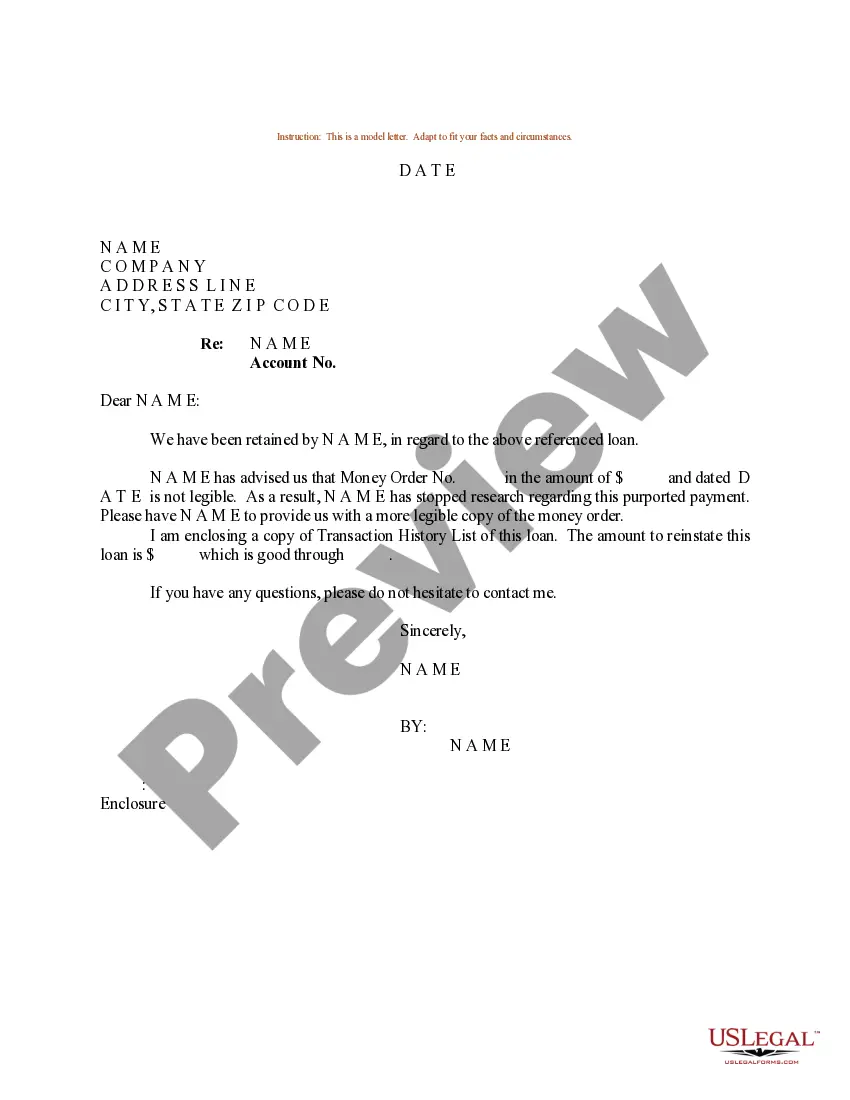
Frequently Asked Questions (FAQ) Type your letter. Concisely review the main facts. Be polite. Write with your goal in mind. Ask for exactly what you want. Set a deadline. End the letter by stating you will promptly pursue legal remedies if the other party does not meet your demand. Make and keep copies.
Although a demand letter is not a required prerequisite to a lawsuit under California law, courts tend to have a more favorable view of parties that make good faith efforts to resolve disputes prior to formal legal action in court.
An Introduction: Attorney identifies themself (or not) ... A brief overview (story) of what the evidence will show. Presented from your side's perspective. A brief explanation of what has to be proved. Identify the witnesses. Tell what the key testimony of each witness will be. A conclusion.
Make a copy of each letter before sending it. Send your letter by regular and certified mail with a return receipt requested. Send it also by regular mail with tracking/delivery confirmation in case the recipient refuses to sign the receipt. Keep a copy of all post office receipts.
California Demand Letter Requirements State the Relief Being Sought. When writing a demand letter, you must clearly state what kind of relief you are seeking. Assert a Reason. Identify Any Deadlines. Identify the Party. E-Mail v. Proof of Delivery. Having a CA Attorney Send your Demand Letter. CA Small Claims Requirements.
If you are trying to resolve a dispute, you may want to send a demand letter. You can write one yourself, but hiring an attorney will help you navigate legalities and show the recipient the seriousness of the matter.
If you are trying to resolve a dispute, you may want to send a demand letter. You can write one yourself, but hiring an attorney will help you navigate legalities and show the recipient the seriousness of the matter.
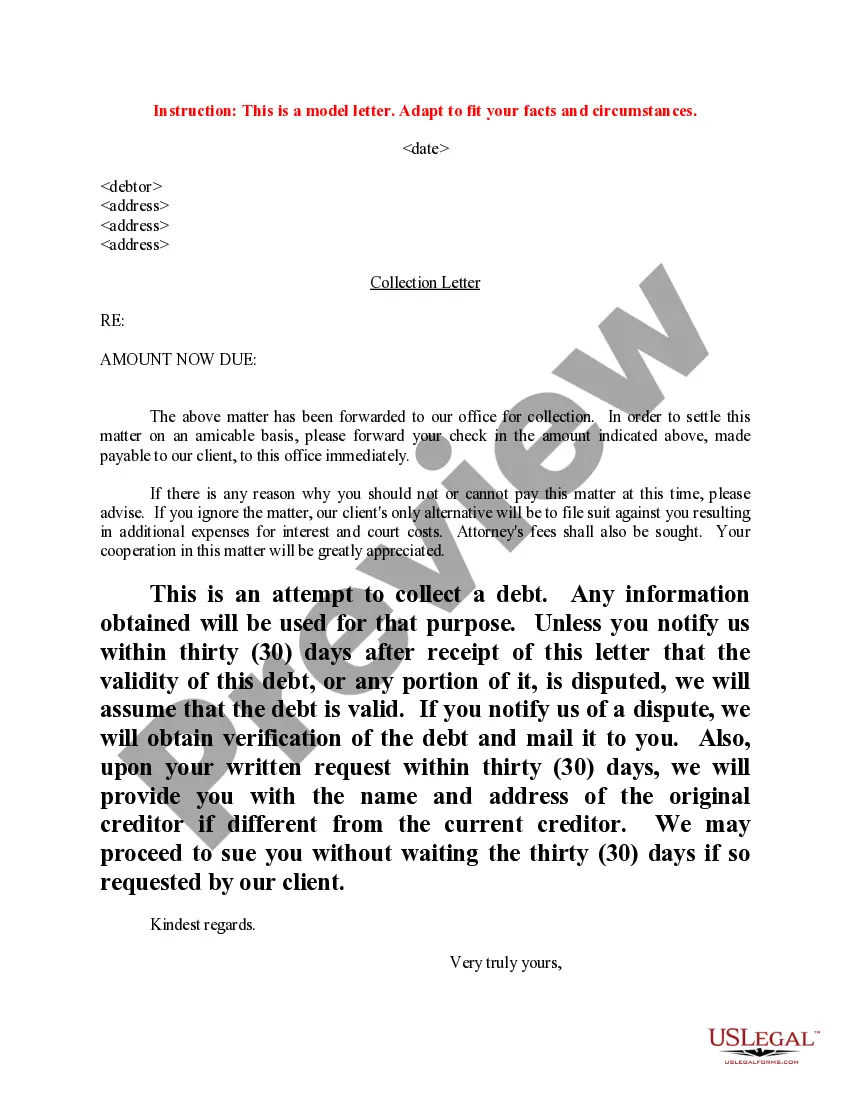
The demand letter opens a discussion between you and your opponent by explaining your side of the story, the amount you've incurred in bills, and the settlement amount requested. If your efforts to resolve the dispute fail after sending your demand letter, you can file a claim in small claims court.