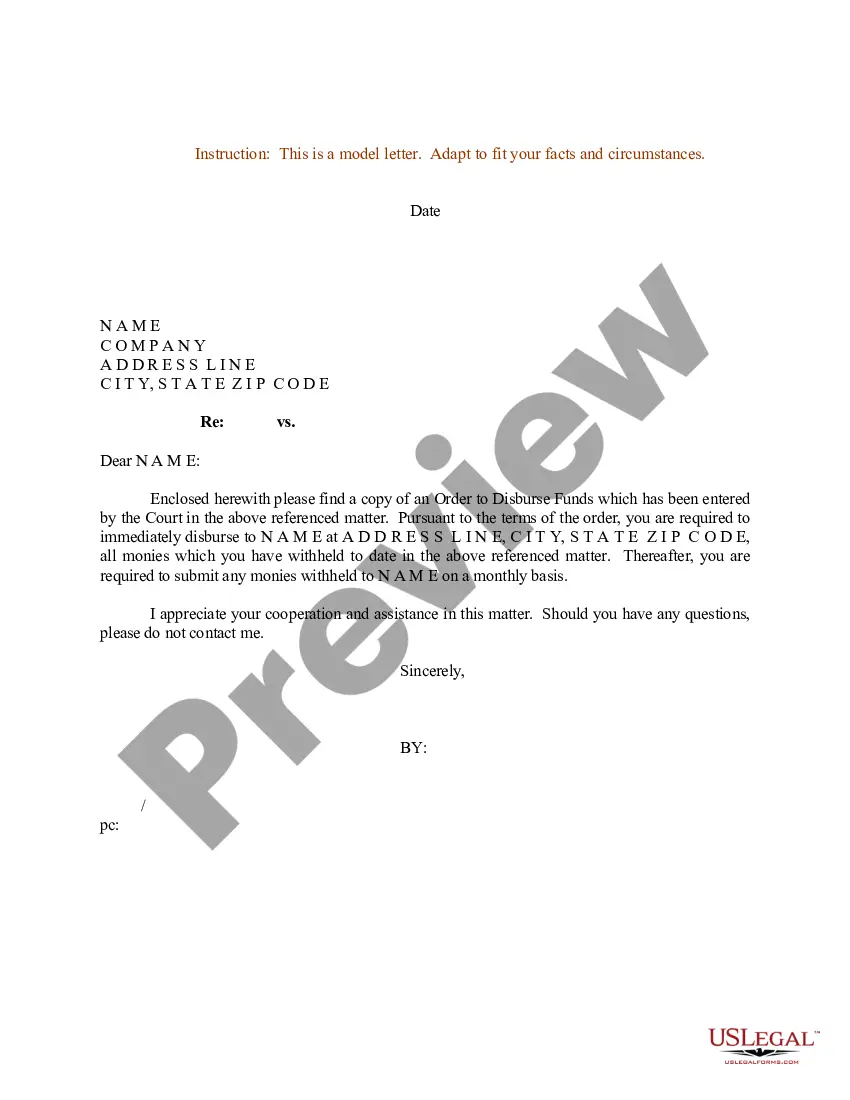
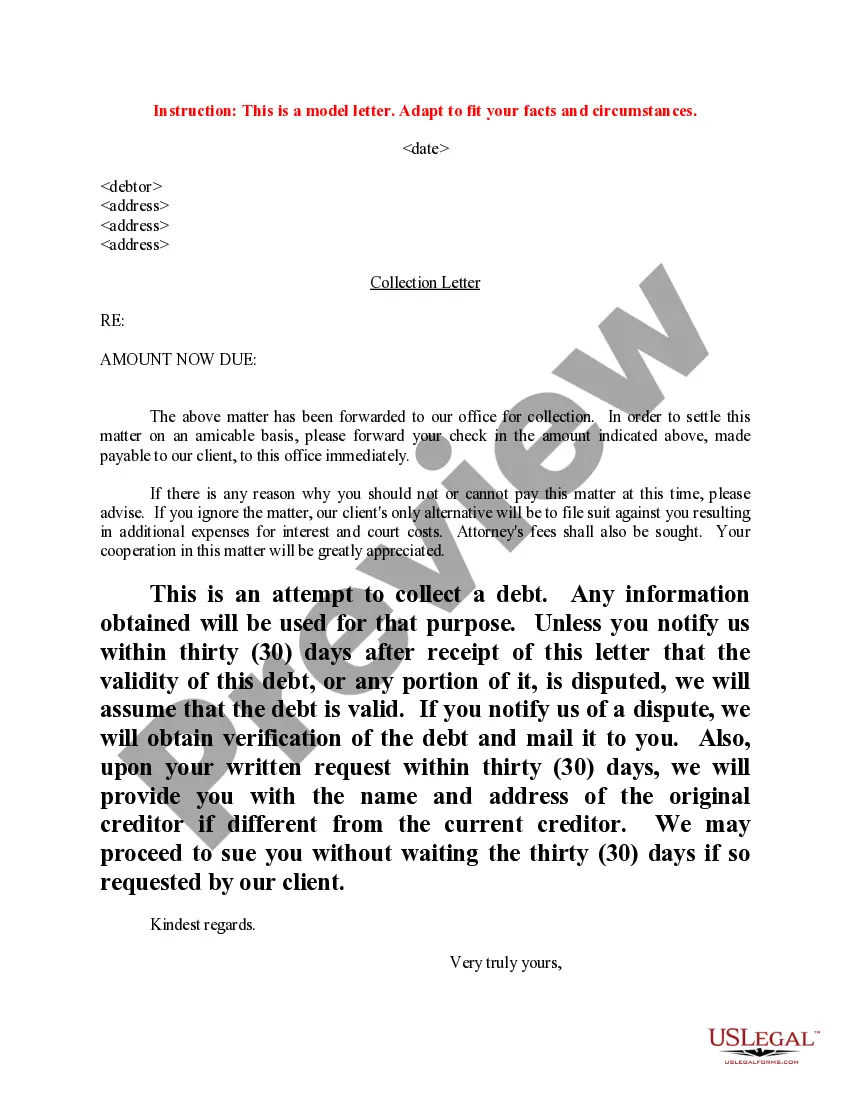
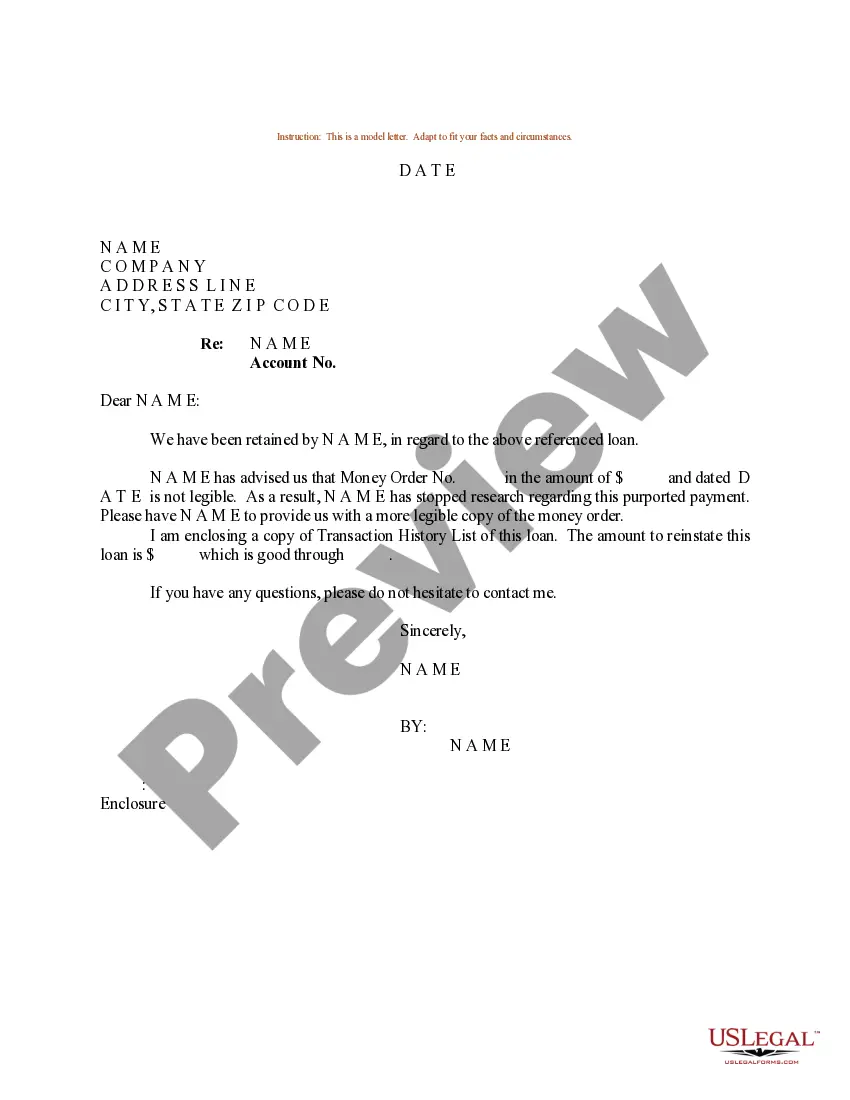
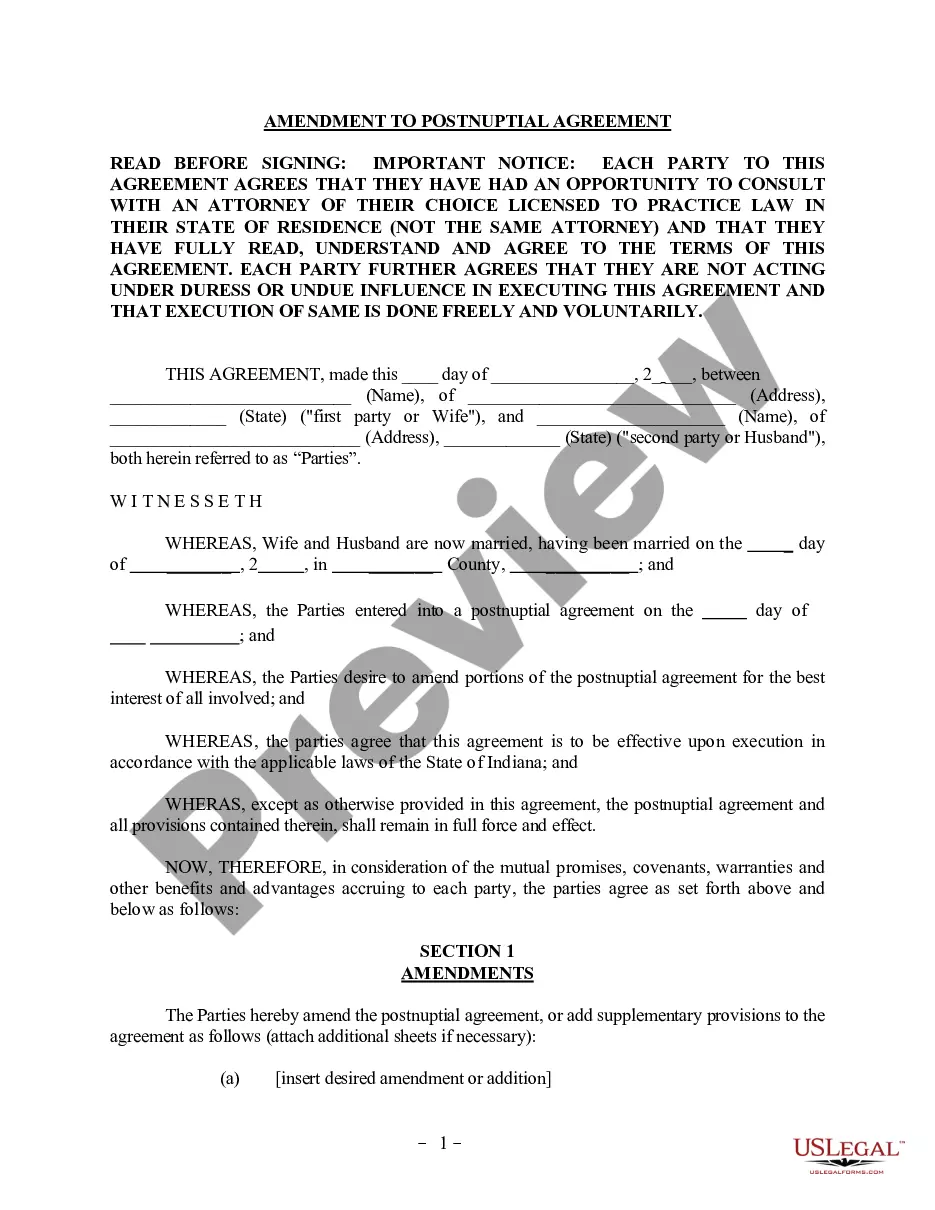
Letter For Money Request In Michigan
Description
Get your form ready online
Our built-in tools help you complete, sign, share, and store your documents in one place.
Make edits, fill in missing information, and update formatting in US Legal Forms—just like you would in MS Word.
Download a copy, print it, send it by email, or mail it via USPS—whatever works best for your next step.
Sign and collect signatures with our SignNow integration. Send to multiple recipients, set reminders, and more. Go Premium to unlock E-Sign.
If this form requires notarization, complete it online through a secure video call—no need to meet a notary in person or wait for an appointment.
We protect your documents and personal data by following strict security and privacy standards.

Make edits, fill in missing information, and update formatting in US Legal Forms—just like you would in MS Word.

Download a copy, print it, send it by email, or mail it via USPS—whatever works best for your next step.

Sign and collect signatures with our SignNow integration. Send to multiple recipients, set reminders, and more. Go Premium to unlock E-Sign.

If this form requires notarization, complete it online through a secure video call—no need to meet a notary in person or wait for an appointment.

We protect your documents and personal data by following strict security and privacy standards.
Looking for another form?




Form popularity
FAQ
The Franchise Tax Board will send a notice or letter to personal taxpayers and business entities for issues that may include but not limited to: You have a balance due. You are due a larger or smaller refund. We need to notify you of delays in processing your return.
While it's technically possible to write a demand letter yourself, there are significant advantages to seeking the guidance of a legal professional. Here's why. Professional expertise. An attorney specialized in personal injury law understands the nuances of relevant statutes, case law, and procedural requirements.
Conclusion: Going to small claims court may be worth it for $500, but it will determine how you weigh your costs versus benefits. At a minimum, it is worth it to send a demand letter.
The maximum you can collect through a judgment in the small claims division of the district court is $7,000. If your claim is for more than $7,000, you can still use the small claims division but your judgment award cannot exceed $7,000 and you permanently waive the right to collect the rest of your claim.
The maximum you can collect through a judgment in the small claims division of the district court is $7,000. If your claim is for more than $7,000, you can still use the small claims division but your judgment award cannot exceed $7,000 and you permanently waive the right to collect the rest of your claim.
The Nuts and Bolts of a Demand Letter Gather complete information before you start writing. Describe your injuries and medical treatment. List your medical expenses, lost wages, and non-economic damages. Make a settlement demand. Include a deadline for legal action if you want to, but don't bluff.
However, sending a letter of demand can have its disadvantages. Depending on the situation, the other party may feel threatened and respond negatively, or they may not respond at all. They might engage a lawyer, or they might even start legal action against you.
When writing a demand letter, you must: Indicate that the letter is sent WITHOUT PREJUDICE. This is important to facilitate possible settlement conversations. Inform the opposing party that you are retained with respect to the matter.
What to Do If You Receive a Demand Letter agree to do what the person is asking and put an end to the dispute. contact the person(or her lawyer) to explain why you don't agree with her. contact the person (or her lawyer) to let her know that you refuse to do what you're being asked to do and to explain why.

