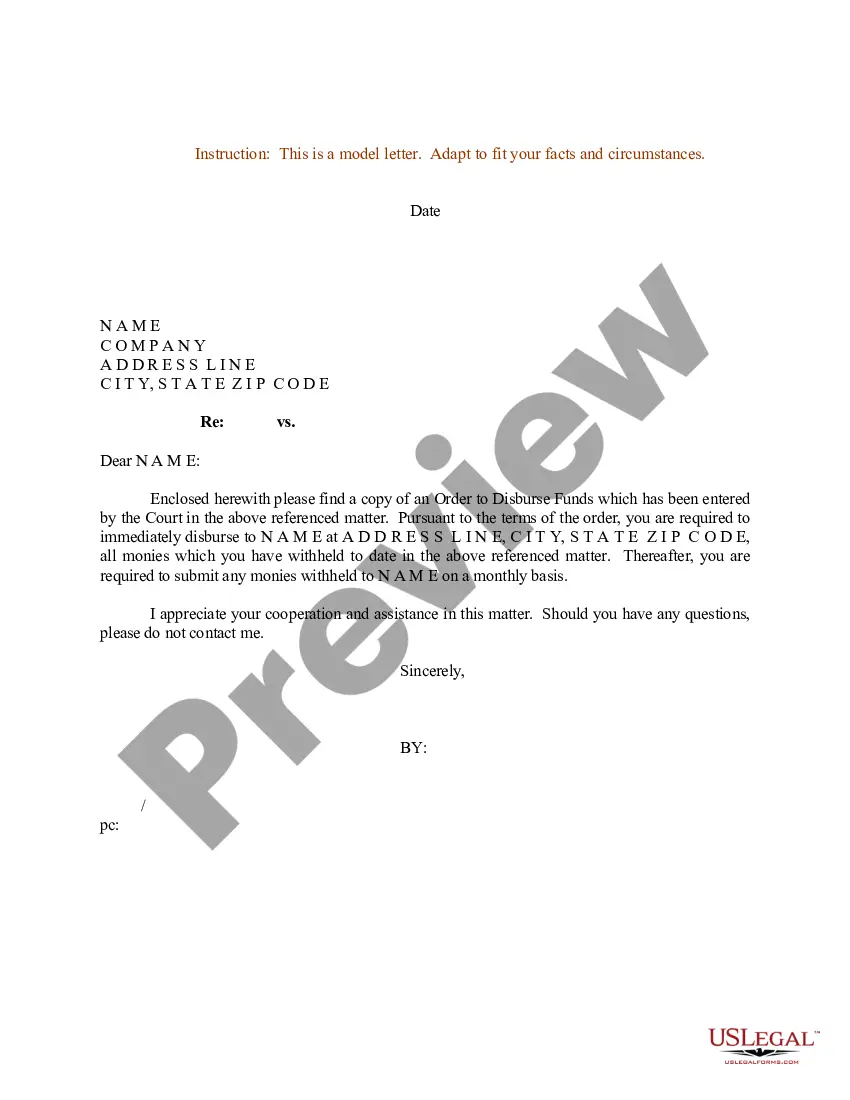
Letter For Money Request In Contra Costa
Description
Get your form ready online
Our built-in tools help you complete, sign, share, and store your documents in one place.
Make edits, fill in missing information, and update formatting in US Legal Forms—just like you would in MS Word.
Download a copy, print it, send it by email, or mail it via USPS—whatever works best for your next step.
Sign and collect signatures with our SignNow integration. Send to multiple recipients, set reminders, and more. Go Premium to unlock E-Sign.
If this form requires notarization, complete it online through a secure video call—no need to meet a notary in person or wait for an appointment.
We protect your documents and personal data by following strict security and privacy standards.

Make edits, fill in missing information, and update formatting in US Legal Forms—just like you would in MS Word.

Download a copy, print it, send it by email, or mail it via USPS—whatever works best for your next step.

Sign and collect signatures with our SignNow integration. Send to multiple recipients, set reminders, and more. Go Premium to unlock E-Sign.

If this form requires notarization, complete it online through a secure video call—no need to meet a notary in person or wait for an appointment.

We protect your documents and personal data by following strict security and privacy standards.
Looking for another form?






Form popularity
FAQ
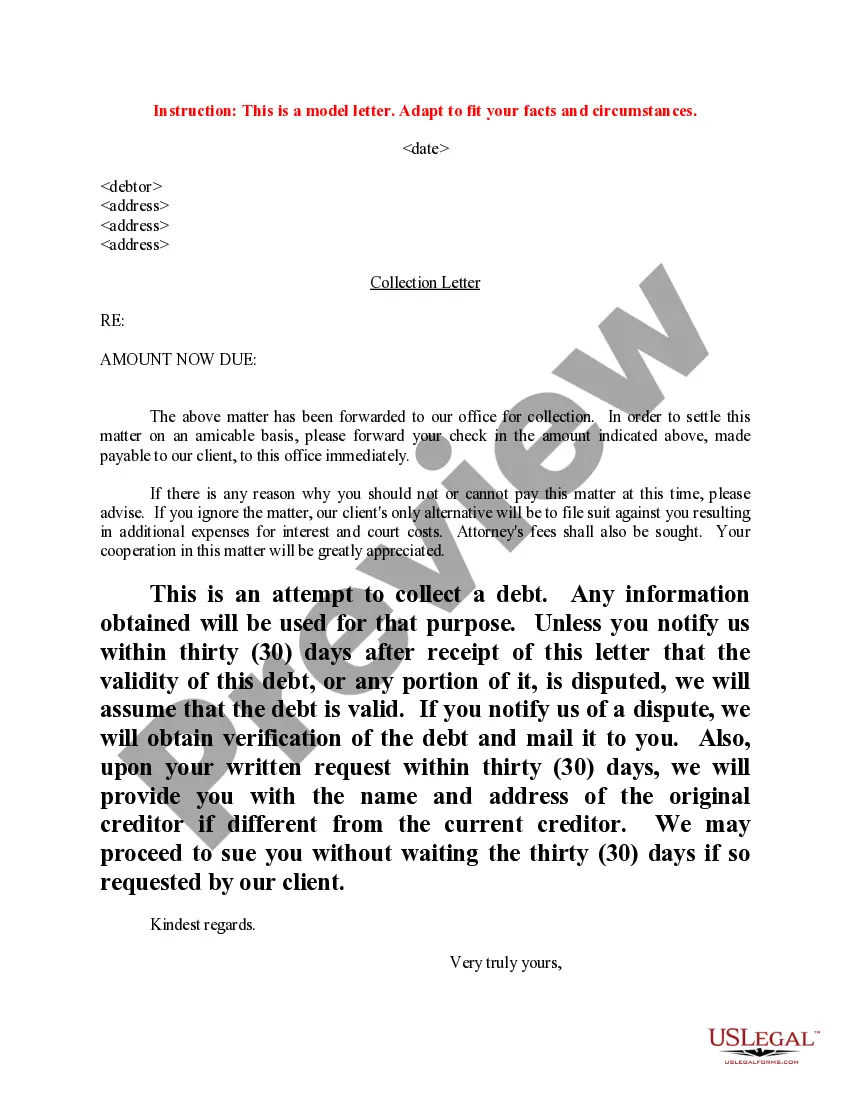
Demand letters are valuable tools for creating records, dispute resolution, and much more. But, they can backfire and lead to liability for the sender and even its attorney for threats or demands that are legally improper.
Potential Legal Risks Demand letters that include threats of litigation, accusations of infringement, recitations of the legal requirements for infringement, and/or a refusal for the marks to co-exist may increase the risk that the trademark holder will be subject to a declaratory judgment action.
Do Demand Letters Always Work? No, demand letters don't always work—and they're less effective now than they were ten years ago. However, they remain a valuable step in most cases.
If you are trying to resolve a dispute, you may want to send a demand letter. You can write one yourself, but hiring an attorney will help you navigate legalities and show the recipient the seriousness of the matter.
California Demand Letter Requirements State the Relief Being Sought. When writing a demand letter, you must clearly state what kind of relief you are seeking. Assert a Reason. Identify Any Deadlines. Identify the Party. E-Mail v. Proof of Delivery. Having a CA Attorney Send your Demand Letter. CA Small Claims Requirements.
This includes the name of the person or company being addressed, a clear statement of the demand being made, and appropriate legal arguments to back up your claim. Additionally, you should make sure that the demand letter is signed by both parties and notarized if necessary.
You can write it yourself. A demand letter is literally what it says, letter that demands something. It's not legally significant. Most people don't take them seriously unless they're from a lawyer, though.
While you can draft some documents with little help, it's wise to consult with or hire a licensed attorney for legal document preparation services or to get legal advice for things like divorce proceedings, child support, and large estate planning.
You can send a demand letter without a lawyer. If you currently have a dispute against a person or company, consider sending a demand letter as a way to resolve the issue outside of court. A demand letter is a letter outlining a set of requests you would like the other person or company to fulfill.

