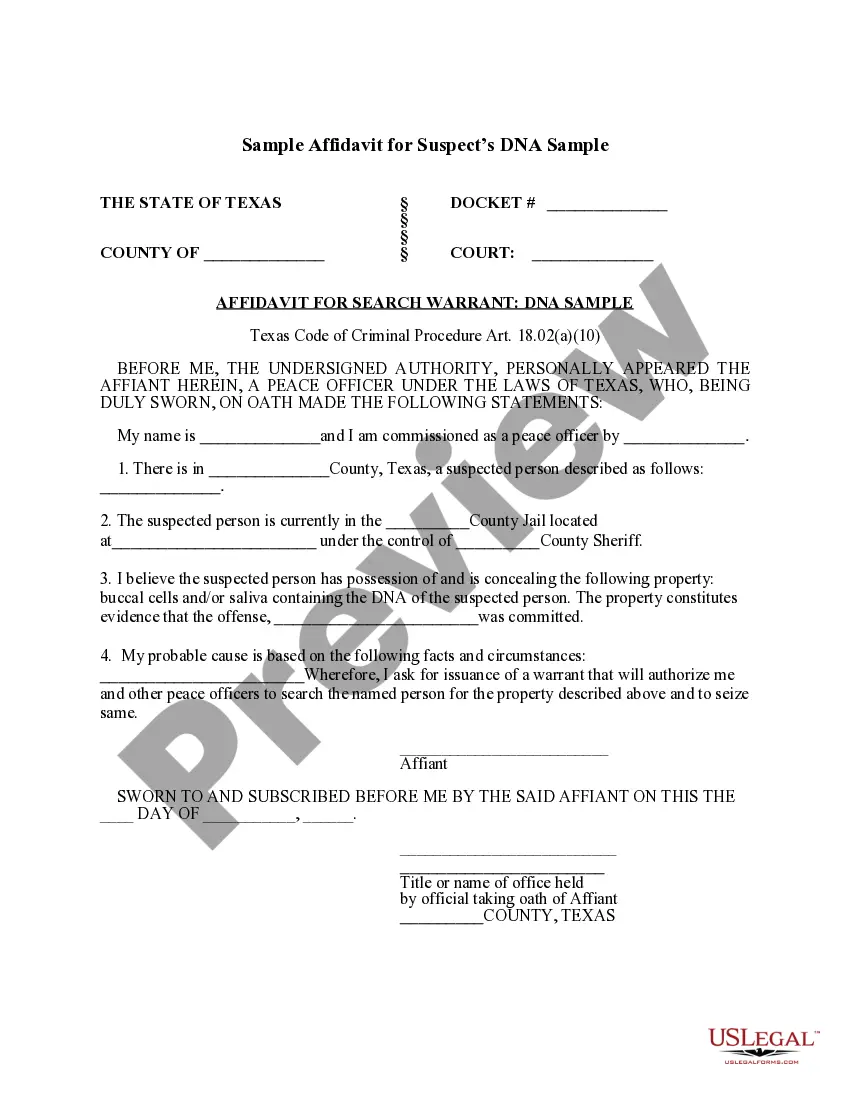
Letter For Money Request In Bronx
Description
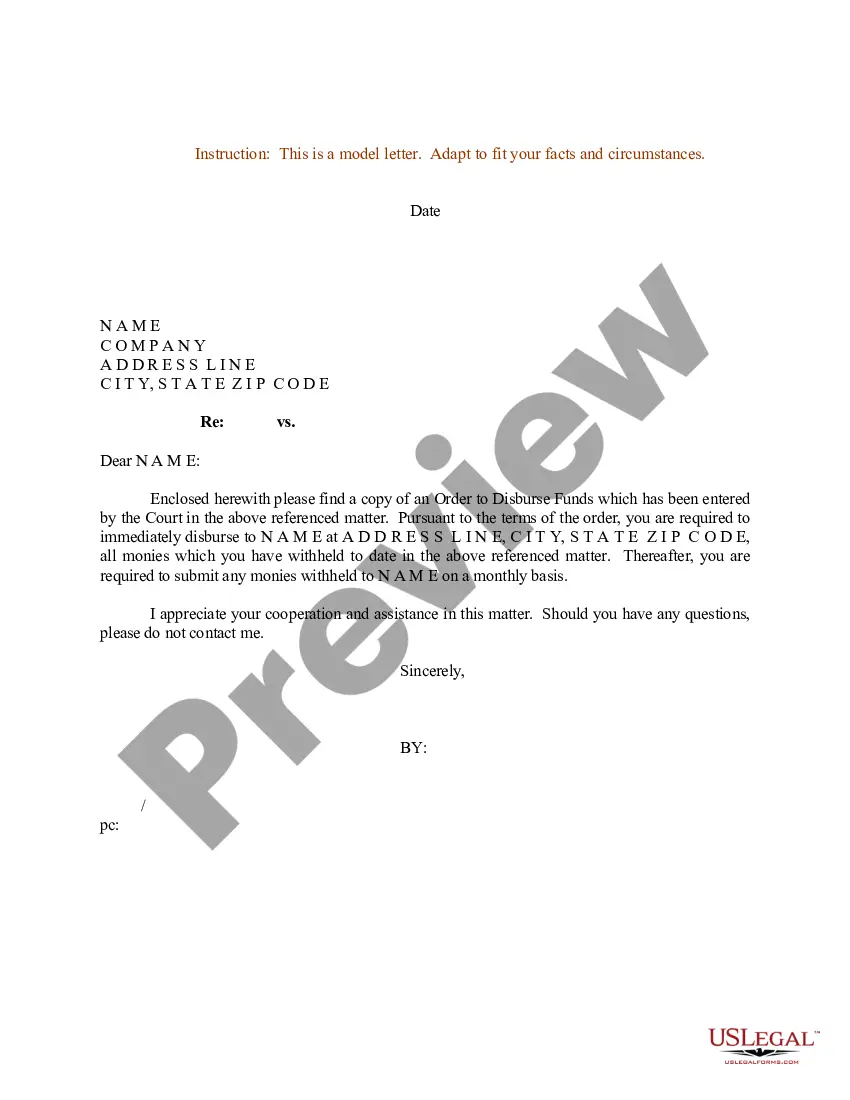
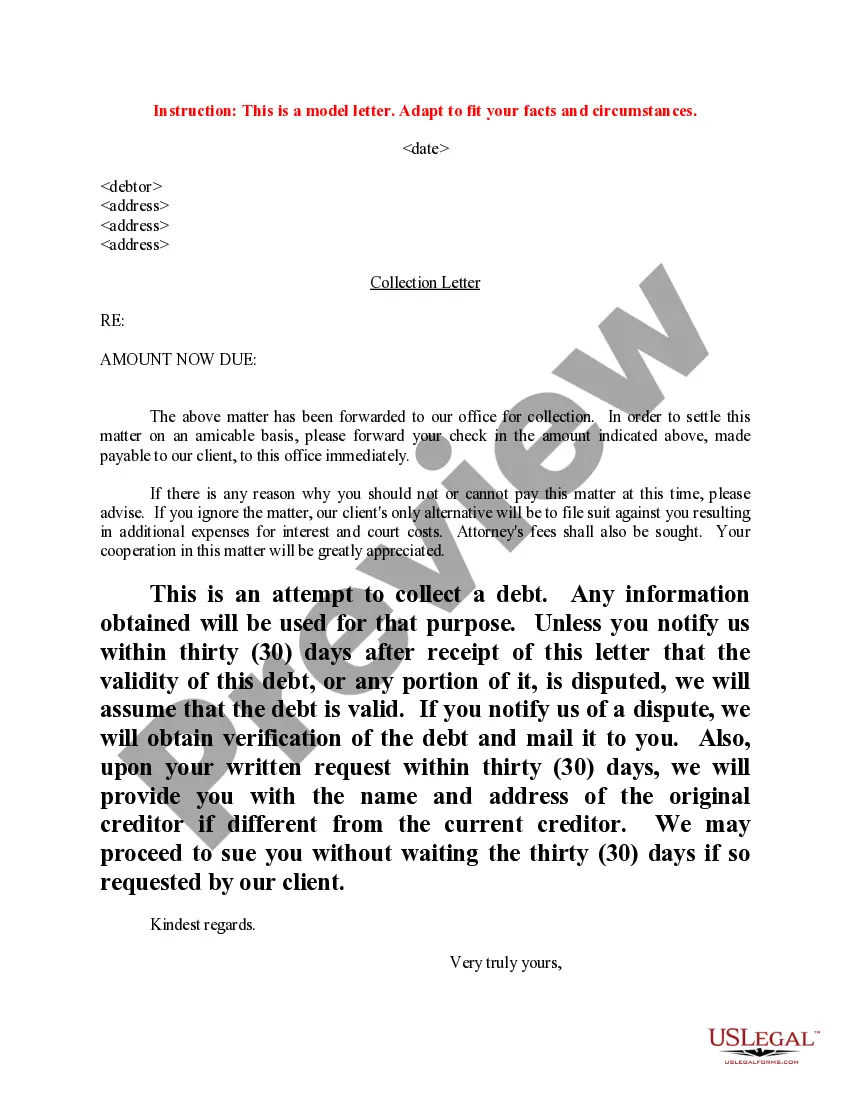
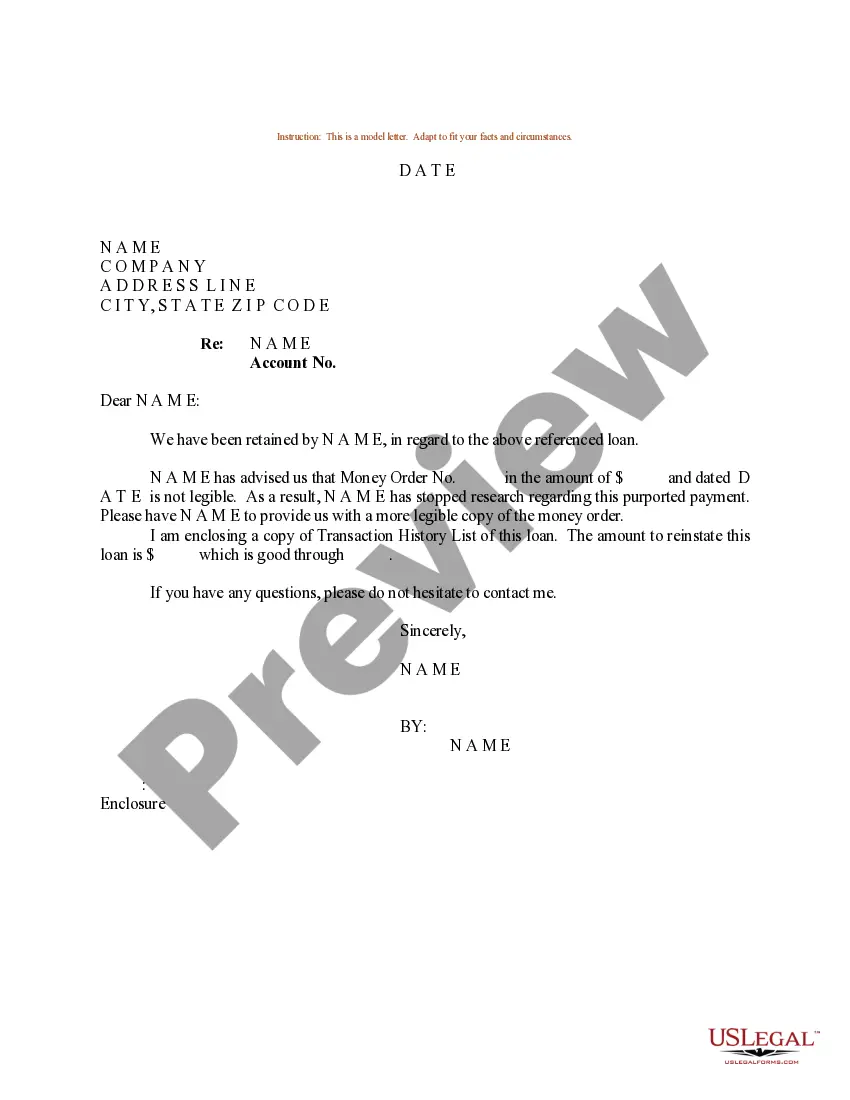
Get your form ready online
Our built-in tools help you complete, sign, share, and store your documents in one place.
Make edits, fill in missing information, and update formatting in US Legal Forms—just like you would in MS Word.
Download a copy, print it, send it by email, or mail it via USPS—whatever works best for your next step.
Sign and collect signatures with our SignNow integration. Send to multiple recipients, set reminders, and more. Go Premium to unlock E-Sign.
If this form requires notarization, complete it online through a secure video call—no need to meet a notary in person or wait for an appointment.
We protect your documents and personal data by following strict security and privacy standards.

Make edits, fill in missing information, and update formatting in US Legal Forms—just like you would in MS Word.

Download a copy, print it, send it by email, or mail it via USPS—whatever works best for your next step.

Sign and collect signatures with our SignNow integration. Send to multiple recipients, set reminders, and more. Go Premium to unlock E-Sign.

If this form requires notarization, complete it online through a secure video call—no need to meet a notary in person or wait for an appointment.

We protect your documents and personal data by following strict security and privacy standards.
Looking for another form?





Form popularity
FAQ
This study answers two fundamental questions about small claims courts: (1) Who usually wins? (2) Do victors collect their judgments? The rate of victory for plaintiffs who file claims and appear in court is eighty-five percent. Of winning plaintiffs, fifty-five percent never collect any part of their judgments.
The purpose of a demand letter is to formally notify the other party of a grievance or claim, giving them the opportunity to settle the matter outside of court. This practice is recognized under Philippine law as a prelude to litigation, providing a final opportunity for the parties to resolve their conflict amicably.
To begin an action in Small Claims Court, a person, or someone acting on his or her behalf, must come to the Small Claims Court Clerk's office in the proper county and fill out a statement of claim. To find out where the clerk's office is located in your county, click on Locations.
Conclusion: Going to small claims court may be worth it for $500, but it will determine how you weigh your costs versus benefits. At a minimum, it is worth it to send a demand letter.
Small Claims Court helps individuals or corporations resolve disputes when the amount of the claim is $10,000 or less. All defendants must have an address in New York City. Get Small Claims Court information, including locations and hours of operation. Learn about case types handled by Small Claims Court.
You need to answer three fundamental -- and fairly obvious -- questions as part of deciding whether it's worthwhile to bring a lawsuit to court: Do I have a good case? Am I comfortable with the idea of a compromise settlement or going to mediation? Assuming a lawsuit is my best or only option, can I collect if I win?
4) What is a Notice of Intention to File a Claim? A Notice of Intention to File a Claim is an optional document that a potential claimant may serve upon the defendant to extend the time period to serve and file a claim.
In NYC you may sue for up to $10,000 in Small Claims Court. You cannot split your claim into smaller claims to get around the limit.
Small Claims Court helps individuals or corporations resolve disputes when the amount of the claim is $10,000 or less. All defendants must have an address in New York City. Get Small Claims Court information, including locations and hours of operation.

