Sample Membership Letters For Ielts In Phoenix
Description

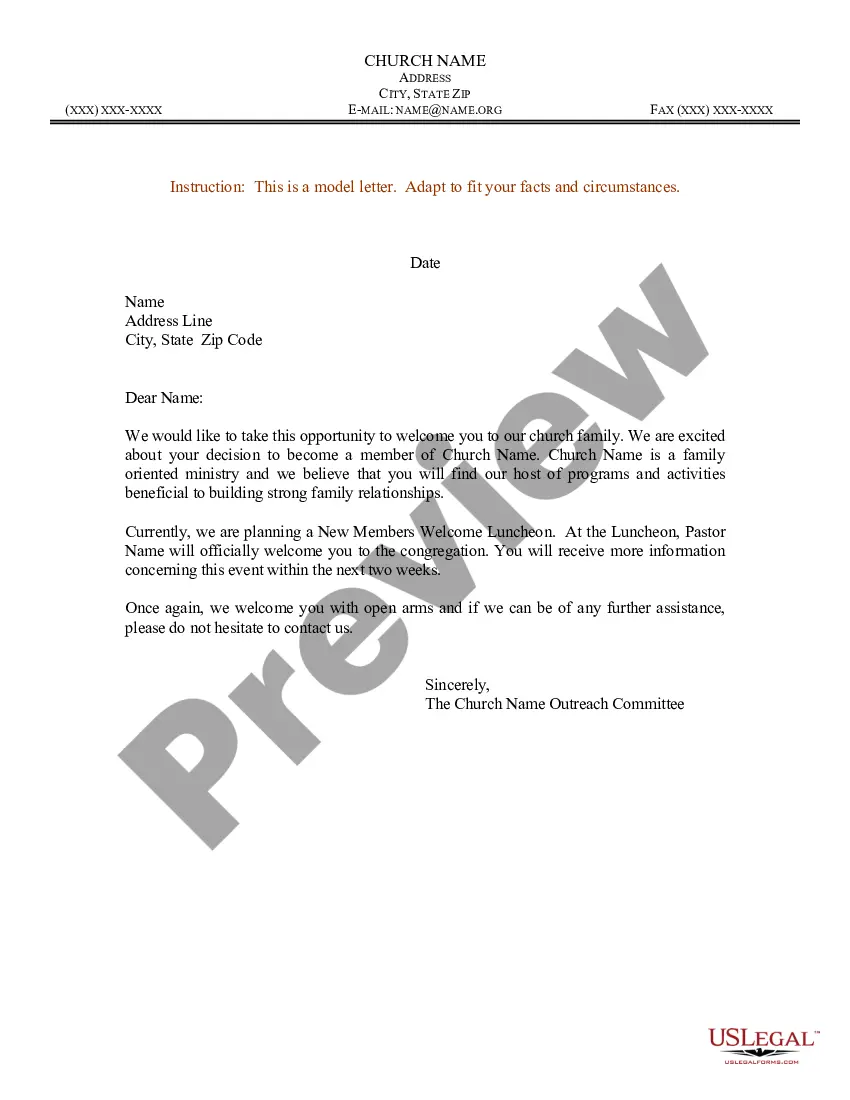
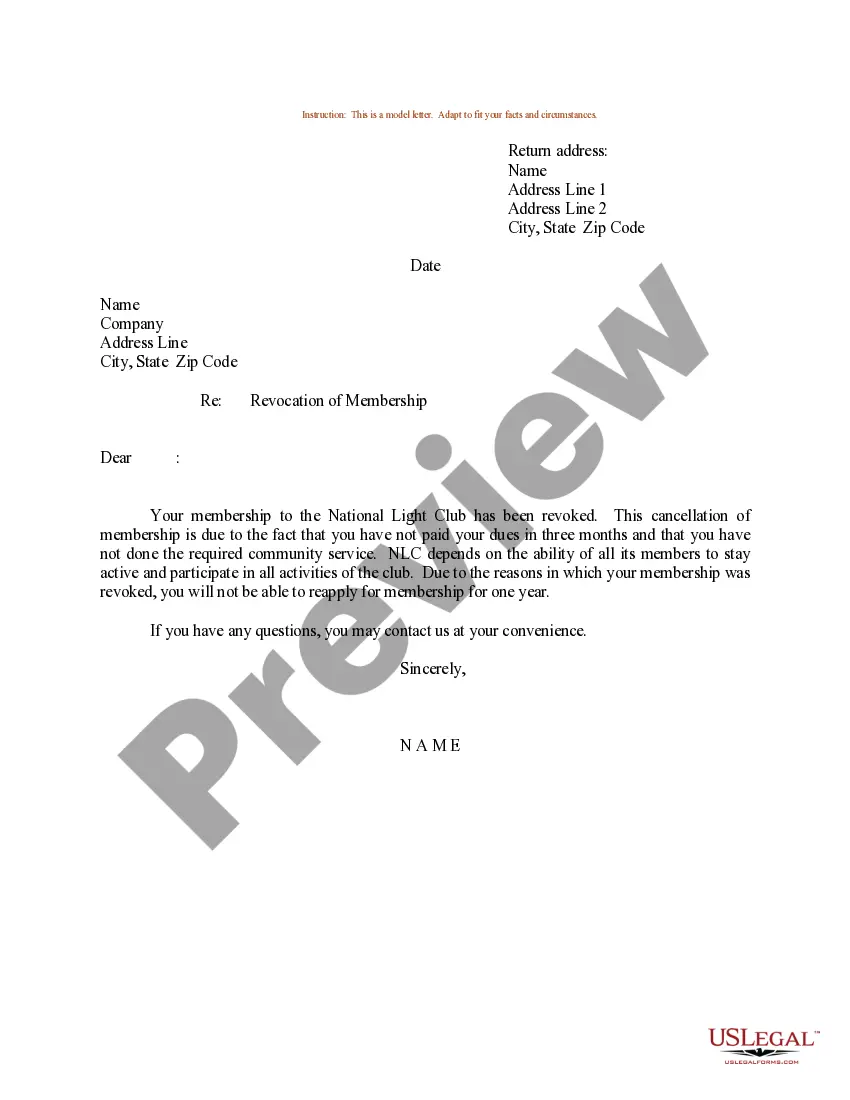
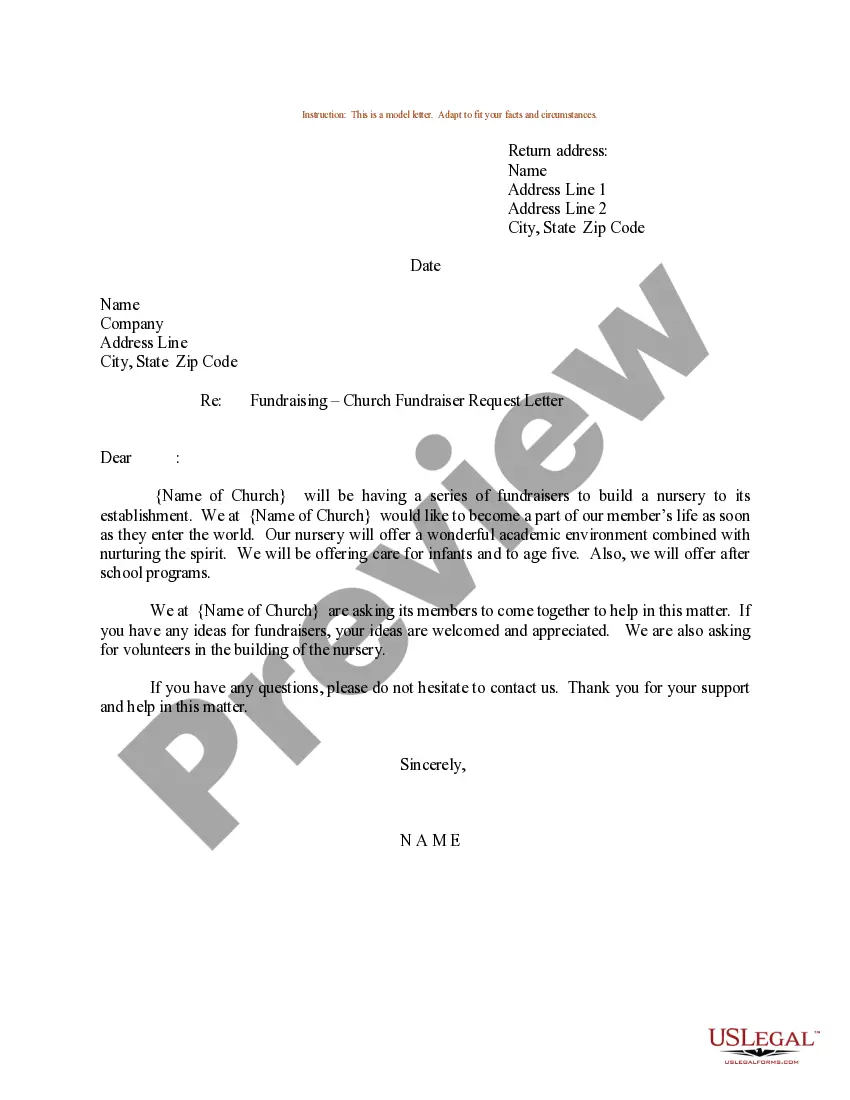
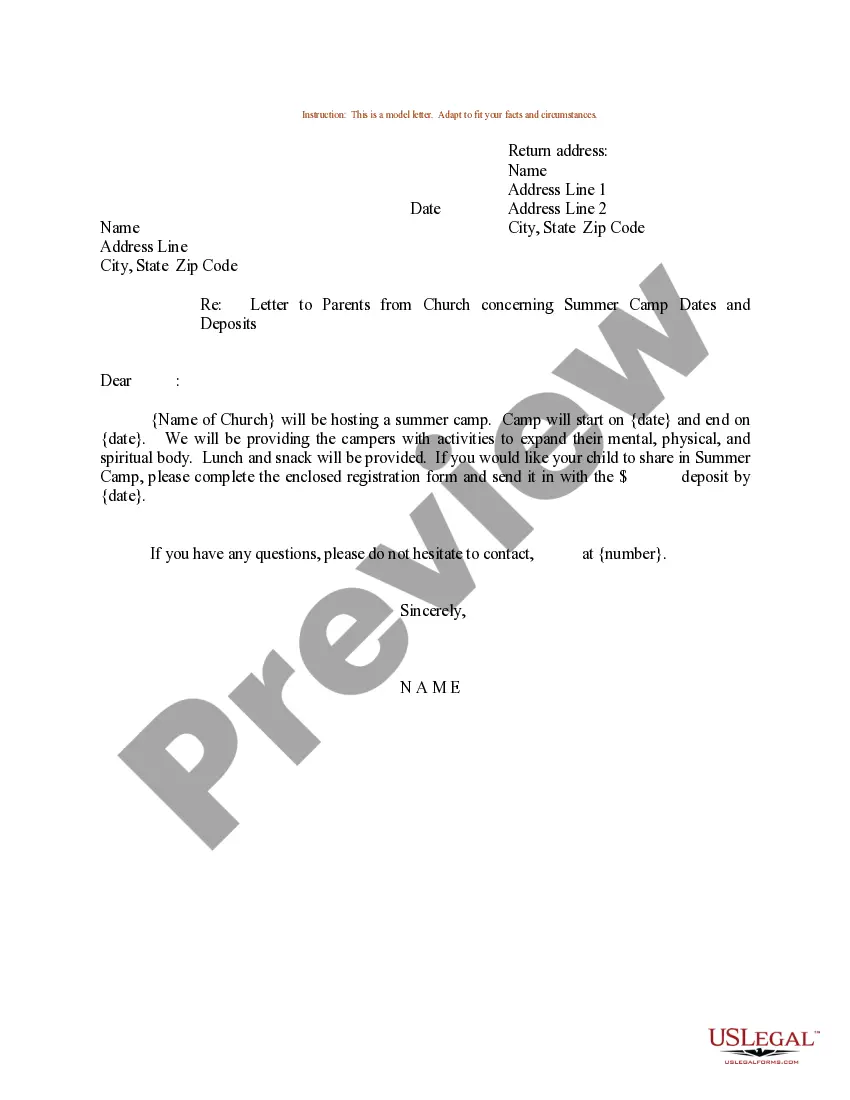
Get your form ready online
Our built-in tools help you complete, sign, share, and store your documents in one place.
Make edits, fill in missing information, and update formatting in US Legal Forms—just like you would in MS Word.
Download a copy, print it, send it by email, or mail it via USPS—whatever works best for your next step.
Sign and collect signatures with our SignNow integration. Send to multiple recipients, set reminders, and more. Go Premium to unlock E-Sign.
If this form requires notarization, complete it online through a secure video call—no need to meet a notary in person or wait for an appointment.
We protect your documents and personal data by following strict security and privacy standards.

Make edits, fill in missing information, and update formatting in US Legal Forms—just like you would in MS Word.

Download a copy, print it, send it by email, or mail it via USPS—whatever works best for your next step.

Sign and collect signatures with our SignNow integration. Send to multiple recipients, set reminders, and more. Go Premium to unlock E-Sign.

If this form requires notarization, complete it online through a secure video call—no need to meet a notary in person or wait for an appointment.

We protect your documents and personal data by following strict security and privacy standards.
Looking for another form?



Form popularity
FAQ
A letter needs to be written using a proper format, including the following: A greeting (Dear sir/madam, Dear John, Dear Mr. Smith) The main body (consisting of paragraphs for each part of the letter) A closing (Yours sincerely, Yours faithfully, Best wishes, Kind regards, Love)
Informal letters begin with Dear + Name of the Receiver and ends with Best Wishes/Regards + Your First Name. Formal letters begin with Dear Sir/Madam and ends with Yours Faithfully + Full Name.
A formal letter is written in many instances. It is required to submit a request, raise a complaint, give a recommendation/suggestion, for resignation, invitation, job application etc. In the IELTS General Writing Task 1, you have to write a letter to the person given in the question.
Types of IELTS Letter. There are three different types of letters: personal (informal), semi-formal and formal. Each type of letter will use different language. It will have a different beginning and a different way of signing off.
Types of letters in English Informal Letter. Contrary to the formal letter, an informal letter allows greater freedom of expression without following a rigid structure. Business letter. Official letter. Social Charter. Circular letter. Employment letters.
The test assesses your English language proficiency across four language skills: listening, reading, writing and speaking. While the Listening and Speaking part of the IELTS General Training are the same as the IELTS Academic, the Reading and Writing parts differ.
To keep to the formal tone: Begin your letter with a formal address (e.g. Dear Sir or Madam) Keep to the point or purpose of the letter and don't use contractions (e.g. can't, don't, won't) Sign your letter off formally (e.g. Yours faithfully, followed by your full name)
In IELTS General Writing Task 1, there are three types of letters: formal letter. semi-formal letter. informal letter (also known as a personal letter)
Complaint letters are usually written in a formal style. Use passives to be less direct and more formal, e.g. I was served quickly. Use Yours faithfully to sign off if you don't know the name of the person you're writing to.
Formal letters follow a specific format, while informal letters can follow any format. The tone of a formal letter is professional and official, while the tone of an informal letter is friendly. People usually write formal letters in the first or third person, while informal letters can be from any point of view.

