Sample Membership Letters With Thru In Philadelphia
Description

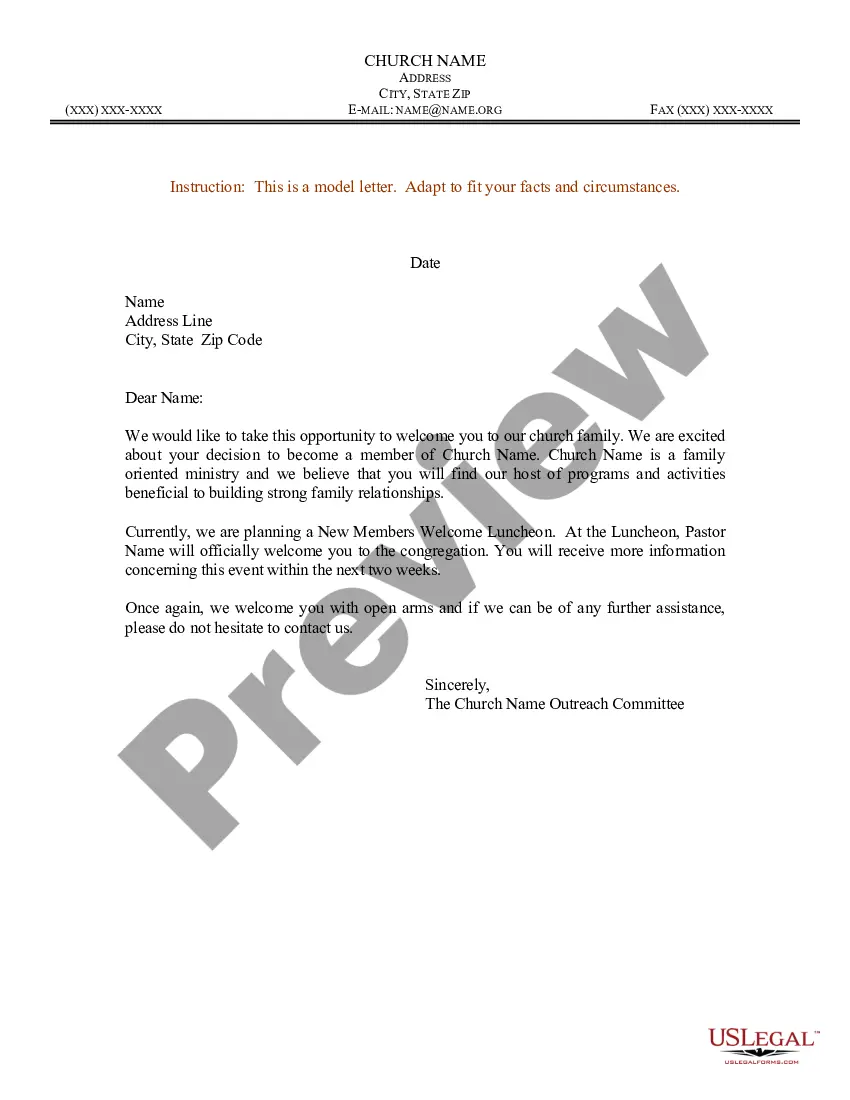
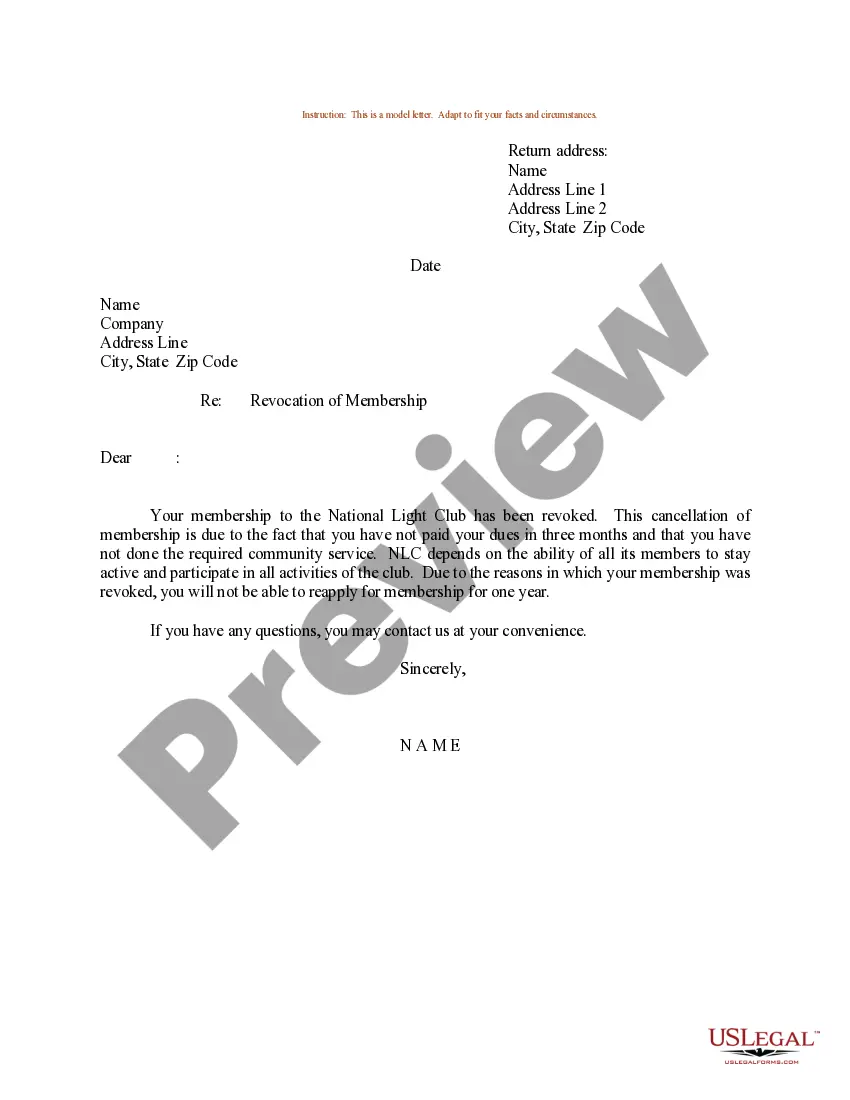
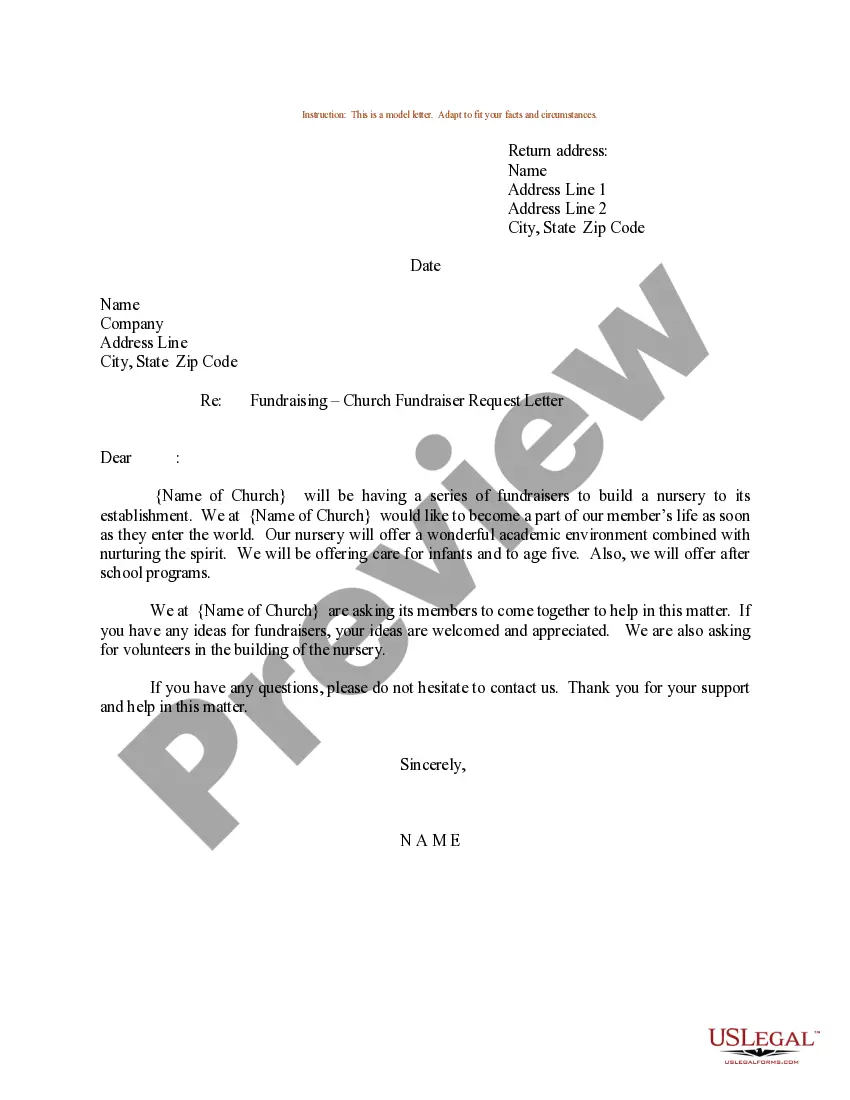
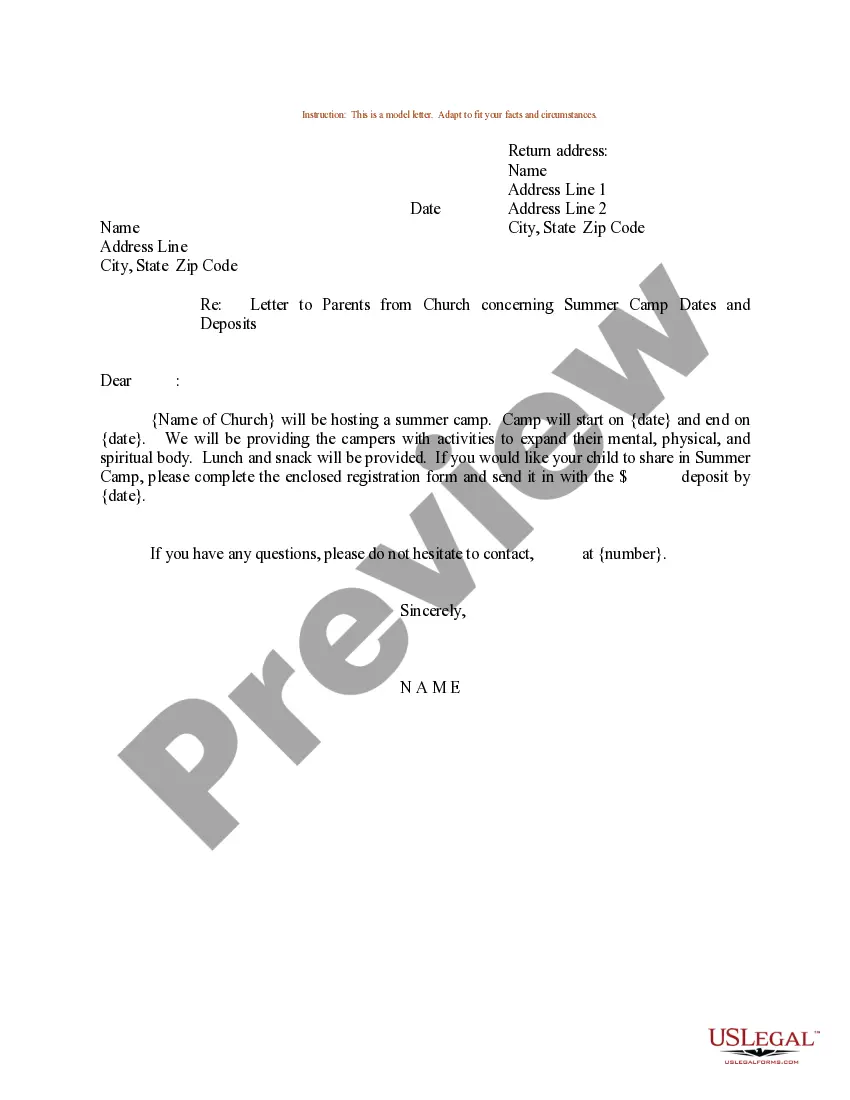
Get your form ready online
Our built-in tools help you complete, sign, share, and store your documents in one place.
Make edits, fill in missing information, and update formatting in US Legal Forms—just like you would in MS Word.
Download a copy, print it, send it by email, or mail it via USPS—whatever works best for your next step.
Sign and collect signatures with our SignNow integration. Send to multiple recipients, set reminders, and more. Go Premium to unlock E-Sign.
If this form requires notarization, complete it online through a secure video call—no need to meet a notary in person or wait for an appointment.
We protect your documents and personal data by following strict security and privacy standards.

Make edits, fill in missing information, and update formatting in US Legal Forms—just like you would in MS Word.

Download a copy, print it, send it by email, or mail it via USPS—whatever works best for your next step.

Sign and collect signatures with our SignNow integration. Send to multiple recipients, set reminders, and more. Go Premium to unlock E-Sign.

If this form requires notarization, complete it online through a secure video call—no need to meet a notary in person or wait for an appointment.

We protect your documents and personal data by following strict security and privacy standards.
Looking for another form?

Form popularity
FAQ
Similarly, a century includes a span of 100 successive years, such as the stretch from 1700 to 1799. This particular era can be labeled in two ways: either as the 1700s or as the eighteenth century or 18th century.
Elements: full mailing address of the sender. date on which letter is written. address of person to whom letter is addressed. subject line. salutation. body (the main message) complimentary closing. signature line (be sure to sign your letter)
Courtesy of the American Antiquarian Society, Worcester, Massachusetts. Although the image is from the nineteenth century, quill pens such as these, either purchased or hand cut, were the writing utensil of choice in the eighteenth century.
There were no typewriters, so personal writing was handwritten. Commercial writing was handwritten or printed with type on a press. Upper case letters were used to begin nouns as well as to begin sentences.
All you need to remember is keep it simple, cheerful, and sincere. Your words should be optimistic and uplifting. You may want to include a fond memory you have of yourself and the recipient of the letter. Any memory or life experience that triggers a smile or chuckle is a perfect addition to the letter.
In eighteenth-century writing, sentence construction involved periodic and complex sentences, often diluting the subject, verb, object pattern to which we are so accustomed. Eighteenth-century writing also poses a fairly different orthographythe system of spelling and letters than does present-day English.
Try to talk about different things for each letter that might stimulate the thinking of the seniors you are writing to. Things like where they used to live, any pets they might have had, any comfort foods they might like, where they currently live, what their favorite animal or color or memory is.
Common subjects of letters in the 1800s included crop, livestock and general farm news, health, neighbors, and the weather, amongst other things. This section of the letter would often be written very small and close together, front and back, to share as much with the recipient as possible.
Rule 1037.2 - Judgments by Default-Assessment of Damages (A) In order for the Office of Judicial Records to assess damages pursuant to Pa. R.C.P. 1037(b)(1) upon default for failure to answer, a complaint in an action must pray for specific items and amounts.
Quitclaims, waivers, or releases by employees are generally looked upon with disfavor and are commonly frowned upon by the courts, since they are usually contrary to public policy, ineffective, and are meant to bar claims to an employee's legal rights.

