Sample Membership Form For Non Profit Organization In Kings
Description

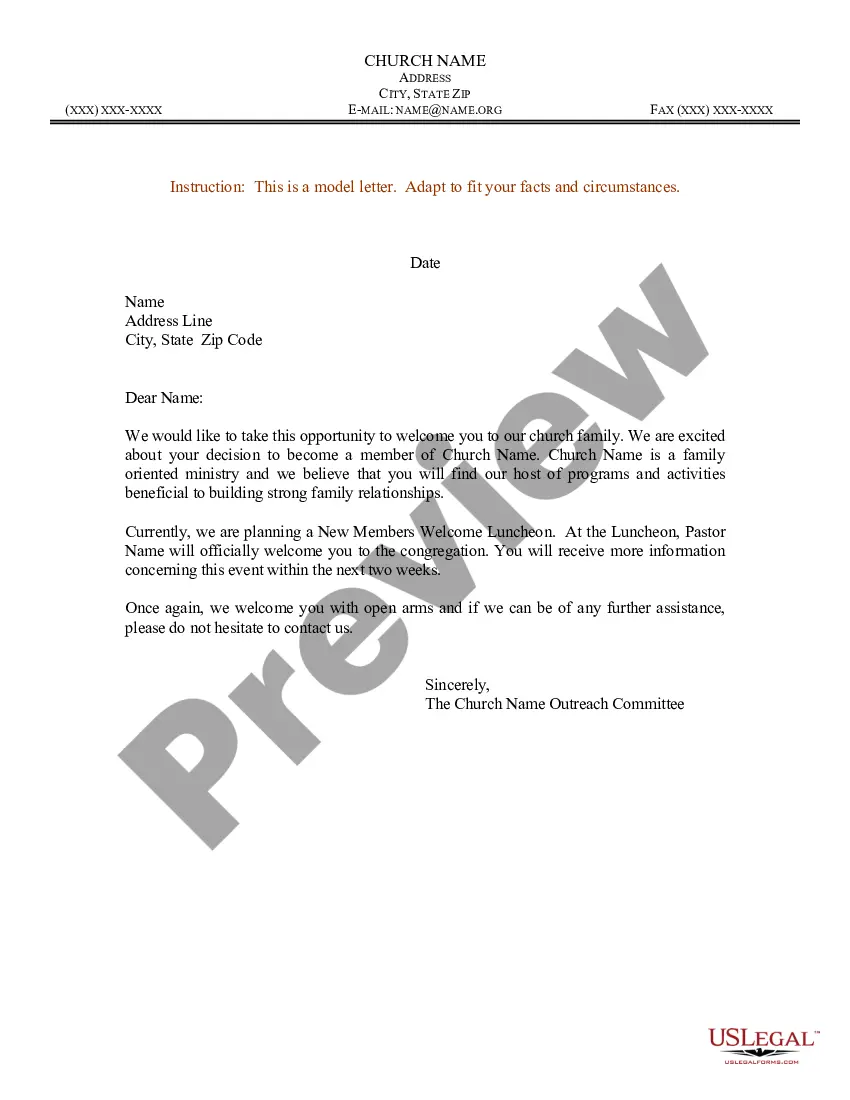
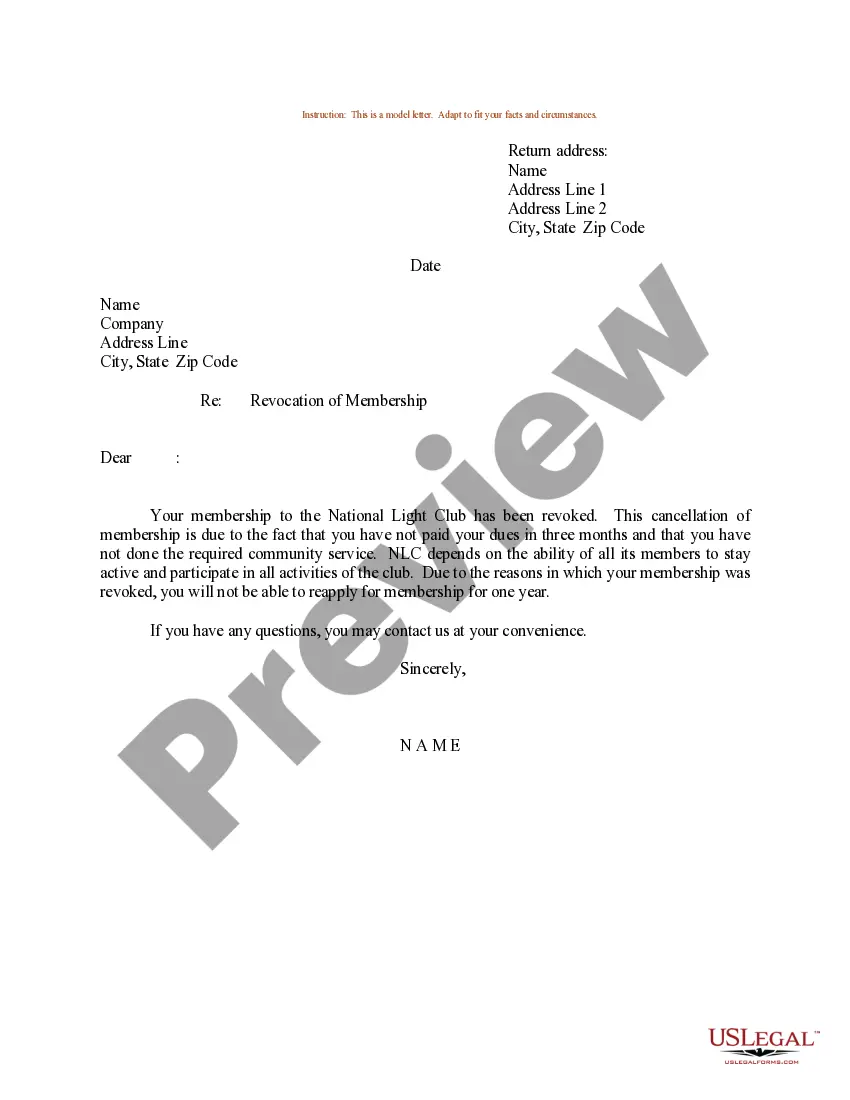
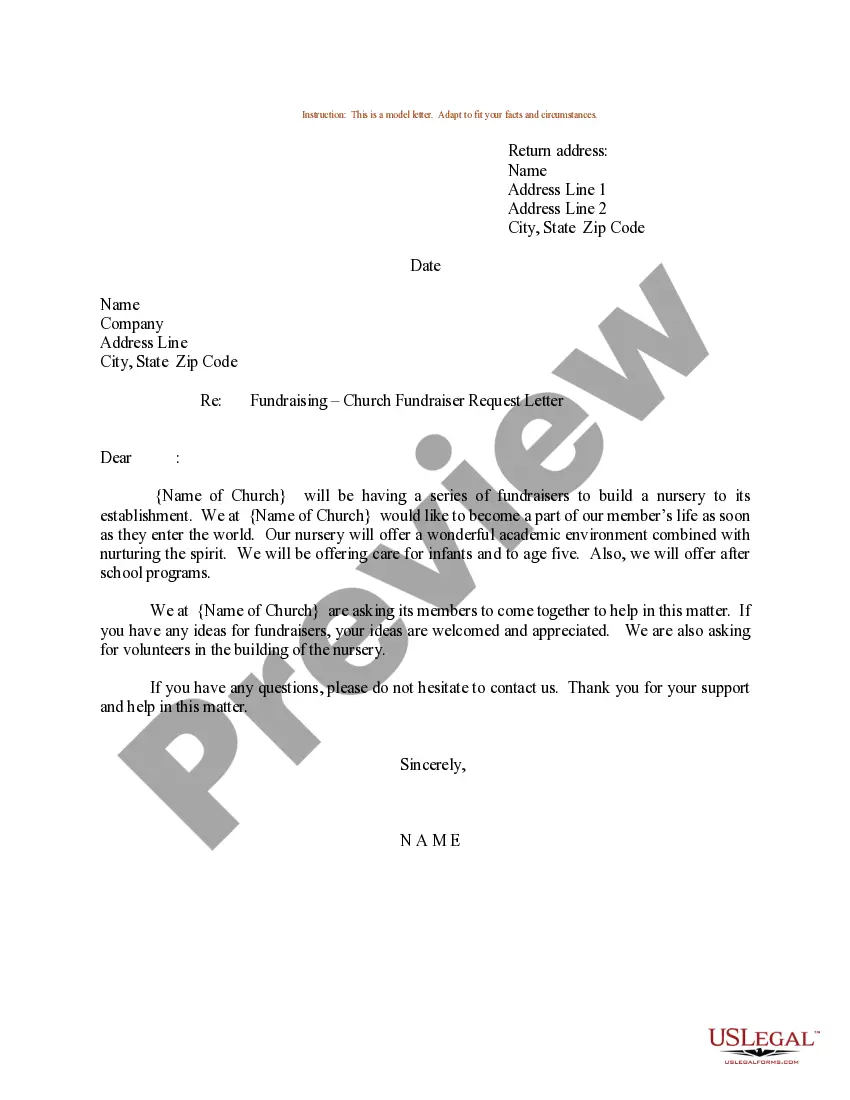
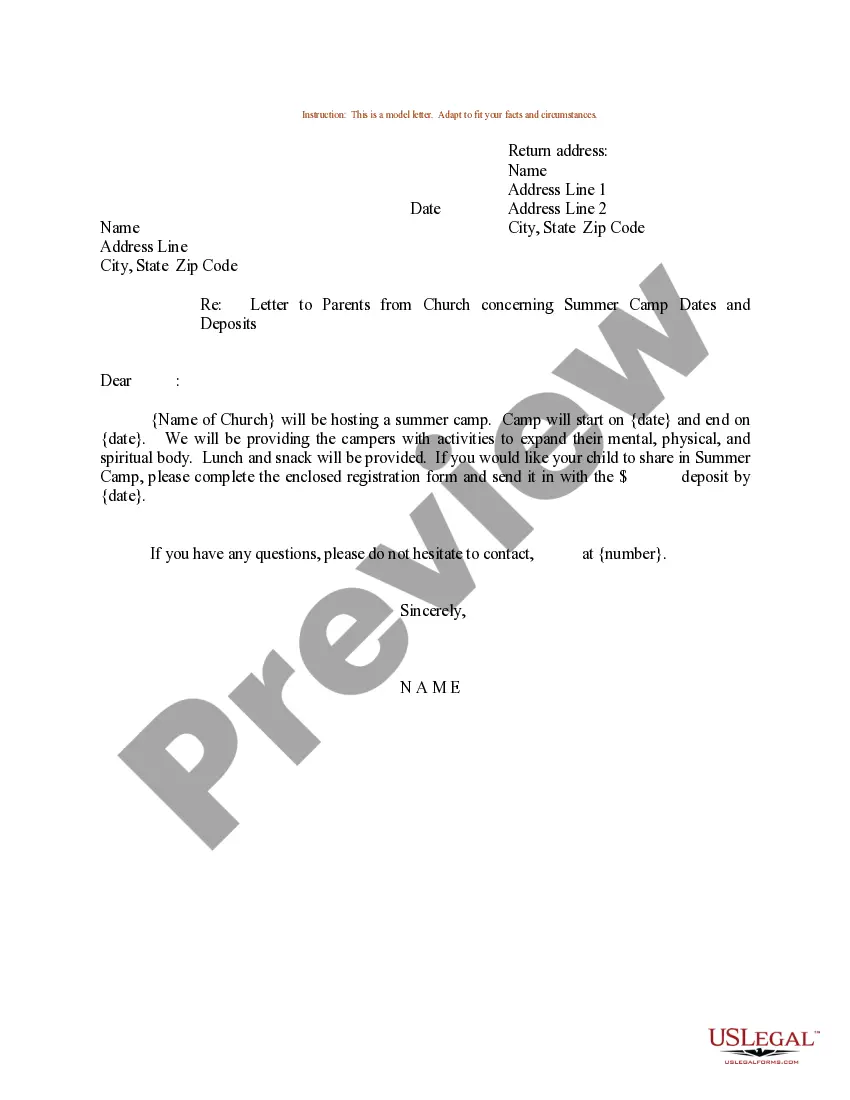
Get your form ready online
Our built-in tools help you complete, sign, share, and store your documents in one place.
Make edits, fill in missing information, and update formatting in US Legal Forms—just like you would in MS Word.
Download a copy, print it, send it by email, or mail it via USPS—whatever works best for your next step.
Sign and collect signatures with our SignNow integration. Send to multiple recipients, set reminders, and more. Go Premium to unlock E-Sign.
If this form requires notarization, complete it online through a secure video call—no need to meet a notary in person or wait for an appointment.
We protect your documents and personal data by following strict security and privacy standards.

Make edits, fill in missing information, and update formatting in US Legal Forms—just like you would in MS Word.

Download a copy, print it, send it by email, or mail it via USPS—whatever works best for your next step.

Sign and collect signatures with our SignNow integration. Send to multiple recipients, set reminders, and more. Go Premium to unlock E-Sign.

If this form requires notarization, complete it online through a secure video call—no need to meet a notary in person or wait for an appointment.

We protect your documents and personal data by following strict security and privacy standards.
Looking for another form?









Form popularity
FAQ
Members often financially support the mission or volunteer their time. American Heart Association, Planned Parenthood, or parent-teacher associations are examples, where members do not benefit financially or professionally but gain as part of the targeted public.
Once again, with a resounding 'Yes' - a 501(c)(3) organization can certainly have members. And choosing a membership model is a very common approach for both governance and funding when it comes to setting up a nonprofit organization.
Clubs and Social Groups Book clubs, photography clubs, gardening clubs, hiking groups, and other sports and fitness groups are just a fraction of the many clubs and societies that follow a membership model to help support long-term participation and organizational growth.
Every membership form should ask for the member's first and last name, date of birth/age, contact information, and membership level. There are also some optional details that you can ask for, such as their education level.
Charitable Organizations That Relieve Poverty and Distress. Cultural Organization: Museums, Government Art Programs, Library Support Organizations, and Zoological Societies. Veterans' Organizations. Religious Organizations. Social and Fraternal Organizations.
Types of membership Full membership. Affiliated membership. Associate membership.
A formal membership organization is a nonprofit that grants its members specific rights to participate in its internal affairs. These rights are established in the articles of incorporation and defined in more detail in the bylaws.
All nonprofits receive a 501(c)3 status upon approval, but not-for-profit organizations fall under a variety of other 501(c) tax codes. In addition, all donations made to a registered 501(c)3 organization are considered tax-deductible.
How to Confirm 501(c)(3) Status Enter the organization's name or EIN on the IRS Tax Exempt Organization Search site to check the status of a nonprofit. Ask the organization for an IRS letter of determination, or check the Secretary of State's website for the state in which the nonprofit is registered.
How many board members does a charitable corporation have to have? A corporation formed in New York must have at least three board members.
