Sample Membership Letters With Reference In Clark
Description

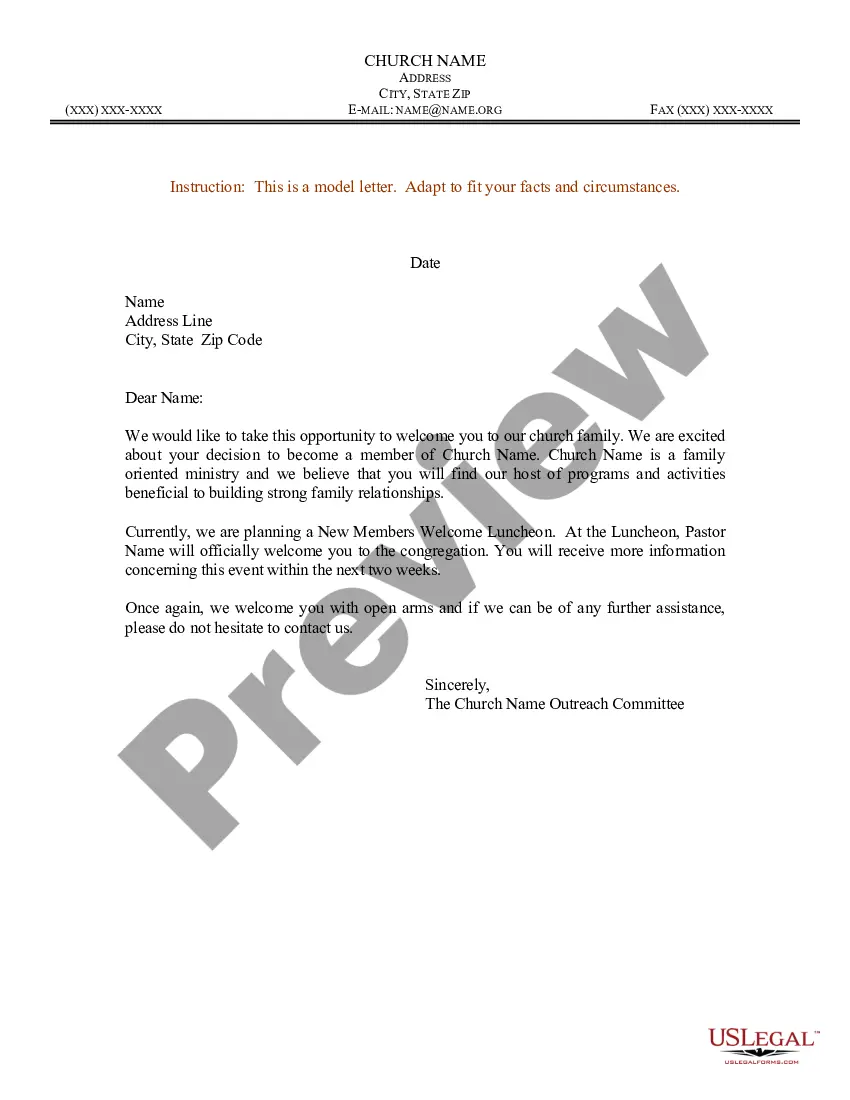
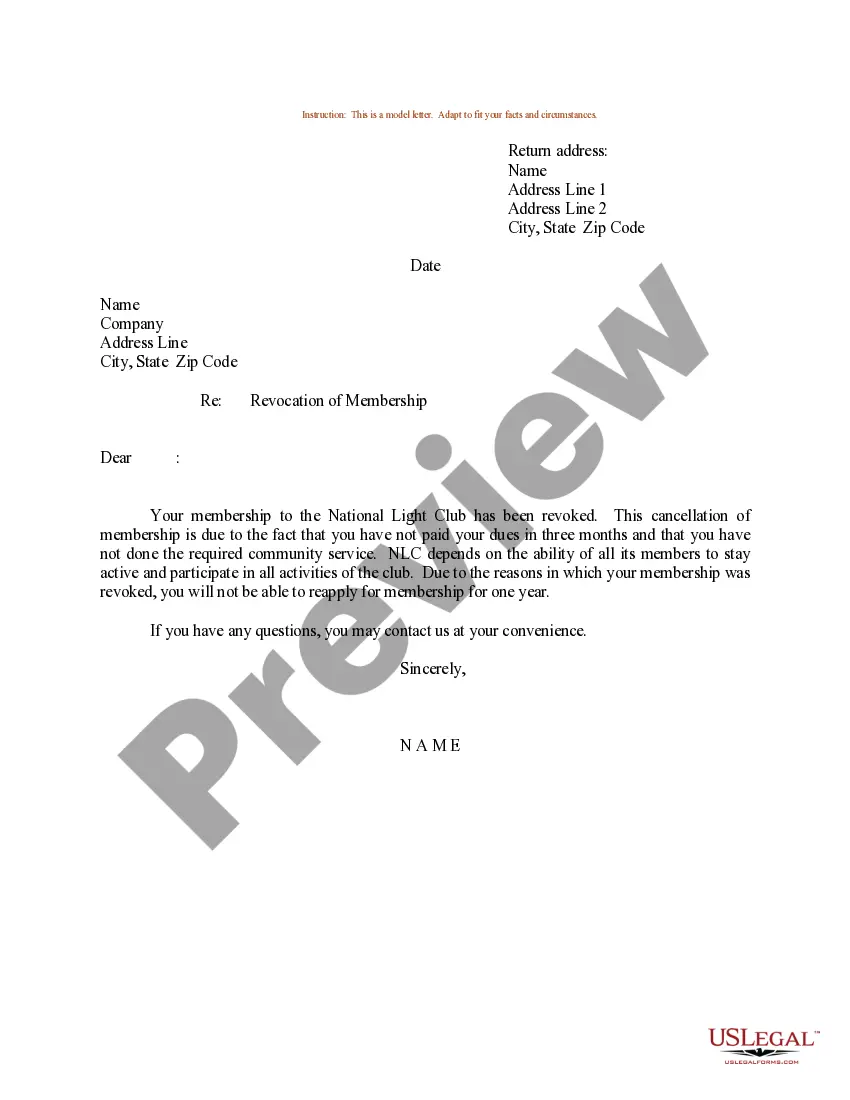
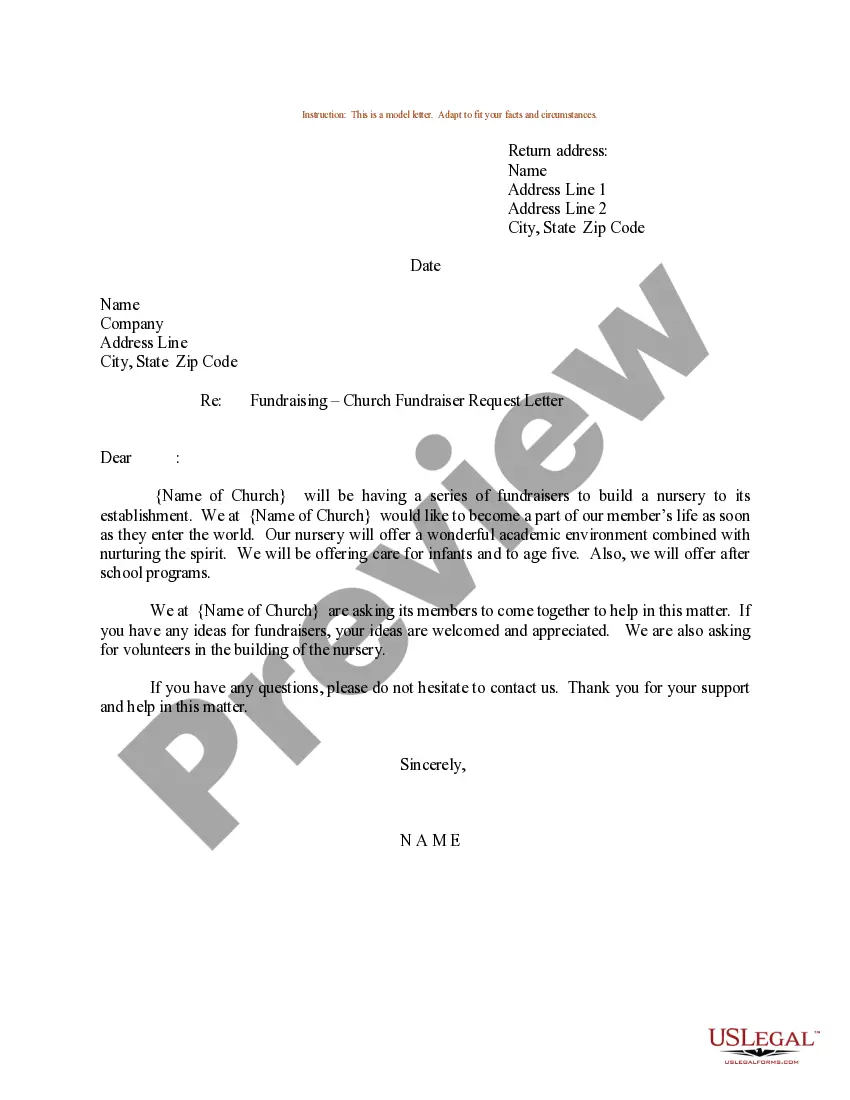
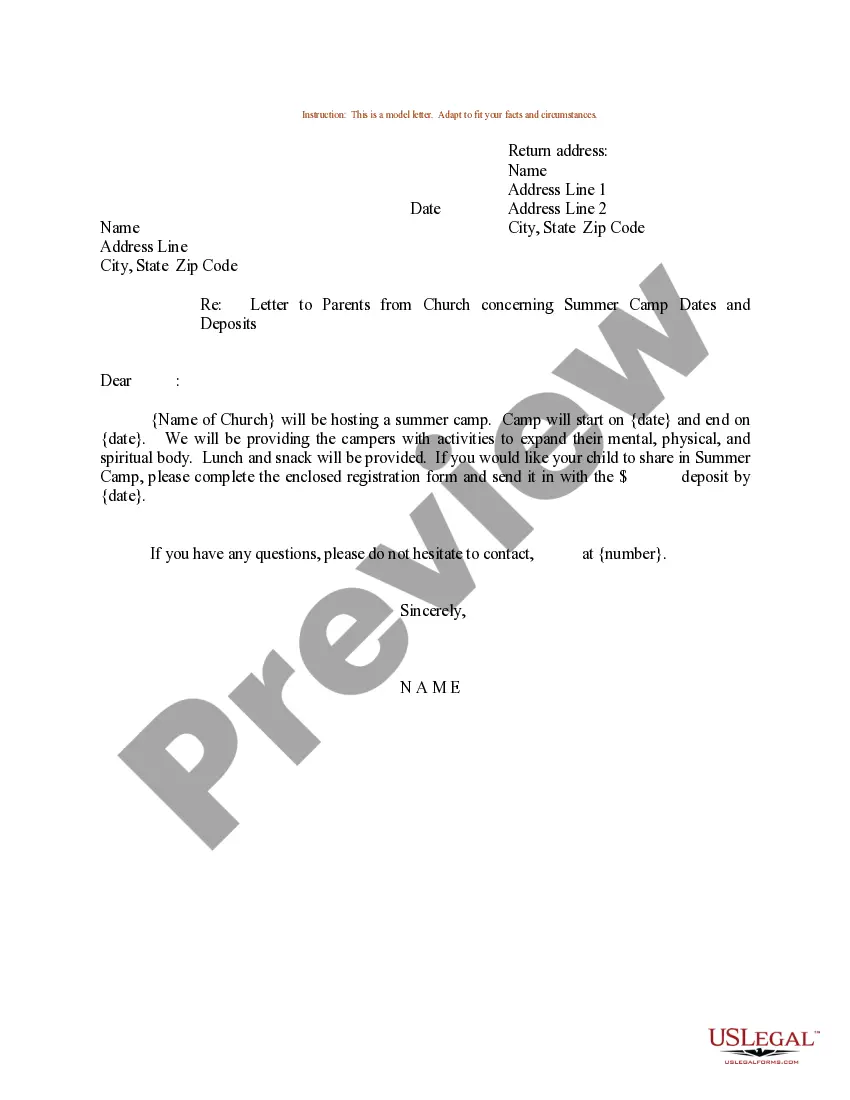
Get your form ready online
Our built-in tools help you complete, sign, share, and store your documents in one place.
Make edits, fill in missing information, and update formatting in US Legal Forms—just like you would in MS Word.
Download a copy, print it, send it by email, or mail it via USPS—whatever works best for your next step.
Sign and collect signatures with our SignNow integration. Send to multiple recipients, set reminders, and more. Go Premium to unlock E-Sign.
If this form requires notarization, complete it online through a secure video call—no need to meet a notary in person or wait for an appointment.
We protect your documents and personal data by following strict security and privacy standards.

Make edits, fill in missing information, and update formatting in US Legal Forms—just like you would in MS Word.

Download a copy, print it, send it by email, or mail it via USPS—whatever works best for your next step.

Sign and collect signatures with our SignNow integration. Send to multiple recipients, set reminders, and more. Go Premium to unlock E-Sign.

If this form requires notarization, complete it online through a secure video call—no need to meet a notary in person or wait for an appointment.

We protect your documents and personal data by following strict security and privacy standards.
Looking for another form?









Form popularity
FAQ
Write a Perfect Welcome Letter to New Members with These 10 Tips 1) A Personalized Email and Recognizable Confirmation Subject Line. 2) Confirmation They Made the Right Decision. 3) A Brief Introduction to Your Organization. 4) Sprinkle in Member Benefits. 5) Links to Other Helpful Resources on Your Website.
Elements: full mailing address of the sender. date on which letter is written. address of person to whom letter is addressed. subject line. salutation. body (the main message) complimentary closing. signature line (be sure to sign your letter)
2 Start With a Proper Format: Formal letters have a specific layout that includes the sender's address, date, recipient's address, salutation, body, close, and signature. Align your text to the left and use a professional font like Times New Roman or Arial.
Elements: full mailing address of the sender. date on which letter is written. address of person to whom letter is addressed. subject line. salutation. body (the main message) complimentary closing. signature line (be sure to sign your letter)
How to write a joining letter to an organization Input the date. Add the recipient's contact information. Include the subject line. Include a reference to the previous correspondence. Use a professional greeting or salutation. Write the introduction paragraph. Write the body paragraph. Write a conclusion paragraph.
Most business letters must include a return address (letterhead or your name and address), date, an inside address (receiver's name and address), a salutation, body paragraphs, and a closing.
7 Steps on how to start a letter professionally Enter your contact information. Include the date. Add the recipient's contact information. Start with the most appropriate greeting. Use the most professional form of the recipient's name. Begin the letter with an agreeable tone. Open with the purpose of writing the letter.
If something is enclosed with a letter, the notation “Enclosure” is typed a double-space below the writer's initials and/or typist's initials. If more than one item is enclosed, the word is made plural and followed by the number of items (e.g., “Enclosures 2”).
The general structure for a reference letter is as follows: Addressee name and address (if known) Date. Salutation ('To whom it may concern', or 'Dear Sir or Madam', or 'Dear <title> <surname>') Confirm dates, job title(s) capacity, and salary and benefits details if required/appropriate.
