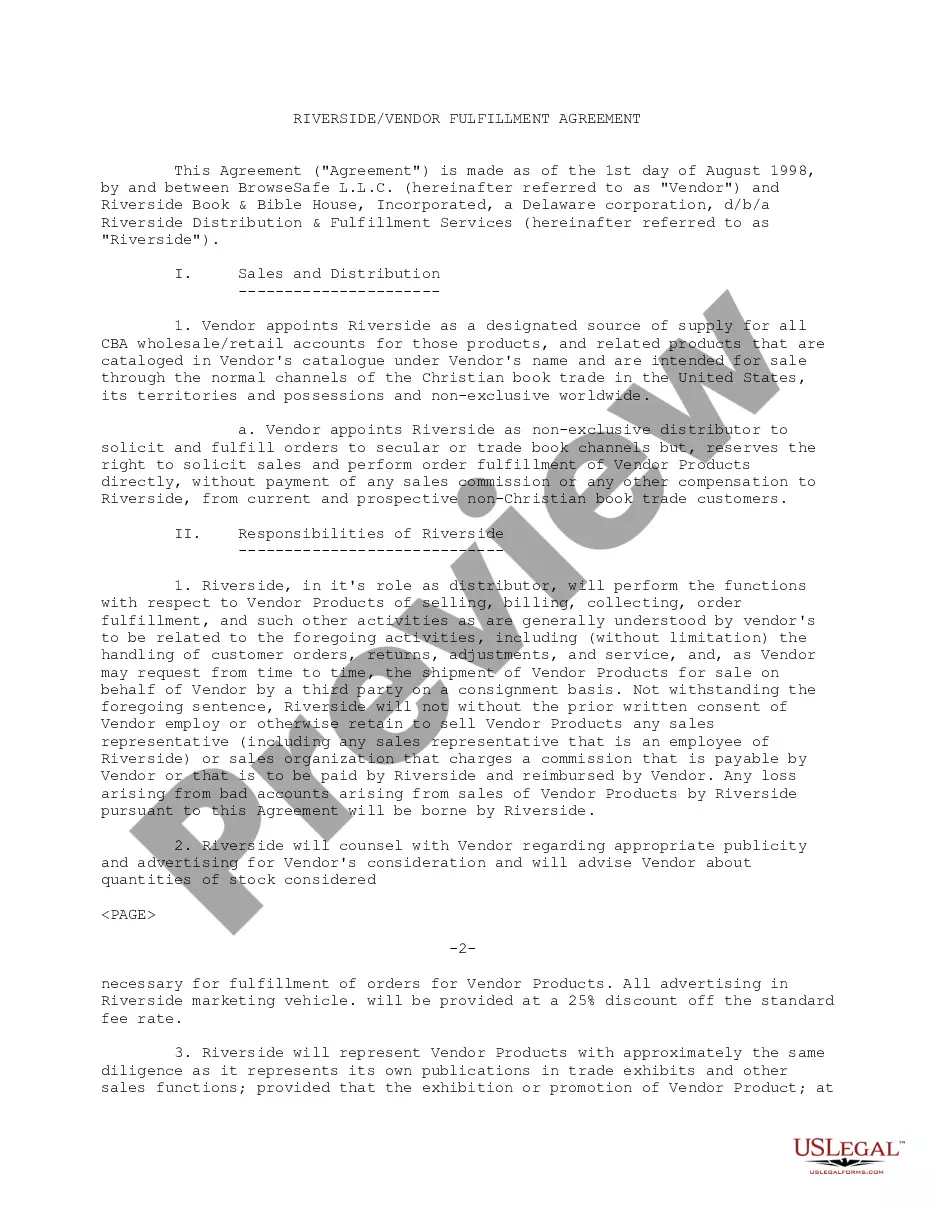
Vendor Agreement For Online Store In Washington
Description
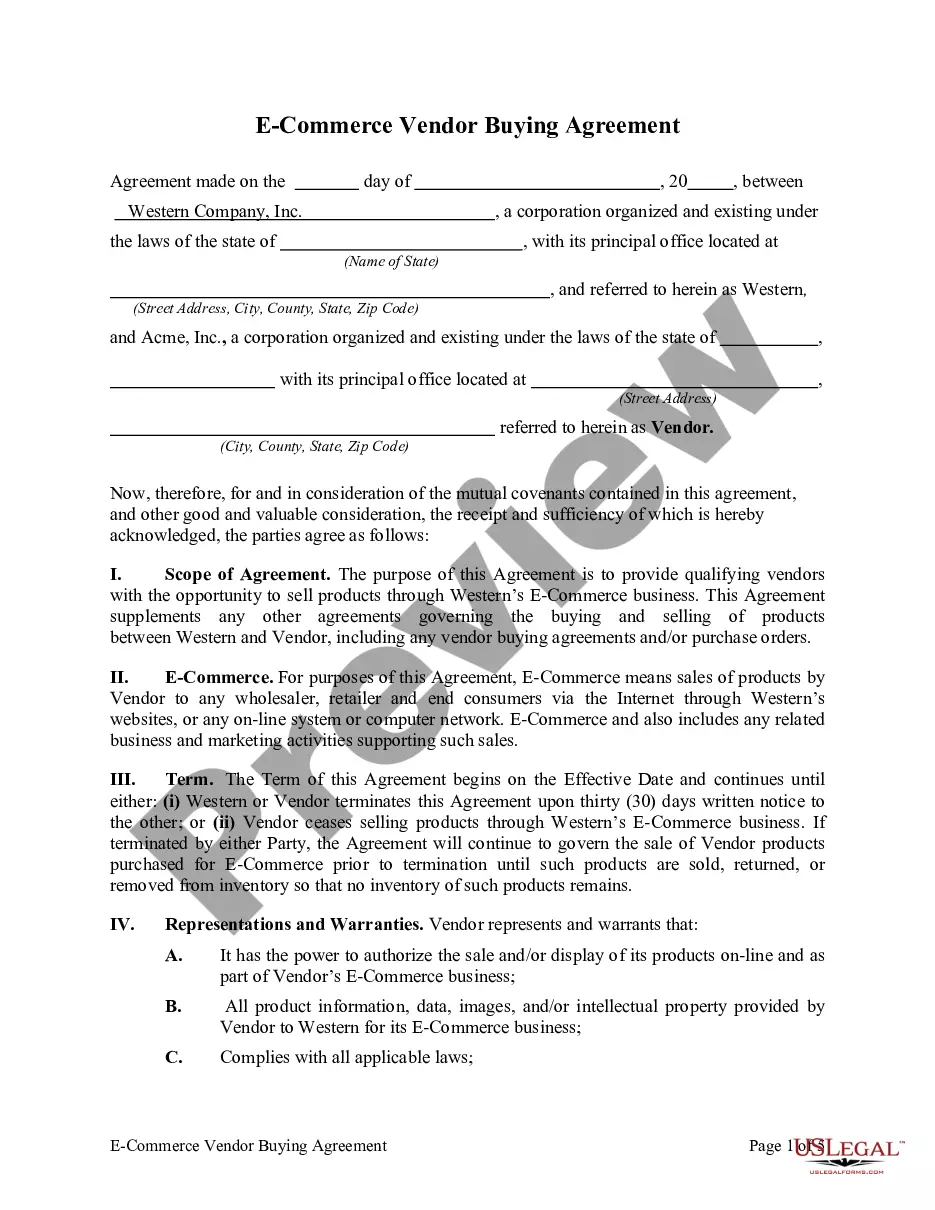
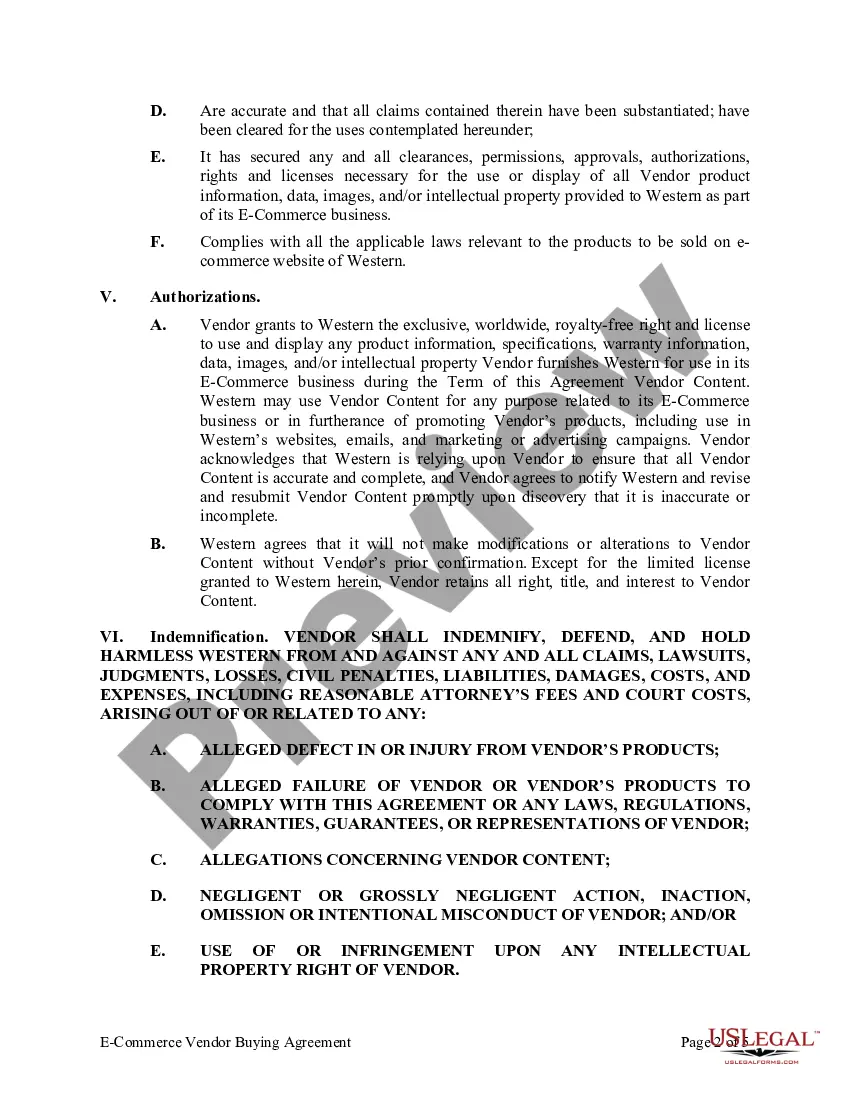
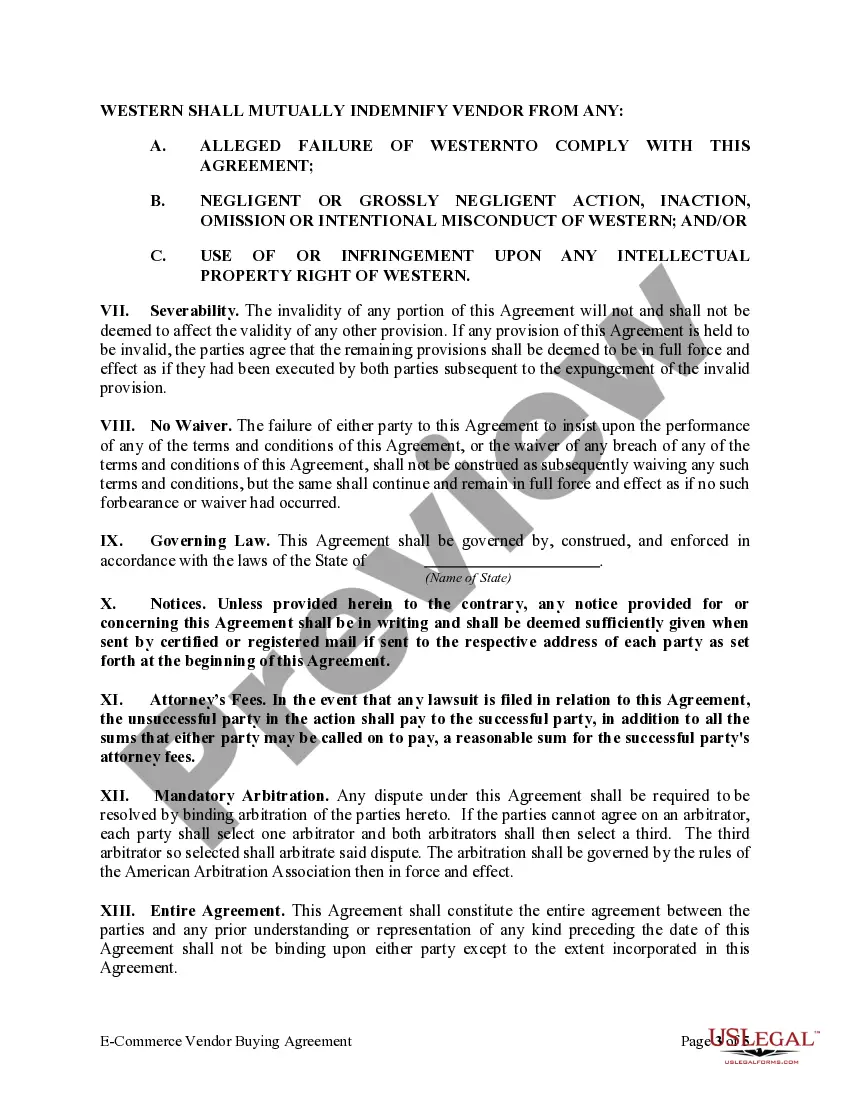
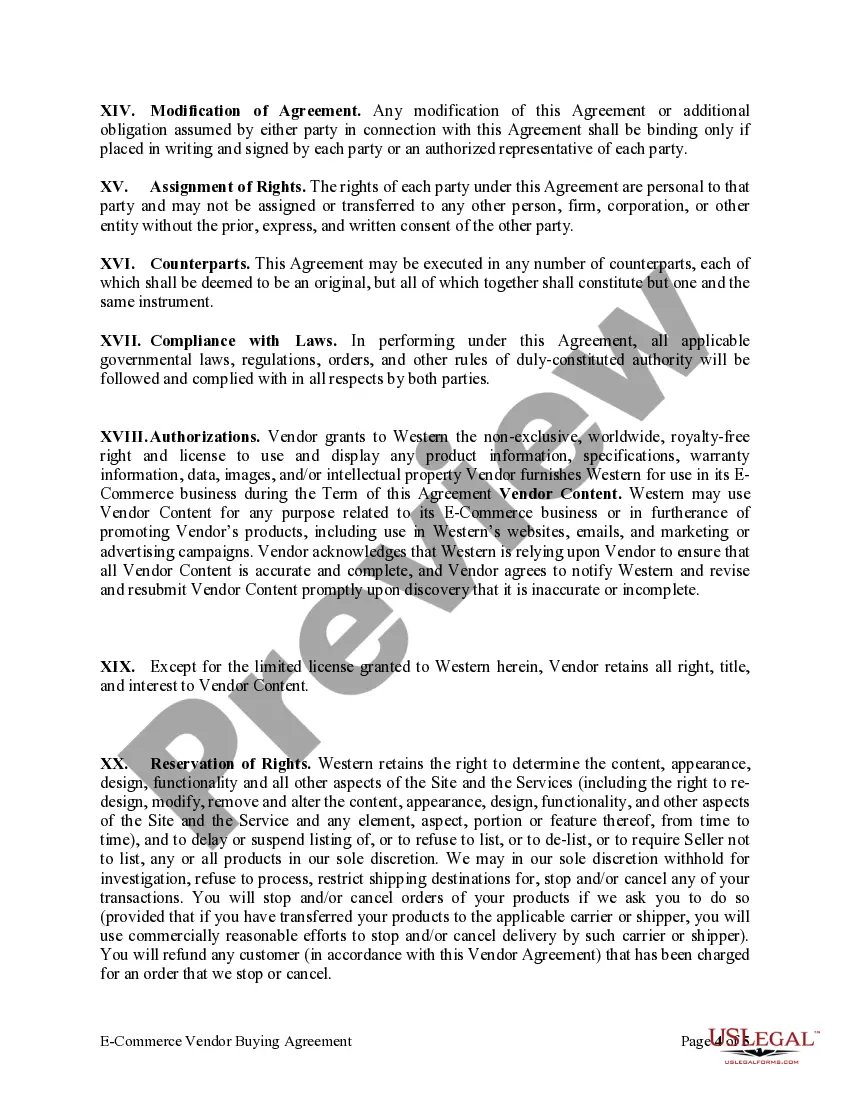
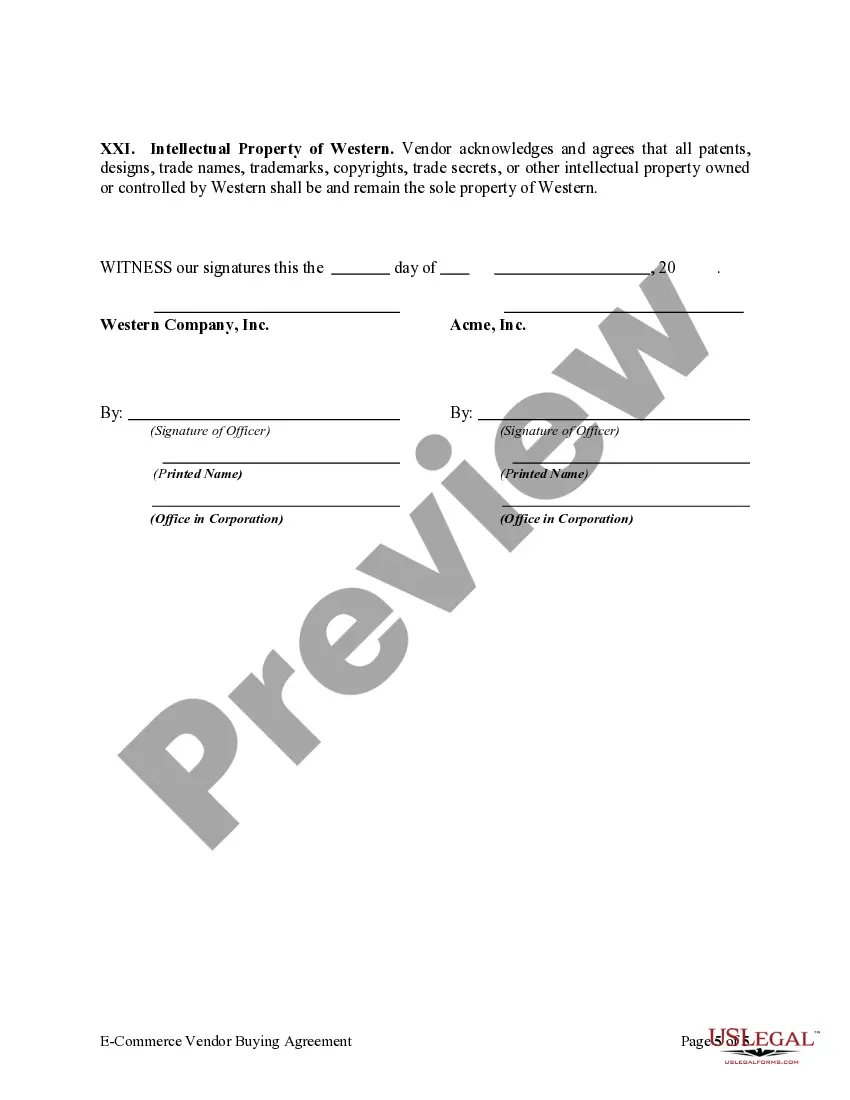
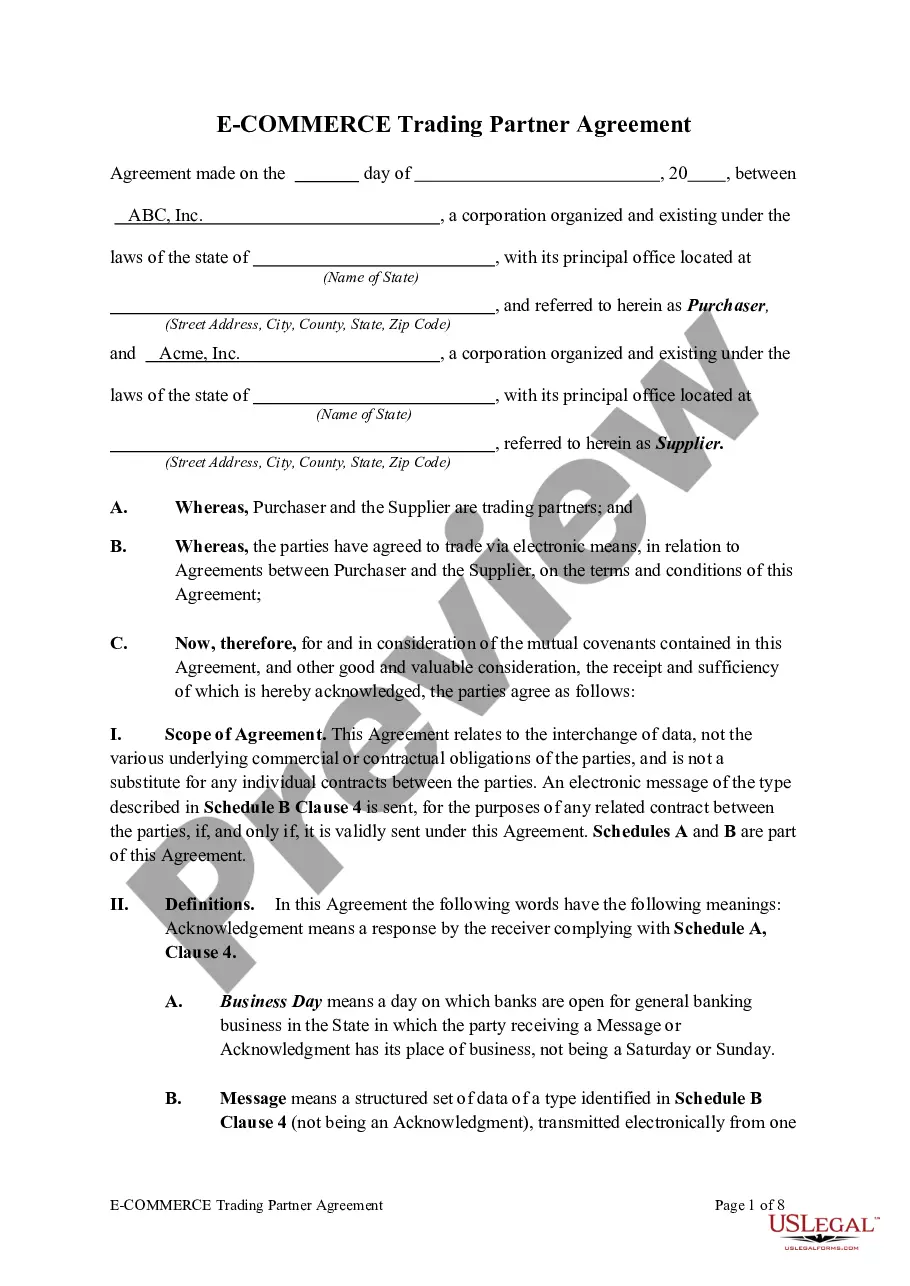
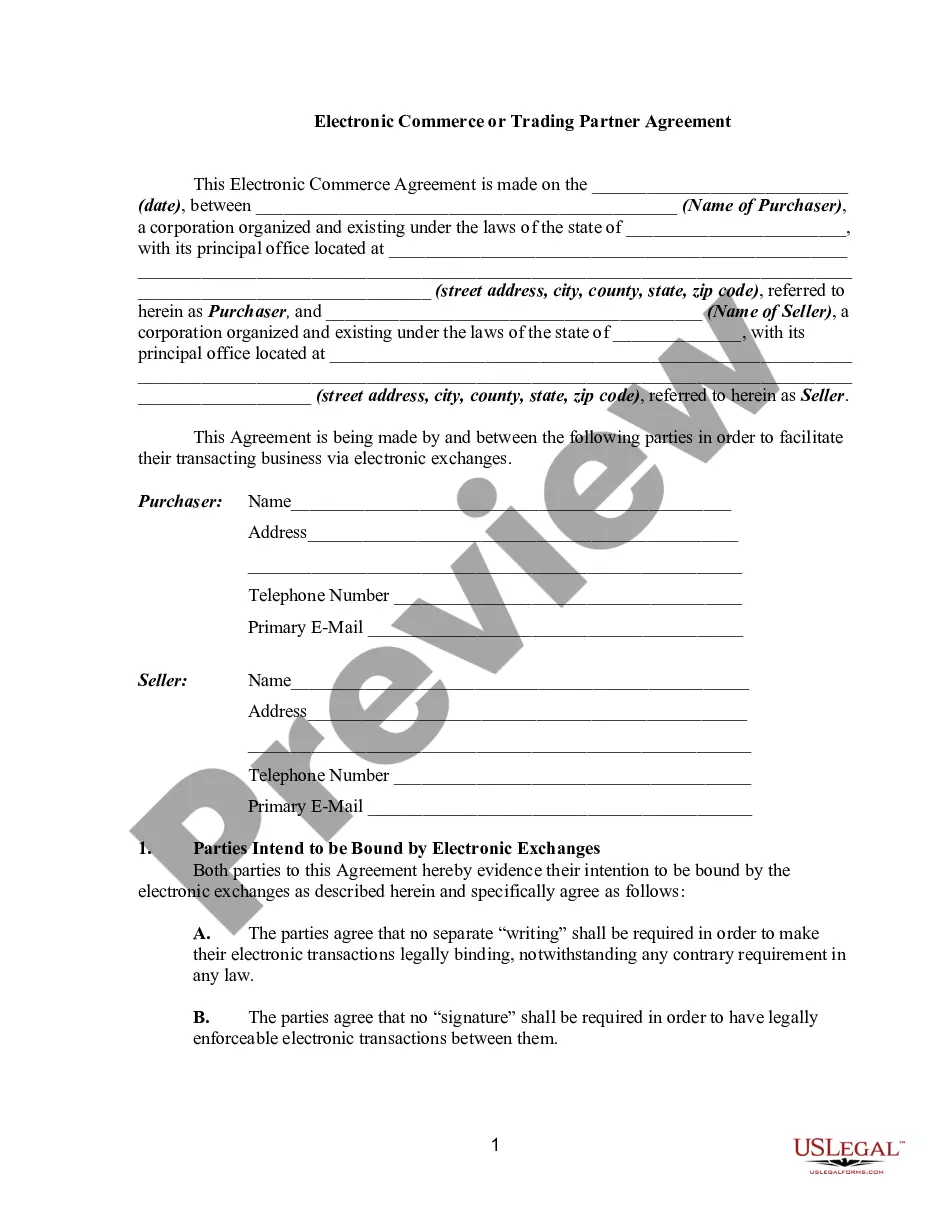
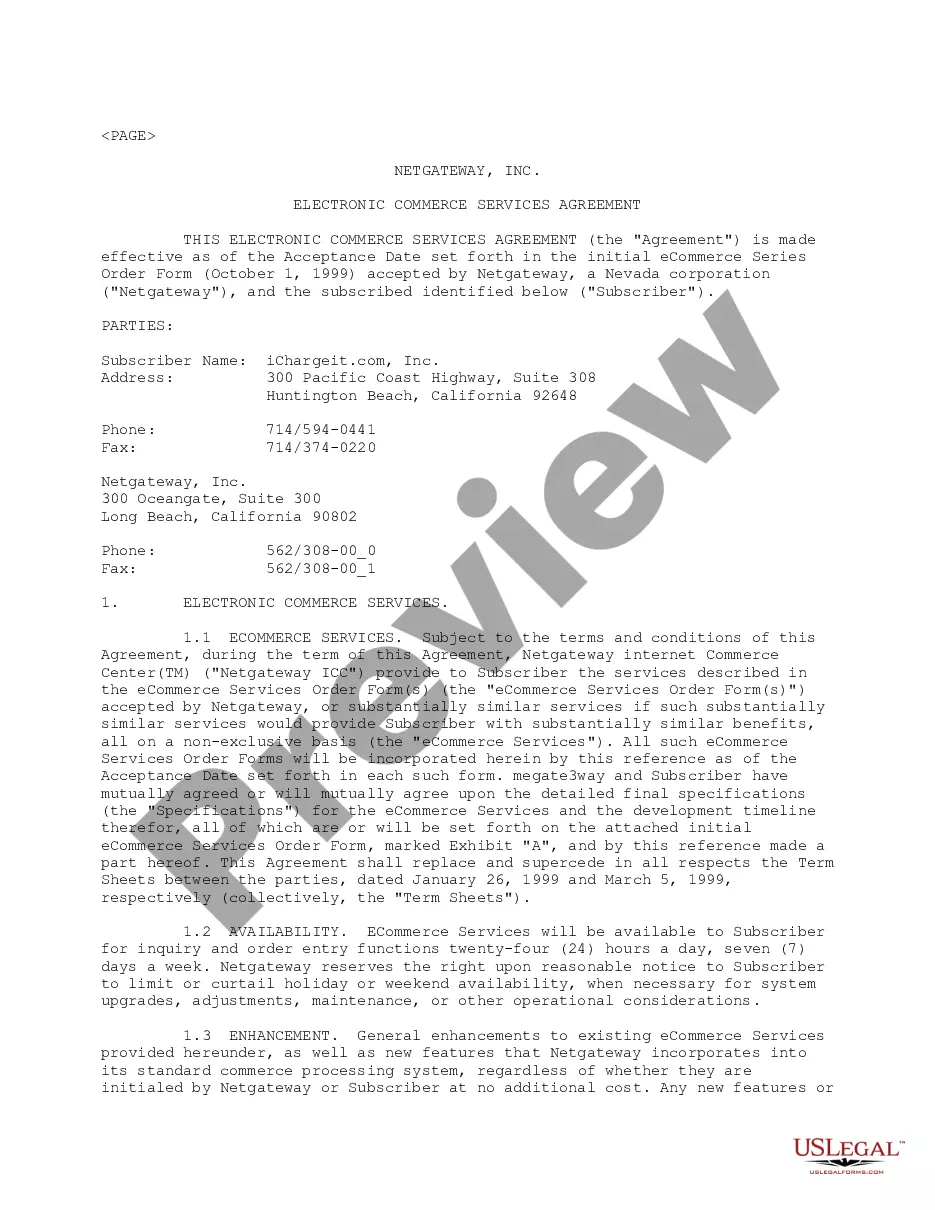
Get your form ready online
Our built-in tools help you complete, sign, share, and store your documents in one place.
Make edits, fill in missing information, and update formatting in US Legal Forms—just like you would in MS Word.
Download a copy, print it, send it by email, or mail it via USPS—whatever works best for your next step.
Sign and collect signatures with our SignNow integration. Send to multiple recipients, set reminders, and more. Go Premium to unlock E-Sign.
If this form requires notarization, complete it online through a secure video call—no need to meet a notary in person or wait for an appointment.
We protect your documents and personal data by following strict security and privacy standards.

Make edits, fill in missing information, and update formatting in US Legal Forms—just like you would in MS Word.

Download a copy, print it, send it by email, or mail it via USPS—whatever works best for your next step.

Sign and collect signatures with our SignNow integration. Send to multiple recipients, set reminders, and more. Go Premium to unlock E-Sign.

If this form requires notarization, complete it online through a secure video call—no need to meet a notary in person or wait for an appointment.

We protect your documents and personal data by following strict security and privacy standards.
Looking for another form?

Form popularity
FAQ
A vendor contract (otherwise known as a vendor agreement) is a business contract between two parties covering the exchange of goods or services in return for compensation. Vendor contracts establish the business relationship conditions and include details on each party's obligations under the contract.
Vendor contracts focus on services, performance metrics, and long-term engagements, while supplier contracts are more transactional, centered around the provision of raw materials, products, or goods. Connect with LinkSquares today and discover contract management solutions tailored to your organization's needs.
How to make a contract in 7 steps Step 1: Outline the basics. Step 2: Define the key terms and scope of work. Step 3: Set payment terms. Step 4: Include protective clauses. Step 5: Negotiate. Step 6: Get a contract review. Step 7: Sign and date.
Suppliers are vital business partners that offers specialized goods, services, or raw materials to another organization, commonly for manufacturing needs. Conversely, a vendor, often considered a type of supplier, is an entity that directly sells finished products or services to consumers or businesses.
A vendor contract (otherwise known as a vendor agreement) is a business contract between two parties covering the exchange of goods or services in return for compensation. Vendor contracts establish the business relationship conditions and include details on each party's obligations under the contract.
Prepare a contract Provide details of the parties. Describe services or results. Set out payment details. Assign intellectual property rights. Explain how to treat confidential information. Identify who is liable – indemnity. Provide insurance obligations. Outline any subcontracting agreements.
Write the contract in six steps Start with a contract template. Open with the basic information. Describe in detail what you have agreed to. Include a description of how the contract will be ended. Write into the contract which laws apply and how disputes will be resolved. Include space for signatures.
Think of a vendor contract as the blueprint for your entire partnership. It outlines the scope of work, deliverables, payment terms, and legal responsibilities of both parties. It's a comprehensive document that covers everything from the specific services or products to be provided to dispute resolution mechanisms.
New to the vendor registration system? Click the Register Now link to begin the registration process. Already registered? Enter in your email address and password to login. Are you a Government organization? ... A listing of current open solicitations can be found at the Public Bid Calendar. Search for other businesses.
