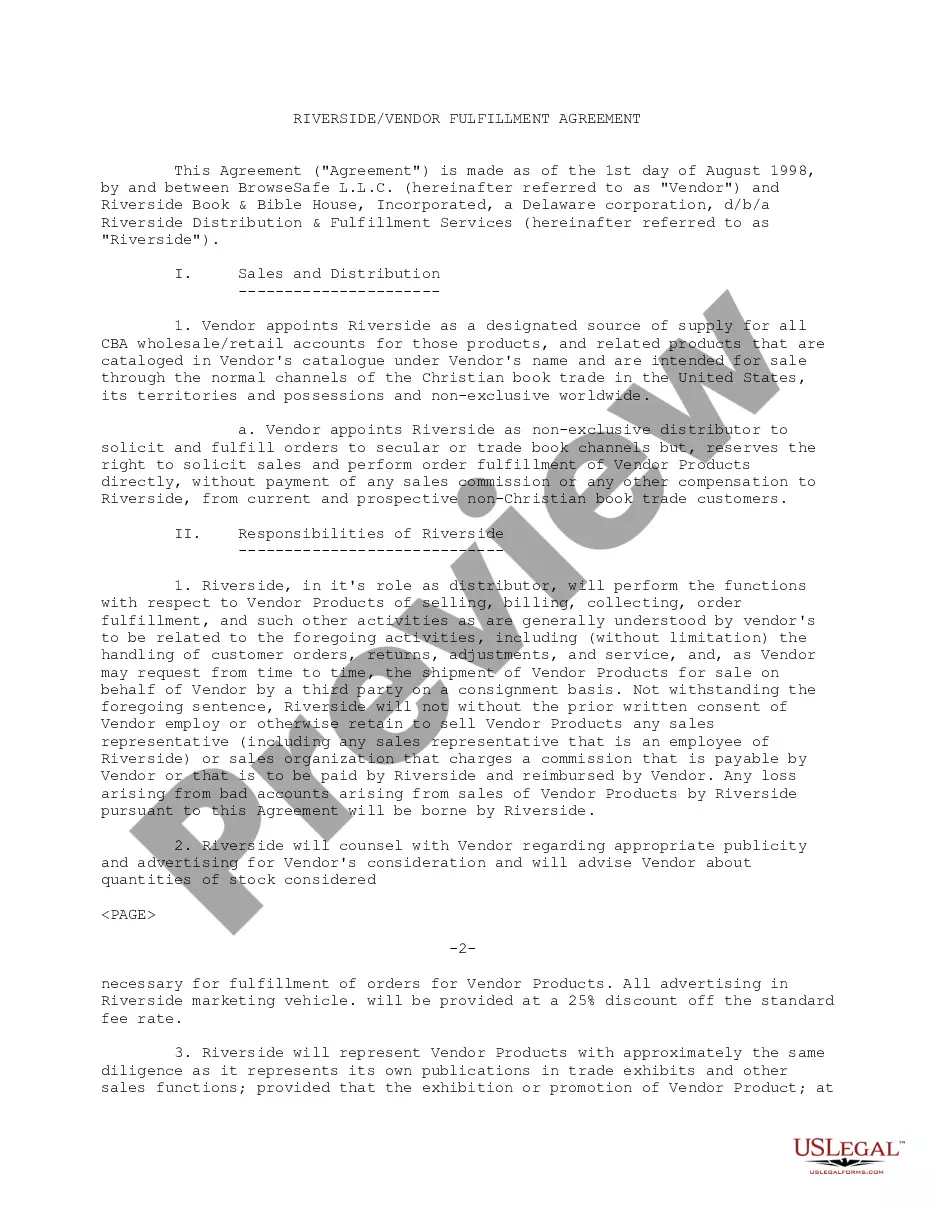
Vendor Agreement Form In Riverside
Description
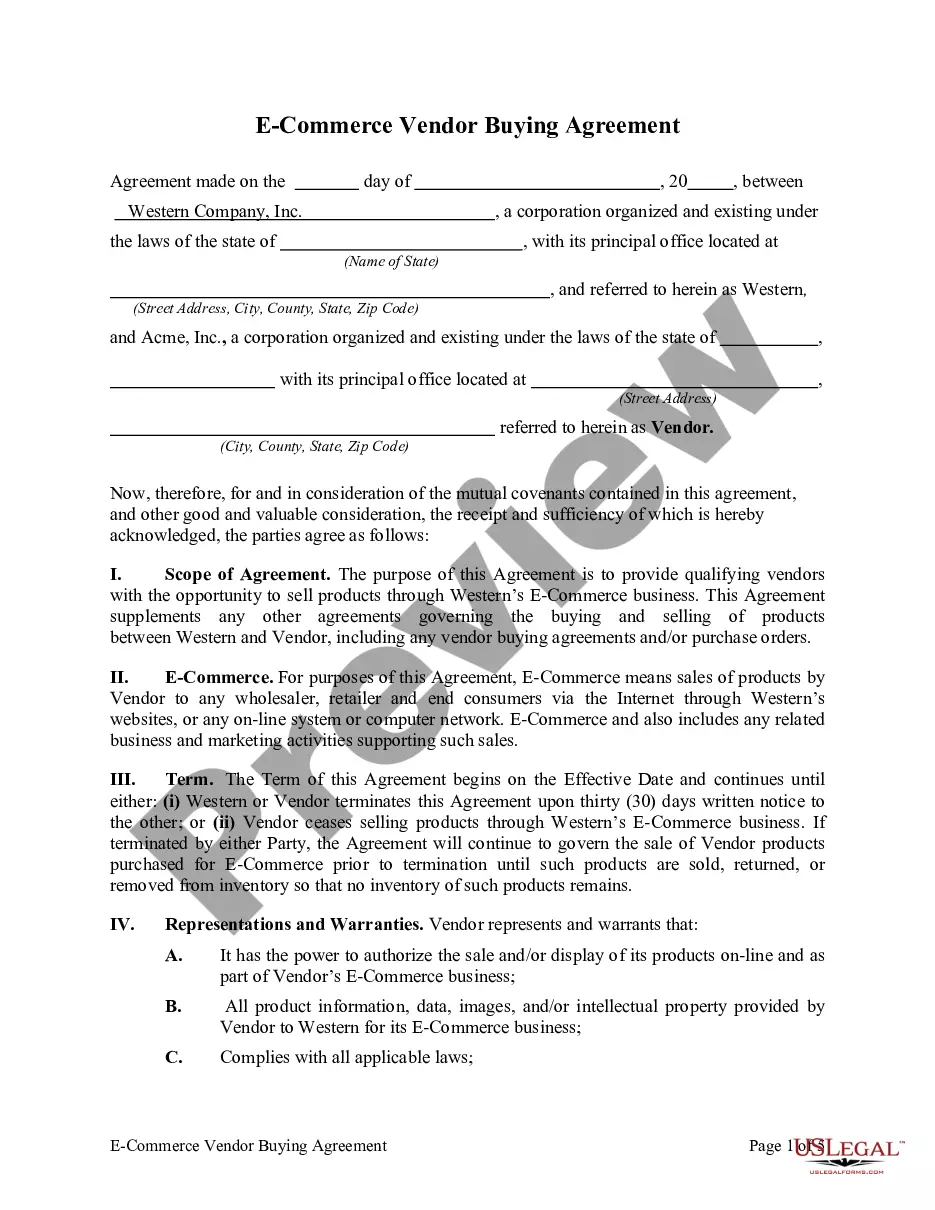
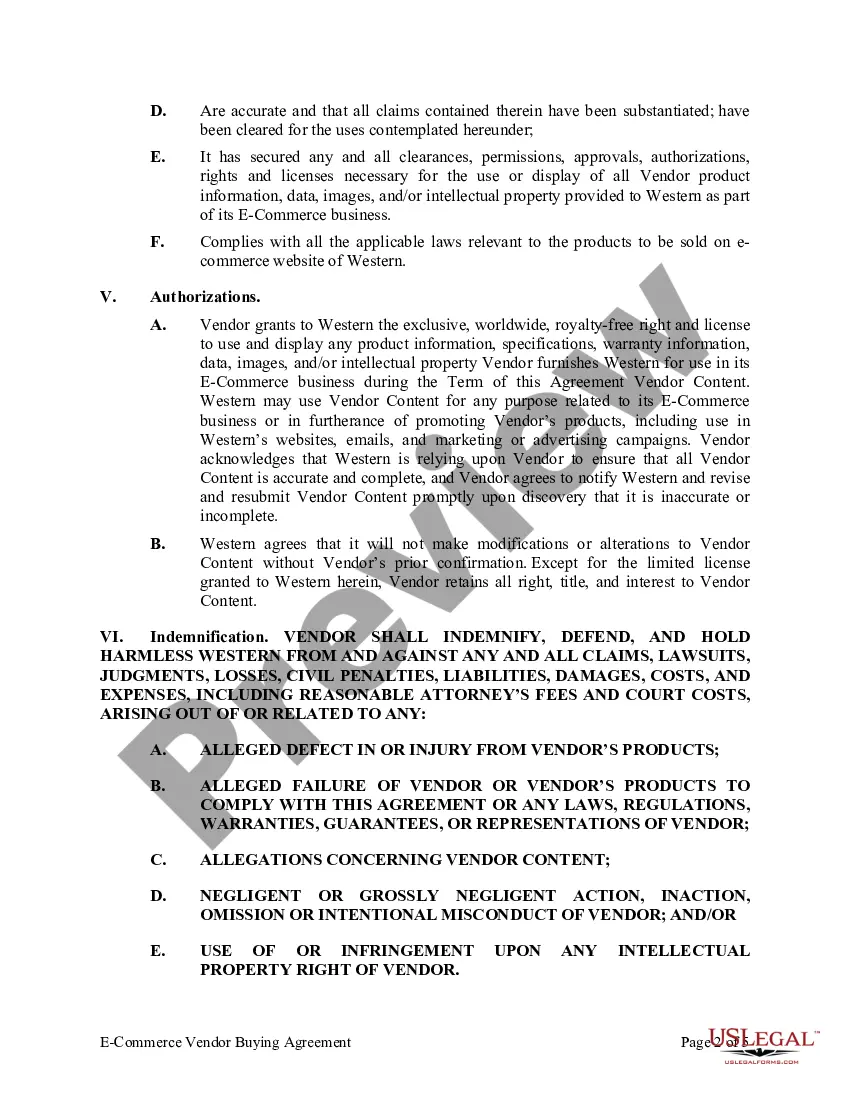
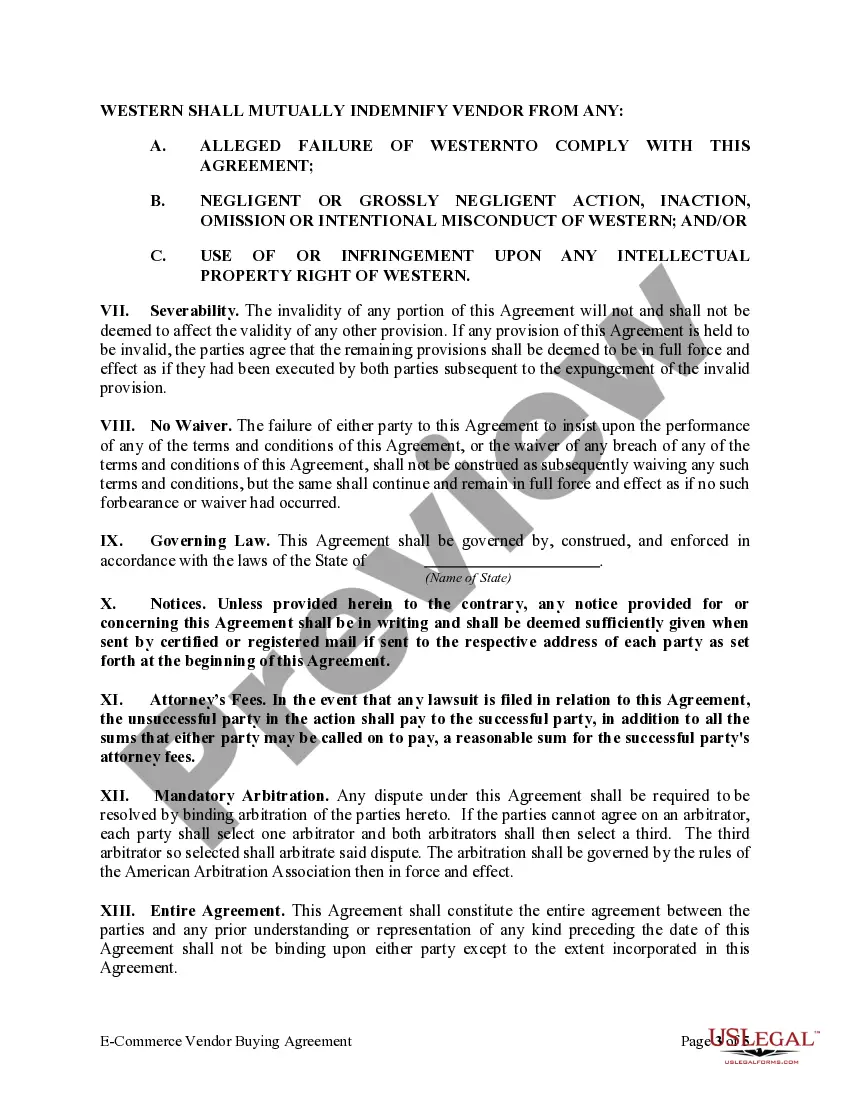
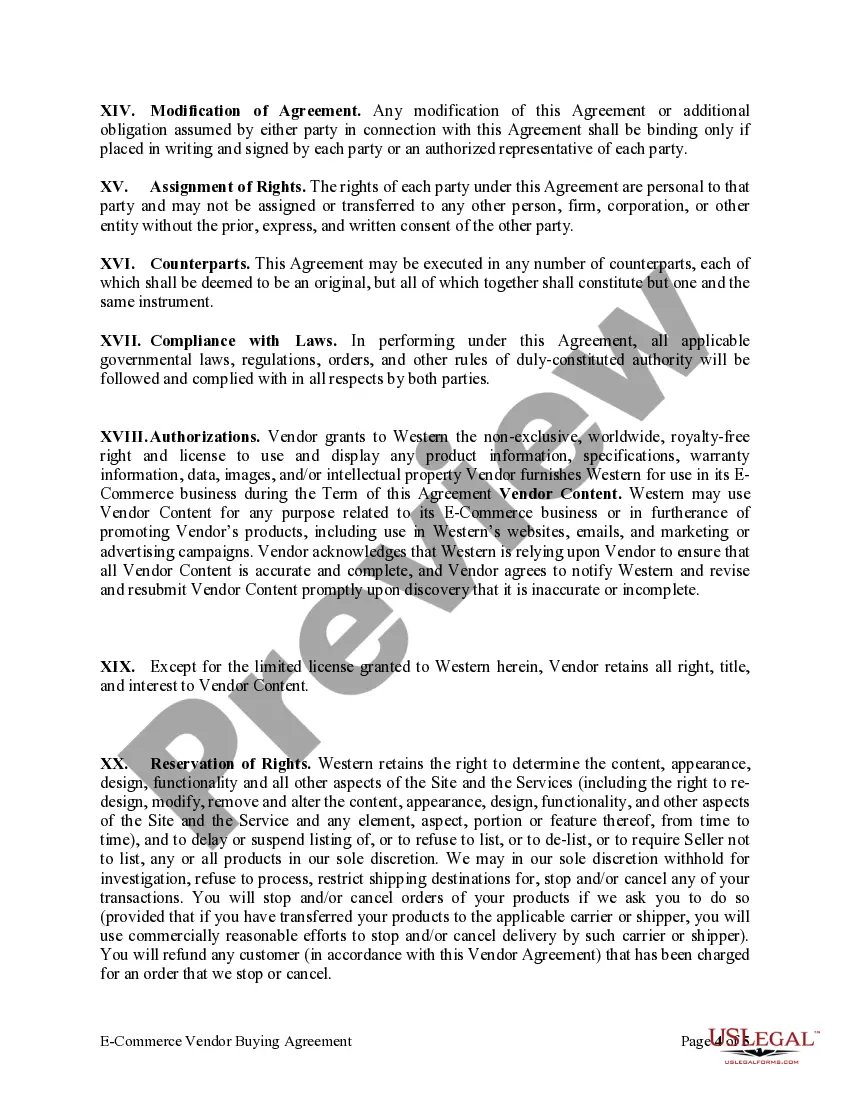
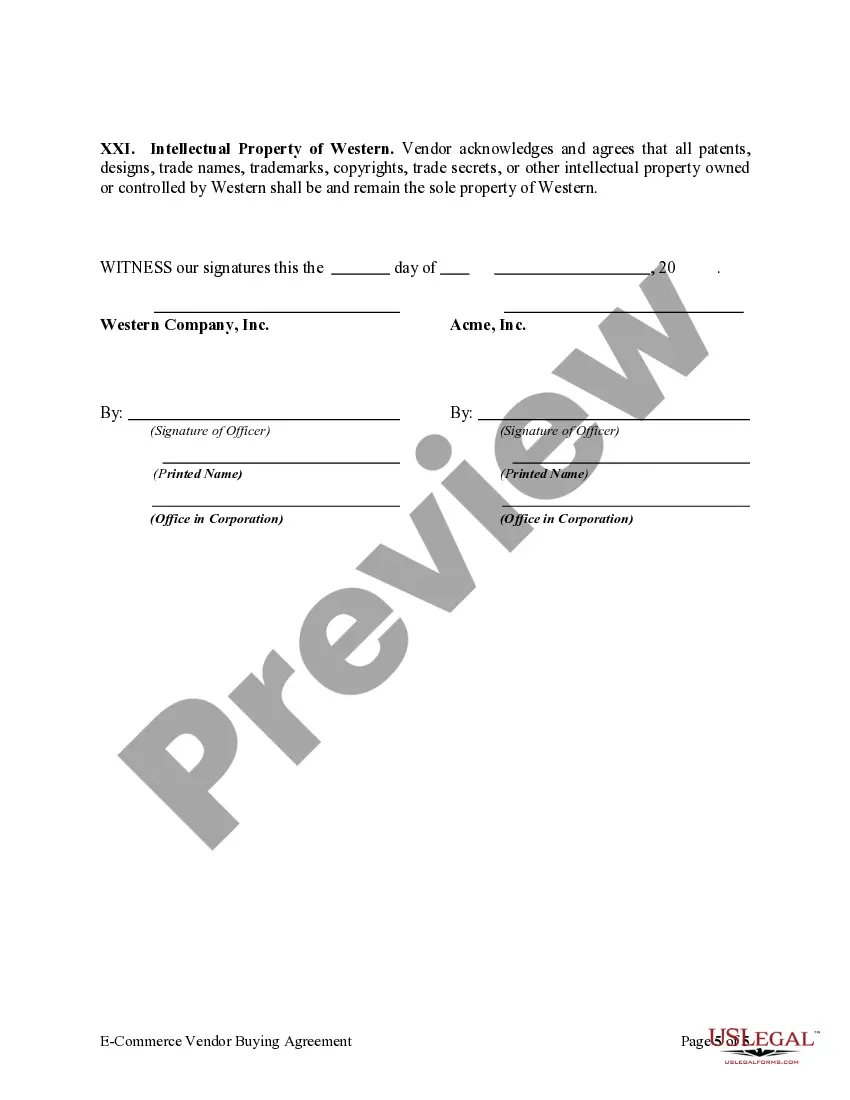
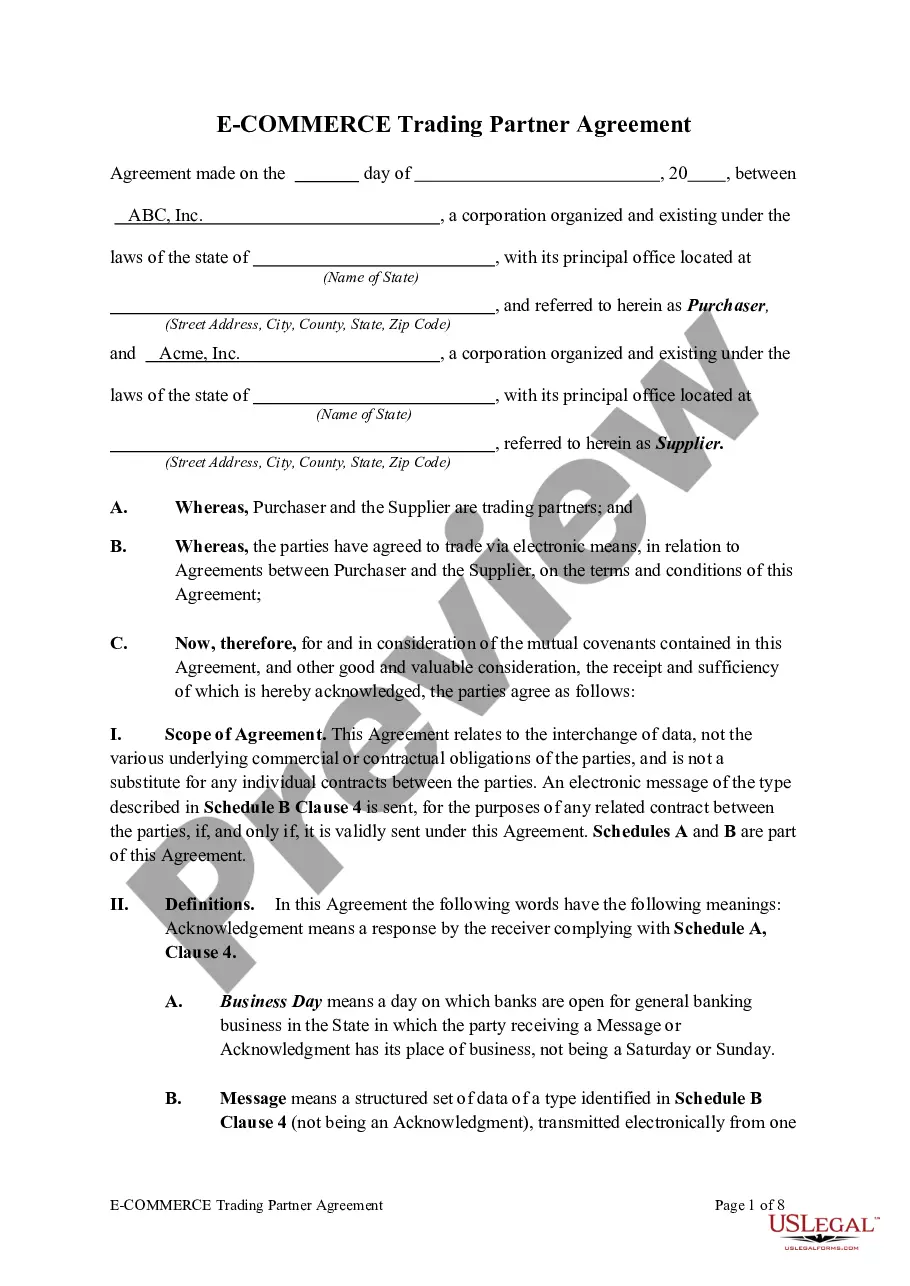
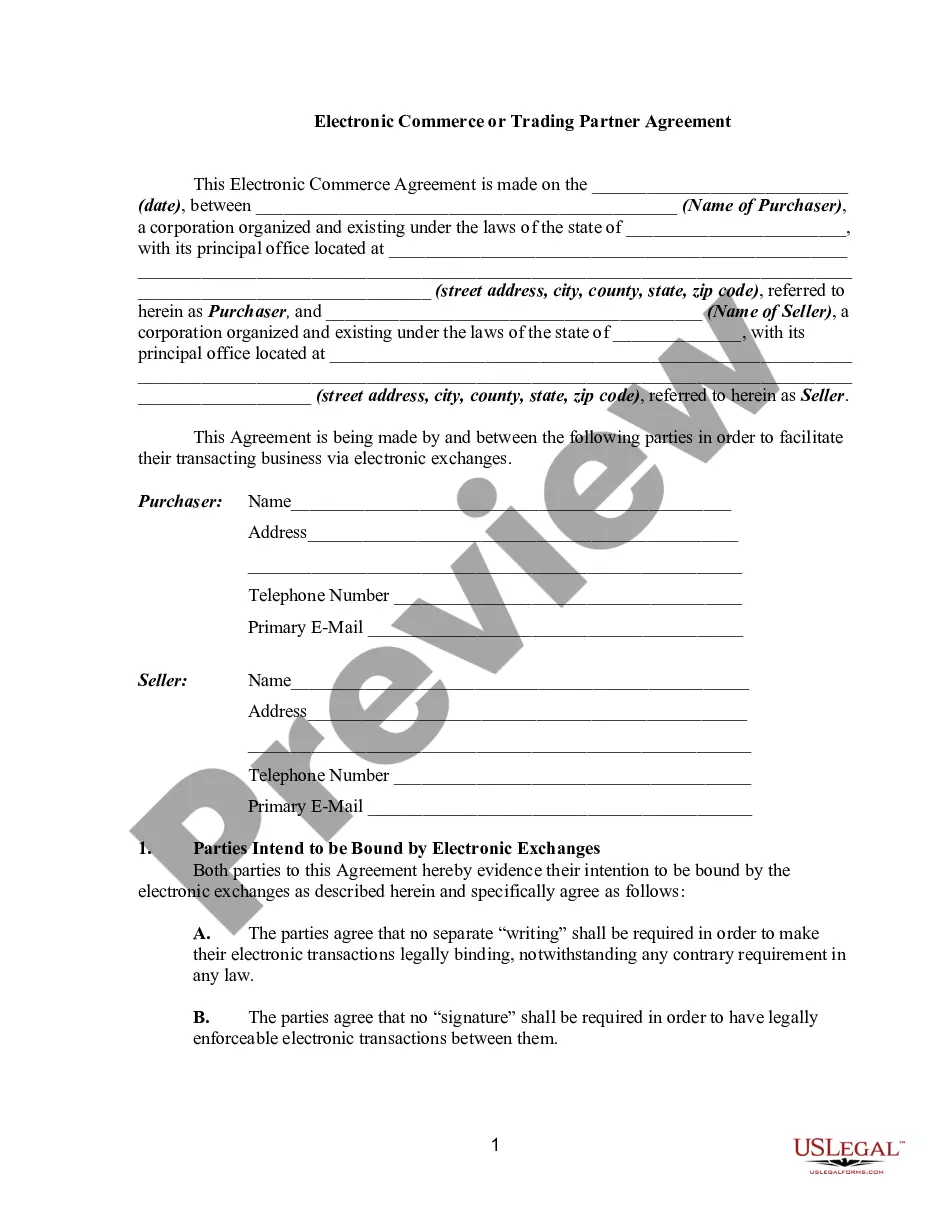
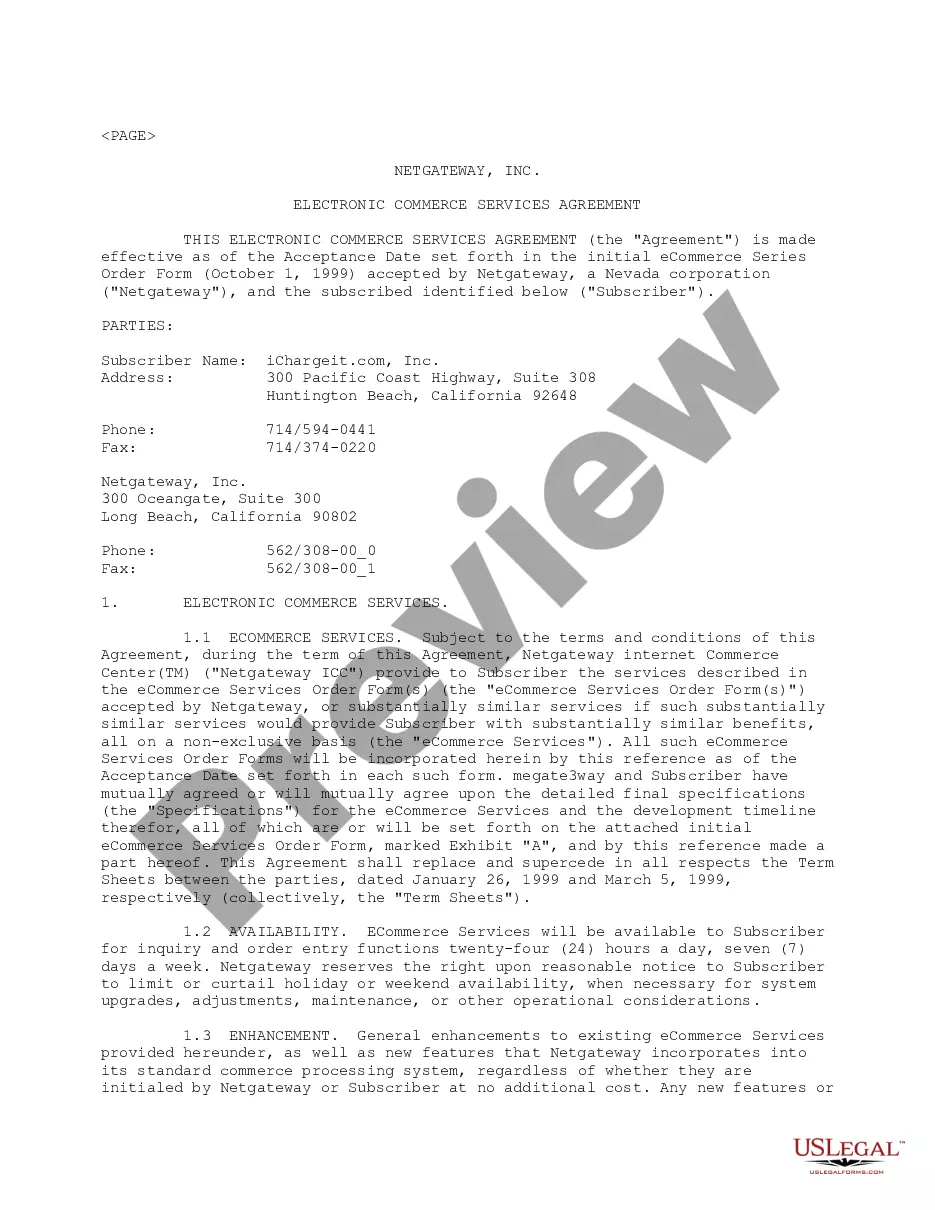
Get your form ready online
Our built-in tools help you complete, sign, share, and store your documents in one place.
Make edits, fill in missing information, and update formatting in US Legal Forms—just like you would in MS Word.
Download a copy, print it, send it by email, or mail it via USPS—whatever works best for your next step.
Sign and collect signatures with our SignNow integration. Send to multiple recipients, set reminders, and more. Go Premium to unlock E-Sign.
If this form requires notarization, complete it online through a secure video call—no need to meet a notary in person or wait for an appointment.
We protect your documents and personal data by following strict security and privacy standards.

Make edits, fill in missing information, and update formatting in US Legal Forms—just like you would in MS Word.

Download a copy, print it, send it by email, or mail it via USPS—whatever works best for your next step.

Sign and collect signatures with our SignNow integration. Send to multiple recipients, set reminders, and more. Go Premium to unlock E-Sign.

If this form requires notarization, complete it online through a secure video call—no need to meet a notary in person or wait for an appointment.

We protect your documents and personal data by following strict security and privacy standards.
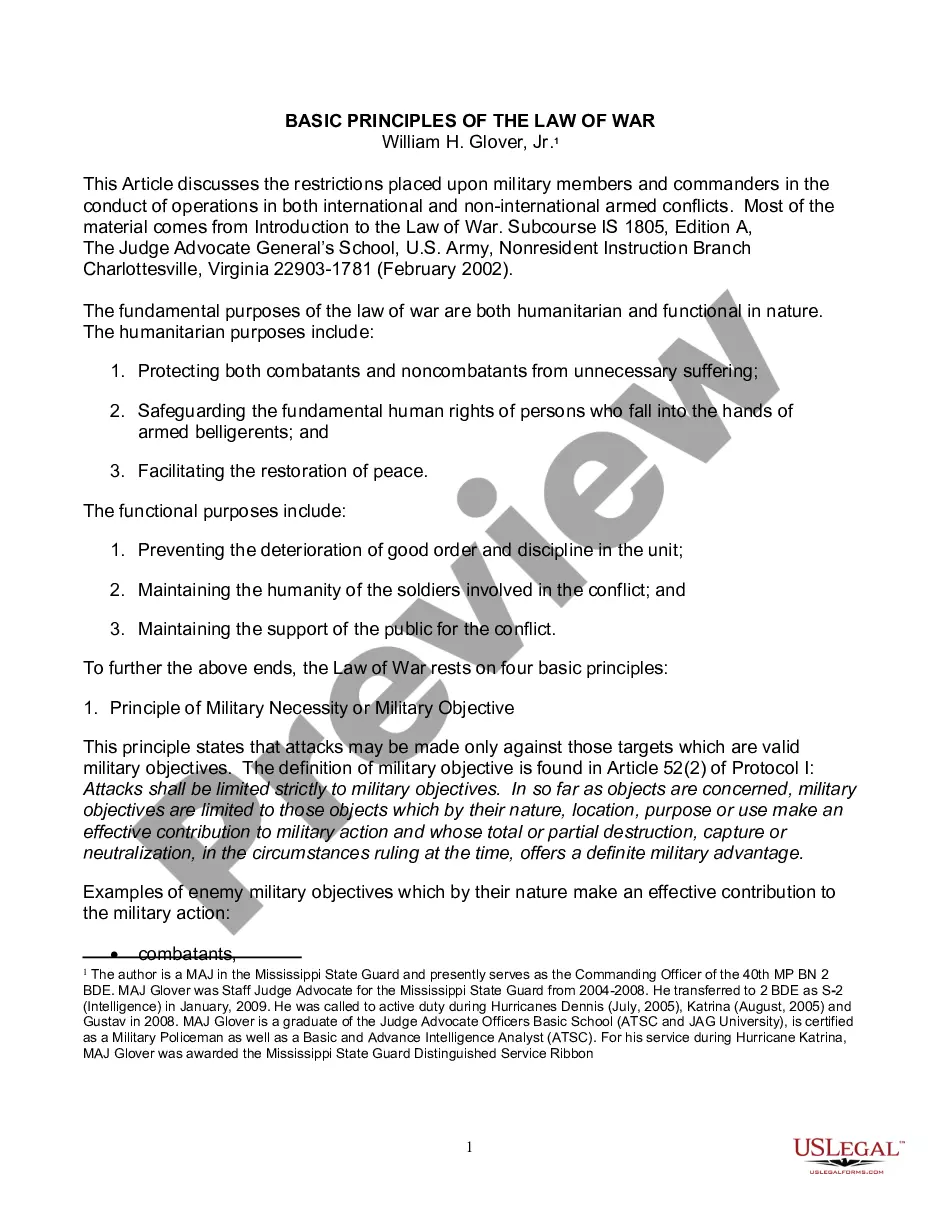
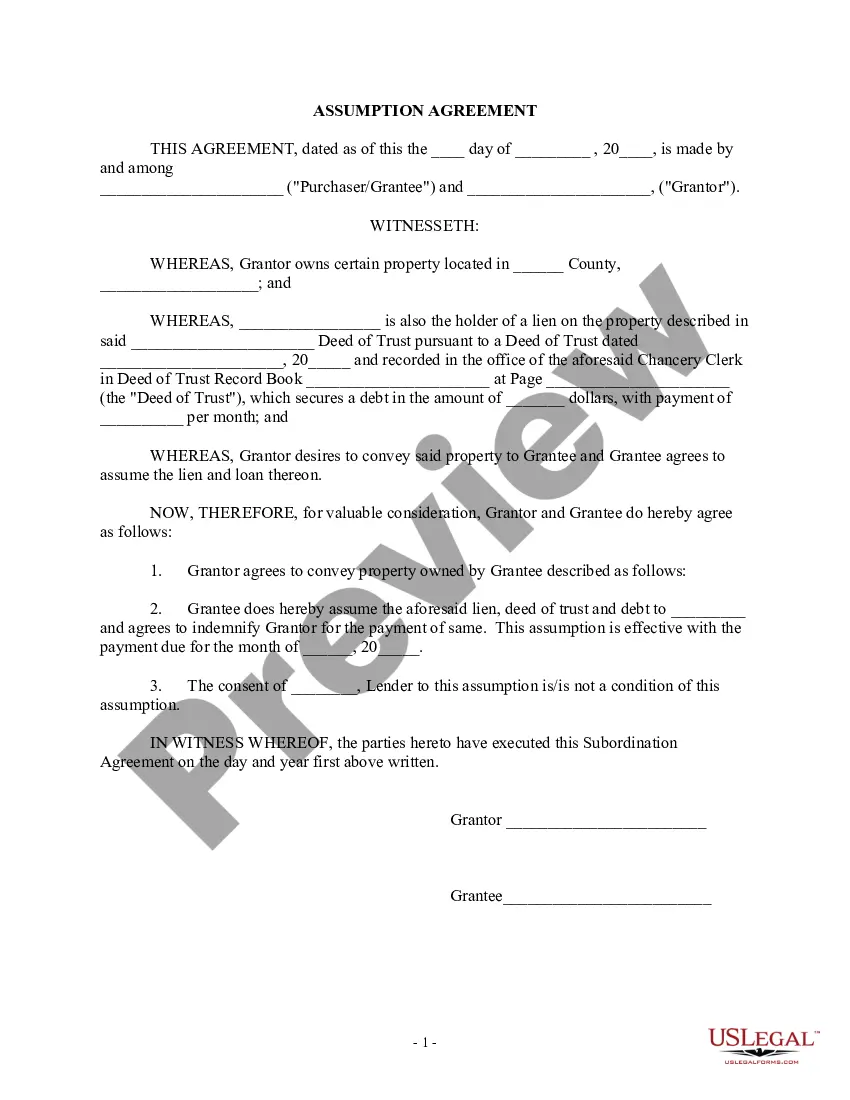
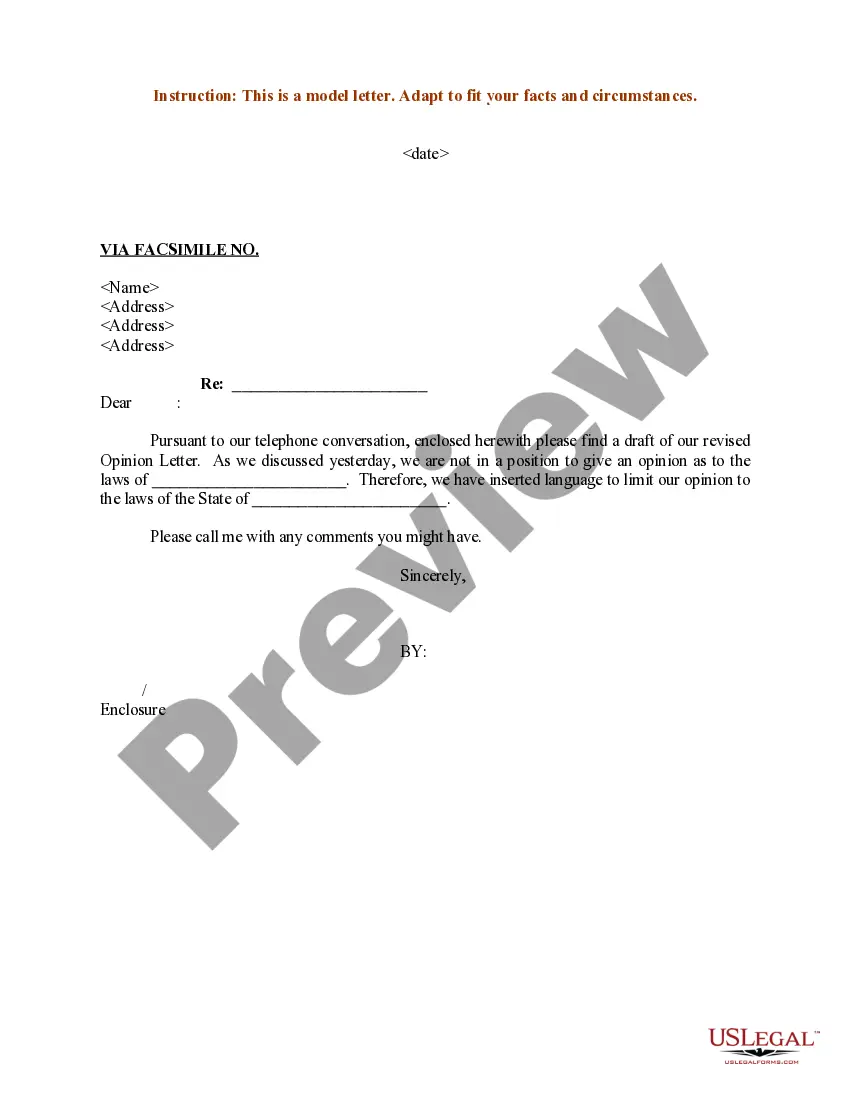
Looking for another form?






Form popularity
FAQ
Vendor contracts focus on services, performance metrics, and long-term engagements, while supplier contracts are more transactional, centered around the provision of raw materials, products, or goods. Connect with LinkSquares today and discover contract management solutions tailored to your organization's needs.
The terms 'vendor' and 'supplier' are often used interchangeably, but they can refer to different roles in the supply chain. Technically, a supplier works in a B2B (business-to-business) context while a vendor works in a B2C (business-to-consumer) context.
Suppliers are vital business partners that offers specialized goods, services, or raw materials to another organization, commonly for manufacturing needs. Conversely, a vendor, often considered a type of supplier, is an entity that directly sells finished products or services to consumers or businesses.
Street vending is legal in the State of California, but you must do it legally. Do it legally, not just for your health and benefit but for the health and safety of the people you plan to serve. In Riverside County, we have adopted some simple rules.
A vendor contract (otherwise known as a vendor agreement) is a business contract between two parties covering the exchange of goods or services in return for compensation. Vendor contracts establish the business relationship conditions and include details on each party's obligations under the contract.
A completed vendor form provides licensing, certification, and insurance information necessary to ensure compliance with legal requirements as well as standards for their industry.
A vendor registration form includes vendor names, contact information, banking information (if applicable), the products or services provided by the vendor, and a certification section that verifies the information on the form is true and accurate.
A vendor contract (otherwise known as a vendor agreement) is a business contract between two parties covering the exchange of goods or services in return for compensation. Vendor contracts establish the business relationship conditions and include details on each party's obligations under the contract.
Go to the County of Riverside web page and click on Vendor registration. Now you are at the Purchasing web page. Again, click on Vendor Registration. To Register your company click on “Register”.
Think of a vendor contract as the blueprint for your entire partnership. It outlines the scope of work, deliverables, payment terms, and legal responsibilities of both parties. It's a comprehensive document that covers everything from the specific services or products to be provided to dispute resolution mechanisms.
