Vendor Agreement For Services In Ohio
Description
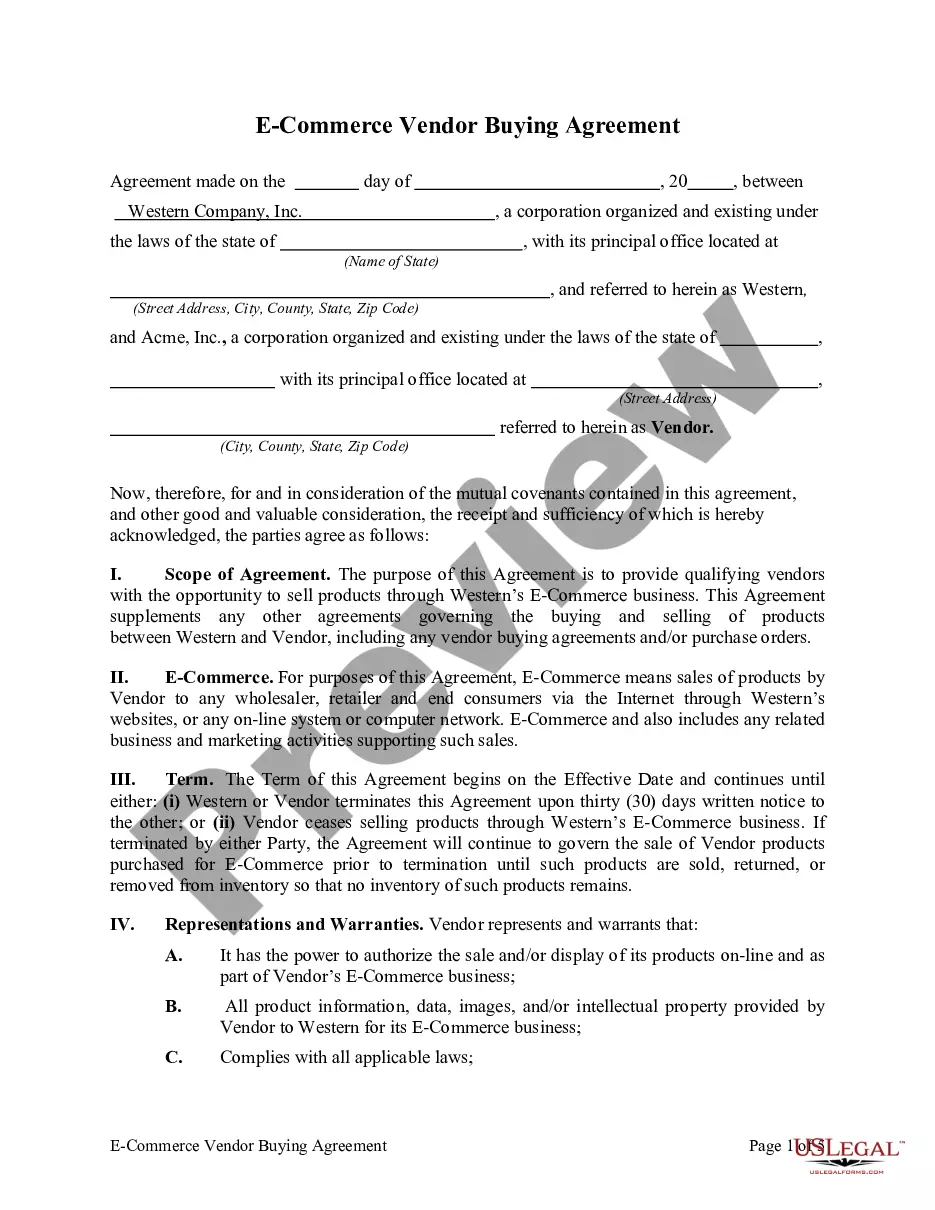
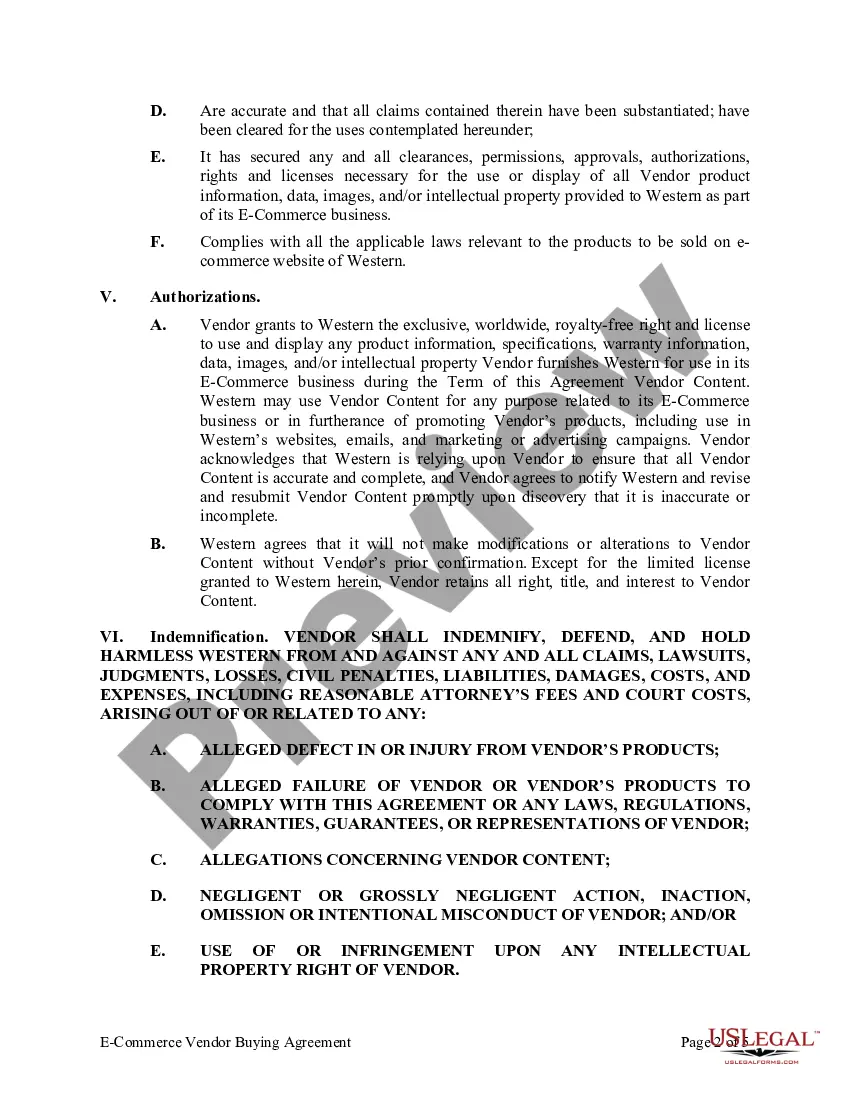
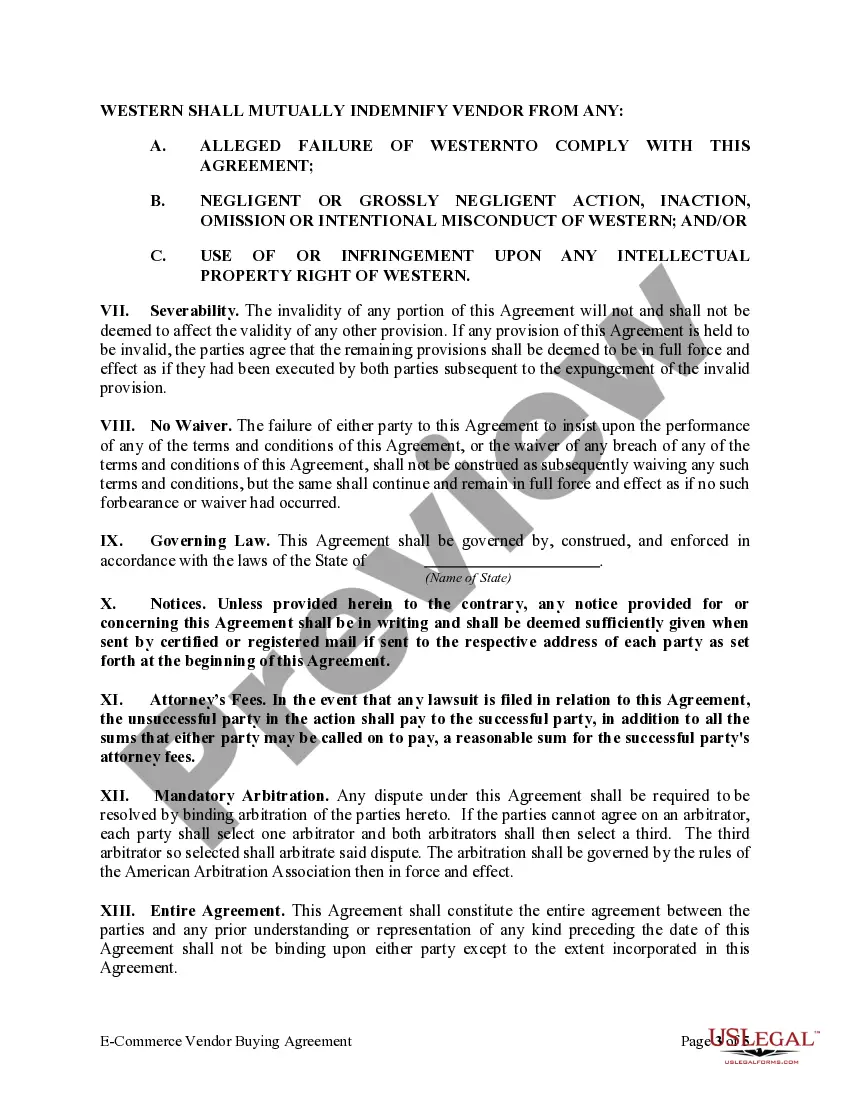
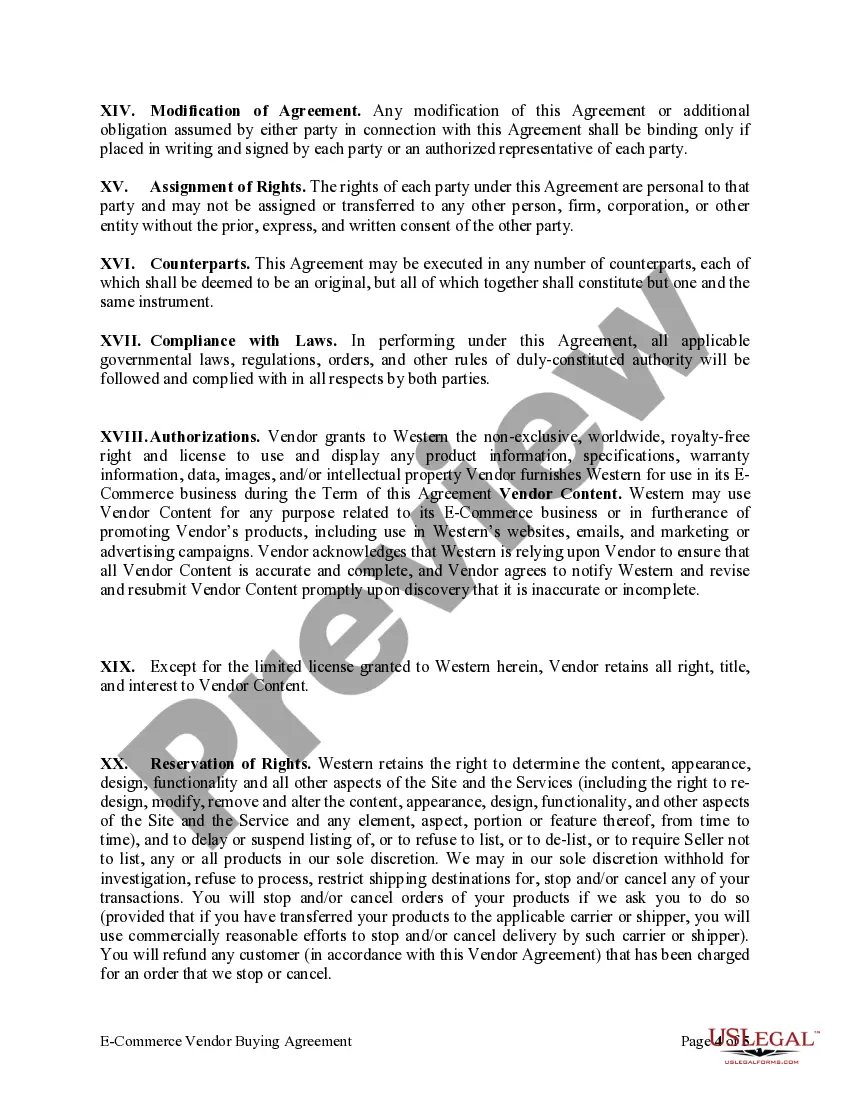
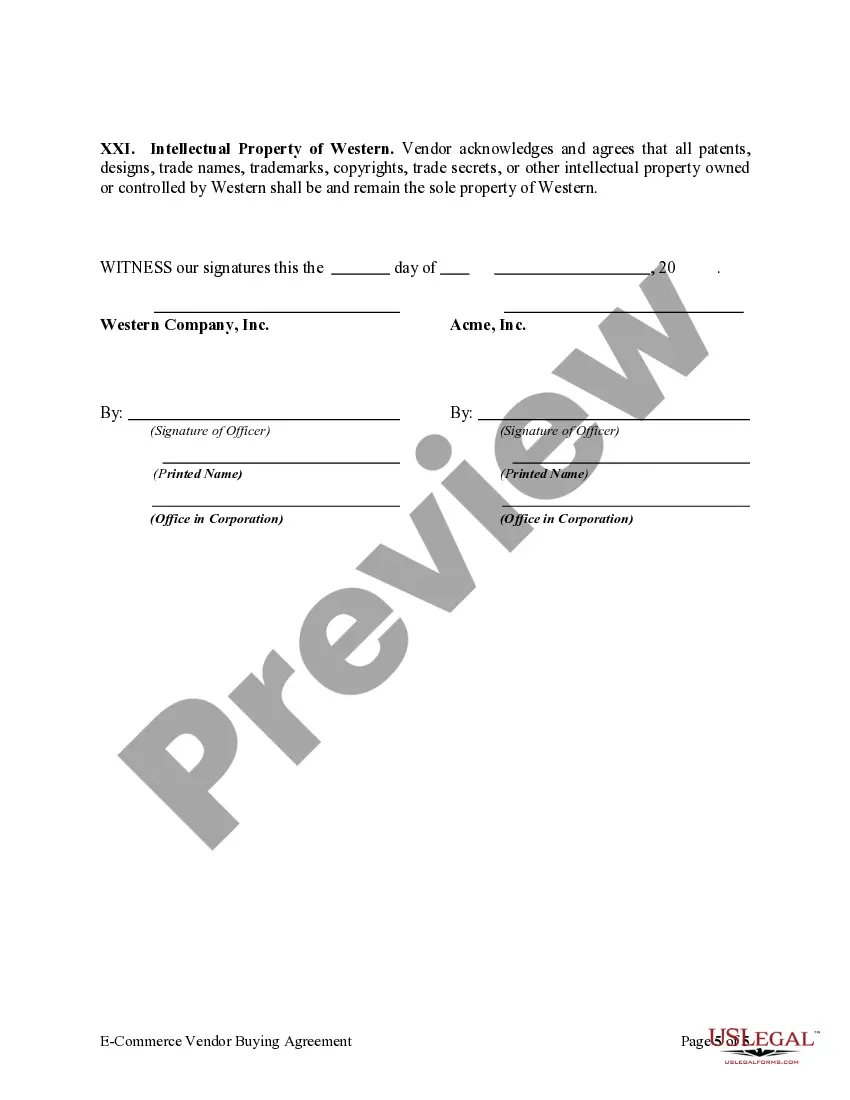

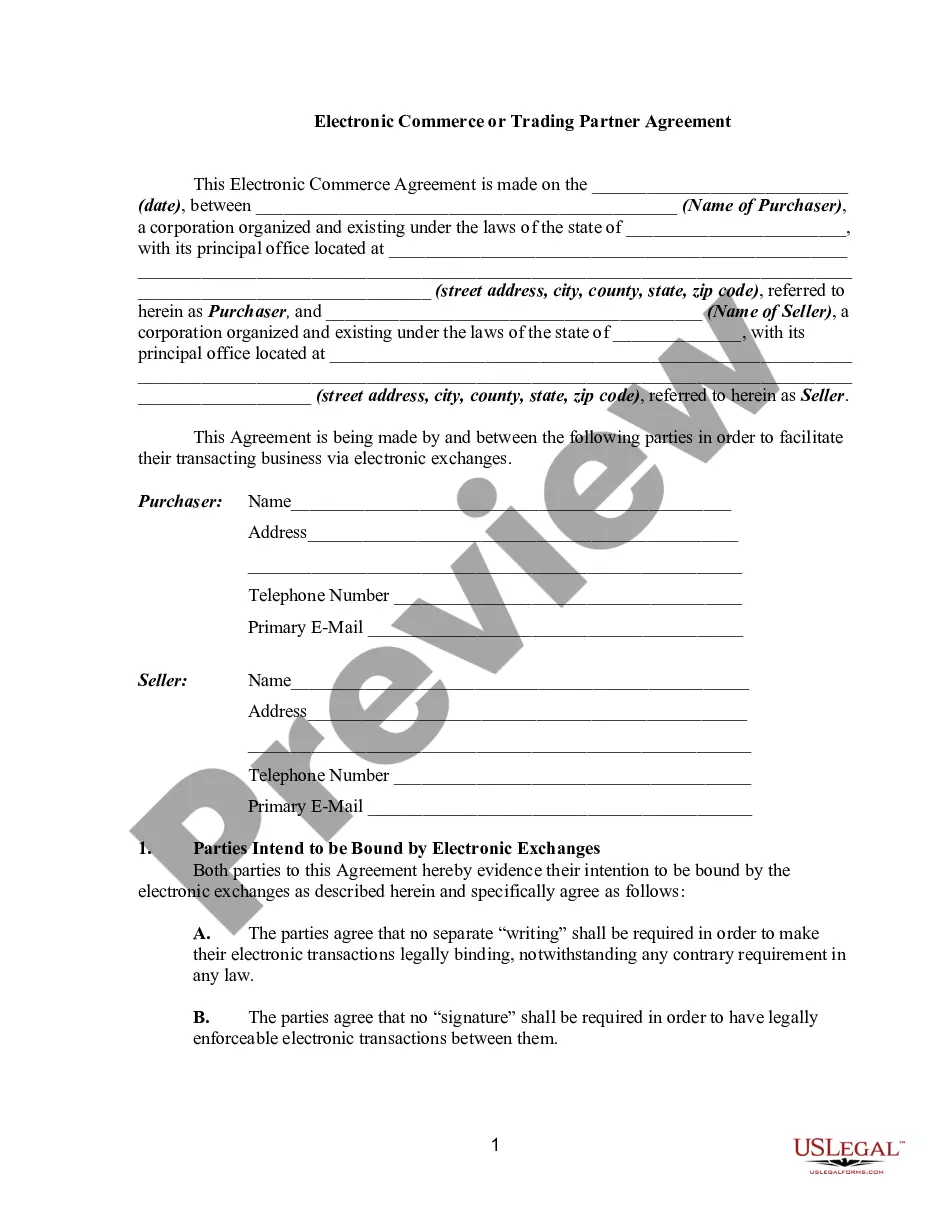
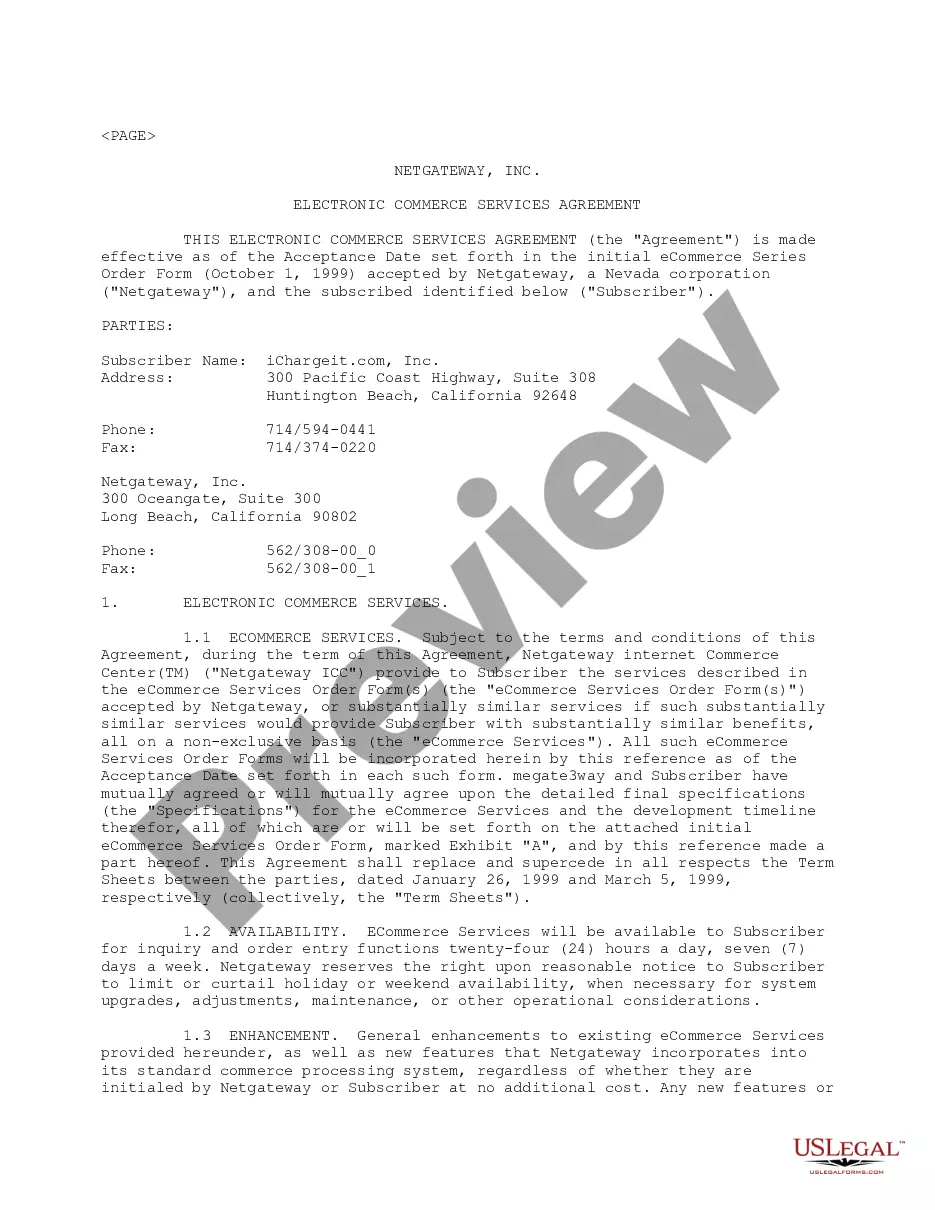
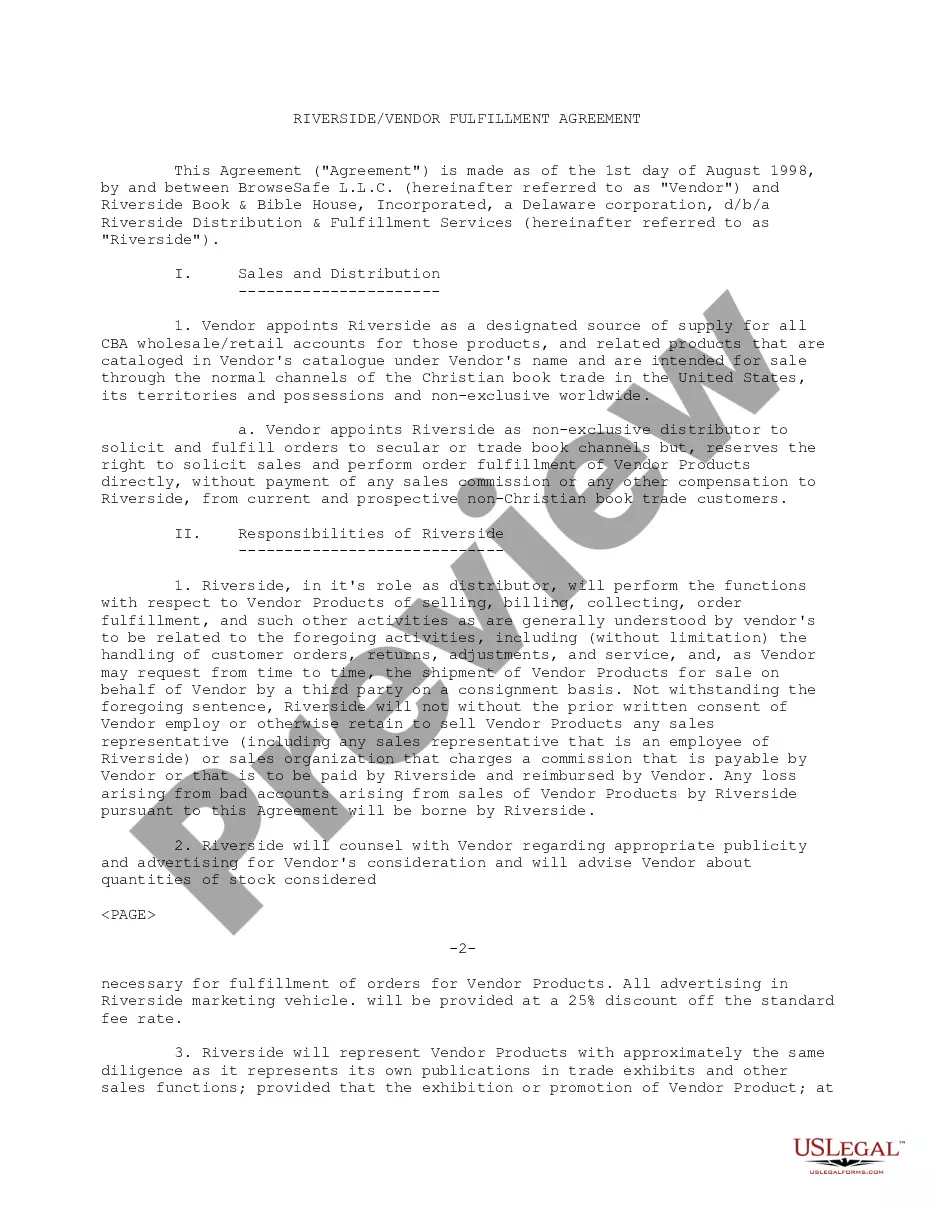
Get your form ready online
Our built-in tools help you complete, sign, share, and store your documents in one place.
Make edits, fill in missing information, and update formatting in US Legal Forms—just like you would in MS Word.
Download a copy, print it, send it by email, or mail it via USPS—whatever works best for your next step.
Sign and collect signatures with our SignNow integration. Send to multiple recipients, set reminders, and more. Go Premium to unlock E-Sign.
If this form requires notarization, complete it online through a secure video call—no need to meet a notary in person or wait for an appointment.
We protect your documents and personal data by following strict security and privacy standards.

Make edits, fill in missing information, and update formatting in US Legal Forms—just like you would in MS Word.

Download a copy, print it, send it by email, or mail it via USPS—whatever works best for your next step.

Sign and collect signatures with our SignNow integration. Send to multiple recipients, set reminders, and more. Go Premium to unlock E-Sign.

If this form requires notarization, complete it online through a secure video call—no need to meet a notary in person or wait for an appointment.

We protect your documents and personal data by following strict security and privacy standards.
Looking for another form?

Form popularity
FAQ
A service-level agreement (SLA) is a contract between a service provider and its customers that documents what services the provider will furnish and defines the service standards the provider is obligated to meet. A service-level commitment (SLC) is a broader and more generalized form of an SLA.
A service-level agreement (SLA) defines the level of service expected from a vendor, laying out metrics by which service is measured, as well as remedies should service levels not be achieved. It is a critical component of any technology vendor contract.
There are three types of SLAs used in businesses, they are: Customer-based SLA: Service-based SLA: Multi-level SLA:
A SLA is not a contract. The SLA document should be seen as a list of targets, rather than a legal binding agreement. The parties should be aware that the SLA itself does not guarantee that the expected service levels will always be met or that penalties will be imposed if they are not met.
A service provider agreement, also known as a provision of services agreement, is a contract between at least two parties in which one party agrees to provide services in exchange for compensation. For example, a homeowner may execute a service provider agreement with a contractor for home repairs.
There are two types of vendor licenses, "Regular" and "Transient." The "regular" one may be obtained at the County Auditor's office. The "transient" license is issued by the State of Ohio. Applications may be obtained at the County Auditor's office or online at Ohio Business Gateway.
A vendor license may be a basic business license, a tax registration, or a vendor/contractor for a government agency. A vendor license may be a type of basic business license that a person or company needs to obtain before they can sell their goods or services within a certain jurisdiction.
Here's how to get a vendor's license: Register the business name. Determine the appropriate business structure. Check federal requirements. Apply for a state vendor's license. Check local requirements. Collect sales tax. Maintain tax records. Obtain an out-of-state seller license.
A vendor contract (otherwise known as a vendor agreement) is a business contract between two parties covering the exchange of goods or services in return for compensation. Vendor contracts establish the business relationship conditions and include details on each party's obligations under the contract.
Write the contract in six steps Start with a contract template. Open with the basic information. Describe in detail what you have agreed to. Include a description of how the contract will be ended. Write into the contract which laws apply and how disputes will be resolved. Include space for signatures.
