Vendor Agreement For Ecommerce In Ohio
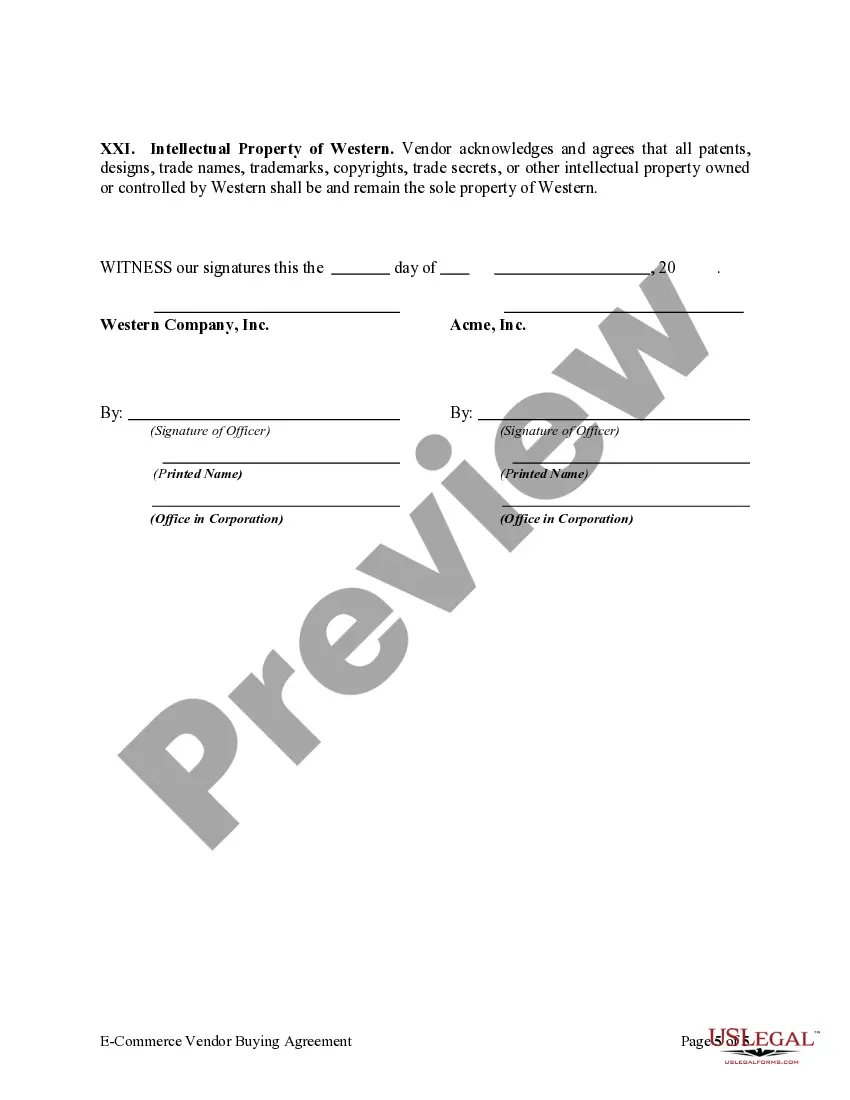
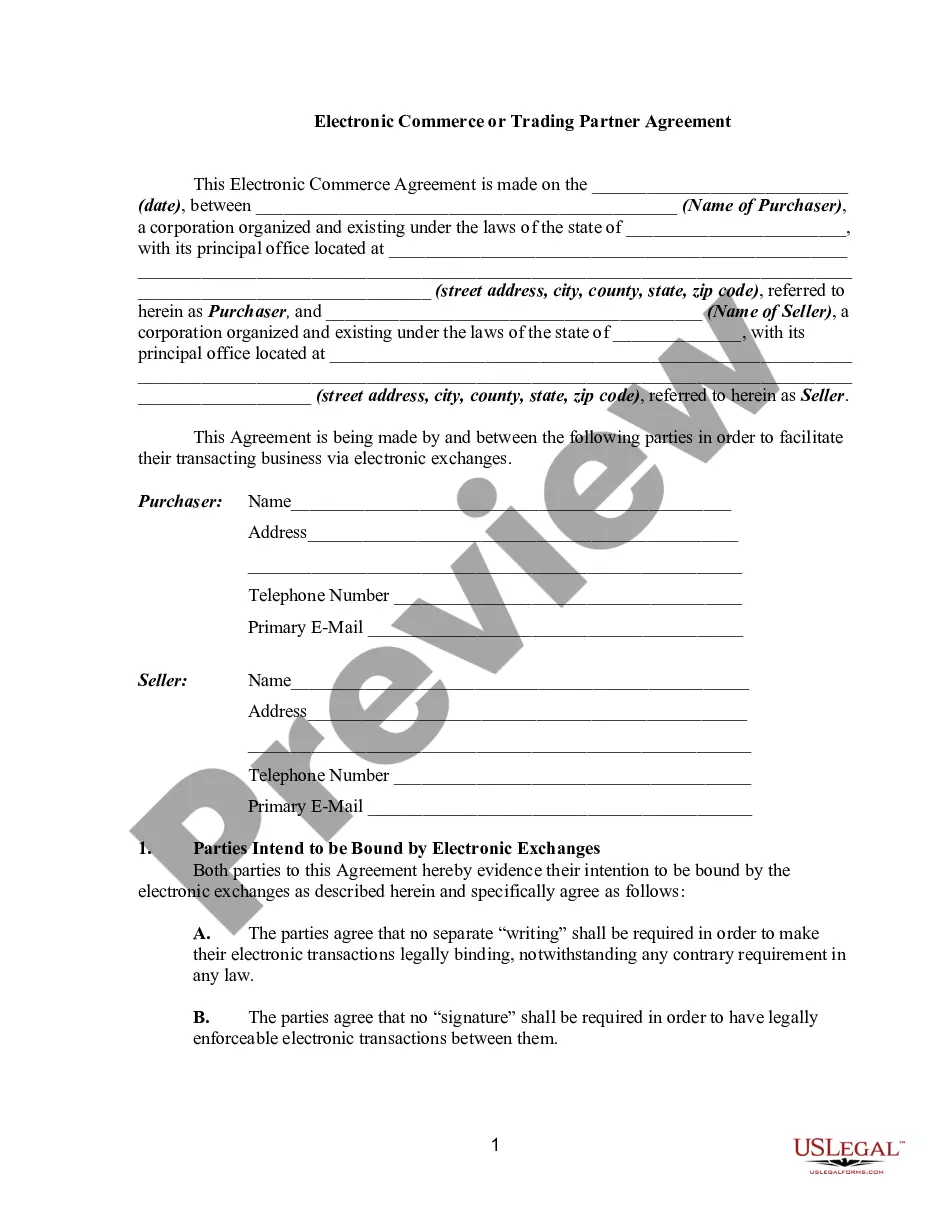
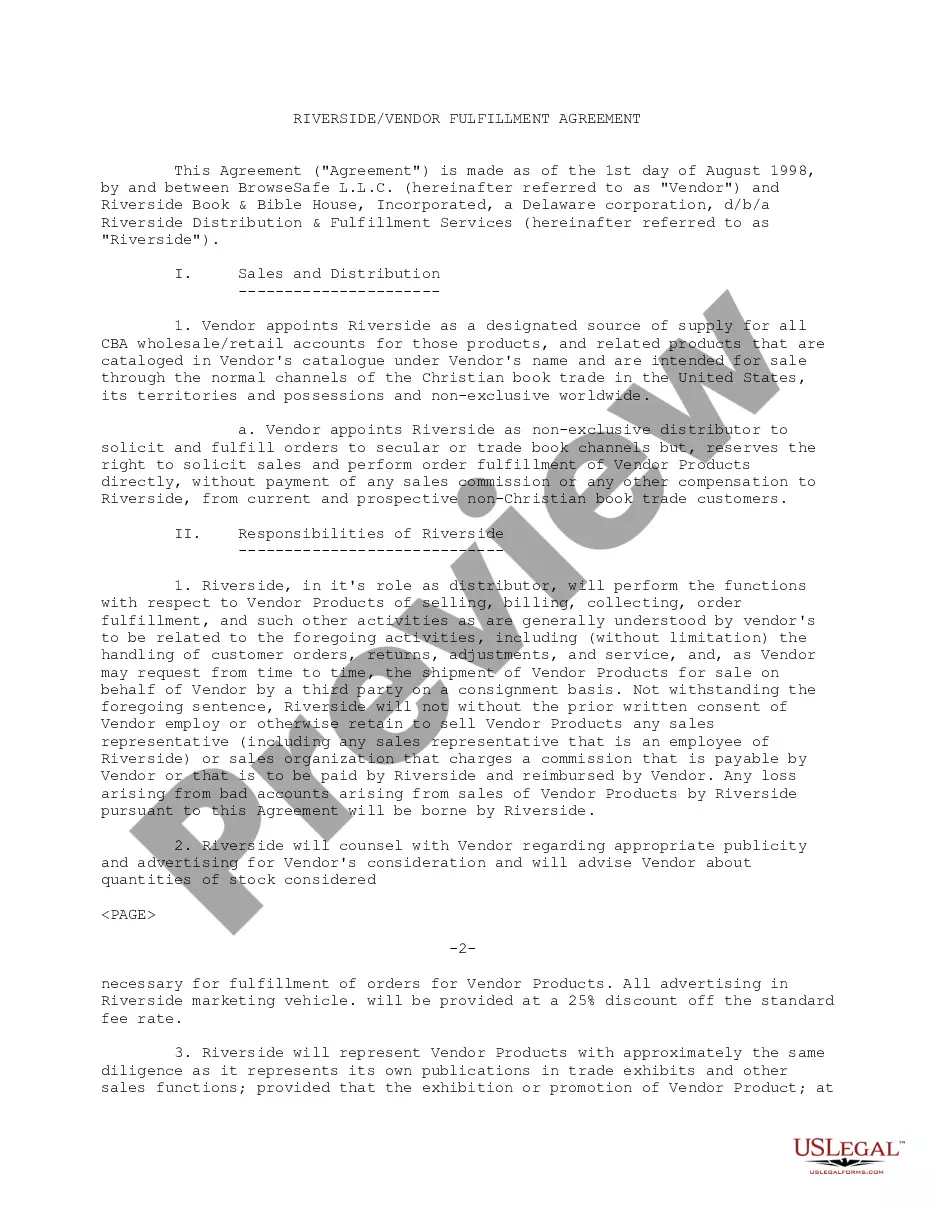
Description
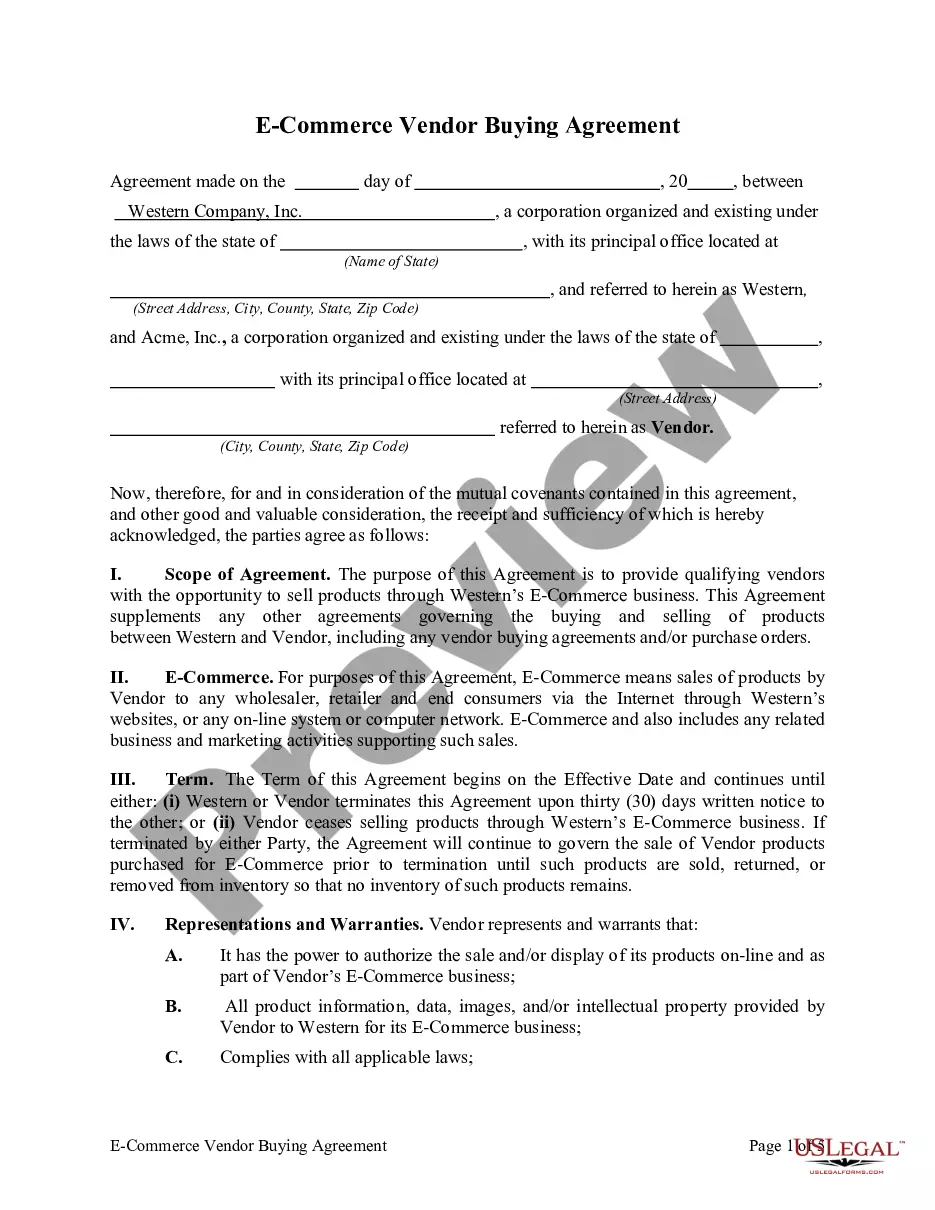
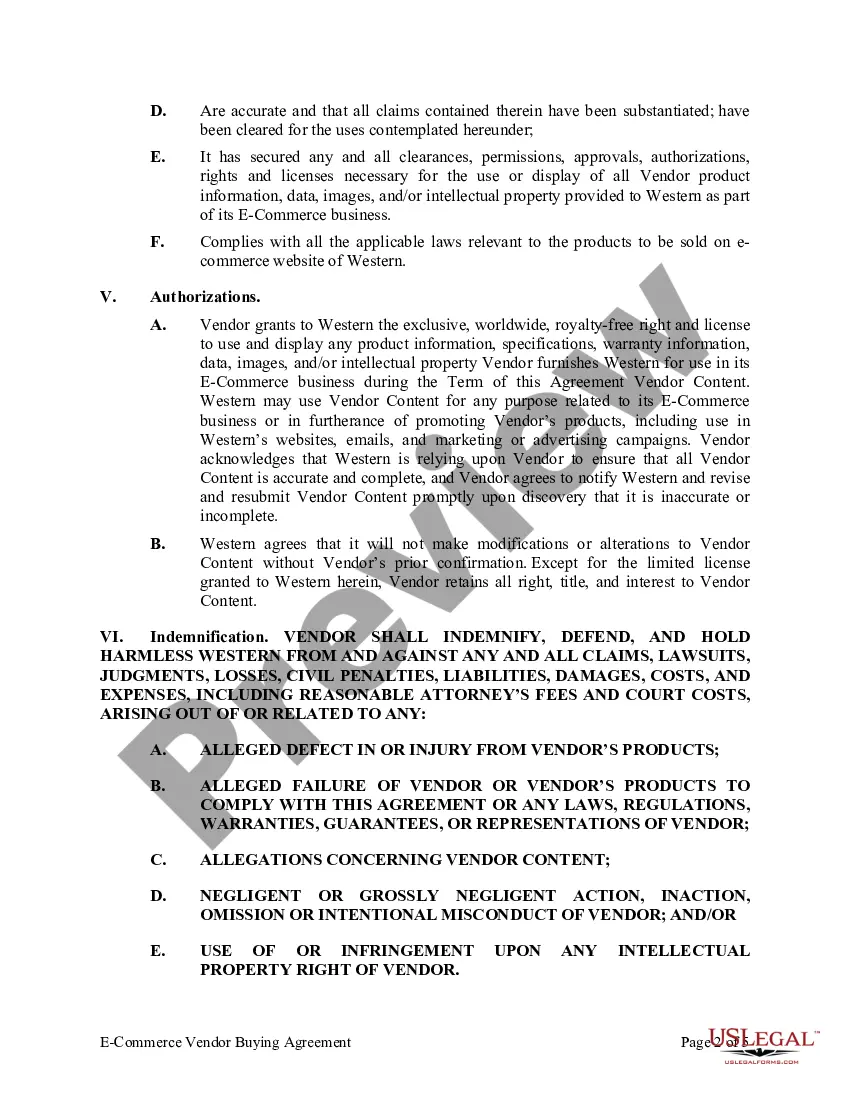
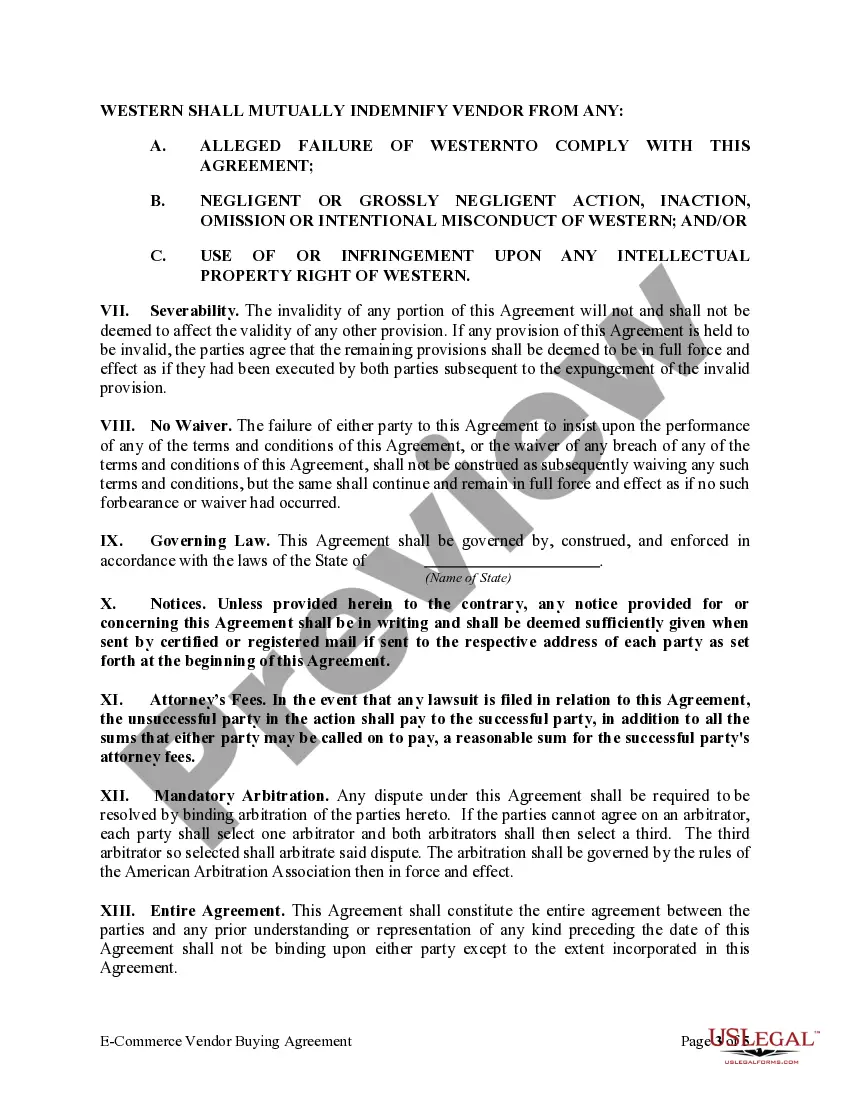
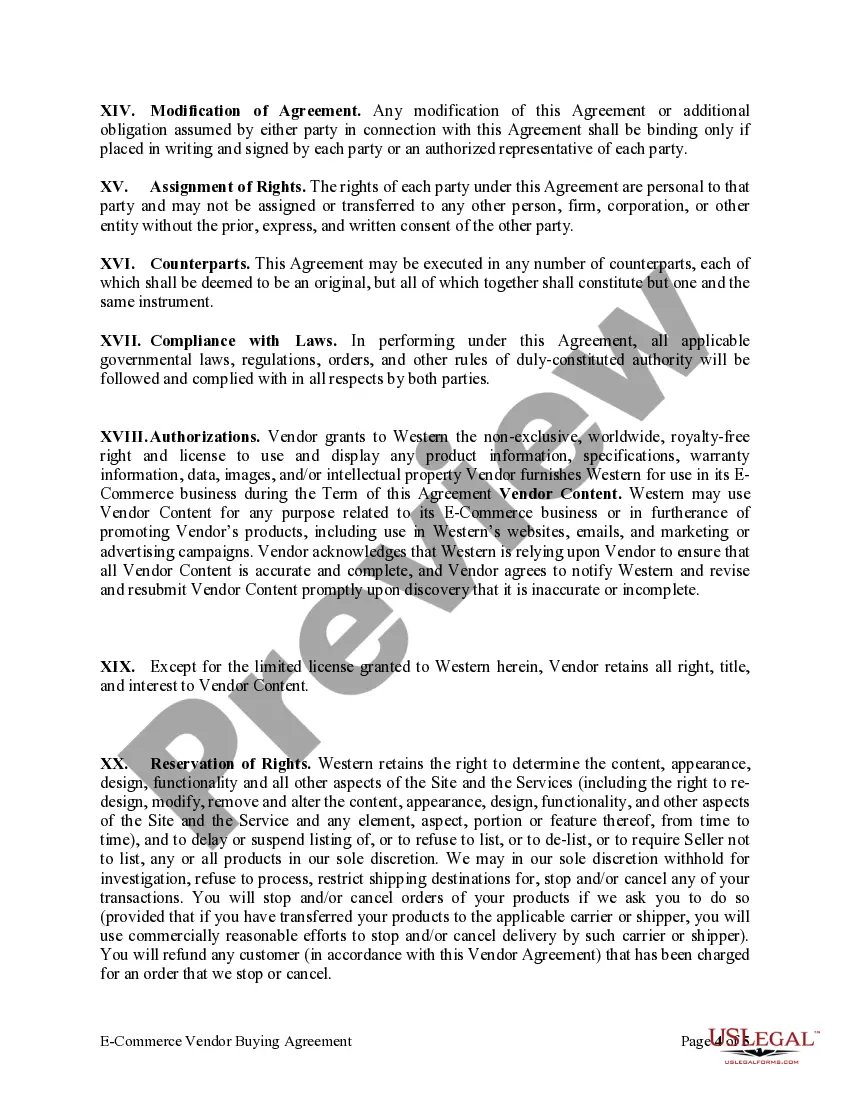


Get your form ready online
Our built-in tools help you complete, sign, share, and store your documents in one place.
Make edits, fill in missing information, and update formatting in US Legal Forms—just like you would in MS Word.
Download a copy, print it, send it by email, or mail it via USPS—whatever works best for your next step.
Sign and collect signatures with our SignNow integration. Send to multiple recipients, set reminders, and more. Go Premium to unlock E-Sign.
If this form requires notarization, complete it online through a secure video call—no need to meet a notary in person or wait for an appointment.
We protect your documents and personal data by following strict security and privacy standards.

Make edits, fill in missing information, and update formatting in US Legal Forms—just like you would in MS Word.

Download a copy, print it, send it by email, or mail it via USPS—whatever works best for your next step.

Sign and collect signatures with our SignNow integration. Send to multiple recipients, set reminders, and more. Go Premium to unlock E-Sign.

If this form requires notarization, complete it online through a secure video call—no need to meet a notary in person or wait for an appointment.

We protect your documents and personal data by following strict security and privacy standards.
Looking for another form?









Form popularity
FAQ
A vendor contract (otherwise known as a vendor agreement) is a business contract between two parties covering the exchange of goods or services in return for compensation.
An organization that provides any combination of consulting, software and computer systems for e-commerce websites.
commerce vendors are needed to supply the software and services used to start and operate most online stores. However, they are more prominently known for supplying consumable and durable goods to online shop owners so that they can resell the items at a profit.
Visits to amazon grew from 615 million annual visitors in 2008, to more than 2 billion per month in 2022. The e-commerce platform is the 12th most visited website in the world.
Types Of eCommerce Websites By Business Model Business-To-Business (B2B) ... Business-To-Consumer (B2C) ... Consumer-To-Consumer (C2C) ... Consumer-To-Business (C2B) ... Single-Brand Or Vendor-Specific. Multi-Brands Or Online Retailers. Affiliate Websites. Marketplaces.
Ohio does not have one singular business license, but a vendor's license/seller's permit is needed if you're selling goods or services (which we bet you are). You might require more licensing, depending on your industry or location, on a local, statewide, or federal level, which we'll jump into below.
Ohio Business Gateway (OBG) - Prospective retailers may obtain a vendor's license immediately through the Ohio Business Gateway (OBG). Note: Businesses must first establish an account with OBG before using it to request a vendor's license.
A sales tax permit is a document that authorizes a business to make taxable retail sales and collect sales tax from customers. Other terms for “sales tax permit” are retail license, sales tax license, sales and use tax permit, seller permit, seller's permit, or vendor's license.
How to get a vendor's license Register the business name. When applying for a vendor's license, business owners provide the name of their company. Determine the appropriate business structure. Check federal requirements. Apply for a state vendor's license. Check local requirements. Collect sales tax. Maintain tax records.
An e-commerce website is any site that allows you to buy and sell products and services online. Companies like Amazon and Alibaba are examples of huge e-commerce websites.
