Private Property For Business In Pennsylvania
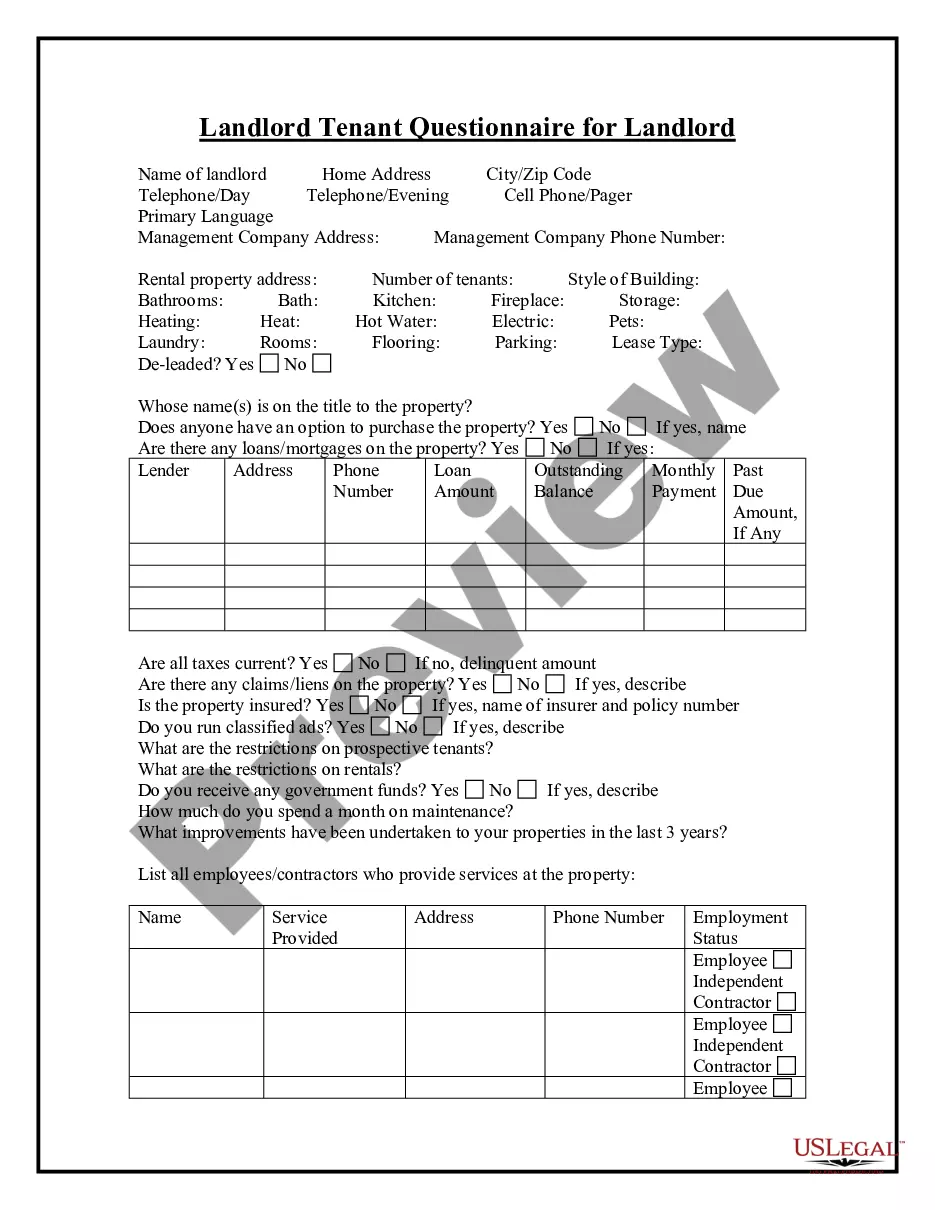
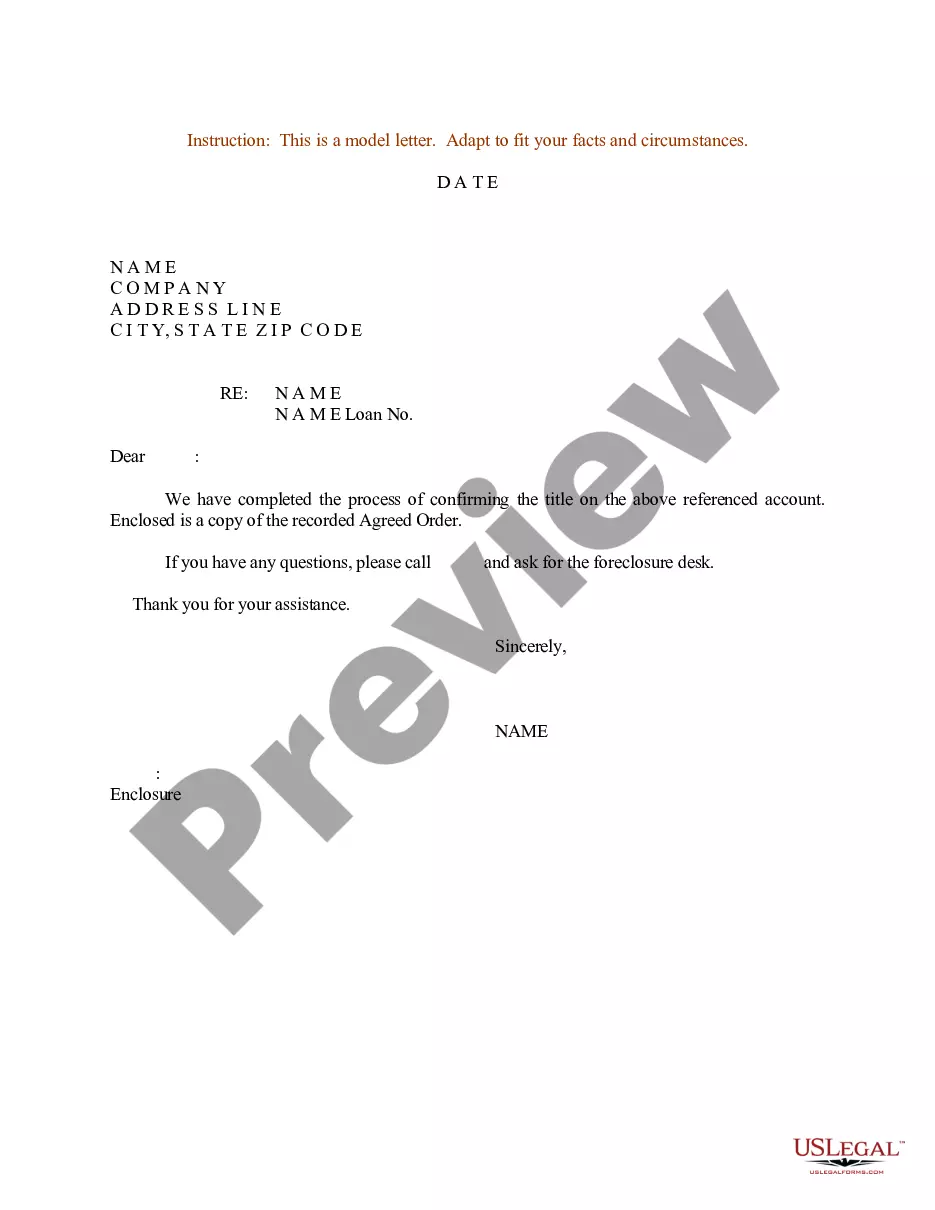
Description
Get your form ready online
Our built-in tools help you complete, sign, share, and store your documents in one place.
Make edits, fill in missing information, and update formatting in US Legal Forms—just like you would in MS Word.
Download a copy, print it, send it by email, or mail it via USPS—whatever works best for your next step.
Sign and collect signatures with our SignNow integration. Send to multiple recipients, set reminders, and more. Go Premium to unlock E-Sign.
If this form requires notarization, complete it online through a secure video call—no need to meet a notary in person or wait for an appointment.
We protect your documents and personal data by following strict security and privacy standards.

Make edits, fill in missing information, and update formatting in US Legal Forms—just like you would in MS Word.

Download a copy, print it, send it by email, or mail it via USPS—whatever works best for your next step.

Sign and collect signatures with our SignNow integration. Send to multiple recipients, set reminders, and more. Go Premium to unlock E-Sign.

If this form requires notarization, complete it online through a secure video call—no need to meet a notary in person or wait for an appointment.

We protect your documents and personal data by following strict security and privacy standards.
Looking for another form?








Form popularity
FAQ
Starting a business in Pennsylvania may require additional permits and licenses beyond basic business registration. While Pennsylvania does not issue a general business license at the state level, specific industries or professions may require state-level licenses.
The Fifth Amendment specifies that the government cannot seize private property for public use without providing fair compensation. Additionally, the Fourteenth Amendment states, “nor shall any State deprive any person of life, liberty, or property, without due process of law.”
Private property refers to things that belong to people or businesses, not the government. This can include land, buildings, things like cars or furniture, and ideas that people come up with.
Are there any states that do not tax business personal property? Twelve states currently do not tax business personal property. These states include Delaware, Hawaii, Illinois, Iowa, Minnesota, New Hampshire, New Jersey, New York, North Dakota, Ohio, Pennsylvania, and South Dakota.
Getting started in Pennsylvania as a cottage food producer requires registration of your business and a home inspection. Pennsylvania allows you to sell cottage foods in more places than most states, like restaurants and retail stores, under limited food establishments.
A change, during 2020, in Title 18, the state Crimes Code, gives landowners the option of using purple paint, rather than signs, to post their properties and alert others that lands are private and trespassing isn't permitted. This law is effective in all but Philadelphia and Allegheny counties.
A change, during 2020, in Title 18, the state Crimes Code, gives landowners the option of using purple paint, rather than signs, to post their properties and alert others that lands are private and trespassing isn't permitted. This law is effective in all but Philadelphia and Allegheny counties.
5. California: California Penal Code Section 602 PC includes over thirty different forms of trespassing, but all adhere to the same general elements of willfully entering or remaining on someone else's property. Landowners should have either “No Trespassing” signs posted, and/or enclose their land with a fence.
The four forms of privacy recognized in Pennsylvania are defined under Sections 625B through 652E of the Restatement (Second) of Torts. They are: intrusion upon seclusion, appropriation of name or likeness, publicity given to private life, and publicity placing a person in a false light.
To protect your private property from trespassers, fences, security cameras, and signs indicating no trespassing. Regularly maintain these measures for effective security.

