Corporation First Meeting For Love In Texas
Description
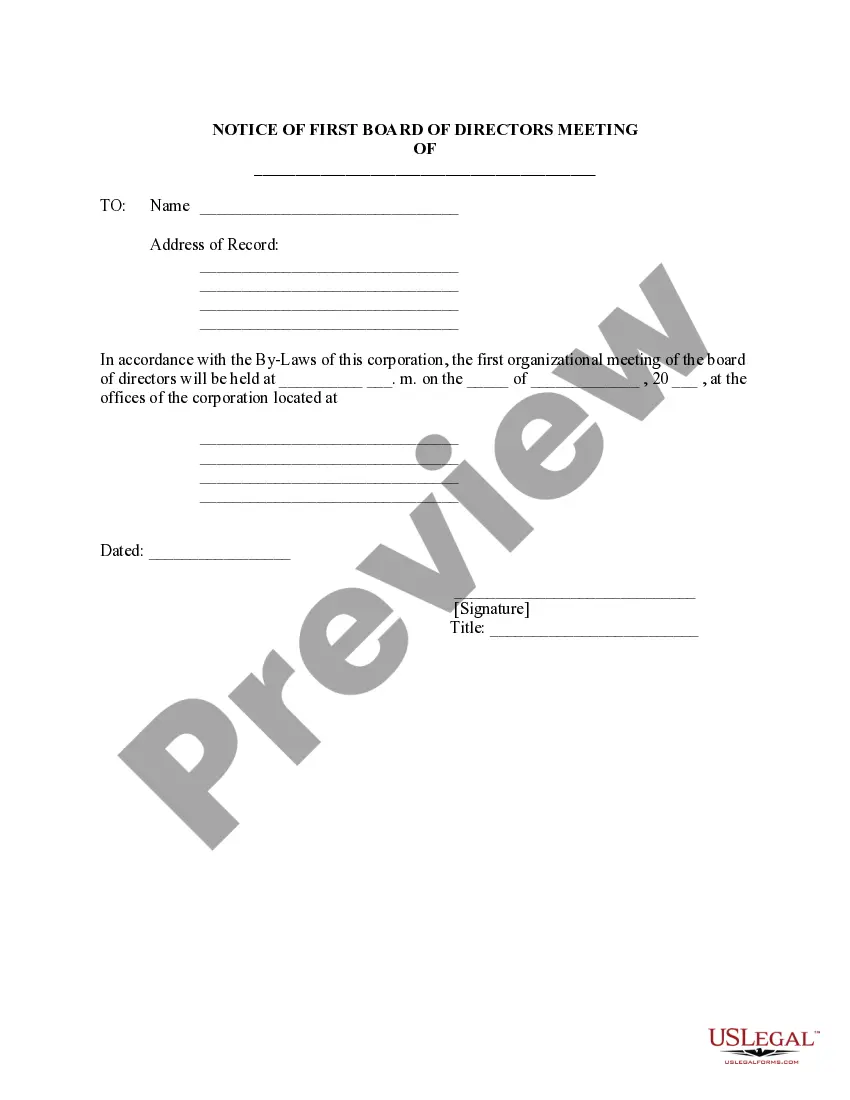


Get your form ready online
Our built-in tools help you complete, sign, share, and store your documents in one place.
Make edits, fill in missing information, and update formatting in US Legal Forms—just like you would in MS Word.
Download a copy, print it, send it by email, or mail it via USPS—whatever works best for your next step.
Sign and collect signatures with our SignNow integration. Send to multiple recipients, set reminders, and more. Go Premium to unlock E-Sign.
If this form requires notarization, complete it online through a secure video call—no need to meet a notary in person or wait for an appointment.
We protect your documents and personal data by following strict security and privacy standards.

Make edits, fill in missing information, and update formatting in US Legal Forms—just like you would in MS Word.

Download a copy, print it, send it by email, or mail it via USPS—whatever works best for your next step.

Sign and collect signatures with our SignNow integration. Send to multiple recipients, set reminders, and more. Go Premium to unlock E-Sign.

If this form requires notarization, complete it online through a secure video call—no need to meet a notary in person or wait for an appointment.

We protect your documents and personal data by following strict security and privacy standards.
Looking for another form?

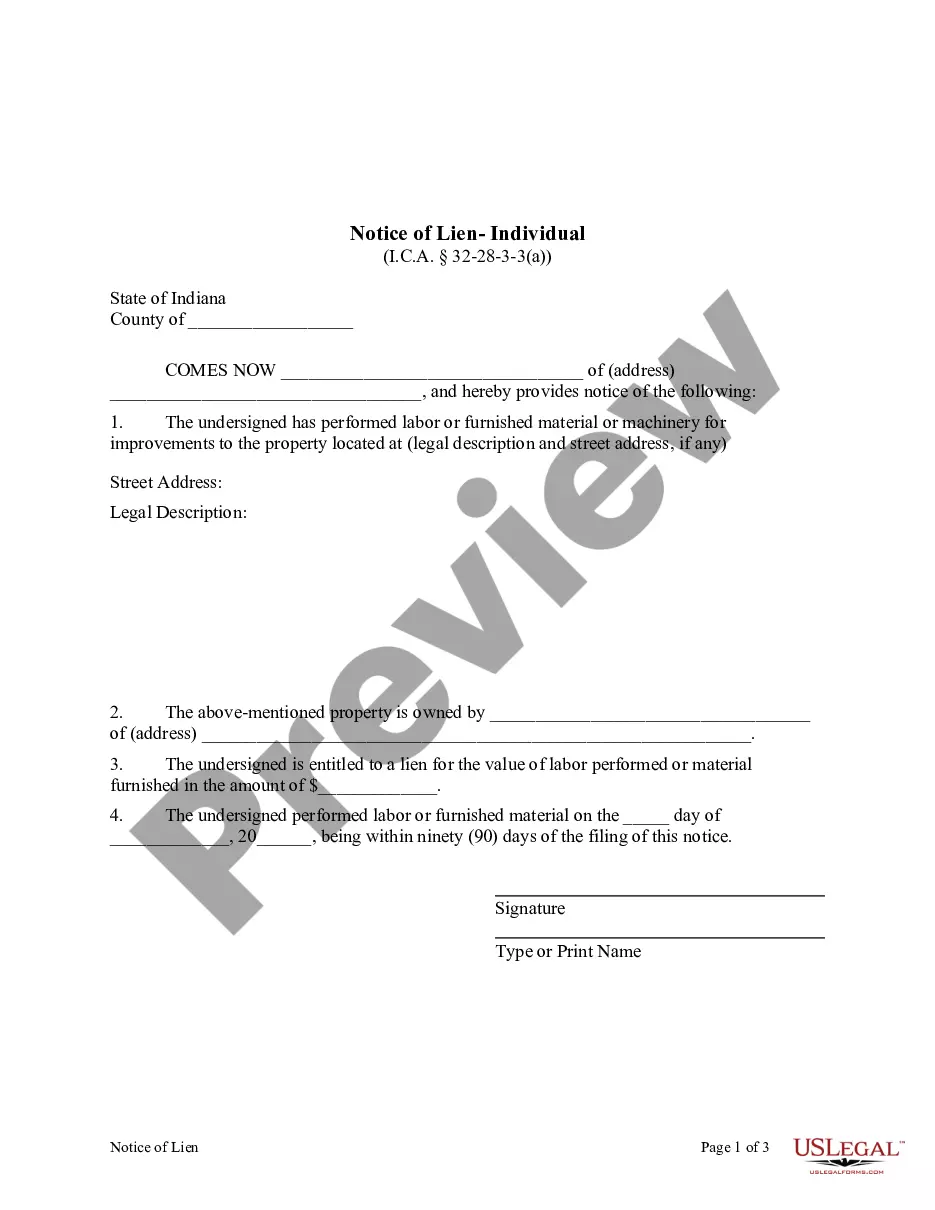
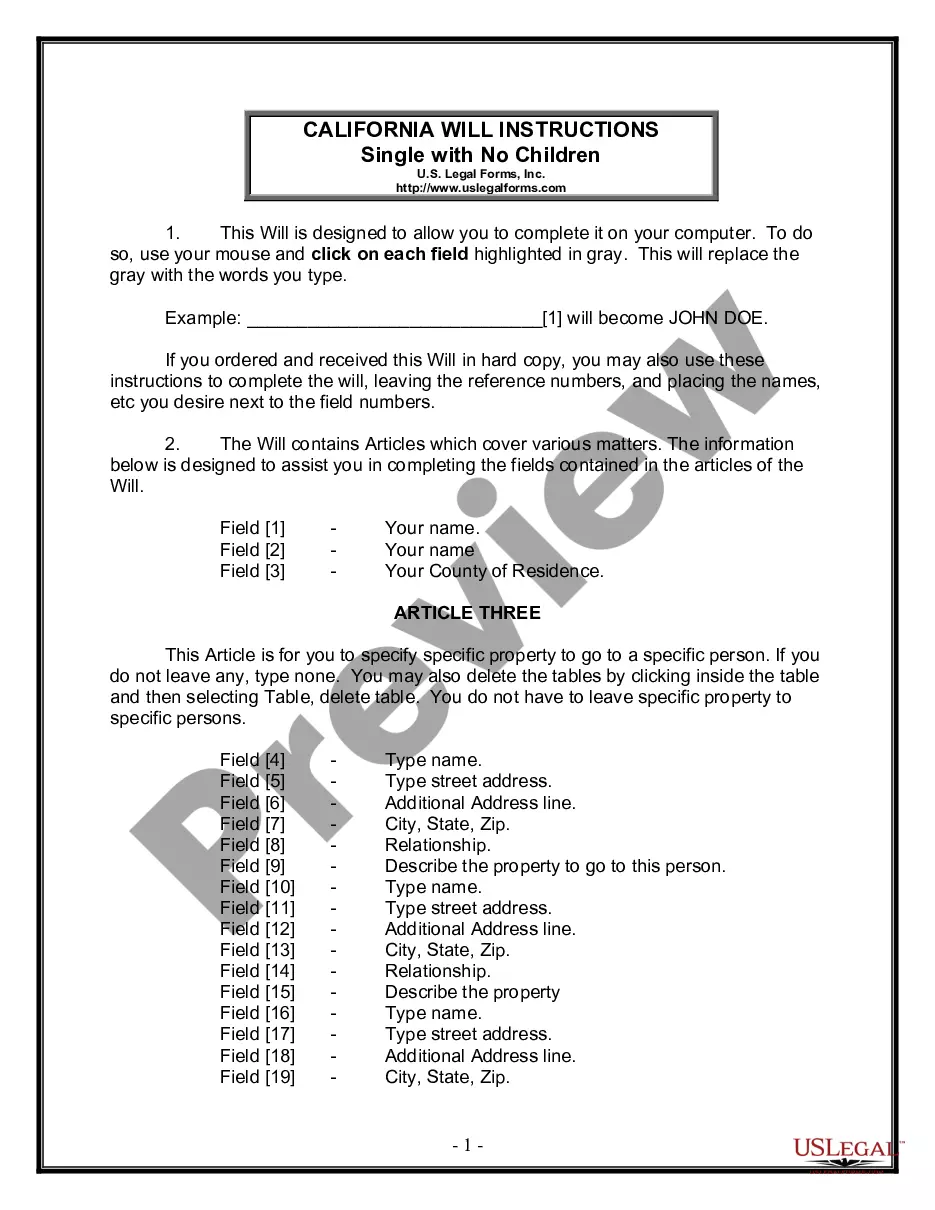

Form popularity
FAQ
There are seven steps you'll complete to start an S corp in Texas. Step 1: Check Name Availability. Step 2: Choose a Business Name. Step 3: Registered Agent. Step 4: Complete Form 201. Step 5: Bylaws and Regulations. Step 6: Obtain EIN. Step 7: File Form 2553.
Member and Manager Meetings in Limited Liability Companies Unlike corporations, neither Texas nor Delaware law require LLCs to hold annual meetings or maintain minutes of meetings if they are held – this holds true for members and managers (FYI, LLCs don't always have managers).
In summary, LLCs offer more flexibility in management and taxation, while corporations have a more standardized structure that may be better suited for businesses seeking outside investment.
What are the Steps to Starting an LLC in Texas? Step 1: Name Your Texas LLC. Step 2: Designate a Registered Agent. Step 3: File Articles of Organization (or similar document) ... Step 4: Receive a Certificate From the State. Step 5: Create an Operating Agreement. Step 6: Get an Employer Identification Number.
Unlike most states, Texas does not require LLCs to file annual reports. Despite this, LLCs in the state of Texas are required to file annual franchise tax reports.
Having an annual meeting and keeping a record of what was discussed helps validate that business owners are treating the limited liability company as a separate legal entity. That measure reinforces the corporate veil that protects LLC members' personal assets from the company's legal and financial liabilities.
Steps to forming a corporation Select a state of incorporation. Choose a business name. File incorporation paperwork. Appoint a registered agent. Prepare corporate bylaws. Draft a shareholders' agreement. Hold the first board meeting. Get an EIN.
Contents Choose a business name. Register a DBA. Appoint directors. File your articles of incorporation. Write your corporate bylaws. Draft a shareholder agreement. Hold initial board of directors meeting. Issue stock.
Pass-Through Taxation: Unlike corporations, where the entity is taxed at the corporate level, an LLC's profits and losses “pass through” to the members. This means the LLC's income is reported on the members' individual tax returns. This approach can help avoid the issue of double taxation that corporations often face.

