Stockholders Corporate Resolutions For Bank Accounts In Middlesex
Description
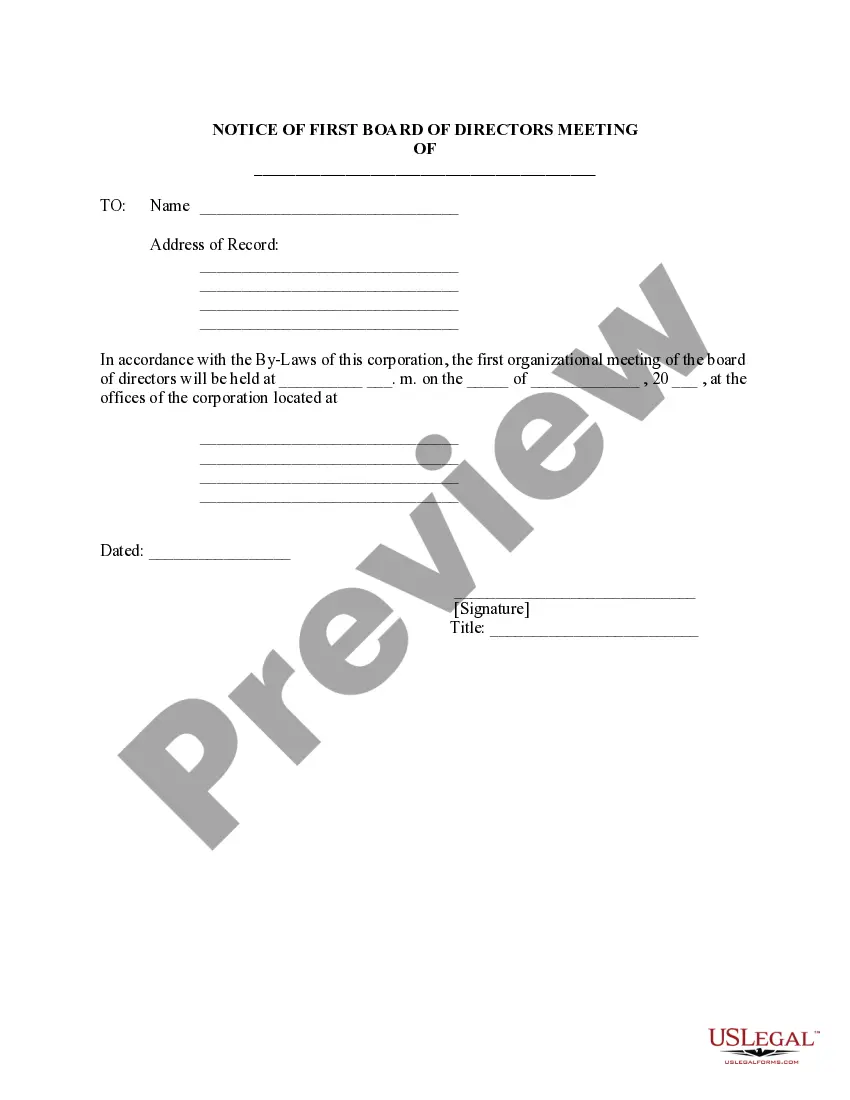


Get your form ready online
Our built-in tools help you complete, sign, share, and store your documents in one place.
Make edits, fill in missing information, and update formatting in US Legal Forms—just like you would in MS Word.
Download a copy, print it, send it by email, or mail it via USPS—whatever works best for your next step.
Sign and collect signatures with our SignNow integration. Send to multiple recipients, set reminders, and more. Go Premium to unlock E-Sign.
If this form requires notarization, complete it online through a secure video call—no need to meet a notary in person or wait for an appointment.
We protect your documents and personal data by following strict security and privacy standards.

Make edits, fill in missing information, and update formatting in US Legal Forms—just like you would in MS Word.

Download a copy, print it, send it by email, or mail it via USPS—whatever works best for your next step.

Sign and collect signatures with our SignNow integration. Send to multiple recipients, set reminders, and more. Go Premium to unlock E-Sign.

If this form requires notarization, complete it online through a secure video call—no need to meet a notary in person or wait for an appointment.

We protect your documents and personal data by following strict security and privacy standards.
Looking for another form?










Form popularity
FAQ
Banking resolutions are generally part of the process for opening a bank account for your company. Check with your bank to see what their requirements are. To authenticate it as a stand-alone document, the banking resolution is signed by the corporate secretary and stamped with the corporation's corporate seal.
Resolution is a way to manage the failure of a bank, building society, or central counterparty. We use it to minimise the impact on depositors, the financial system and public finances.
Board members of a corporation usually draft a banking resolution at their first board meeting. A Limited liability company (LLC) should also have a banking resolution. This simplifies the process of opening a bank account. Banks often require banking resolutions from companies.
A corporate resolution to open a business bank account is a document that clearly shows the bank who has the authority to start an account on behalf of your corporation. If this information isn't specifically covered in your Articles of Incorporation or bylaws, your bank may require a resolution.
A corporate resolution to open a business bank account is a document that clearly shows the bank who has the authority to start an account on behalf of your corporation. If this information isn't specifically covered in your Articles of Incorporation or bylaws, your bank may require a resolution.
“RESOLVED THAT a Current Account in the name of the Company be opened with ____________ Bank, _____________ , for the operations of the activities of the Company and the said Bank be and is hereby authorized to honour all cheques, drafts, bills of exchange, promissory notes and other negotiable instrument, signed drawn ...
Shareholders holding at least $2,000 worth of stock in a publicly-traded company for at least three years prior to the filing deadline can introduce a resolution to company management to be voted on at the next annual meeting.
There are two main types of shareholders' resolution: 'ordinary' and 'special'. An ordinary resolution is passed by a simple majority of members, while a special resolution requires not less than 75% of the total voting rights of eligible members.
You do not always need to have a meeting to pass a resolution. If enough shareholders or directors have told you they agree, you can usually confirm the resolution in writing. You must write to all shareholders letting them know about the outcome of a resolution.
Examples: Shareholder resolutions can cover a broad spectrum of topics, such as appointing independent auditors, approving major transactions, amending the company's articles of association, or advocating for environmental and social responsibility initiatives.

