Stockholders Corporate Resolutions For Bank Accounts In Hillsborough
Description
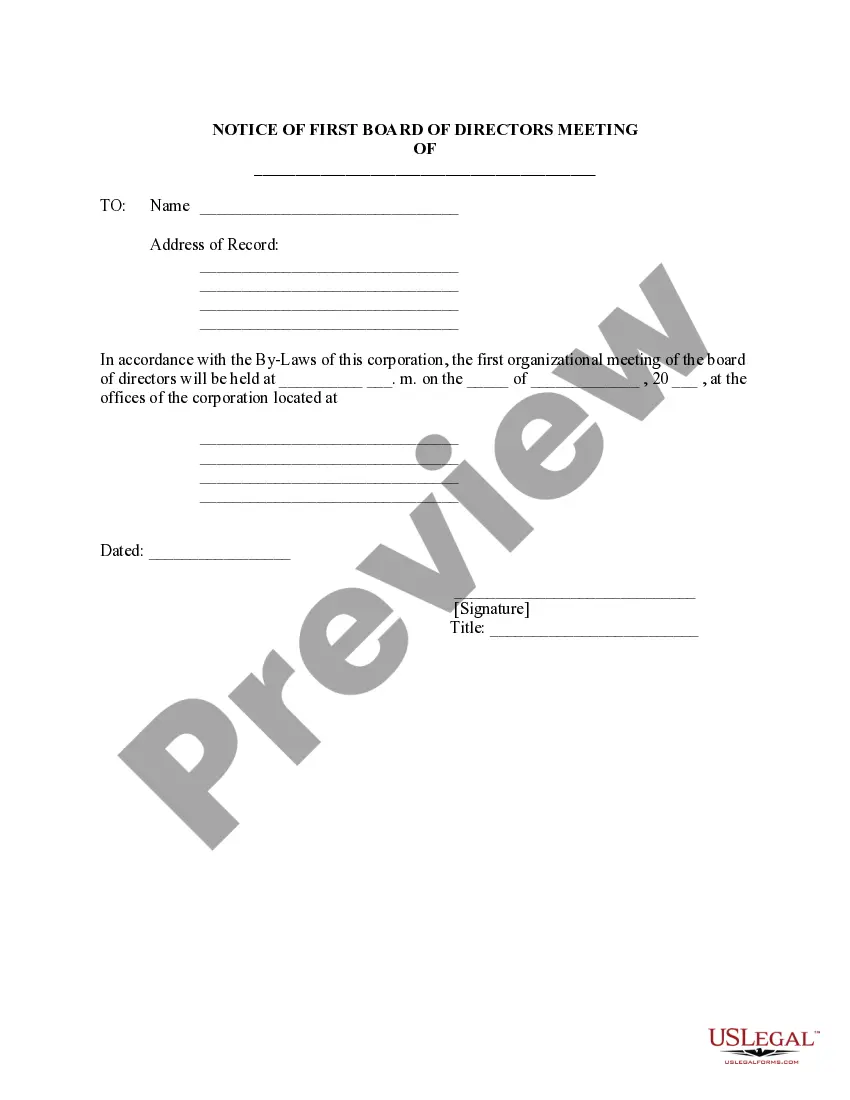


Get your form ready online
Our built-in tools help you complete, sign, share, and store your documents in one place.
Make edits, fill in missing information, and update formatting in US Legal Forms—just like you would in MS Word.
Download a copy, print it, send it by email, or mail it via USPS—whatever works best for your next step.
Sign and collect signatures with our SignNow integration. Send to multiple recipients, set reminders, and more. Go Premium to unlock E-Sign.
If this form requires notarization, complete it online through a secure video call—no need to meet a notary in person or wait for an appointment.
We protect your documents and personal data by following strict security and privacy standards.

Make edits, fill in missing information, and update formatting in US Legal Forms—just like you would in MS Word.

Download a copy, print it, send it by email, or mail it via USPS—whatever works best for your next step.

Sign and collect signatures with our SignNow integration. Send to multiple recipients, set reminders, and more. Go Premium to unlock E-Sign.

If this form requires notarization, complete it online through a secure video call—no need to meet a notary in person or wait for an appointment.

We protect your documents and personal data by following strict security and privacy standards.
Looking for another form?
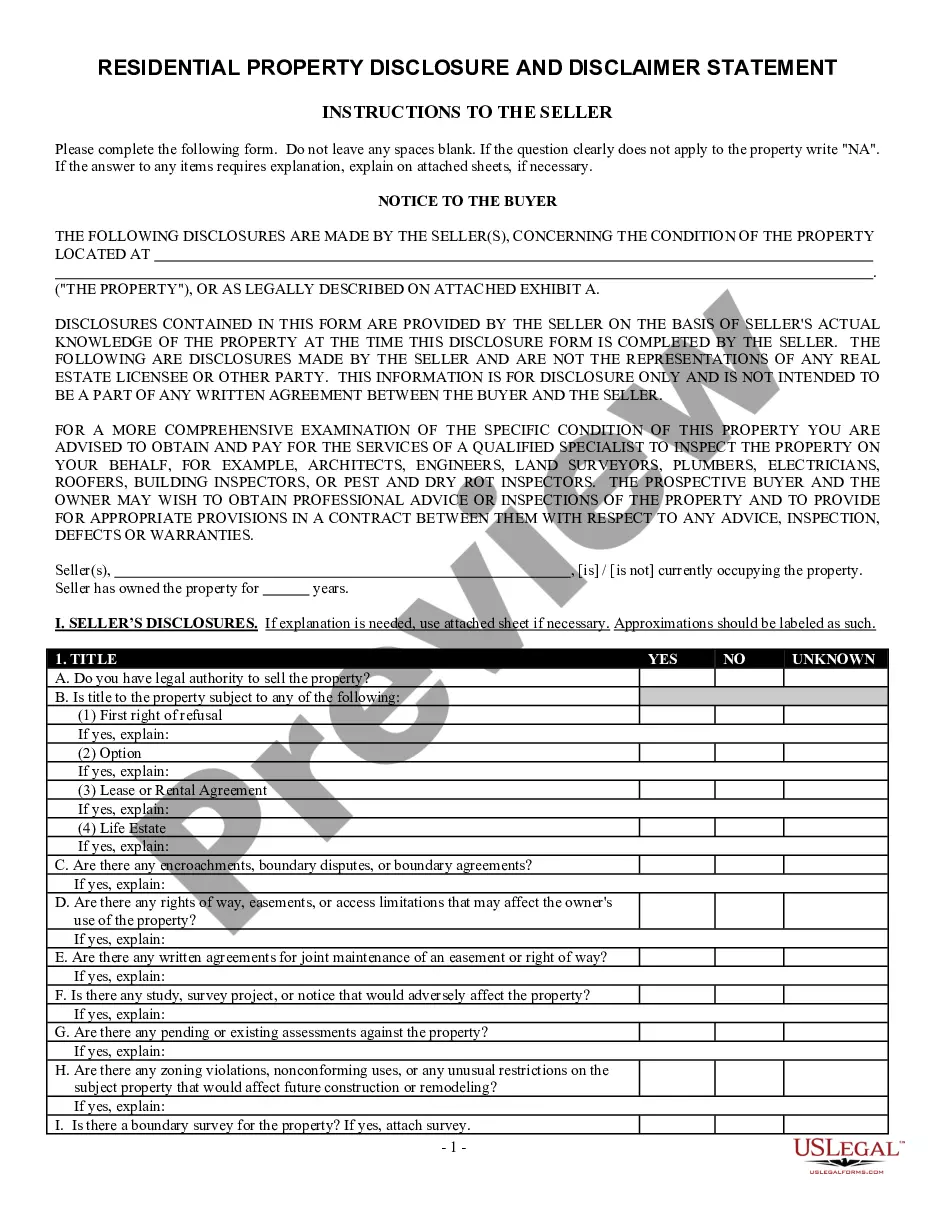






Form popularity
FAQ
A corporate resolution is considered a binding document, so it's stored in the corporate records book after the board members sign it.
During the first meeting of the members (LLC) or Board of Directors (Corporation), it is common for a business to establish a board resolution to open a bank account. An LLC banking resolution is often one of the most necessary, as a business cannot generally create a bank account without one.
Banking resolutions are generally part of the process for opening a bank account for your company. Check with your bank to see what their requirements are. To authenticate it as a stand-alone document, the banking resolution is signed by the corporate secretary and stamped with the corporation's corporate seal.
A Limited liability company (LLC) should also have a banking resolution. This simplifies the process of opening a bank account. Banks often require banking resolutions from companies. They serve as proof that the person opening a business bank account is authorized to do so.
The failing bank will then be relaunched, either independently or as part of another bank. This ensures that customers retain access to their payment services and savings. Resolution should also prevent bringing down other financial institutions as a result of a bank's bankruptcy.
A bank resolution occurs when authorities determine that a failing bank cannot go through normal insolvency proceedings without harming public interest and causing financial instability. To manage the bank's failure in an orderly manner, authorities use resolution tools that.
Banking resolutions are generally part of the process for opening a bank account for your company. Check with your bank to see what their requirements are. To authenticate it as a stand-alone document, the banking resolution is signed by the corporate secretary and stamped with the corporation's corporate seal.
A resolution plan is a comprehensive document, which details the characteristics of an institution and describes the preferred resolution strategy for that institution, including which resolution tools to apply. It concludes with a resolvability assessment of the institution.
A corporate resolution to open a business bank account is a document that clearly shows the bank who has the authority to start an account on behalf of your corporation. If this information isn't specifically covered in your Articles of Incorporation or bylaws, your bank may require a resolution.
You do not always need to have a meeting to pass a resolution. If enough shareholders or directors have told you they agree, you can usually confirm the resolution in writing. You must write to all shareholders letting them know about the outcome of a resolution.

