Letter To Court Template With Immigration In Wayne
Description



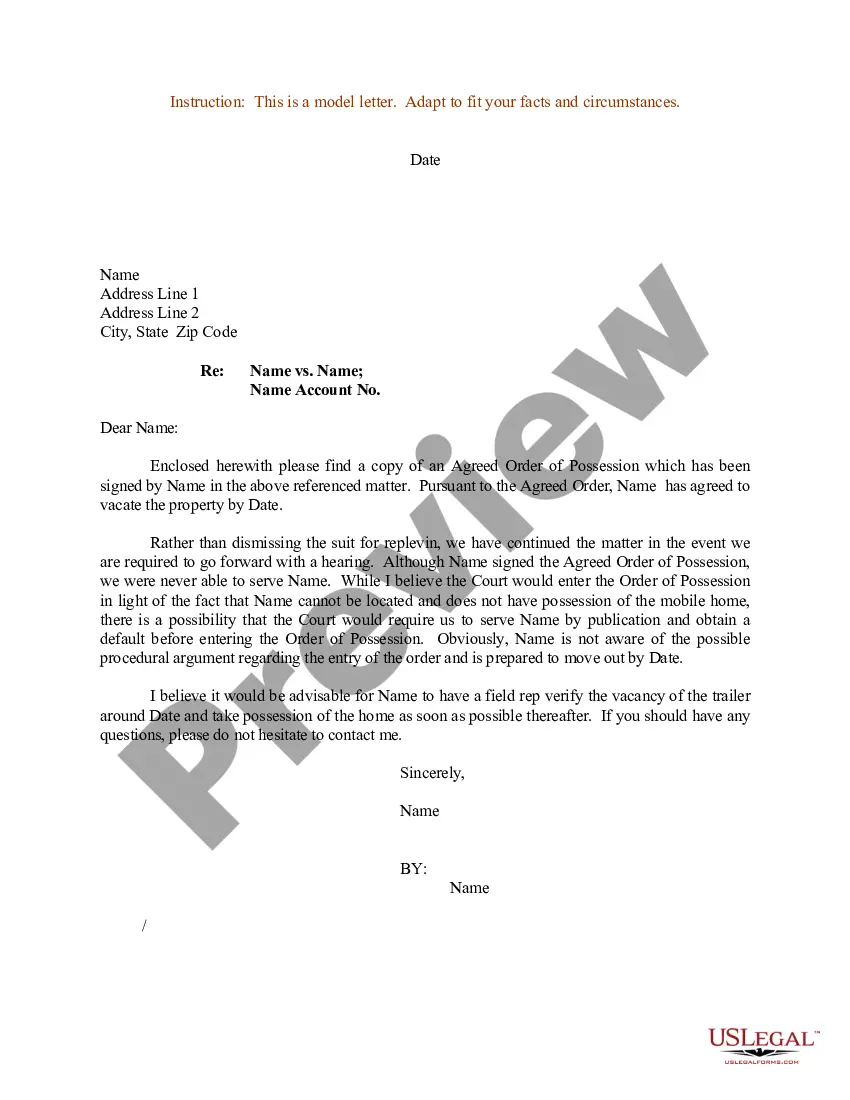
Get your form ready online
Our built-in tools help you complete, sign, share, and store your documents in one place.
Make edits, fill in missing information, and update formatting in US Legal Forms—just like you would in MS Word.
Download a copy, print it, send it by email, or mail it via USPS—whatever works best for your next step.
Sign and collect signatures with our SignNow integration. Send to multiple recipients, set reminders, and more. Go Premium to unlock E-Sign.
If this form requires notarization, complete it online through a secure video call—no need to meet a notary in person or wait for an appointment.
We protect your documents and personal data by following strict security and privacy standards.

Make edits, fill in missing information, and update formatting in US Legal Forms—just like you would in MS Word.

Download a copy, print it, send it by email, or mail it via USPS—whatever works best for your next step.

Sign and collect signatures with our SignNow integration. Send to multiple recipients, set reminders, and more. Go Premium to unlock E-Sign.

If this form requires notarization, complete it online through a secure video call—no need to meet a notary in person or wait for an appointment.

We protect your documents and personal data by following strict security and privacy standards.
Looking for another form?







Form popularity
FAQ
Address the letter to the "Honorable Immigration Judge." Introduce yourself, mentioning your relationship with the person who seeks a bond and how long you have known him or her. Describe the person's traits, common interests, noteworthy accomplishments, and other reasons they are not a threat to others.
State concisely and clearly the reasons why you are submitting the petition. Describe the circumstances that have led to the need for the petition, why the immigrant is deserving of the requested relief, and how the petitioner can contribute positively to society, if granted.
Writing a Powerful Immigration Recommendation Letter: 7 Key Steps to Success Understand the Purpose of the Letter. Clarify Your Relationship with the Applicant. Highlight the Applicant's Skills and Contributions. Focus on Character and Integrity. Discuss the Applicant's Impact on the Community. Be Honest and Balanced.
Do Assist the applicant to shape their declaration. Organize the declaration chronologically and/or thematically. Include dates whenever possible. Include detailed information about the applicant's “coming out” experience. Include detailed accounts of specific examples of mistreatment that the applicant suffered.
An effective immigration letter should be clear, authentic, and professional. It must include a relationship declaration between the writer and the applicant, details supporting the applicant's character and intentions, and any relevant personal stories or testimonials.
Follow the order of this format, leaving a space in between each section: Your Information (first thing that goes on the inside of the letter) Name. The Date. The Judge's Information. Honorable Judge First Name Last Name. What the Letter Is Going to Address. Salutation. Body. Signature.
By sharing personal stories, examples of their kindness, hard work, or involvement in the community, you can help the immigration authorities see the person behind the application. Don't underestimate the impact of your letter.
Writing a Letter of Good Faith for the Immigration Process Identify yourself and explain your relationship to the couple. Include anecdotes that demonstrate the authenticity of the marriage. Sign and date the affidavit. If possible, use a notary to validate your signature.
Do Assist the applicant to shape their declaration. Organize the declaration chronologically and/or thematically. Include dates whenever possible. Include detailed information about the applicant's “coming out” experience. Include detailed accounts of specific examples of mistreatment that the applicant suffered.
Start with a clear statement of purpose and specific examples that demonstrate your regret and willingness to comply with regulations. Acknowledge any mistakes and outline the steps you've taken to correct them. End with a confident statement demonstrating that you're committed to regaining your eligibility.

