Court Letter Templates With Borders In Washington
Description



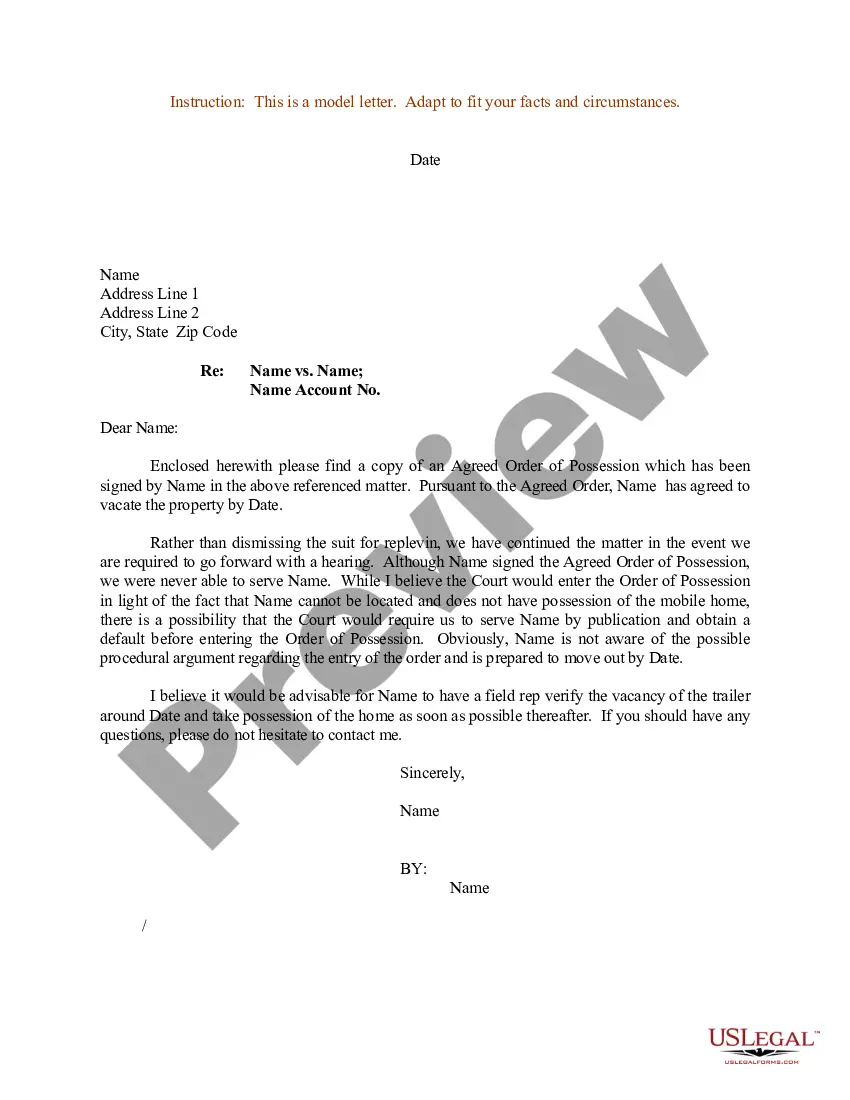
Get your form ready online
Our built-in tools help you complete, sign, share, and store your documents in one place.
Make edits, fill in missing information, and update formatting in US Legal Forms—just like you would in MS Word.
Download a copy, print it, send it by email, or mail it via USPS—whatever works best for your next step.
Sign and collect signatures with our SignNow integration. Send to multiple recipients, set reminders, and more. Go Premium to unlock E-Sign.
If this form requires notarization, complete it online through a secure video call—no need to meet a notary in person or wait for an appointment.
We protect your documents and personal data by following strict security and privacy standards.

Make edits, fill in missing information, and update formatting in US Legal Forms—just like you would in MS Word.

Download a copy, print it, send it by email, or mail it via USPS—whatever works best for your next step.

Sign and collect signatures with our SignNow integration. Send to multiple recipients, set reminders, and more. Go Premium to unlock E-Sign.

If this form requires notarization, complete it online through a secure video call—no need to meet a notary in person or wait for an appointment.

We protect your documents and personal data by following strict security and privacy standards.
Looking for another form?




Form popularity
FAQ
III. Tips for Writing a Winning Declaration. Don't Use the Subjoined Fill-In-The-Blank Declaration Forms. Be Thorough. Tell a Story. Show Rather Than Tell. Declarations Should Contain Firsthand Knowledge, Not Secondhand. Submit 3rd Party Supporting Declarations. Be Concise. Gather Lots of Supporting Documents.
Frequently Asked Questions (FAQ) You must use letter-sized (8½ x 11 inches) white paper. You must write or type on only one side of the page. All handwriting must be printed, readable, and in black or dark blue ink. The 1st page must have a margin of at least 3 inches from the top and 1 inch from the other 3 sides.
Important points to include in a legal document. Party details. List the names, numbers, addresses (email or physical), and any other relevant information of all parties involved. Background information. Motion. Roles and responsibilities. Breaches or contingencies. Dates and signatures.
(a) Format Requirements. All pleadings, motions, and other papers filed with the court shall be legibly written or printed. The use of letter-size paper (8-1/2 by 11 inches) is mandatory. The writing or printing shall appear on only one side of the page.
You'll want to start with a standard page size (8.5 x 11 inches) with 1-inch margins. Keep the font simple, such as Times New Roman, and avoid the use of color. Remember to break up text with headers and paragraphs for readability.
Formatting Guidelines Format your text, single spaced, justified, in Word Format and in Times New Roman font. Use hyphens for compound words, dashes to mark a range of page numbers, and long dashes when you prefer them to using commas. Insert page numbers bottom right. Your Title should be in 14pt BOLD font.
7 Keys to drafting a strong statement of the case Accuracy. Accuracy is the cornerstone of a good statement of facts. Clarity. A good statement of facts and procedural history should be clear and easy to read. Chronological order. Relevant facts. Organization. Objectivity. Relevant citations.
You'll want to start with a standard page size (8.5 x 11 inches) with 1-inch margins. Keep the font simple, such as Times New Roman, and avoid the use of color. Remember to break up text with headers and paragraphs for readability.

