Court Letter Template With Reference In Washington
Description



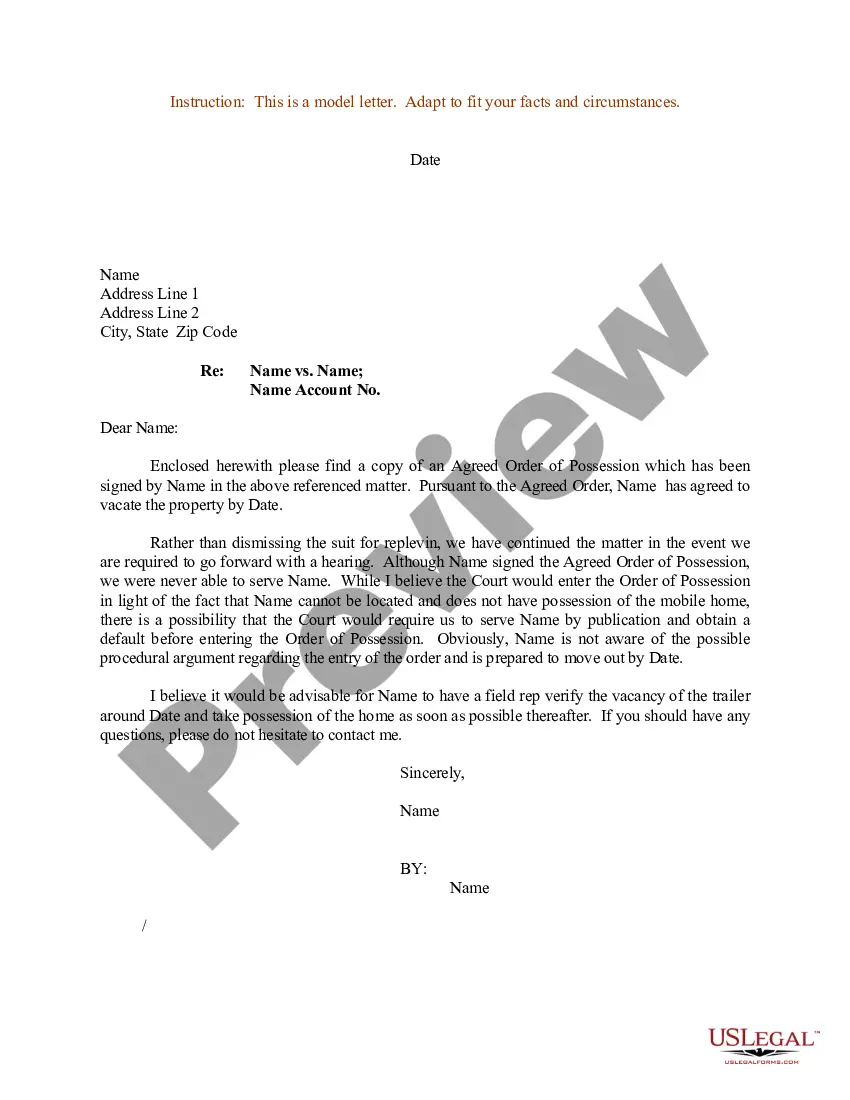
Get your form ready online
Our built-in tools help you complete, sign, share, and store your documents in one place.
Make edits, fill in missing information, and update formatting in US Legal Forms—just like you would in MS Word.
Download a copy, print it, send it by email, or mail it via USPS—whatever works best for your next step.
Sign and collect signatures with our SignNow integration. Send to multiple recipients, set reminders, and more. Go Premium to unlock E-Sign.
If this form requires notarization, complete it online through a secure video call—no need to meet a notary in person or wait for an appointment.
We protect your documents and personal data by following strict security and privacy standards.

Make edits, fill in missing information, and update formatting in US Legal Forms—just like you would in MS Word.

Download a copy, print it, send it by email, or mail it via USPS—whatever works best for your next step.

Sign and collect signatures with our SignNow integration. Send to multiple recipients, set reminders, and more. Go Premium to unlock E-Sign.

If this form requires notarization, complete it online through a secure video call—no need to meet a notary in person or wait for an appointment.

We protect your documents and personal data by following strict security and privacy standards.
Looking for another form?


Form popularity
FAQ
(a) Format Requirements. All pleadings, motions, and other papers filed with the court shall be legibly written or printed. The use of letter-size paper (8-1/2 by 11 inches) is mandatory. The writing or printing shall appear on only one side of the page.
III. Tips for Writing a Winning Declaration. Don't Use the Subjoined Fill-In-The-Blank Declaration Forms. Be Thorough. Tell a Story. Show Rather Than Tell. Declarations Should Contain Firsthand Knowledge, Not Secondhand. Submit 3rd Party Supporting Declarations. Be Concise. Gather Lots of Supporting Documents.
Frequently Asked Questions (FAQ) You must use letter-sized (8½ x 11 inches) white paper. You must write or type on only one side of the page. All handwriting must be printed, readable, and in black or dark blue ink. The 1st page must have a margin of at least 3 inches from the top and 1 inch from the other 3 sides.
In other words, it is a legal document that confirms that all the information a person provided is authentic and accurate. Unlike an affidavit, you can fill a self-declaration form without any witnesses and the form does not have to be notarized.
Determine What is “Relevant” to Your Case First, determine what is most important to you. Second, organize your declaration. Third, proofread & condense. Know what your audience is focused on. Tell the truth. Anticipate opposing party's response. Advocate for yourself. Use proof to validate your case.
Determine What is “Relevant” to Your Case First, determine what is most important to you. Second, organize your declaration. Third, proofread & condense. Know what your audience is focused on. Tell the truth. Anticipate opposing party's response. Advocate for yourself. Use proof to validate your case.
How to structure a character reference: Introduce yourself, state what your occupation is and any qualifications you hold. In what capacity do you know them the defendant? Tell the court that you're aware of the proceedings. Give some background surrounding your relationship with the defendant.
In the first paragraph, state how you know the person and attest to their character. Second paragraph show how loving and caring they are with their child. Third paragraph show how bonded the child is to the parents and give examples.
Stay Objective: Focus on the parent's qualities and behaviors rather than personal opinions about the custody situation. Keep It Professional: Maintain a respectful and formal tone throughout the letter. Length: Aim for one page; be concise but thorough in your observations.
If the judge's name is "John Smith," then in references to him that would be read by others (e.g., the mailing address on a letter) you would refer to him "The Honorable John Smith" (or some might just use "Hon."). In directly communicating with him in writing, I would start with "Dear Judge Smith."

