Court Letter Sample With Reason In Washington
Description



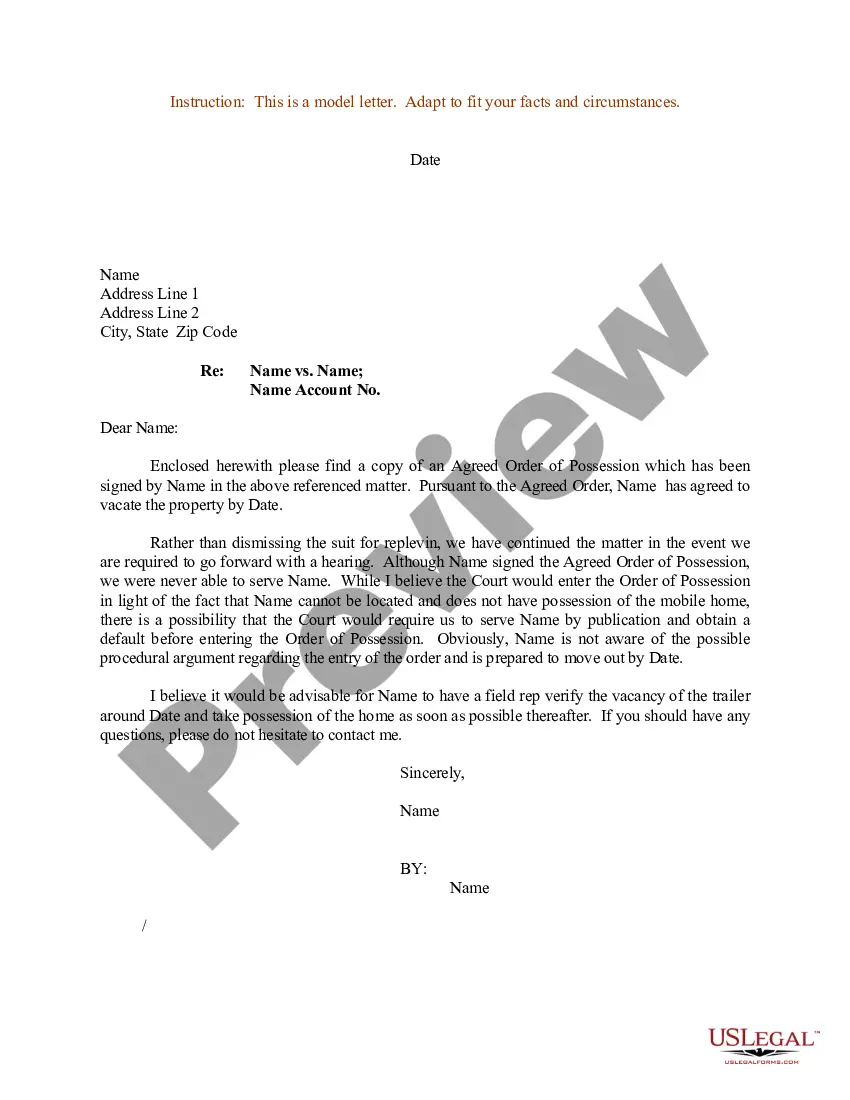
Get your form ready online
Our built-in tools help you complete, sign, share, and store your documents in one place.
Make edits, fill in missing information, and update formatting in US Legal Forms—just like you would in MS Word.
Download a copy, print it, send it by email, or mail it via USPS—whatever works best for your next step.
Sign and collect signatures with our SignNow integration. Send to multiple recipients, set reminders, and more. Go Premium to unlock E-Sign.
If this form requires notarization, complete it online through a secure video call—no need to meet a notary in person or wait for an appointment.
We protect your documents and personal data by following strict security and privacy standards.

Make edits, fill in missing information, and update formatting in US Legal Forms—just like you would in MS Word.

Download a copy, print it, send it by email, or mail it via USPS—whatever works best for your next step.

Sign and collect signatures with our SignNow integration. Send to multiple recipients, set reminders, and more. Go Premium to unlock E-Sign.

If this form requires notarization, complete it online through a secure video call—no need to meet a notary in person or wait for an appointment.

We protect your documents and personal data by following strict security and privacy standards.
Looking for another form?










Form popularity
FAQ
Summons and Complaint – Two separate documents that go together to start a civil lawsuit.
Contact your local district court; contact information may be located in your local phone book or at urts.wa. First you will prepare a Notice of Small Claim form that is provided by the clerk. You are required to sign the Notice in the presence of the clerk, unless otherwise instructed by the court.
You must respond to this summons and petition by serving a copy of your written response on the person signing this summons and by filing the original with the clerk of the court.
A civil lawsuit is initiated by filing a court document, or “pleading,” called a Complaint. The person filing a Complaint is known as the Plaintiff, and the opposing party is the Defendant.
Summons and Complaint – Two separate documents that go together to start a civil lawsuit.
The first document filed in a lawsuit is usually a pleading called a complaint or a petition. It's essential in various types of cases. The complaint is a detailed document laying the groundwork for a civil action.
Many Washington State courts have a public access terminal in the courthouse where you can view JIS public record case information such as an index of filed cases and a list of documents filed in each case. Contact your local court to see if they have a public access terminal.
(a) Format Requirements. All pleadings, motions, and other papers filed with the court shall be legibly written or printed. The use of letter-size paper (8-1/2 by 11 inches) is mandatory. The writing or printing shall appear on only one side of the page.
Basically, you need to explain the reason you are filing, what you would like to see happen (the relief you are requesting) and provide specific examples of what occurred that makes you think the judge should give you what you are asking for.
In some circumstances, you file a petition or a motion. The court has several complaint forms that you may use in drafting your complaint. The forms are available online and at the Pro Se Intake Unit. You may also write your own complaint without using a court form.

