Sample Letter For Court Hearing In Virginia
Description



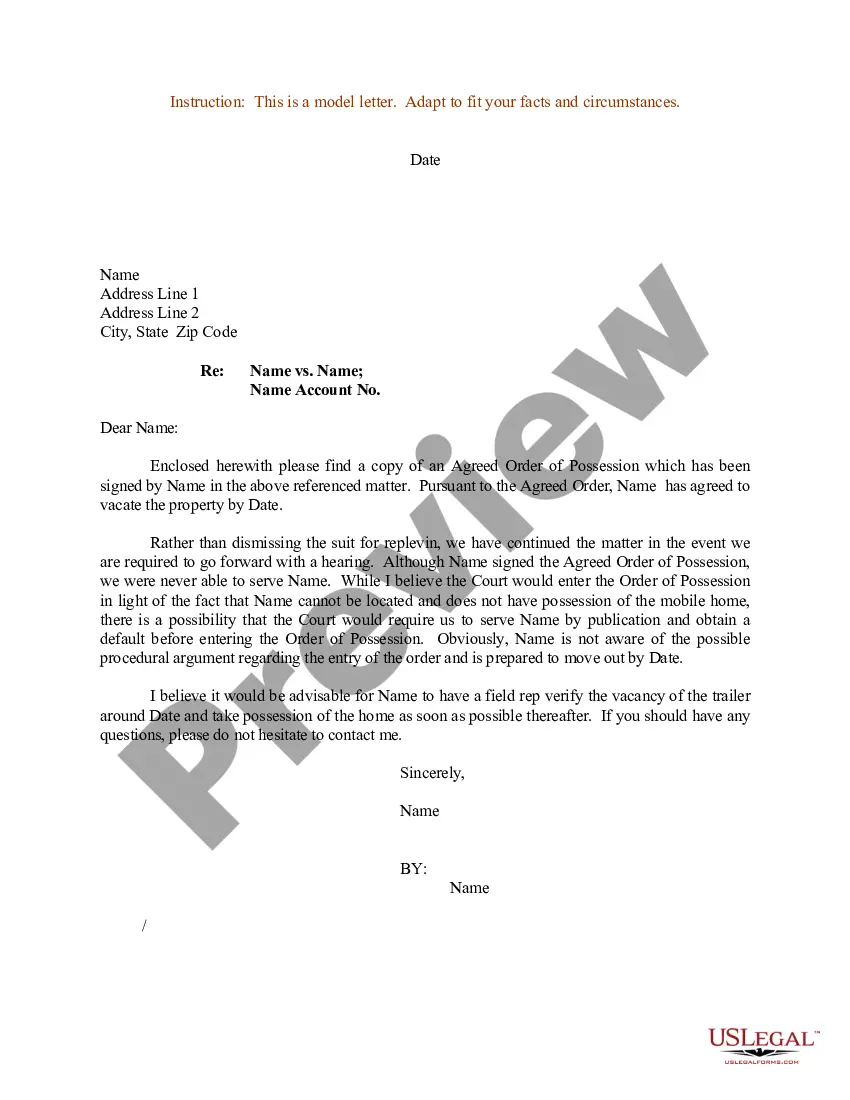
Get your form ready online
Our built-in tools help you complete, sign, share, and store your documents in one place.
Make edits, fill in missing information, and update formatting in US Legal Forms—just like you would in MS Word.
Download a copy, print it, send it by email, or mail it via USPS—whatever works best for your next step.
Sign and collect signatures with our SignNow integration. Send to multiple recipients, set reminders, and more. Go Premium to unlock E-Sign.
If this form requires notarization, complete it online through a secure video call—no need to meet a notary in person or wait for an appointment.
We protect your documents and personal data by following strict security and privacy standards.

Make edits, fill in missing information, and update formatting in US Legal Forms—just like you would in MS Word.

Download a copy, print it, send it by email, or mail it via USPS—whatever works best for your next step.

Sign and collect signatures with our SignNow integration. Send to multiple recipients, set reminders, and more. Go Premium to unlock E-Sign.

If this form requires notarization, complete it online through a secure video call—no need to meet a notary in person or wait for an appointment.

We protect your documents and personal data by following strict security and privacy standards.
Looking for another form?


Form popularity
FAQ
A request for a continuance must be made in person on your court date before the judge. If you are unable to appear on the court date, you may file a request for a continuance, in writing, no less than two business days prior to the court date.
A person convicted of a misdemeanor in district court may appeal the conviction to the circuit court within ten calendar days of the conviction date. Va. Code § 16.1-132. The ten-day period begins to run on the day following the conviction.
You must file your appeal notice with the office of the court where your case is being handled. If your decision was made by a circuit judge in a county court (other than a final decision in a multi-track claim), your appeal will be dealt with by a High Court judge.
The Virginia Court of Appeals process begins with the filing of a petition for appeal from the Circuit Court judgment. If the petition is denied, the appellant has the option to seek a reconsideration by what's called a “writ panel.” This is a panel of the court that can determine whether or not to grant the petition.
Writing Your Letter Search for a form letter. Some courts print off forms that you can use to request a hearing. Open a word processing document. Insert a salutation. Add a heading. Begin the letter with your request. Explain why you need the hearing. Provide a contact number. Sign the letter.
A former DA explains the 5 most common grands to appeal a criminal conviction. These include erroneous admission of evidence, prosecutorial misconduct, jury misconduct, ineffective assistance of counsel and insufficient evidence.
Elements: full mailing address of the sender. date on which letter is written. address of person to whom letter is addressed. subject line. salutation. body (the main message) complimentary closing. signature line (be sure to sign your letter)
Introduce yourself in the opening paragraph. Outline your relationship with the person who is the subject of the legal proceedings. Acknowledge the charges that have been brought against the person. State your opinion of the person's general character.
If sufficiently well-written, even one letter could make an impression on a judge. If more than one, or many more than one, this will always make a favorable impression. It is not a guarantee of more favorable treatment at sentencing, but it sure won't hurt.
Tips for an Effective Character Letter To a Judge in California Understand the Purpose of a Character Letter. Use Specific Anecdotes Over General Praise. Address the Impact on the Defendant's Support Network. Maintain Respect For the Court. Respect the Judge's Time. Align Your Expectations with Reality.
