Court Letter Template With Lines In Travis
Description



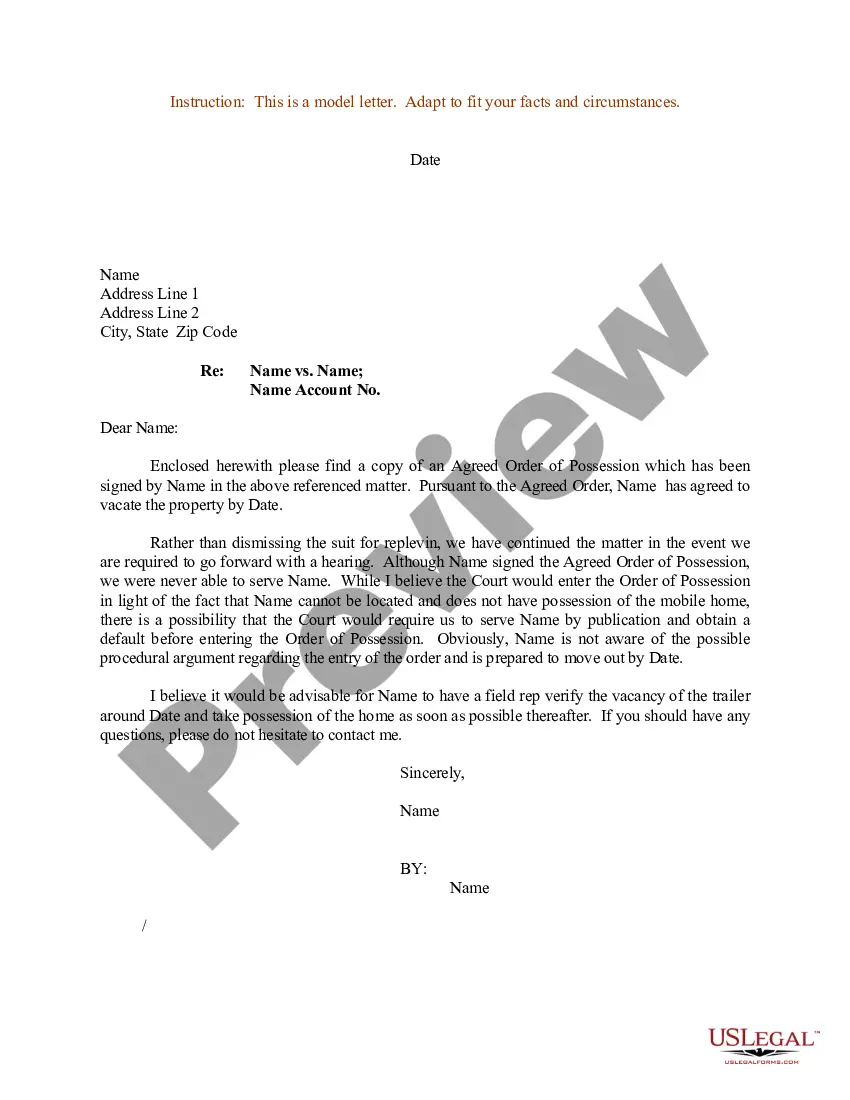
Get your form ready online
Our built-in tools help you complete, sign, share, and store your documents in one place.
Make edits, fill in missing information, and update formatting in US Legal Forms—just like you would in MS Word.
Download a copy, print it, send it by email, or mail it via USPS—whatever works best for your next step.
Sign and collect signatures with our SignNow integration. Send to multiple recipients, set reminders, and more. Go Premium to unlock E-Sign.
If this form requires notarization, complete it online through a secure video call—no need to meet a notary in person or wait for an appointment.
We protect your documents and personal data by following strict security and privacy standards.

Make edits, fill in missing information, and update formatting in US Legal Forms—just like you would in MS Word.

Download a copy, print it, send it by email, or mail it via USPS—whatever works best for your next step.

Sign and collect signatures with our SignNow integration. Send to multiple recipients, set reminders, and more. Go Premium to unlock E-Sign.

If this form requires notarization, complete it online through a secure video call—no need to meet a notary in person or wait for an appointment.

We protect your documents and personal data by following strict security and privacy standards.
Looking for another form?




Form popularity
FAQ
Type the Name and Address of the Judge or Court Staff On the next line below the name, include the name of the court in which the judge presides, such as "San Francisco Superior Court" or "United States Court of Appeals, Ninth Circuit." Directly under the name, include the judge's address, city, state and ZIP code.
The Writ of Possession After 5th day post-eviction hearing, if tenant has not vacated dwelling, landlord must file a writ of possession to reclaim the property. Writ is delivered by constable and demands tenant vacate within 24 hours of delivery or be removed.
You can E-File using this link: eFileTexas | Official E-Filing System for Texas, mail to Travis County District Clerk, PO Box 679003, Austin, TX 78767 or hand deliver documents to us by appointment only. Call (512) 854-9457 or send an email to District.eFile@traviscountytx for any questions.
Your letter should start with “Dear Judge (last name of the judge assigned to the case)” but you should mail, email or fax your letter to the defendant's attorney. You should not send your letter directly to the judge. It must be provided to the judge by the attorney.
To set a hearing, contact the Court Operations Officer at (512) 854-9241. It is recommended that you consult an attorney or have an attorney represent you.
If you want to file a motion, the process is generally something like this: You write your motion. You file your motion with the court clerk. The court clerk inserts the date and time your motion will be heard by the judge. You “serve” (mail) your motion to the other side.
To set a hearing, contact the Court Operations Officer at (512) 854-9241. It is recommended that you consult an attorney or have an attorney represent you.
In simple terms, an Affidavit of Non-Prosecution is a statement from the alleged victim of a crime saying they don't want to press charges. It can be a powerful tool in your defense, but filing this affidavit doesn't guarantee that the charges will disappear.
How to Write a Good Court Statement Be clear and concise in your writing. Keep your sentences and paragraphs short, making them easier to read and understand. Make sure all of your facts are accurate and complete. Proofread your statement before submitting it to the court.

