Letter To Court Template With Formulas In Texas
Description



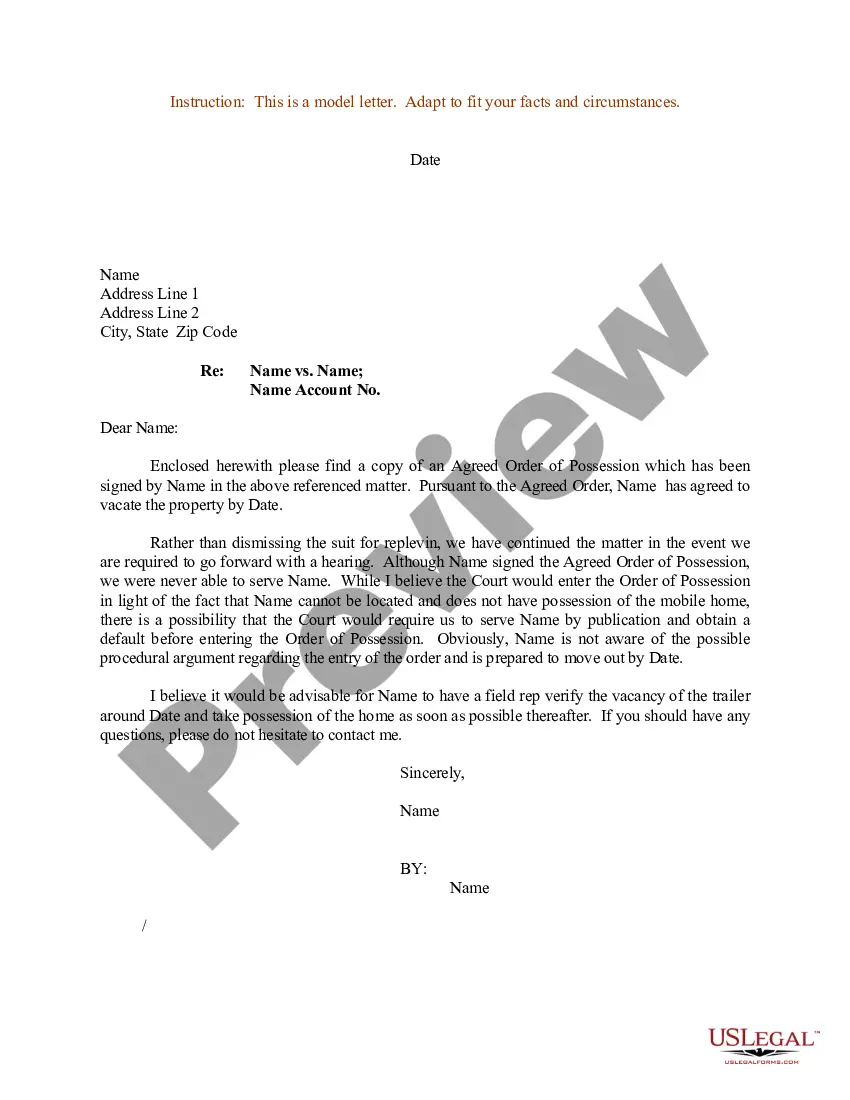
Get your form ready online
Our built-in tools help you complete, sign, share, and store your documents in one place.
Make edits, fill in missing information, and update formatting in US Legal Forms—just like you would in MS Word.
Download a copy, print it, send it by email, or mail it via USPS—whatever works best for your next step.
Sign and collect signatures with our SignNow integration. Send to multiple recipients, set reminders, and more. Go Premium to unlock E-Sign.
If this form requires notarization, complete it online through a secure video call—no need to meet a notary in person or wait for an appointment.
We protect your documents and personal data by following strict security and privacy standards.

Make edits, fill in missing information, and update formatting in US Legal Forms—just like you would in MS Word.

Download a copy, print it, send it by email, or mail it via USPS—whatever works best for your next step.

Sign and collect signatures with our SignNow integration. Send to multiple recipients, set reminders, and more. Go Premium to unlock E-Sign.

If this form requires notarization, complete it online through a secure video call—no need to meet a notary in person or wait for an appointment.

We protect your documents and personal data by following strict security and privacy standards.
Looking for another form?
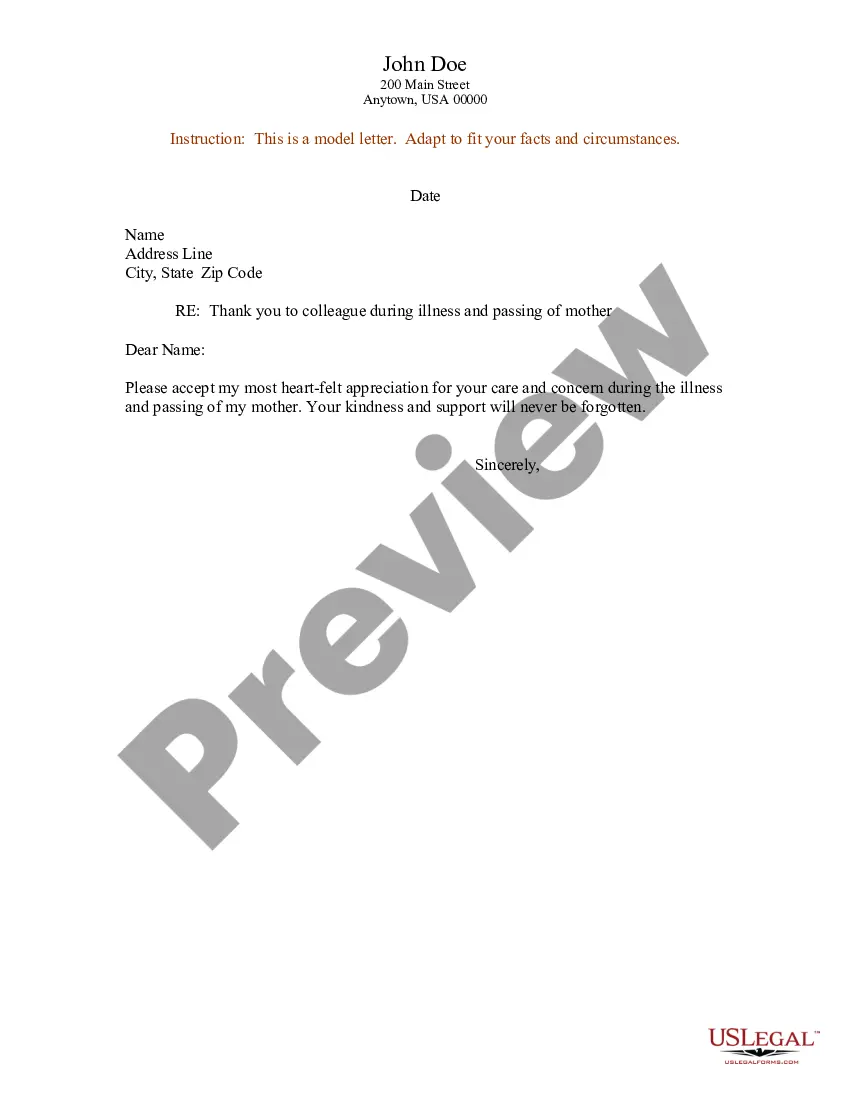







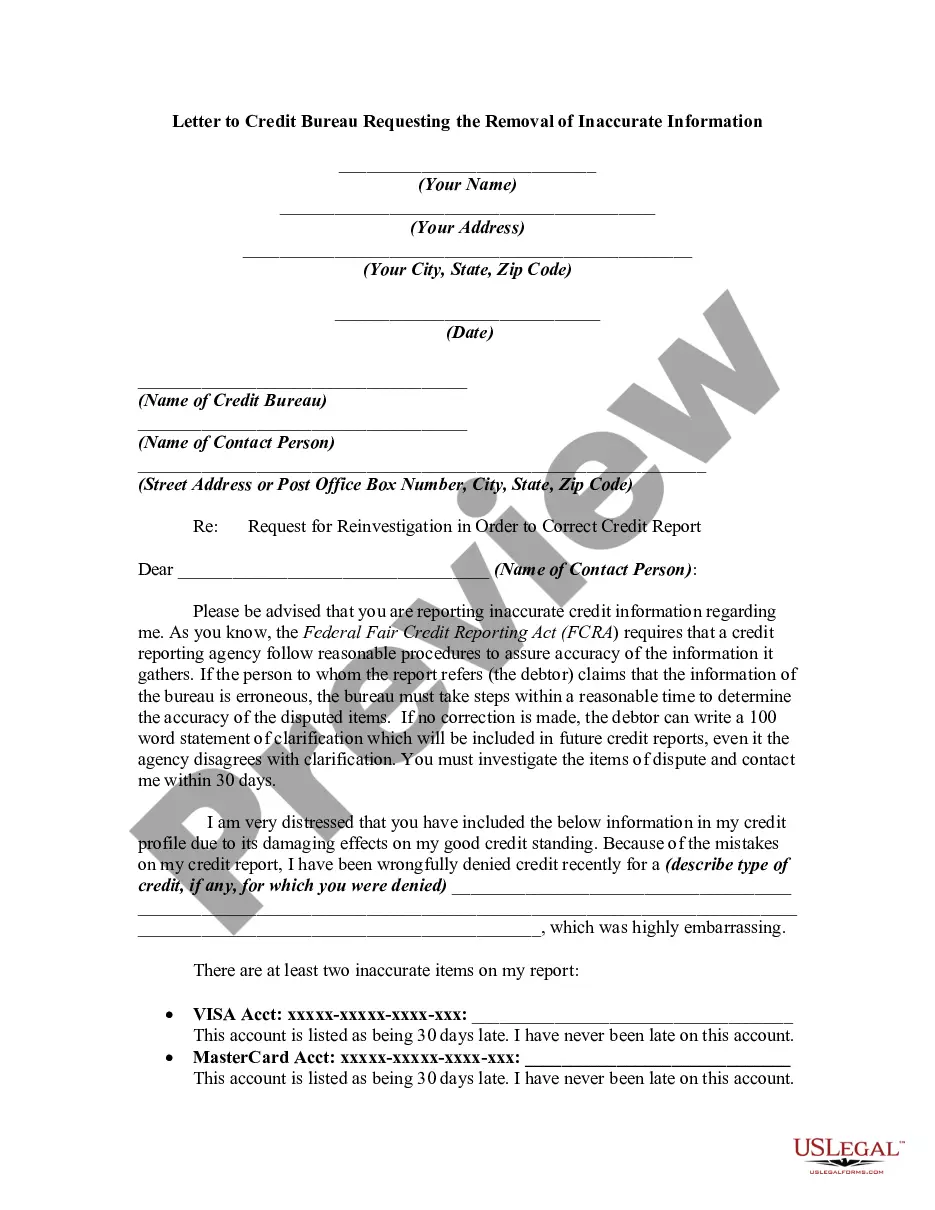
Form popularity
FAQ
To file online, go to E-File Texas ( ) 11 and follow the instructions. To file in person, take your answer (and copies) to the district clerk's office in the county where the plaintiff filed the case. At the clerk's office: Turn in your answer form (and copies).
Timeline of How to File a Lawsuit Step 1: File a Complaint. Plaintiff files a complaint and summons with the local county court. Step 2: Answer Complaint. Step 3: Discovery. Step 4: Failing to Respond to Discovery. Step 5: Conclusion of Lawsuit.
Important points to include in a legal document. Party details. List the names, numbers, addresses (email or physical), and any other relevant information of all parties involved. Background information. Motion. Roles and responsibilities. Breaches or contingencies. Dates and signatures.
Electronic Filing While pro se litigants certainly have the option of filing a document in person, pro se litigants can also file documents electronically if it is more convenient or if the litigant must meet a deadline to file a document and the clerk's office is already closed.
Parties without lawyers can also file case documents in person at the Court during normal business hours or by mail. Most case documents are posted to the Court's website, except clerk's records, reporter's records, and sealed documents. You can search for your case at search.txcourts/.
Format of electronic documents. (1) Text-searchable portable document format: Electronic documents must be in text-searchable portable document format (PDF) while maintaining the original document formatting.
While the content of the letter will change depending on your situation, there are a few important aspects to include: Provide all details the best you can, including correct dates and dollar amounts. Explain how and when all situations were resolved. Detail why problems won't happen again.
Send a file-stamped copy of your Notice of Current Address form to the State Case Registry and to the Office of the Attorney General if it is involved in your case. You will need the mailing address for the State Case Registry.
What are the parts of a formal letter? Header (date/address/return address) Date: When you write a formal letter, it's crucial to include the date on which you wrote it. Salutation. In a formal letter, the standard salutation is “Dear” followed by the recipient's title and last name. Body. Closing. Signature.
3 Tips for How to Write a Violation Letter Template Tip 1: Start with a Clear and Professional Salutation. Tip 2: Clearly State the Violation and Provide Supporting Evidence. Tip 3: Outline Consequences and Provide a Path to Resolution. Decide How to Record Violations. Frequently Asked Questions (FAQs) Conclusion.

