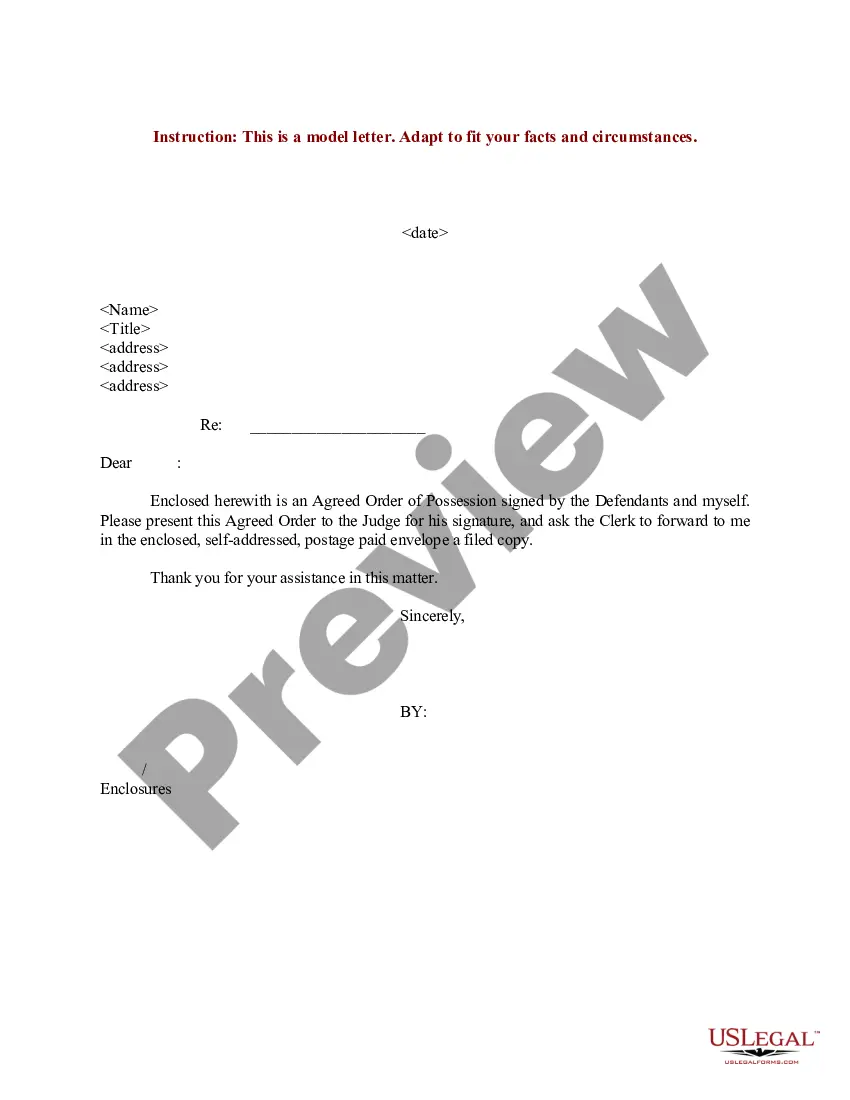
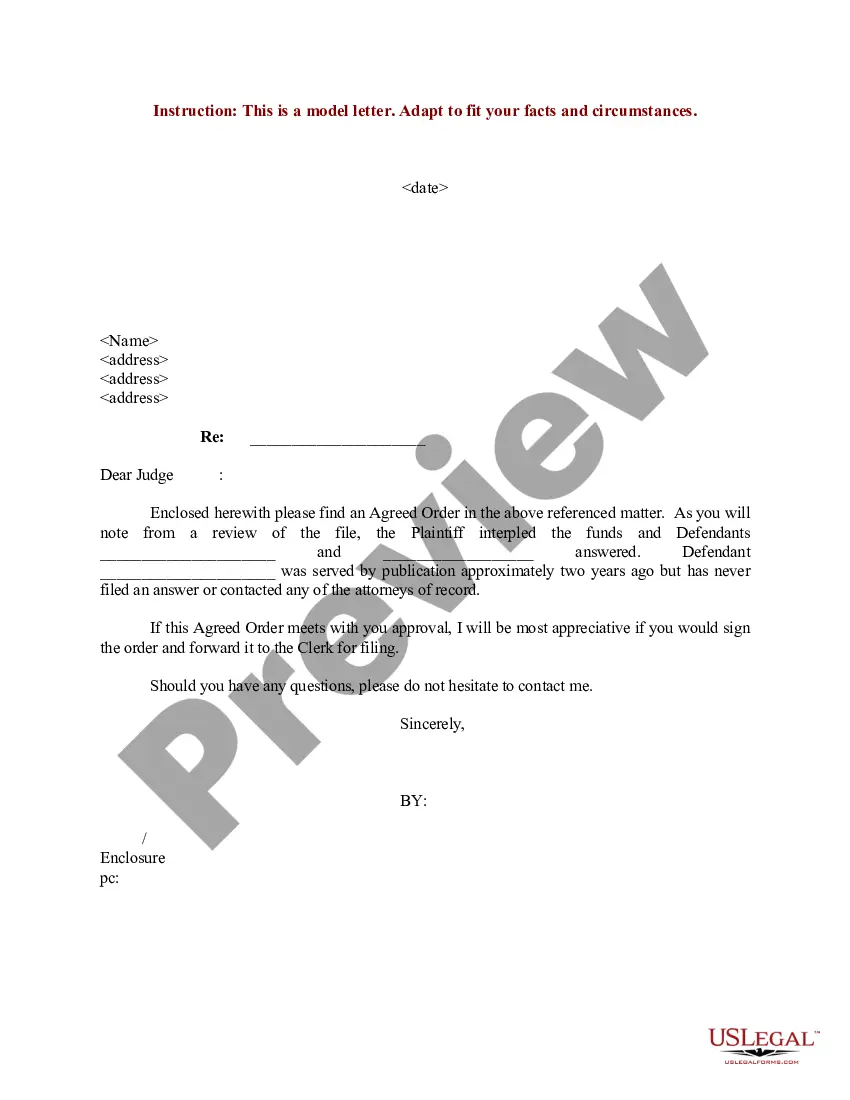
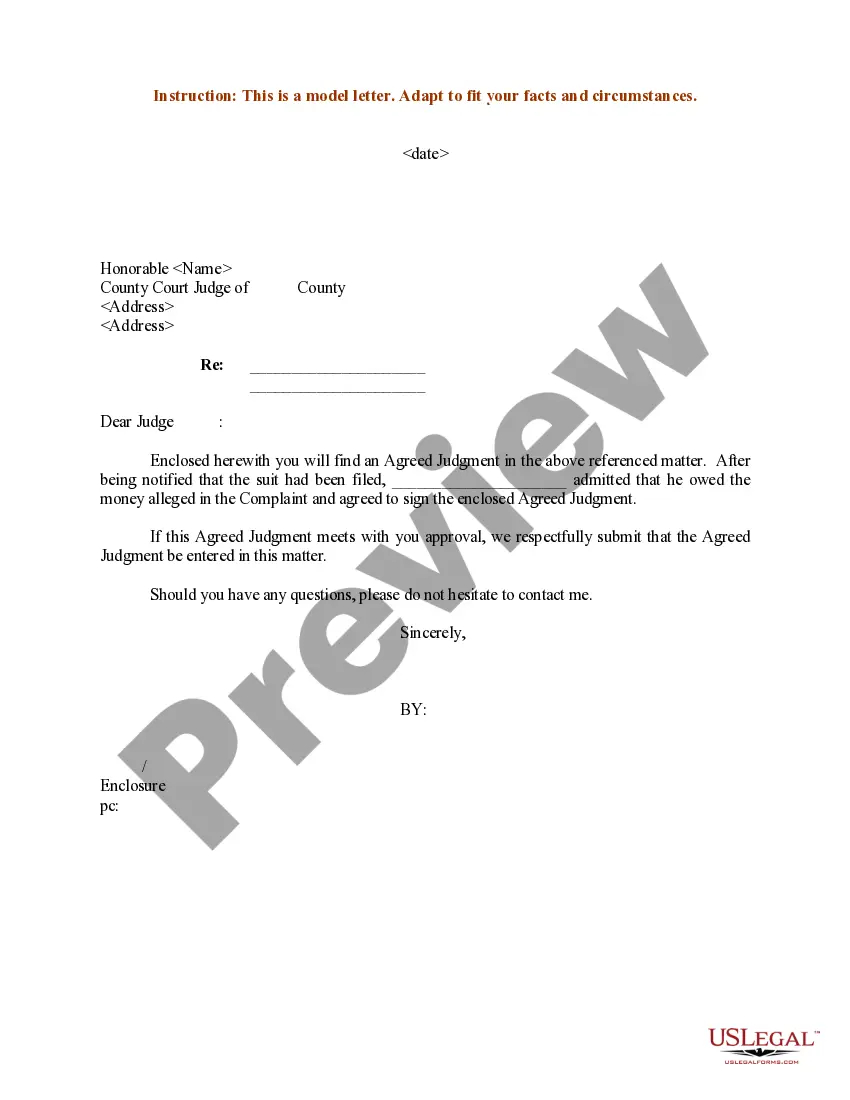
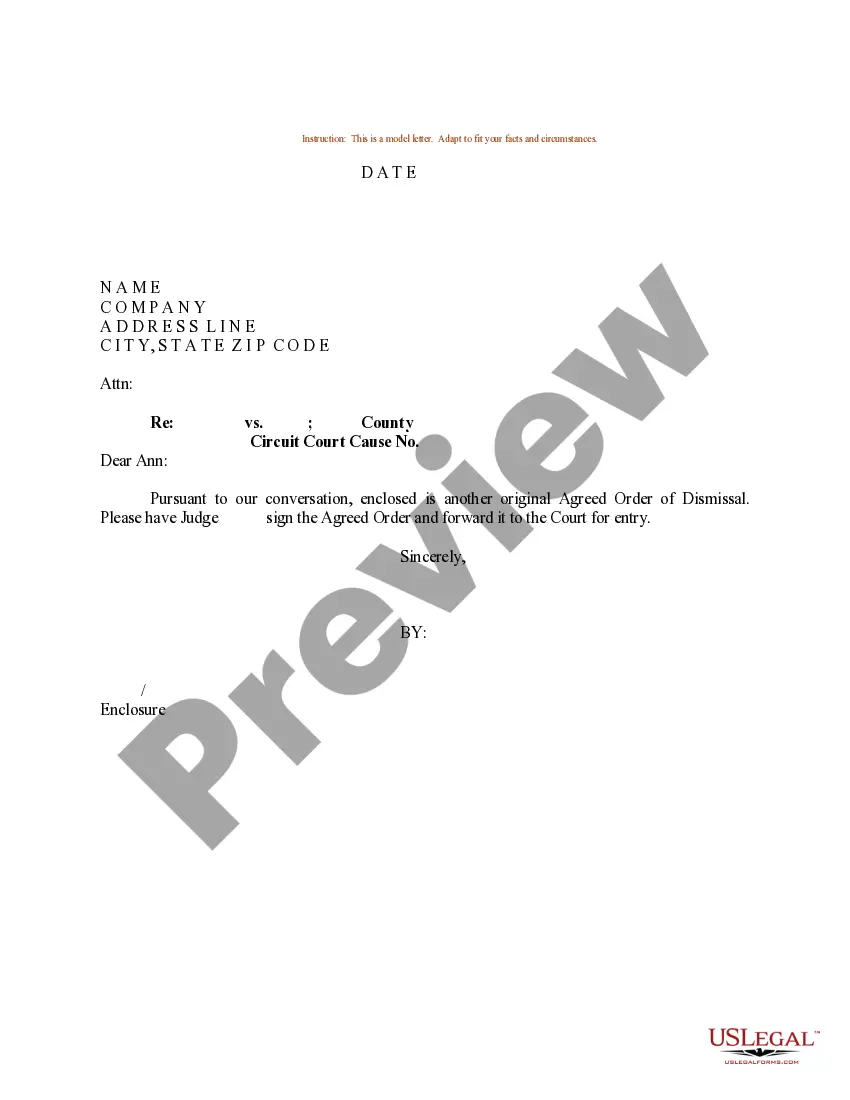
Letter To Court Template With Calculator In Texas
Description
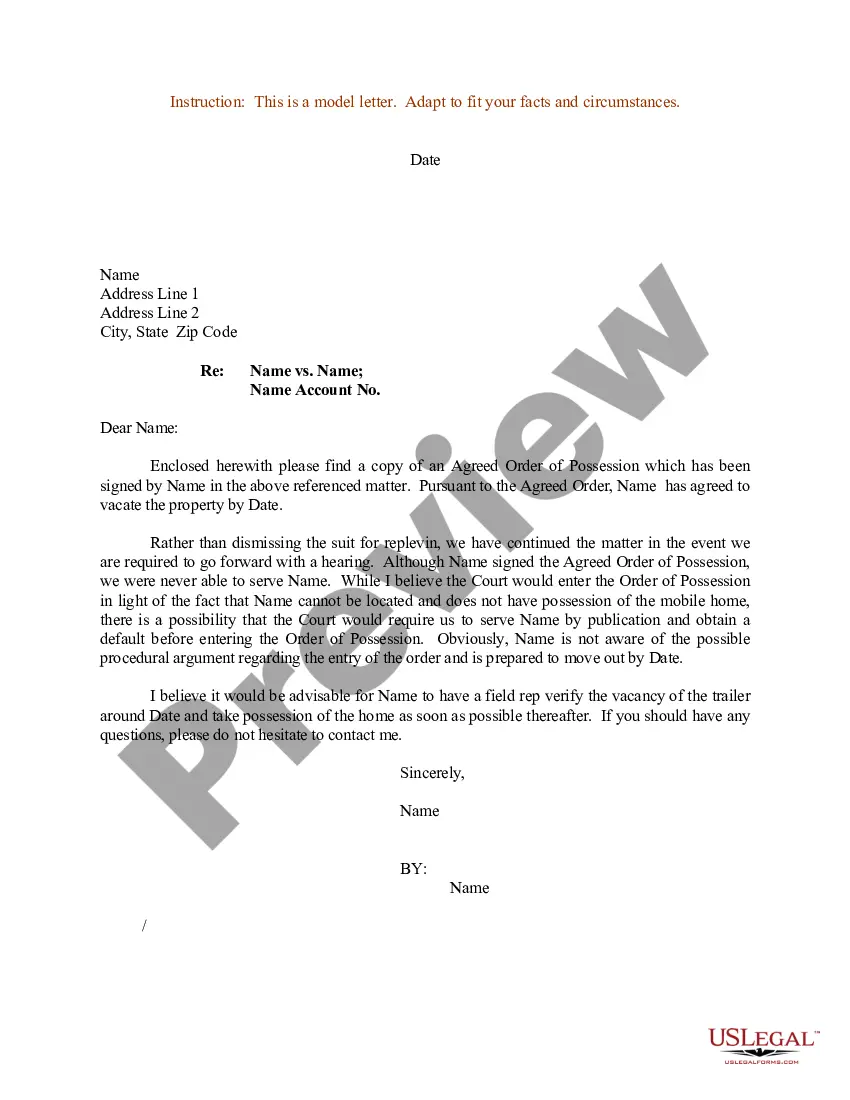
Get your form ready online
Our built-in tools help you complete, sign, share, and store your documents in one place.
Make edits, fill in missing information, and update formatting in US Legal Forms—just like you would in MS Word.
Download a copy, print it, send it by email, or mail it via USPS—whatever works best for your next step.
Sign and collect signatures with our SignNow integration. Send to multiple recipients, set reminders, and more. Go Premium to unlock E-Sign.
If this form requires notarization, complete it online through a secure video call—no need to meet a notary in person or wait for an appointment.
We protect your documents and personal data by following strict security and privacy standards.

Make edits, fill in missing information, and update formatting in US Legal Forms—just like you would in MS Word.

Download a copy, print it, send it by email, or mail it via USPS—whatever works best for your next step.

Sign and collect signatures with our SignNow integration. Send to multiple recipients, set reminders, and more. Go Premium to unlock E-Sign.

If this form requires notarization, complete it online through a secure video call—no need to meet a notary in person or wait for an appointment.

We protect your documents and personal data by following strict security and privacy standards.
Looking for another form?

Form popularity
FAQ
Count every day after the filing date, including weekends, holidays, and the last day of the period. If the last day of the period is a Saturday, Sunday, holiday, or court closure, the period continues to run until the next day that is not a Saturday, Sunday, holiday, or court closure.
An answer that denies all of the plaintiff's allegations without specifying the reasons is sufficient to constitute an answer or appearance and does not bar the defendant from raising any defense at trial. (c)Answer Docketed. The defendant's appearance must be noted on the court's docket.
The Defendant's Answer Under federal rules, defendants generally have 21 days to file an answer after they are served with a complaint; the U.S. government has 60 or 90 days, depending on whether it has waived service.
“Calendar days” include weekends and holidays, but if the final day lands on a weekend or holiday, it is pushed back to the previous court day. Using the June 18 hearing date, the sixteenth court day before the hearing would be May 24.
In a county or district court, the defendant must answer “on or before a.m. on the Monday next after the expiration of 20 days after the date of service thereof.” Tex. R. Civ.
Send your initial disclosures to opposing counsel (or your unrepresented opponent(s)) within 14 days after your conference of the parties, unless the Court's scheduling order provides a different deadline.
Count every day after the filing date, including weekends, holidays, and the last day of the period. If the last day of the period is a Saturday, Sunday, holiday, or court closure, the period continues to run until the next day that is not a Saturday, Sunday, holiday, or court closure.
To file online, go to E-File Texas ( ) 11 and follow the instructions. To file in person, take your answer (and copies) to the district clerk's office in the county where the plaintiff filed the case. At the clerk's office: Turn in your answer form (and copies).
You can access various court records through legal databases like Lexis, Westlaw, and Fastcase. State Law Library patrons can use Fastcase remotely to find final opinions for select Texas and federal appellate cases.
Request the transcript (orally or in writing) from the appropriate court reporter. Be sure to provide the defendant's name, case number, date of proceeding and type of proceeding to identify the material to be transcribed.