Request Letter For Court In San Jose
Description




Get your form ready online
Our built-in tools help you complete, sign, share, and store your documents in one place.
Make edits, fill in missing information, and update formatting in US Legal Forms—just like you would in MS Word.
Download a copy, print it, send it by email, or mail it via USPS—whatever works best for your next step.
Sign and collect signatures with our SignNow integration. Send to multiple recipients, set reminders, and more. Go Premium to unlock E-Sign.
If this form requires notarization, complete it online through a secure video call—no need to meet a notary in person or wait for an appointment.
We protect your documents and personal data by following strict security and privacy standards.

Make edits, fill in missing information, and update formatting in US Legal Forms—just like you would in MS Word.

Download a copy, print it, send it by email, or mail it via USPS—whatever works best for your next step.

Sign and collect signatures with our SignNow integration. Send to multiple recipients, set reminders, and more. Go Premium to unlock E-Sign.

If this form requires notarization, complete it online through a secure video call—no need to meet a notary in person or wait for an appointment.

We protect your documents and personal data by following strict security and privacy standards.
Looking for another form?







Form popularity
FAQ
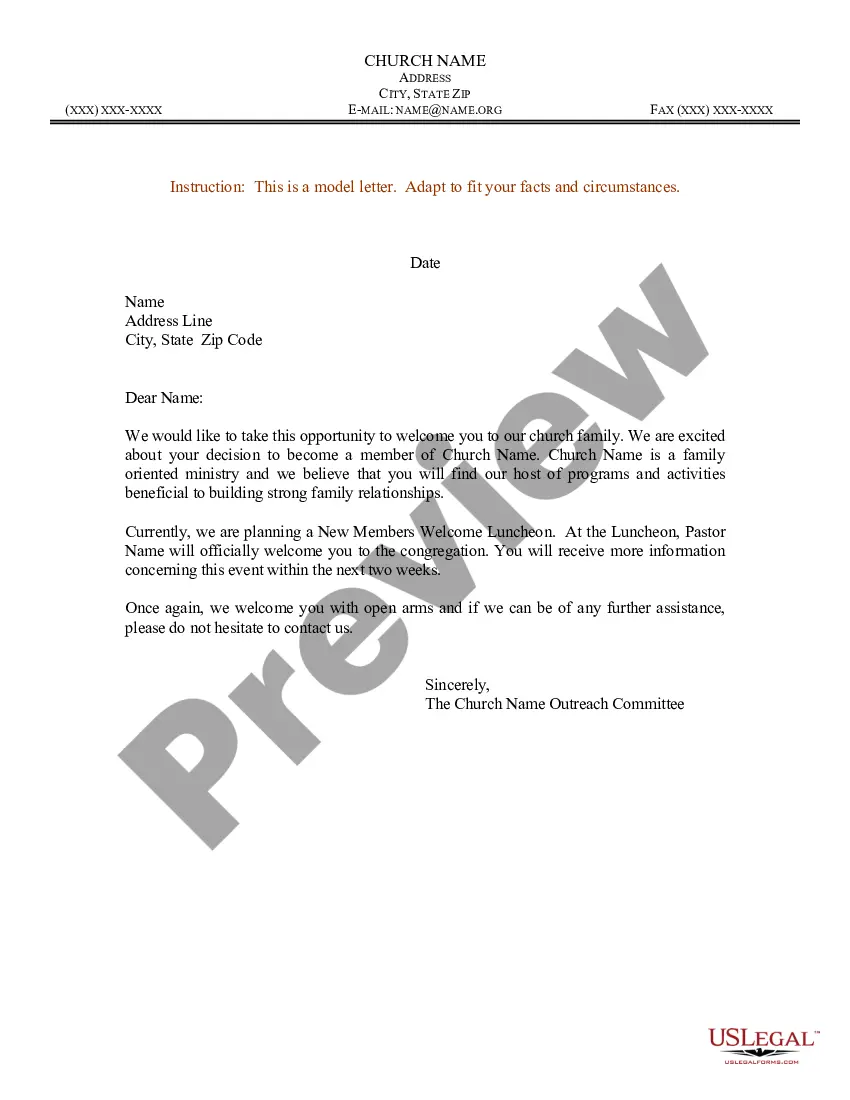
Writing Your Letter Search for a form letter. Some courts print off forms that you can use to request a hearing. Open a word processing document. Insert a salutation. Add a heading. Begin the letter with your request. Explain why you need the hearing. Provide a contact number. Sign the letter.
Not all courts will accept a letter. Instead, the court might grant a continuance over the phone, or the court could require that you have a representative appear before the judge in your place.
If you are trying to resolve a dispute, you may want to send a demand letter. You can write one yourself, but hiring an attorney will help you navigate legalities and show the recipient the seriousness of the matter.
Demand Letter Components Facts of the case. An outline of what happened. Statement of the issue. A brief description of the problem. Demand. The dollar amount or action necessary to resolve the case. Response deadline. The date by which the recipient must respond. Noncompliance consequences.
Collect together the name and address for your debtor, the amount due, the dates involved with your claim such as starting date of debt, and your supporting documentation usually your invoices and your statement. Use these facts to write a clear statement explaining the monies owed to you.
As soon as possible, you should ask a court clerk or the Self-Help Center how to ask for a video or phone hearing. You may have different options for how you can access the hearing. Some courts allow you to access a hearing by video or phone through a remote appearance platform (like Zoom or Teams).
Writing Your Letter Search for a form letter. Some courts print off forms that you can use to request a hearing. Open a word processing document. Insert a salutation. Add a heading. Begin the letter with your request. Explain why you need the hearing. Provide a contact number. Sign the letter.
Typically, making an appearance means that you consent to the court's exercise of personal jurisdiction over you, and you therefore waive your right to challenge it later. This type of appearance is known as a general appearance.
Section 1014 of the Code of Civil Procedure purports to define what constitutes an appearance as follows: "A defendant appears in an action when he answers, demurs, files a notice of motion to strike, files a notice of motion to transfer pursuant to Section 396b, gives the plaintiff written notice of his appearance, or ...
Type the Name and Address of the Judge or Court Staff On the next line below the name, include the name of the court in which the judge presides, such as "San Francisco Superior Court" or "United States Court of Appeals, Ninth Circuit." Directly under the name, include the judge's address, city, state and ZIP code.

