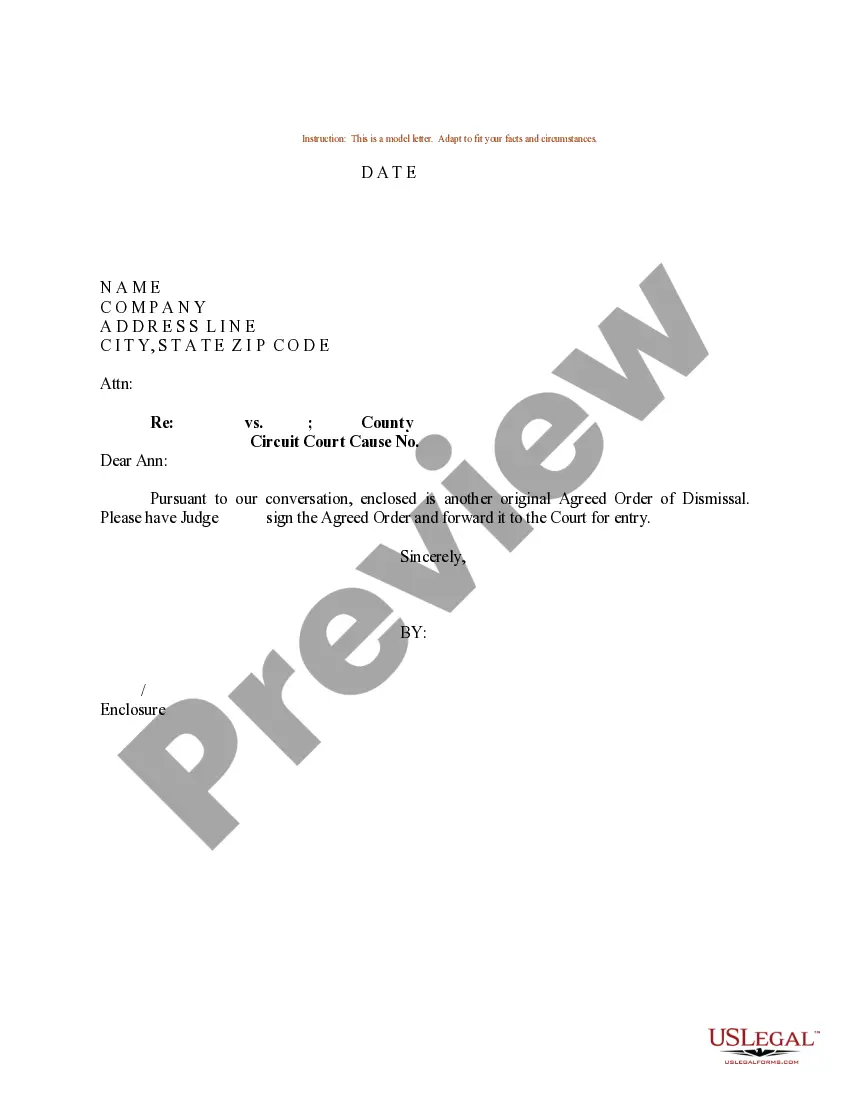
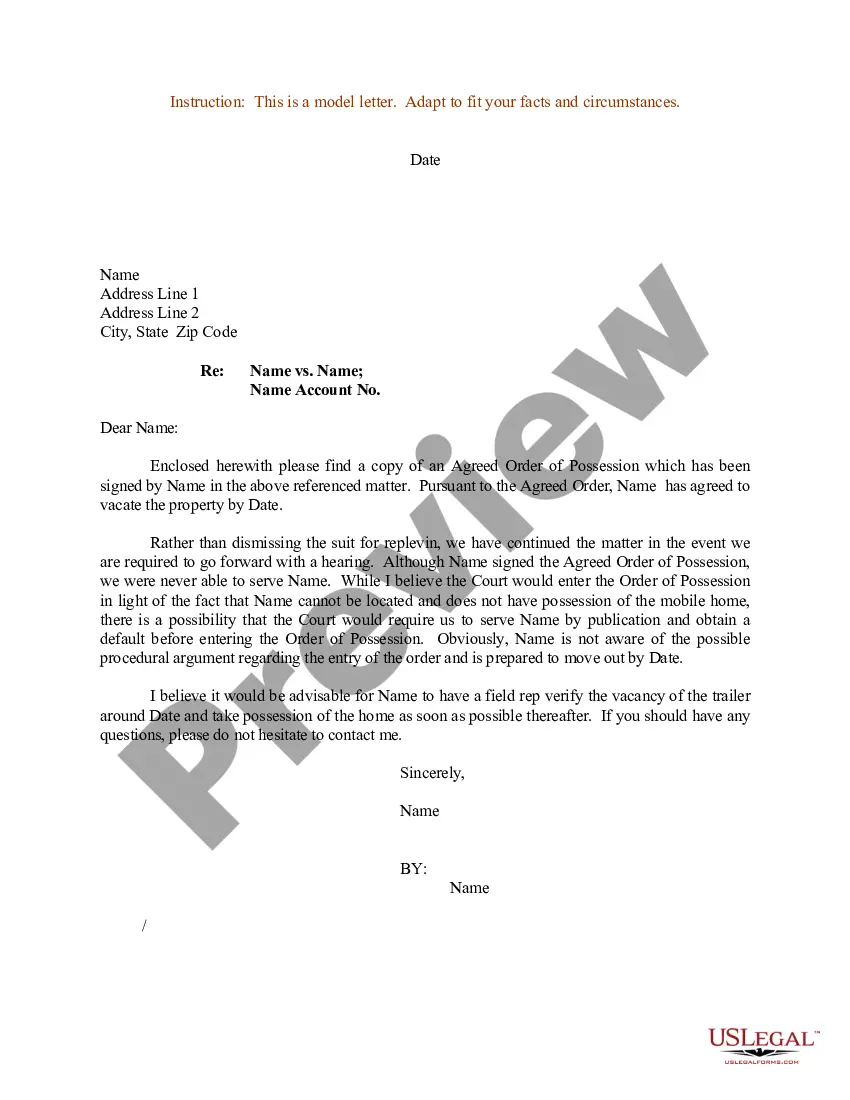
Letter Format For Court In San Diego
Description


Get your form ready online
Our built-in tools help you complete, sign, share, and store your documents in one place.
Make edits, fill in missing information, and update formatting in US Legal Forms—just like you would in MS Word.
Download a copy, print it, send it by email, or mail it via USPS—whatever works best for your next step.
Sign and collect signatures with our SignNow integration. Send to multiple recipients, set reminders, and more. Go Premium to unlock E-Sign.
If this form requires notarization, complete it online through a secure video call—no need to meet a notary in person or wait for an appointment.
We protect your documents and personal data by following strict security and privacy standards.

Make edits, fill in missing information, and update formatting in US Legal Forms—just like you would in MS Word.

Download a copy, print it, send it by email, or mail it via USPS—whatever works best for your next step.

Sign and collect signatures with our SignNow integration. Send to multiple recipients, set reminders, and more. Go Premium to unlock E-Sign.

If this form requires notarization, complete it online through a secure video call—no need to meet a notary in person or wait for an appointment.

We protect your documents and personal data by following strict security and privacy standards.
Looking for another form?


Form popularity
FAQ
For example, a legal pleading might involve a complaint from a homeowner that a roofer did not adequately perform a repair, resulting in a leak in the roof and damage to the home. The roofer could then file an answer to the claim, denying culpability.
“Pleading paper” is the format required for filing documents in court when there is no pre-printed form available. This pleading paper is blank and can be used anywhere 28-line paper is accepted. Check your court's local rules for other format requirements such as fonts, font size, and line spacing.
Comply With the Relevant Federal, State, and Local Rules. Research Before Writing. Allege Subject Matter Jurisdiction, Personal Jurisdiction, and Venue. Jurisdiction. Draft Concise and Plain Statement of the Facts. Factual Allegations. Draft Separate Counts for Each Legal Claim. Plead Facts With Particularity Where Necessary.
Comply With the Relevant Federal, State, and Local Rules. Research Before Writing. Allege Subject Matter Jurisdiction, Personal Jurisdiction, and Venue. Jurisdiction. Draft Concise and Plain Statement of the Facts. Factual Allegations. Draft Separate Counts for Each Legal Claim. Plead Facts With Particularity Where Necessary.
If everything is in order, the court grants 'Letters Testamentary' or 'Letters of Administration,' officially appointing the executor or administrator. This person is now legally able to manage the estate and is often referred to as the personal representative of the estate.
Pleading Paper Your name must start on line 1. The Court name and location must start on line 8. The caption of the case must start on line 11. You must have a footer with the title of the document. After the caption (the box with the name of the Plaintiff/Respondent) you can use the space as needed, using double spacing.
And we're going to talk about how to download and work with a pleading template that Microsoft has sort of tucked and hidden away in its templates gallery. To get to it, you're going to open Microsoft Word. Whether you're on a PC or a Mac, this will be the same.
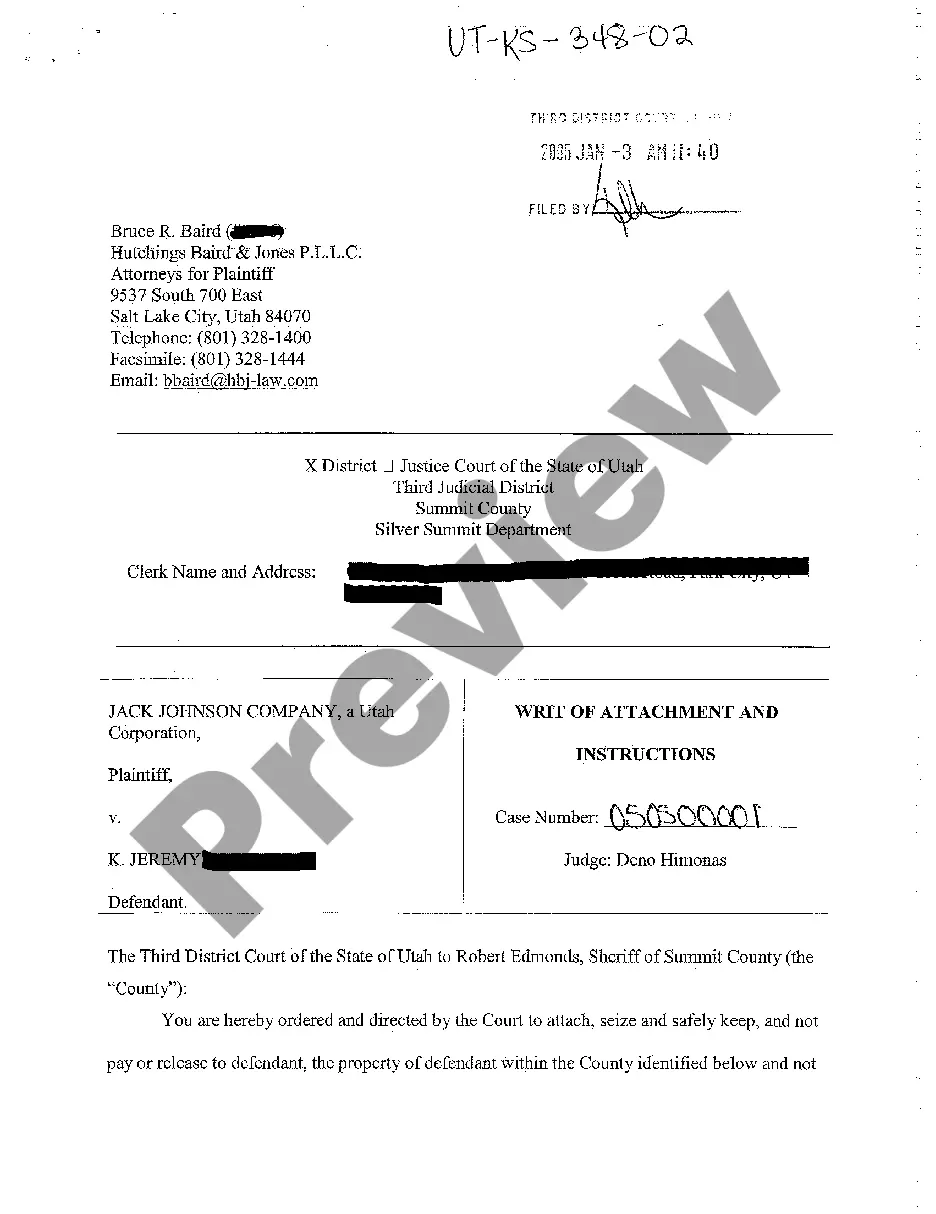
All pleadings have the same basic structure,5 starting with the caption at the top of the first page. The caption states the name of the court at the top and, on the right side of the pleading, the type of pleading,6 the case number (or docket number), and the name of the judge.
Proof of Delivery: A certified letter provides proof that the letter was sent and received. This is crucial in legal matters where it's important to confirm that a party has received specific information or documents. For you, as the recipient, this means there's a verifiable record that you've been contacted.
Or other relevant announcements. So when you receive a letter from the clerk of courts. It'sMoreOr other relevant announcements. So when you receive a letter from the clerk of courts. It's essential to read it carefully. And take any necessary.

