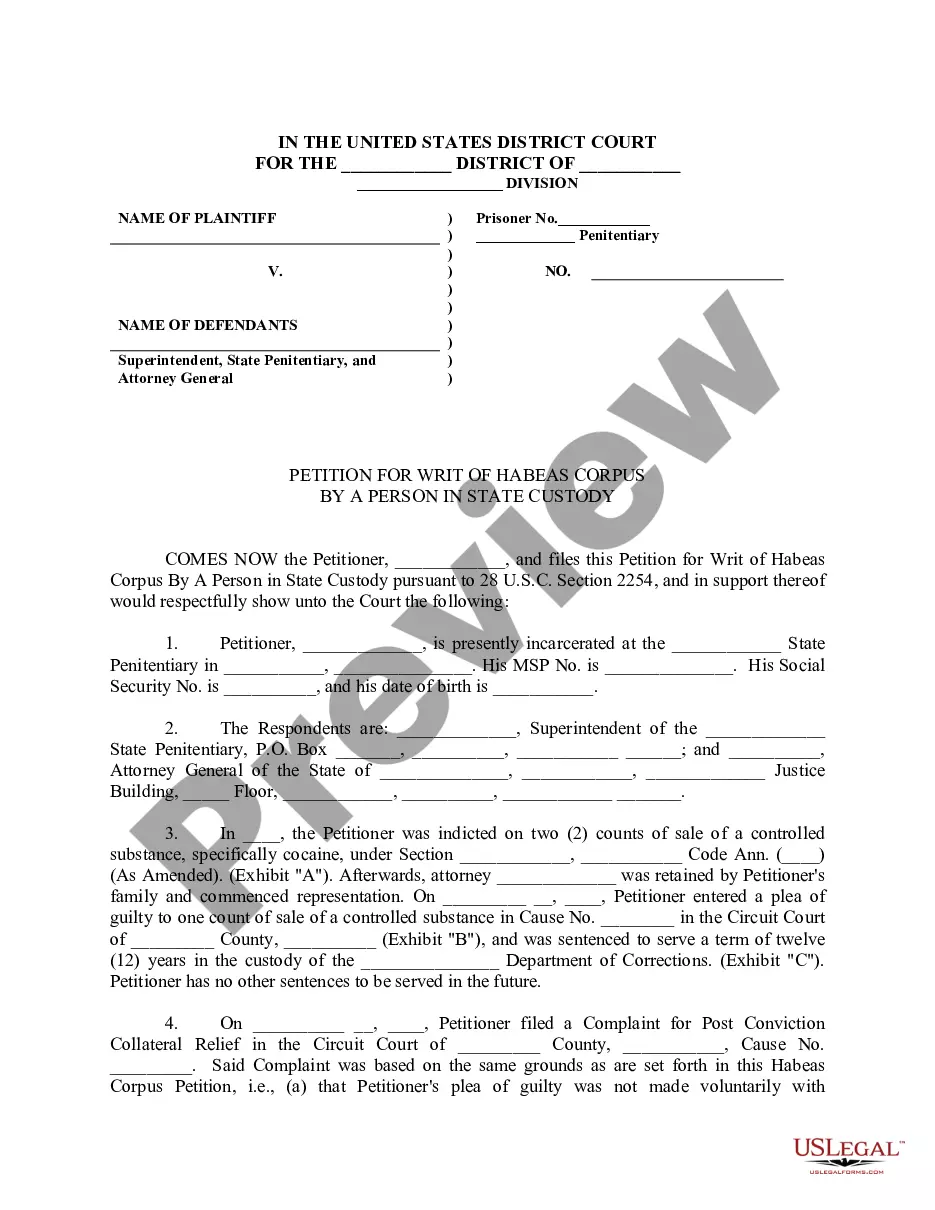
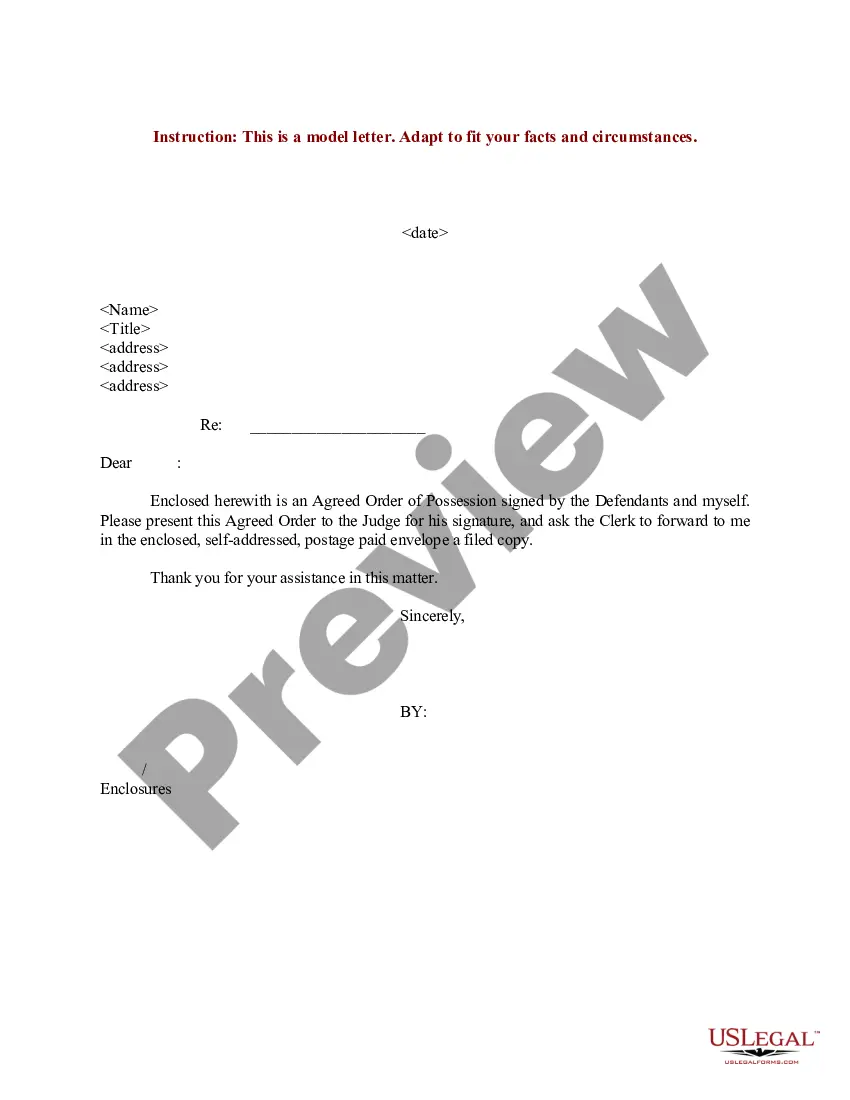
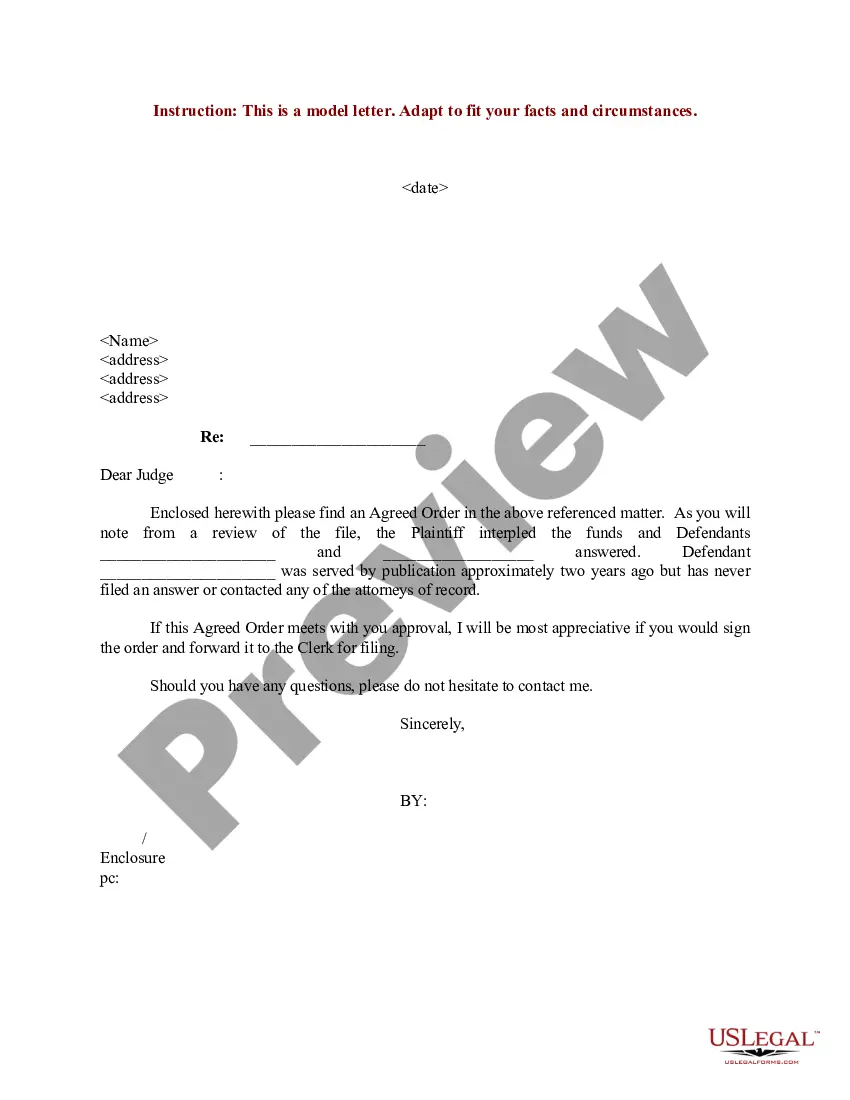
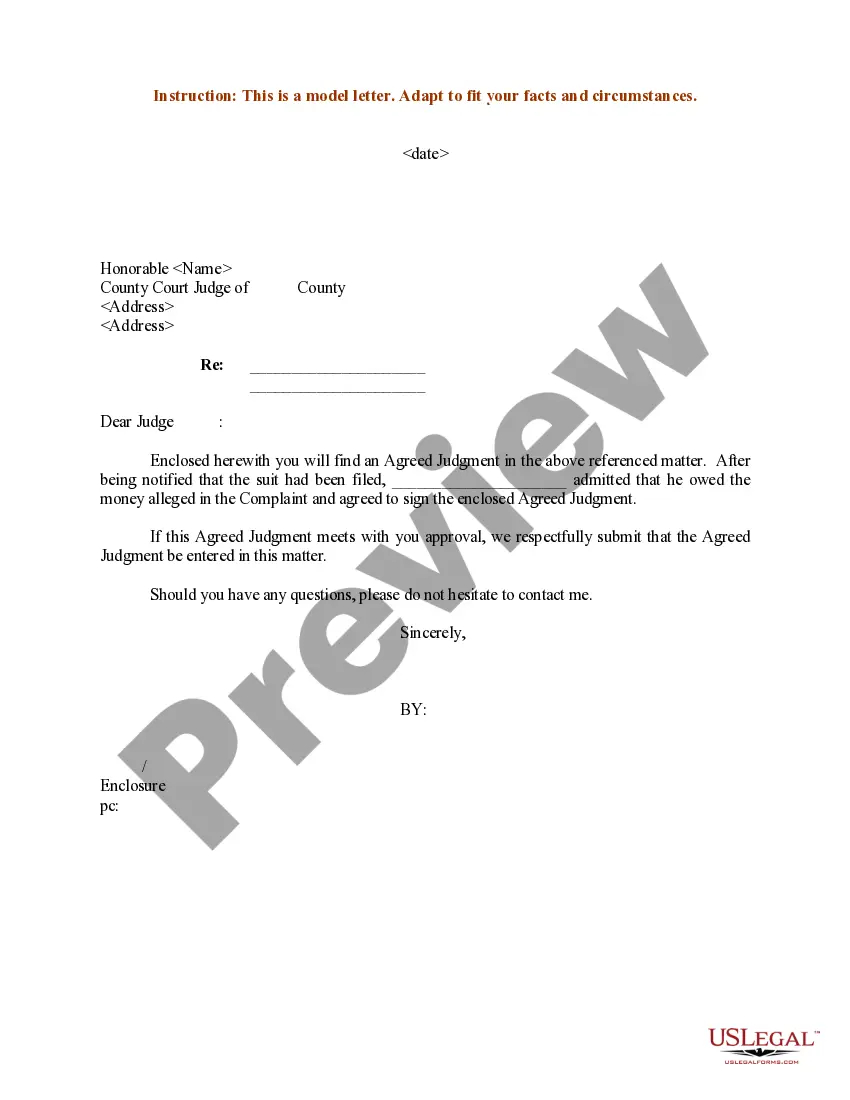
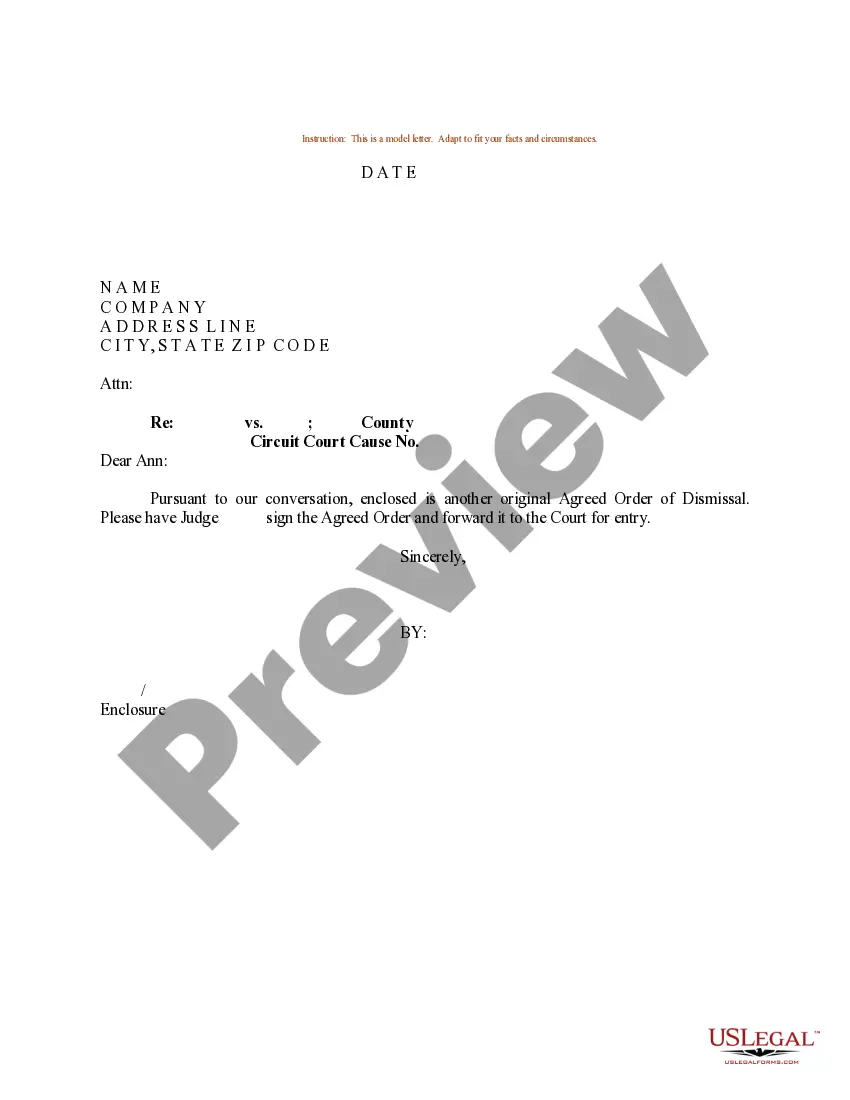
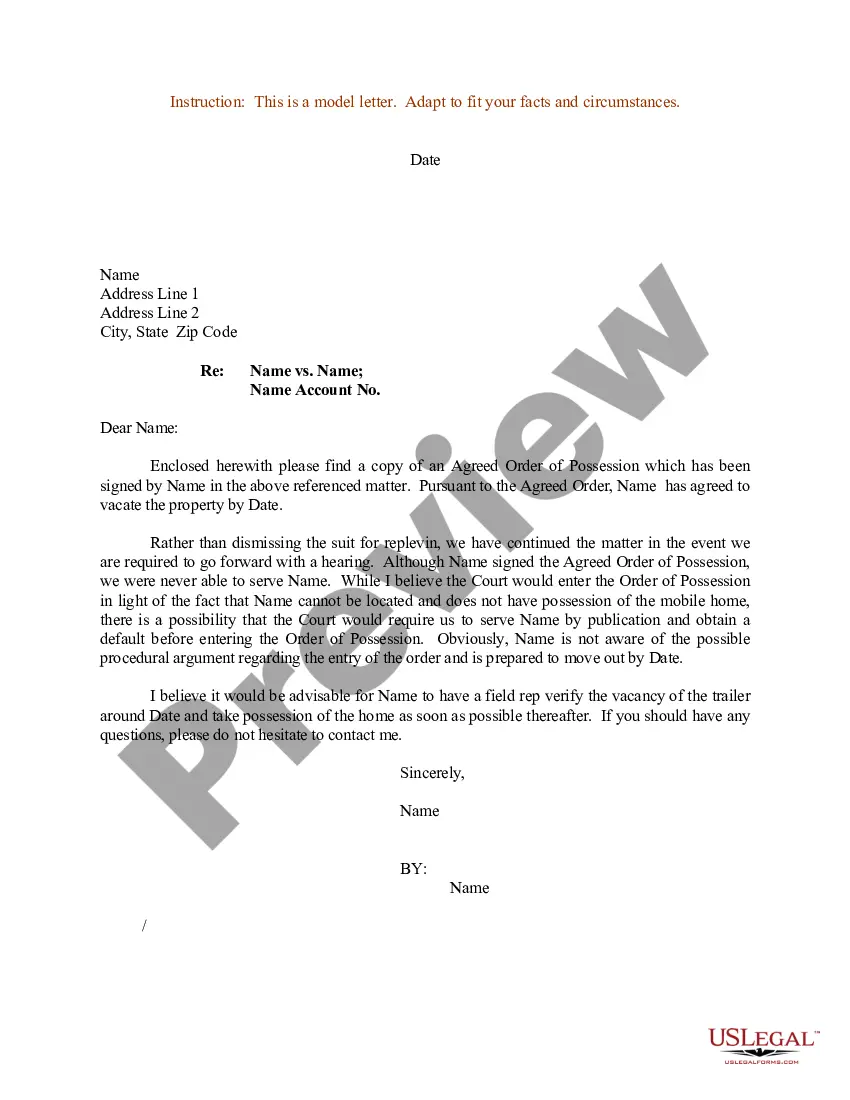
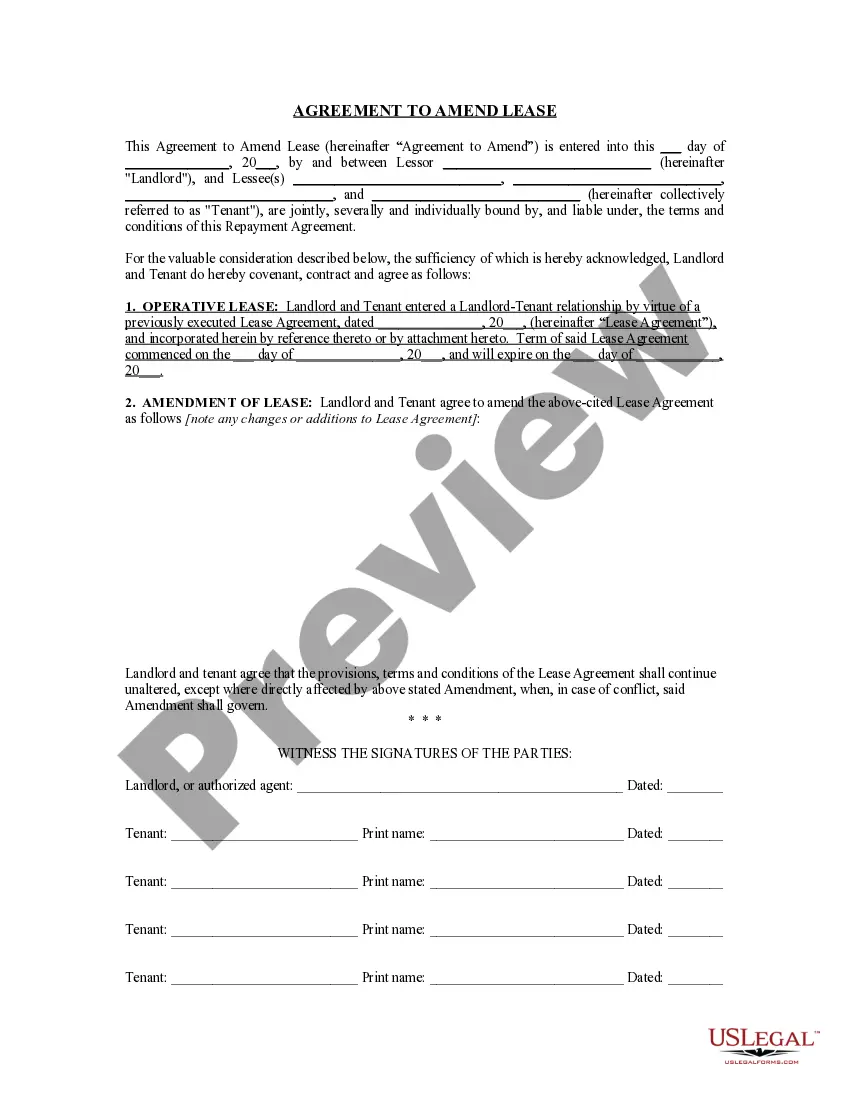
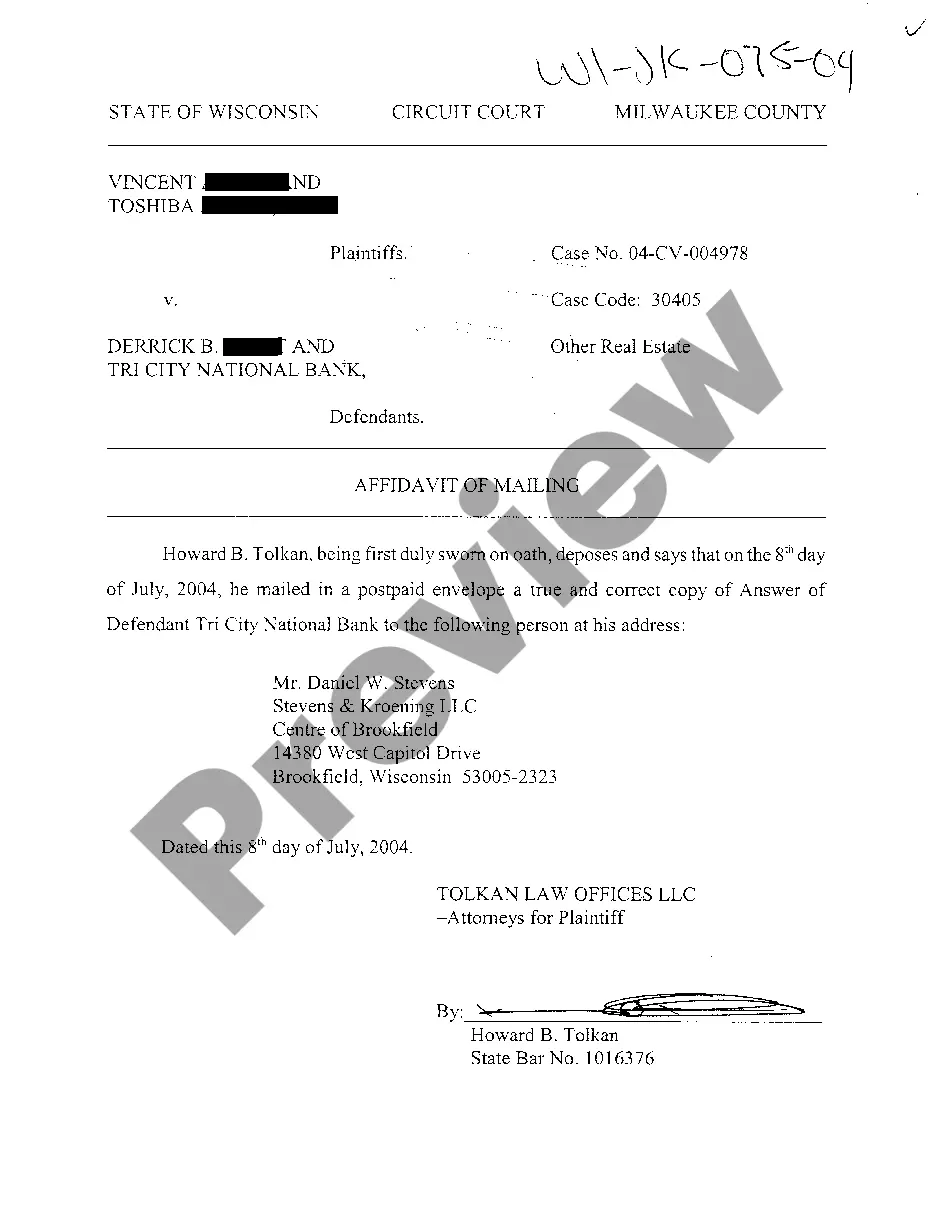
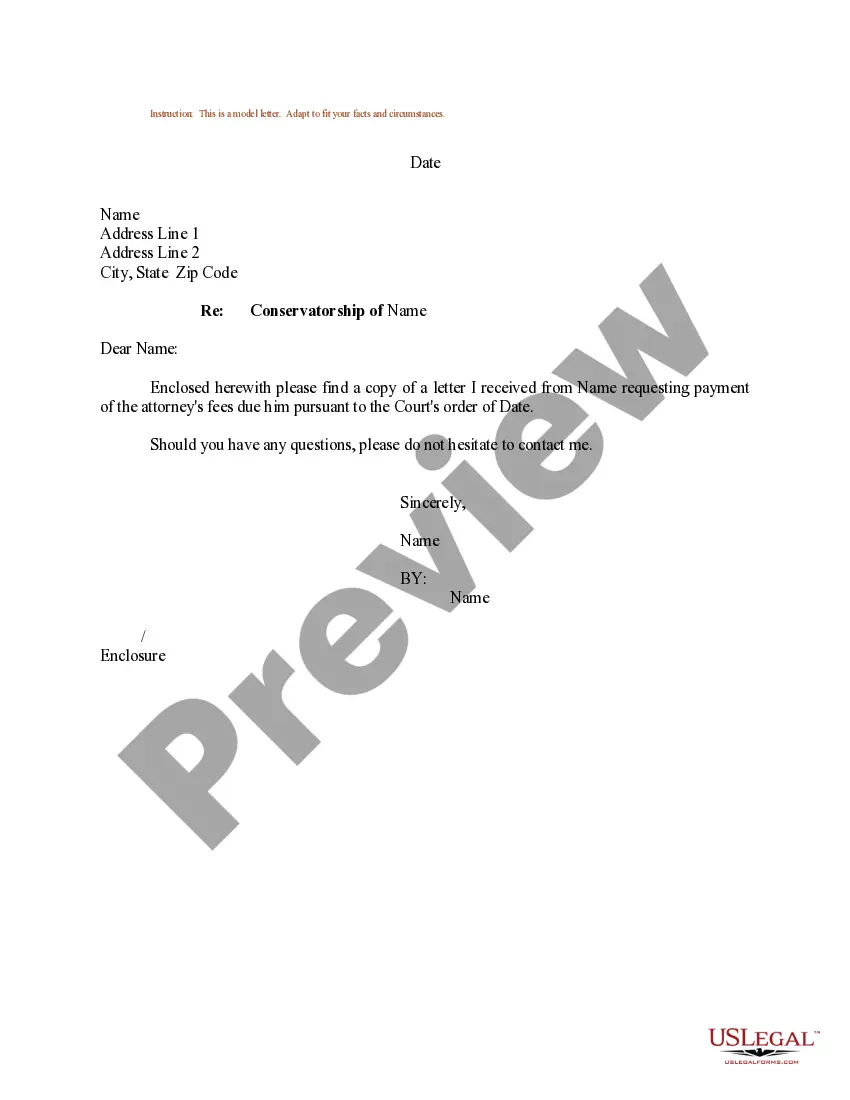
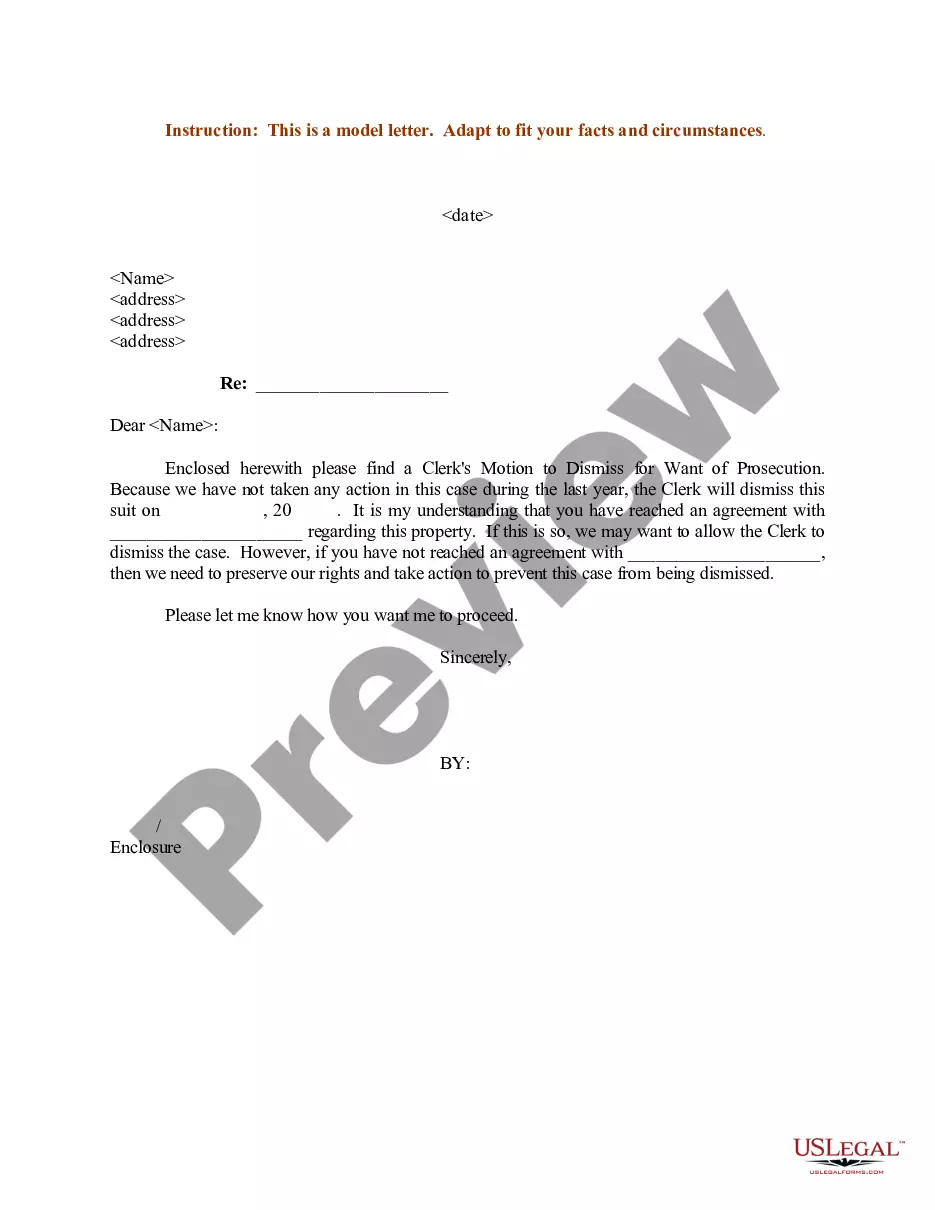
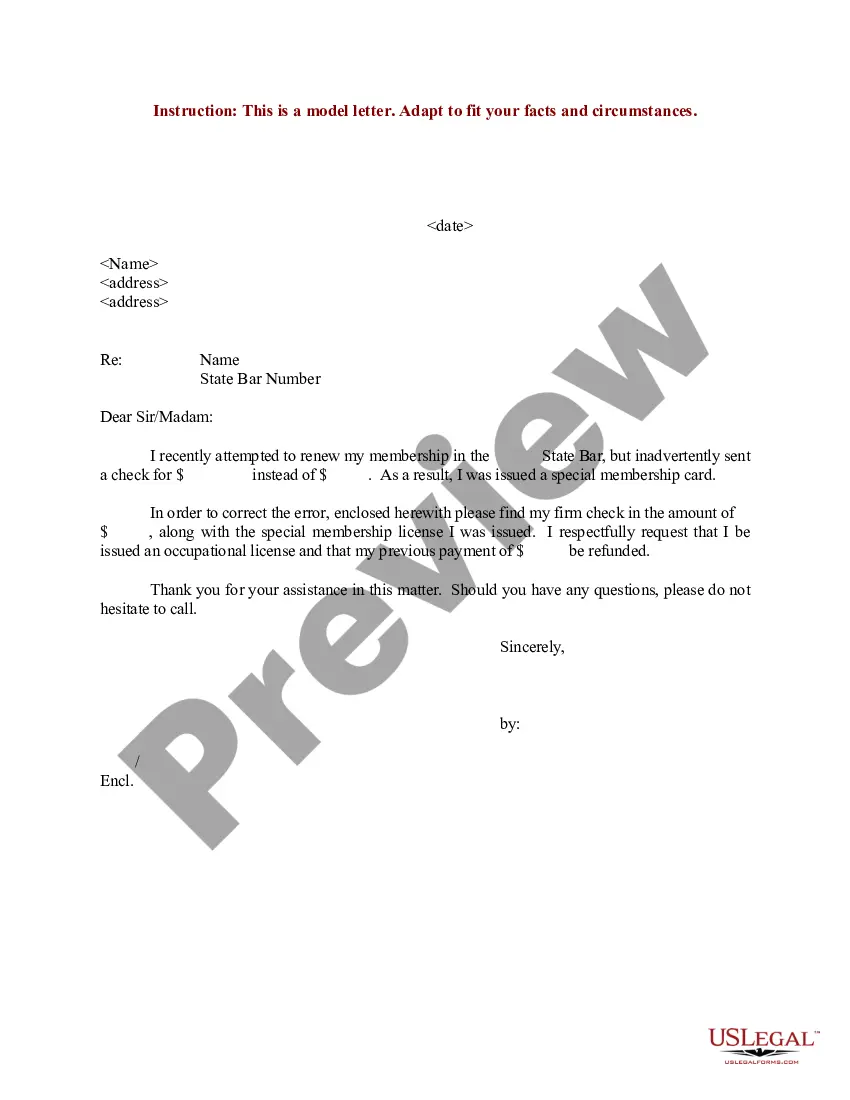
Court Letter Templates For School In San Antonio
Description
Get your form ready online
Our built-in tools help you complete, sign, share, and store your documents in one place.
Make edits, fill in missing information, and update formatting in US Legal Forms—just like you would in MS Word.
Download a copy, print it, send it by email, or mail it via USPS—whatever works best for your next step.
Sign and collect signatures with our SignNow integration. Send to multiple recipients, set reminders, and more. Go Premium to unlock E-Sign.
If this form requires notarization, complete it online through a secure video call—no need to meet a notary in person or wait for an appointment.
We protect your documents and personal data by following strict security and privacy standards.

Make edits, fill in missing information, and update formatting in US Legal Forms—just like you would in MS Word.

Download a copy, print it, send it by email, or mail it via USPS—whatever works best for your next step.

Sign and collect signatures with our SignNow integration. Send to multiple recipients, set reminders, and more. Go Premium to unlock E-Sign.

If this form requires notarization, complete it online through a secure video call—no need to meet a notary in person or wait for an appointment.

We protect your documents and personal data by following strict security and privacy standards.
Looking for another form?

Form popularity
FAQ
Send a file-stamped copy of your Notice of Current Address form to the State Case Registry and to the Office of the Attorney General if it is involved in your case. You will need the mailing address for the State Case Registry.
You can access various court records through legal databases like Lexis, Westlaw, and Fastcase. State Law Library patrons can use Fastcase remotely to find final opinions for select Texas and federal appellate cases.
Here are some tips for presenting a winning small claims court case. Make sure your case is appropriate for small claims court. Get your documents in order. Prepare your witnesses. Practice for your day in court. Be on your best behavior. Be prepared to go the distance.
Select the evidence that proves what you need to show. Review the information you identified and pick out the evidence that will convince the judge of the points you need to explain. Choose evidence that relates directly (is “relevant”) to what you need to show (“prove”).
As a general rule, a suit in Justice Court must be brought in the county and in the Justice of the Peace precinct in which the defendant resides; in the county and Justice of the Peace precinct where the incident that gave rise to the claim occurred; the county and Justice of the Peace precinct where the contract, if ...
Ing to a 2017 study by the American Bar Association, plaintiffs (the people who file small claims cases) win about 60% of the time. However, the actual success rate in small claims cases can vary depending on the jurisdiction and the type of case.
What Happens if I Lose My Small Claims Case? If the judgment is in favor of the defendant, you can file a motion for new trial within 14 days of the judgment. That means that you want a “do over” in the same justice court.
To file online, go to E-File Texas ( ) 11 and follow the instructions. To file in person, take your answer (and copies) to the district clerk's office in the county where the plaintiff filed the case. At the clerk's office: Turn in your answer form (and copies).
Small Claims Cases in Texas The limit to the amount that a person can sue for in small claims cases is $20,000. Justice courts can also settle landlord/tenant disputes such as evictions and repairs.
7 Keys to drafting a strong statement of the case Accuracy. Accuracy is the cornerstone of a good statement of facts. Clarity. A good statement of facts and procedural history should be clear and easy to read. Chronological order. Relevant facts. Organization. Objectivity. Relevant citations.