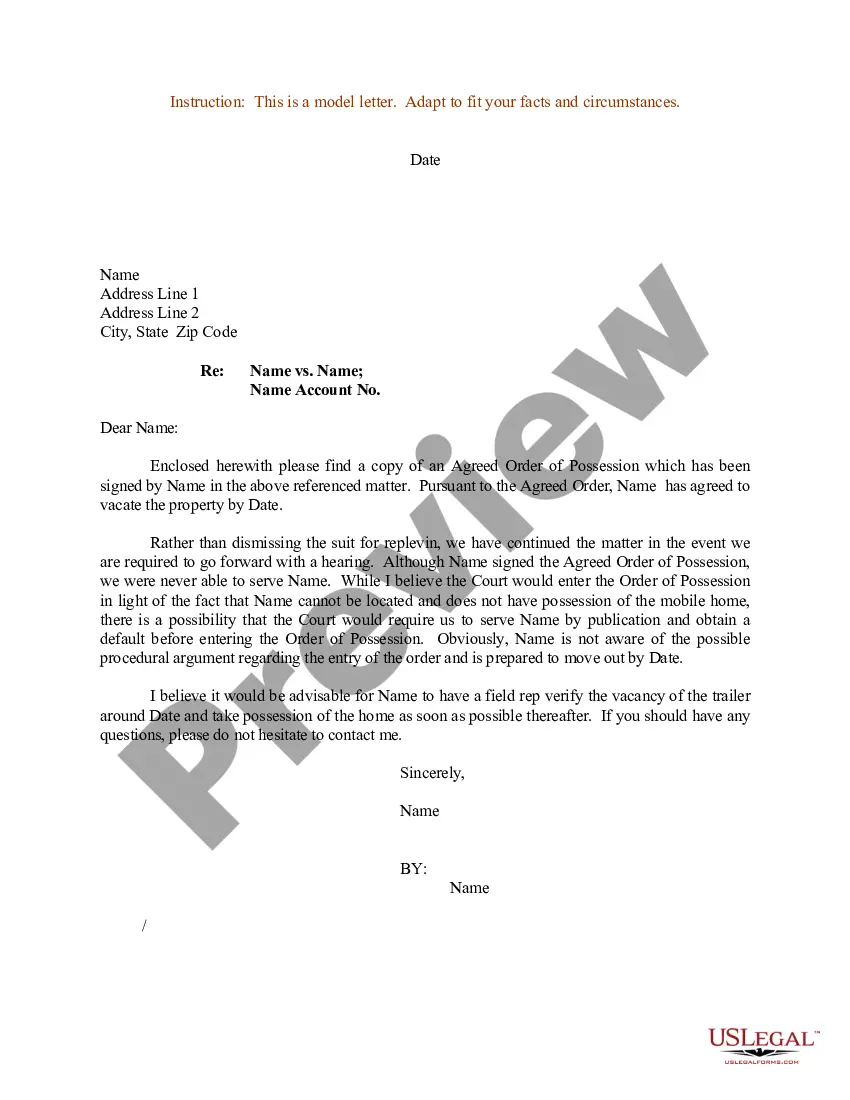
Court Letter Sample For Immigration In Riverside
Description



Get your form ready online
Our built-in tools help you complete, sign, share, and store your documents in one place.
Make edits, fill in missing information, and update formatting in US Legal Forms—just like you would in MS Word.
Download a copy, print it, send it by email, or mail it via USPS—whatever works best for your next step.
Sign and collect signatures with our SignNow integration. Send to multiple recipients, set reminders, and more. Go Premium to unlock E-Sign.
If this form requires notarization, complete it online through a secure video call—no need to meet a notary in person or wait for an appointment.
We protect your documents and personal data by following strict security and privacy standards.

Make edits, fill in missing information, and update formatting in US Legal Forms—just like you would in MS Word.

Download a copy, print it, send it by email, or mail it via USPS—whatever works best for your next step.

Sign and collect signatures with our SignNow integration. Send to multiple recipients, set reminders, and more. Go Premium to unlock E-Sign.

If this form requires notarization, complete it online through a secure video call—no need to meet a notary in person or wait for an appointment.

We protect your documents and personal data by following strict security and privacy standards.
Looking for another form?




Form popularity
FAQ
There is a letter that is to be written by the relatives of the person who is applying for the hardship waiver. This immigration letter is meant to explain how the applicant's removal would affect the family. There is an immigration letter that is prepared by an immigration psychologist.
For a friend or relative, your letter should showcase their character, achievements, and contributions in a personal and supportive way. Describe your relationship with them, provide specific examples of their strengths and accomplishments, and explain why they are deserving of the immigration benefit they are seeking.
Writing the Letter Insert the date and a salutation. At the top of the letter, you should include the date. Include an introduction. Explain why the requestor should not be deported. Describe work ethic, if relevant. Conclude with a heartfelt recommendation. Add your contact information. Sign the letter.
If you are asked to write a letter of recommendation for immigration, you are being asked to show the United States Citizenship and Immigration Services (USCIS) that the applicant is qualified and worthy to be a contributing member of society in the United States.
State concisely and clearly the reasons why you are submitting the petition. Describe the circumstances that have led to the need for the petition, why the immigrant is deserving of the requested relief, and how the petitioner can contribute positively to society, if granted.
Address the letter to the "Honorable Immigration Judge." Introduce yourself, mentioning your relationship with the person who seeks a bond and how long you have known him or her. Describe the person's traits, common interests, noteworthy accomplishments, and other reasons they are not a threat to others.
This letter should include all the reasons why ICE should not deport you. In addition, you should attach documents that will support what you say in your letter. For example, if you have U.S. citizen children, you should include their birth certificates.
Here are five tips that can help you stop your deportation: Apply for Asylum. A person eligible for asylum can be permitted to remain in the country. Apply for a Waiver. Adjust Your Status to Permanent Resident. Appeal to the Board of Immigration Appeals. Voluntary Departure.
Write professionally, but in your own voice — don't try to sound like a lawyer. Be specific. Don't ramble or repeat yourself, and don't include irrelevant information. Don't lie or make assumptions not supported by facts and evidence — include only information that you have personal knowledge of.
Introduce yourself and provide your own citizenship/immigration status. Establish your relationship with the applicant. Describe the applicant's personality traits with supporting examples. Write in a narrative format to support the purpose of the letter.

