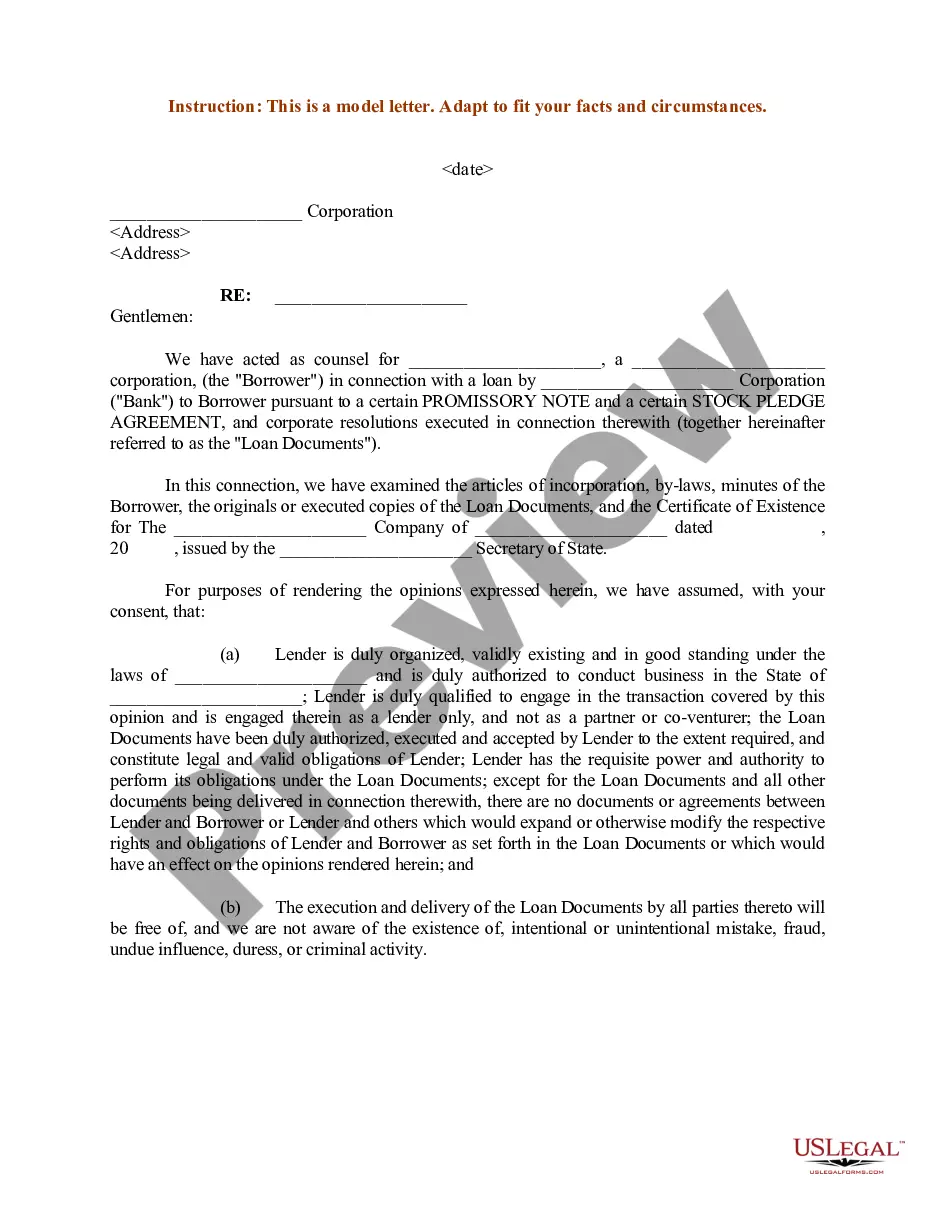
Court Letter Template With Re In Queens
Description



Get your form ready online
Our built-in tools help you complete, sign, share, and store your documents in one place.
Make edits, fill in missing information, and update formatting in US Legal Forms—just like you would in MS Word.
Download a copy, print it, send it by email, or mail it via USPS—whatever works best for your next step.
Sign and collect signatures with our SignNow integration. Send to multiple recipients, set reminders, and more. Go Premium to unlock E-Sign.
If this form requires notarization, complete it online through a secure video call—no need to meet a notary in person or wait for an appointment.
We protect your documents and personal data by following strict security and privacy standards.

Make edits, fill in missing information, and update formatting in US Legal Forms—just like you would in MS Word.

Download a copy, print it, send it by email, or mail it via USPS—whatever works best for your next step.

Sign and collect signatures with our SignNow integration. Send to multiple recipients, set reminders, and more. Go Premium to unlock E-Sign.

If this form requires notarization, complete it online through a secure video call—no need to meet a notary in person or wait for an appointment.

We protect your documents and personal data by following strict security and privacy standards.
Looking for another form?

Form popularity
FAQ
To begin an action in Small Claims Court, a person, or someone acting on his or her behalf, must come to the Small Claims Court Clerk's office in the proper county and fill out a statement of claim. To find out where the clerk's office is located in your county, click on Locations.
If substituted or nail and mail service were used, the affidavit of service must be filed with the County Clerk within 20 days of the date of service.
If you made an error like filing in the wrong case or submitting the wrong version of a document contact the clerk's office. Use the Court CM/ECF Lookup to find the clerk's office contact information.
What Should Be in Your Demand Letter Response? An acknowledgement of your receipt of their letter. Your analysis of the relevant facts. Be sure to be succinct, not verbose. Your basic reasoning as to why you are in the right (if you think you are.) ... Your counteroffer and a reasonable 'respond by' date.
You should respond to the allegations in clear and concise paragraphs. Factors to keep in mind: Whether the allegations provide you with enough detail. If the allegations are vague, general, subjective, or unsubstantiated, you can indicate in your response that you do not have enough information to respond adequately.
Introduce yourself in the opening paragraph. Outline your relationship with the person who is the subject of the legal proceedings. Acknowledge the charges that have been brought against the person. State your opinion of the person's general character.
You should respond to the counterclaim as though it were a Statement of Claim and you were drafting a Defence: respond to every paragraph – you can do this paragraph by paragraph if necessary; deny any allegations of fact that you do not admit – you will be deemed to admit facts that you forget to plead to; and.
On a separate page or pages, write a short and plain statement of the answer to the allegations in the complaint. Number the paragraphs. The answer should correspond to each paragraph in the complaint, with paragraph 1 of the answer corresponding to paragraph 1 of the complaint, etc.
After a summons with notice is served, the defendant will demand that the plaintiff serve a complaint. The plaintiff must then have the complaint served within 20 days after being served with the demand, or the case may be dismissed.
