Court Letter Sample For Job In Phoenix
Description



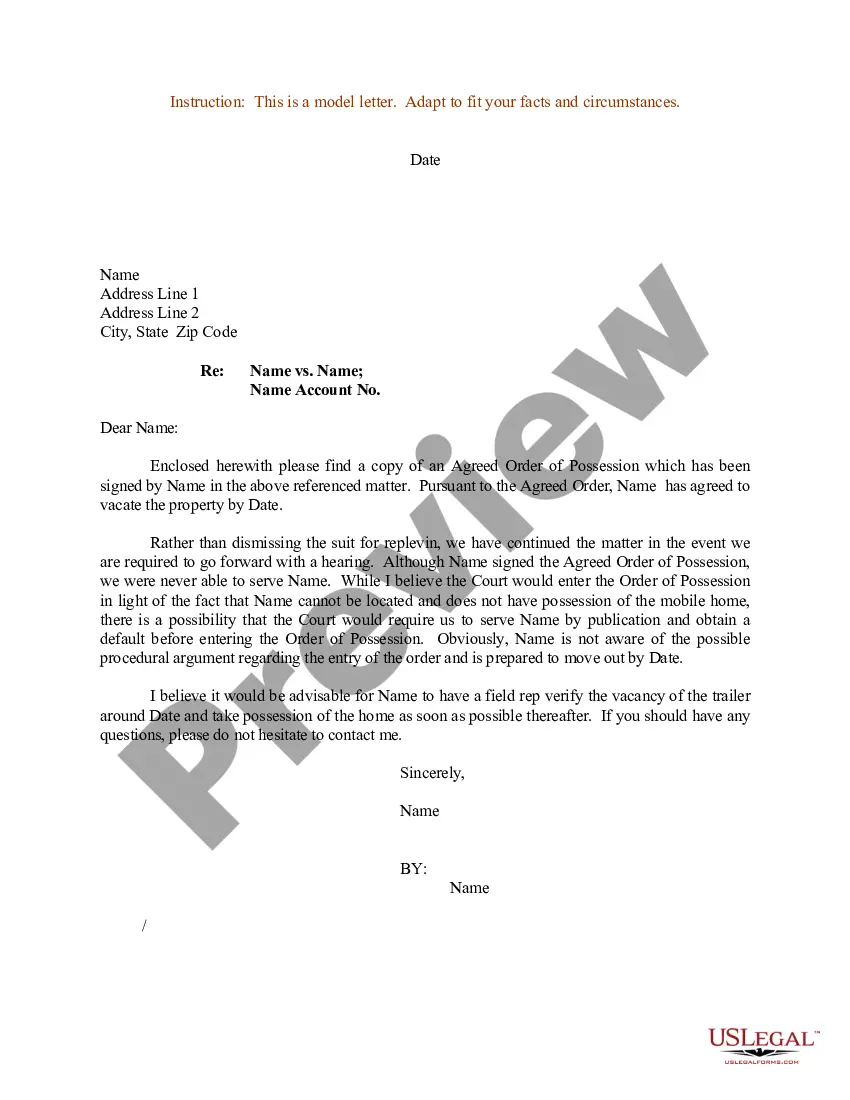
Get your form ready online
Our built-in tools help you complete, sign, share, and store your documents in one place.
Make edits, fill in missing information, and update formatting in US Legal Forms—just like you would in MS Word.
Download a copy, print it, send it by email, or mail it via USPS—whatever works best for your next step.
Sign and collect signatures with our SignNow integration. Send to multiple recipients, set reminders, and more. Go Premium to unlock E-Sign.
If this form requires notarization, complete it online through a secure video call—no need to meet a notary in person or wait for an appointment.
We protect your documents and personal data by following strict security and privacy standards.

Make edits, fill in missing information, and update formatting in US Legal Forms—just like you would in MS Word.

Download a copy, print it, send it by email, or mail it via USPS—whatever works best for your next step.

Sign and collect signatures with our SignNow integration. Send to multiple recipients, set reminders, and more. Go Premium to unlock E-Sign.

If this form requires notarization, complete it online through a secure video call—no need to meet a notary in person or wait for an appointment.

We protect your documents and personal data by following strict security and privacy standards.
Looking for another form?



Form popularity
FAQ
Arizona Civil Statute of Limitations Laws: At a Glance Injury to PersonOne year for false imprisonment (A.R.S. § 12-541) Two years for personal injury (A.R.S. § 12-542) Libel/Slander One year (A.R.S. § 12-541) Fraud Three years (A.R.S. § 12-543(3)) Injury to Personal Property Two years (A.R.S. § 12-542)6 more rows
Justice courts hear lawsuits when the amount in dispute is $10,000 or less, including: Eviction Actions and Landlord & Tenant Disputes.
The justice courts in Arizona have exclusive jurisdiction or the authority to hear all civil actions when the amount involved, exclusive of interest, costs and awarded attorney fees when authorized by law, is $10,000 or less. You may reduce a larger claim to $10,000 and waive the remaining amount.
Be polite and professional start your letter with a formal salutation. Such as dear clerk of courtsMoreBe polite and professional start your letter with a formal salutation. Such as dear clerk of courts or Dear Mr Ms Clerk's. Last name maintain a respectful tone throughout the letter 6.
You may not split a claim and file two separate actions. You may file for the "court costs"in addition to the $10,000 maximum. Civil lawsuits in Arizona are governed by the Justice Court Rules of Civil Procedure (PDF).
Every county in Arizona has at least two justice courts. The justice courts have exclusive authority to hear cases in which the amount in controversy is $10,000 or less. Cases in which the amount in controversy is greater than $10,000 must be filed in the superior court.
The plaintiff files a document (complaint) with the clerk of the court stating the reasons why the plaintiff is suing the defendant, and what action the plaintiff wants the court to take. A copy of the complaint and a summons are delivered to (served on) the defendant.
If you are well known in your community, your family name or place of work might make you more reputable in the eyes of the judge. Next, express exactly why you are writing. Include the name of the victim or the defendant, how you know the defendant, and why you're writing on behalf of them.
If sufficiently well-written, even one letter could make an impression on a judge. If more than one, or many more than one, this will always make a favorable impression. It is not a guarantee of more favorable treatment at sentencing, but it sure won't hurt.
Start the body of your letter with enthusiasm for the position. Continue with an interesting statement about how your professional abilities closely match the prospective job. This is your opportunity to make a positive first impression and set yourself apart from other applicants with experience in the courtroom.

