Sample Letter For Court In Pennsylvania
Description



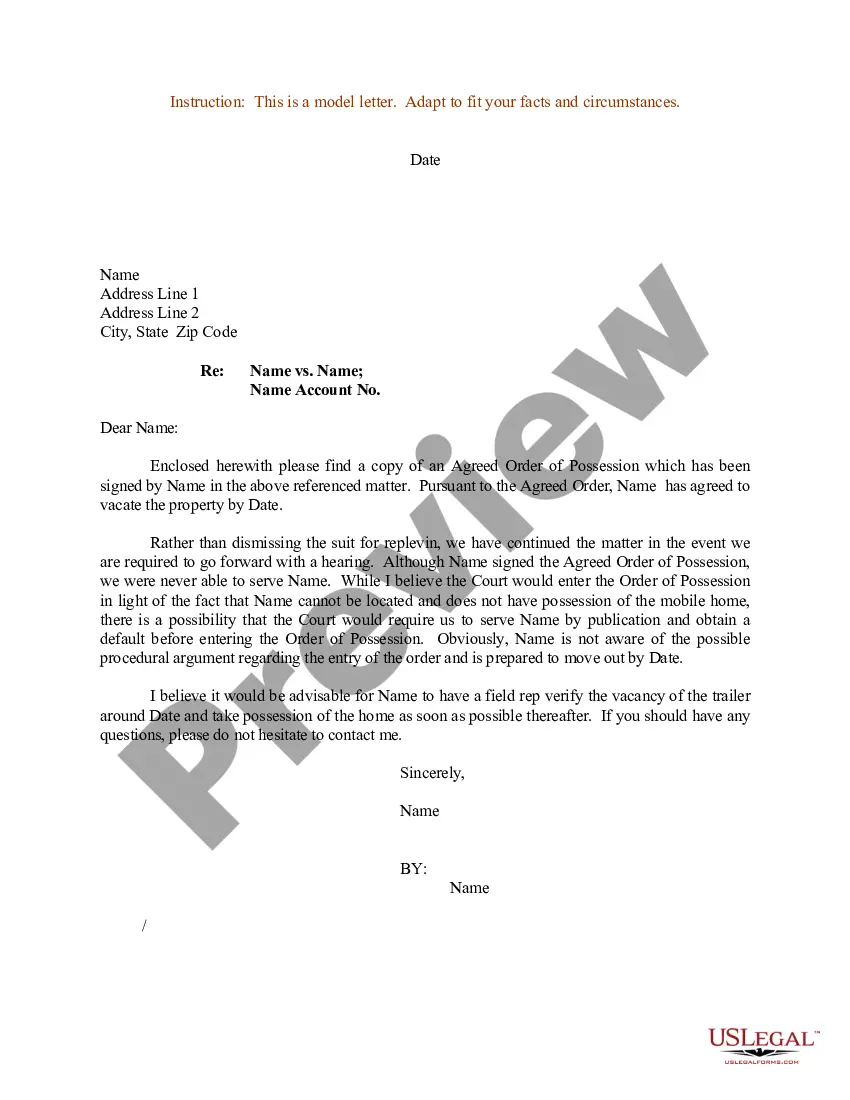
Get your form ready online
Our built-in tools help you complete, sign, share, and store your documents in one place.
Make edits, fill in missing information, and update formatting in US Legal Forms—just like you would in MS Word.
Download a copy, print it, send it by email, or mail it via USPS—whatever works best for your next step.
Sign and collect signatures with our SignNow integration. Send to multiple recipients, set reminders, and more. Go Premium to unlock E-Sign.
If this form requires notarization, complete it online through a secure video call—no need to meet a notary in person or wait for an appointment.
We protect your documents and personal data by following strict security and privacy standards.

Make edits, fill in missing information, and update formatting in US Legal Forms—just like you would in MS Word.

Download a copy, print it, send it by email, or mail it via USPS—whatever works best for your next step.

Sign and collect signatures with our SignNow integration. Send to multiple recipients, set reminders, and more. Go Premium to unlock E-Sign.

If this form requires notarization, complete it online through a secure video call—no need to meet a notary in person or wait for an appointment.

We protect your documents and personal data by following strict security and privacy standards.
Looking for another form?

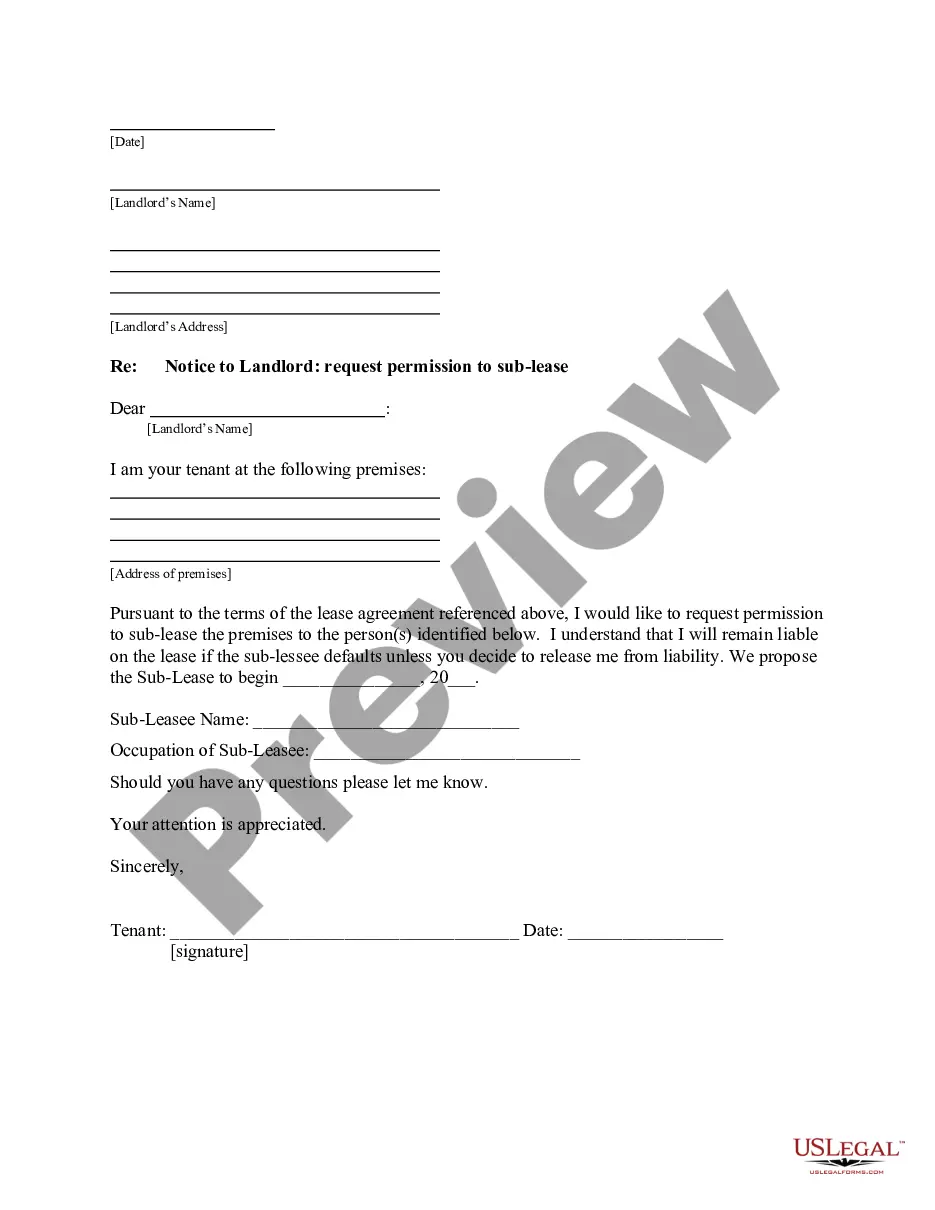

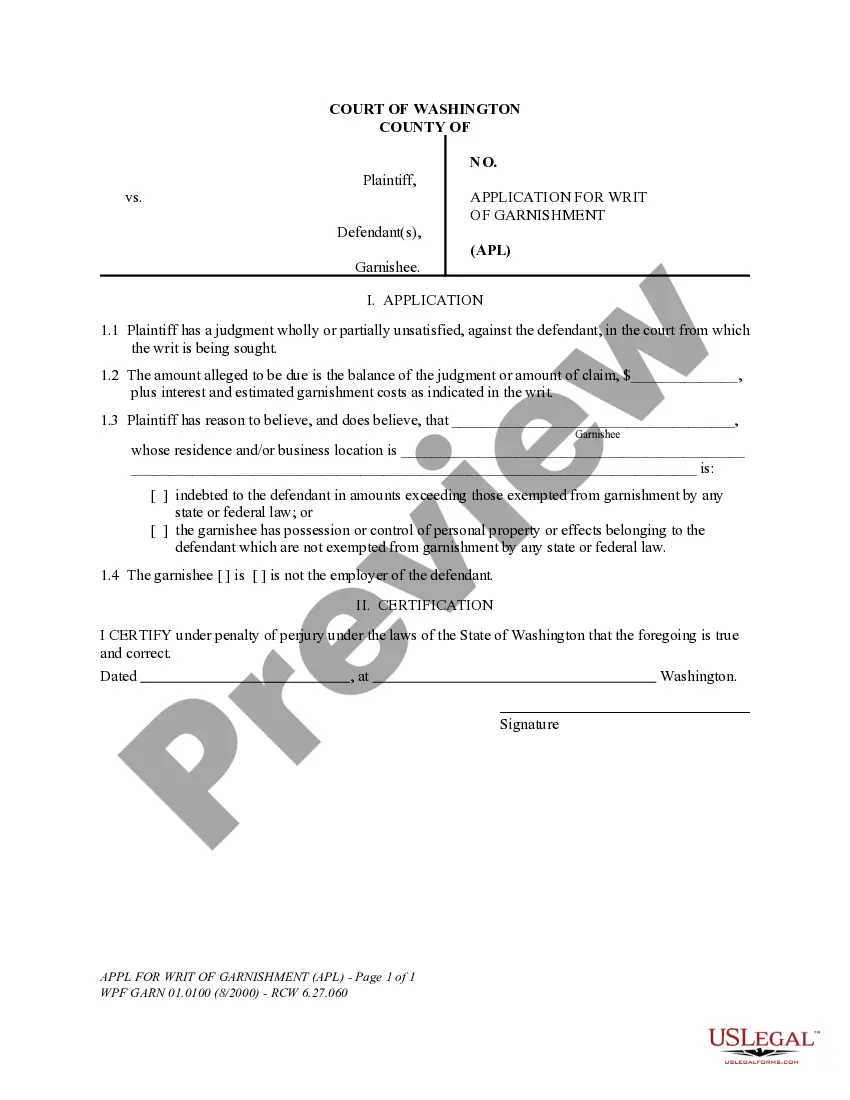



Form popularity
FAQ
How to Structure a Character Reference Letter Introduction: How you know the person and for how long. Positive Qualities: Three or four strong traits (honesty, reliability, kindness). Specific Examples: Real moments that show those traits in action. Recommendation Statement: Make it clear you fully endorse them.
Crafting an Effective Leniency Letter to a Judge: Five Essential... Start with a Clear Introduction. Introduce Yourself and Establish Credibility. Provide Reasons for Leniency. Tell a Story or Give Specific Examples. Provide Your Contact Information. Not the Same as a Motion to Modify a Sentence.
Example character reference Who you are Your relationship to the person charged Your knowledge of the person's charges Your knowledge of what is going on in the person's life Your opinion of the person's character I am happy to discuss this reference and can be contacted on include your phone number here.
A court letter, also known as a legal letter or court correspondence, refers to a written document used in legal proceedings. It's a type of formal communication addressed to court personnel, such as a judge, attorney, or another party involved in a legal case.
Elements: full mailing address of the sender. date on which letter is written. address of person to whom letter is addressed. subject line. salutation. body (the main message) complimentary closing. signature line (be sure to sign your letter)
The letter should be addressed to the Judge, but mailed to the defendant's attorney. Who are you? ... Make it personal when describing the defendant's characteristics. Only talk about what you know. Be truthful. Never attack the victims or law enforcement. Never allow the defendant to write the letter for you.
Steps: Address the Councillor (Make sure to use the propper titles Dr, Mrs, Mr, etc.) Introduce yourself. State the cause you are supporting. Include your own experience. Use 2-3 specific points. Include solutions or action you want the councillor to take. Bonus: Ask their position on the issue or include a question.
Follow this guide to write a compelling and respectful letter. Start With Proper Salutation. Introduce Yourself and Your Relationship With the Defendant. Discuss the Defendant's Character Positively. Include Specific Examples and Anecdotes. Conclude With a Summary of Your Recommendations.
Your letter can be typed or neatly handwritten. You should date and sign your letter. You don't need to write formal words to the Court, just make sure everything in your letter is genuine. It is usually a good idea to keep your letter to a page in length, and no more than two pages.
