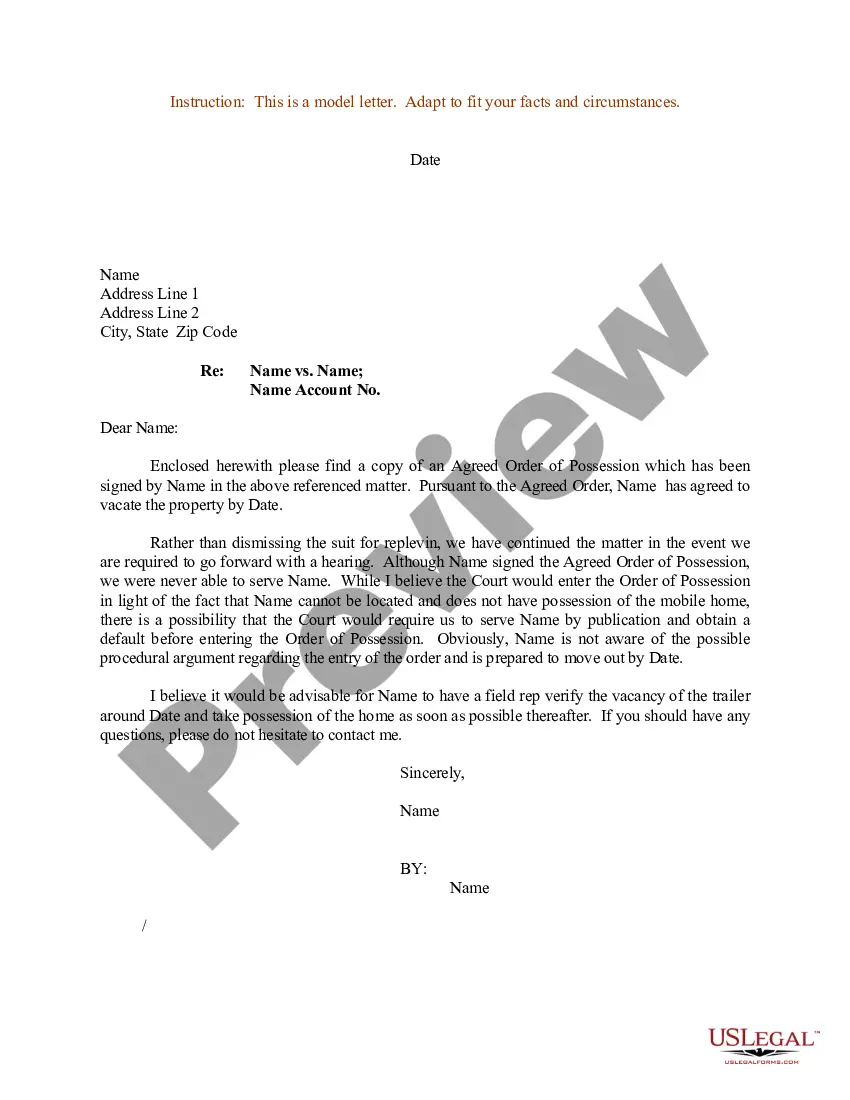
Court Letter Sample With Greetings In Orange
Description



Get your form ready online
Our built-in tools help you complete, sign, share, and store your documents in one place.
Make edits, fill in missing information, and update formatting in US Legal Forms—just like you would in MS Word.
Download a copy, print it, send it by email, or mail it via USPS—whatever works best for your next step.
Sign and collect signatures with our SignNow integration. Send to multiple recipients, set reminders, and more. Go Premium to unlock E-Sign.
If this form requires notarization, complete it online through a secure video call—no need to meet a notary in person or wait for an appointment.
We protect your documents and personal data by following strict security and privacy standards.

Make edits, fill in missing information, and update formatting in US Legal Forms—just like you would in MS Word.

Download a copy, print it, send it by email, or mail it via USPS—whatever works best for your next step.

Sign and collect signatures with our SignNow integration. Send to multiple recipients, set reminders, and more. Go Premium to unlock E-Sign.

If this form requires notarization, complete it online through a secure video call—no need to meet a notary in person or wait for an appointment.

We protect your documents and personal data by following strict security and privacy standards.
Looking for another form?





Form popularity
FAQ
Best Way to Write a Letter to a Judge Address a piece of professional letterhead to the judge at the top of the letter. At the start of the letter, introduce yourself and explain how you know the defendant. Write statements that show support for the defendant and give examples of their good character.
A typical introduction: “Your Honor, members of the jury, my name is (full name), representing the prosecution/defendant in this case.” If they have already been introduced, some attorneys just go right into their opening to save time, create drama, and make it look more like a real trial.
Introduce yourself in the opening paragraph. Outline your relationship with the person who is the subject of the legal proceedings. Acknowledge the charges that have been brought against the person. State your opinion of the person's general character.
1. Use formal language: Address the judge as "Honorable Full Name". 2. Include proper titles: Use "Dear Judge Last Name" as the salutation.
Address the judge only as “your honor” when addressing the judge in the courtroom. Refer to the judge as “the Court”, “his honor,” or “her honor” if you need to refer to the judge while addressing a witness or the jury.
Stand and greet the court, then state your name and who you are representing. For example: “Good morning, your honor. My name is John Smith. I am representing the plaintiff, Ms.
Stand and greet the court, then state your name and who you are representing. For example: “Good morning, your honor.
Common Courtroom Phrases As jurors you are not to be swayed by sympathy. Bail should be continued. Call your next witness. Can you tell the jury…? Could you briefly describe …? Could you describe the appearance of (a package, etc.)? Counsel, lay a foundation. Defendant will be remanded.
Sample Format for a Character Letter First Paragraph: Explain who you are. Second Paragraph: Explain why you are writing the letter. Third Paragraph: Thank the court, and make your “ask.” State that you are available to confirm the facts in this letter as necessary.
While it's technically possible to write a demand letter yourself, there are significant advantages to seeking the guidance of a legal professional. Here's why. Professional expertise. An attorney specialized in personal injury law understands the nuances of relevant statutes, case law, and procedural requirements.
